Table of Contents
- Introduction
- Understanding the Difference Between Dry and Dehydrated Skin
- Common Causes of Facial Dryness
- The Role of the Skin Barrier
- High-Performance Ingredients for Dry Facial Skin
- The Phyto-Aromatic Approach to Hydration
- Step 1: Gentle, Barrier-Respecting Cleansing
- Step 2: The Power of the Phyto-Aromatic Mist
- Step 3: Targeted Treatment with Serums and Boosters
- Step 4: Moisturizing and Locking in Hydration
- Step 5: Protection and Prevention
- Weekly Rituals for Deep Restoration
- Lifestyle Adjustments to Help Dry Skin
- When to Seek Professional Guidance
- Conclusion
- FAQ
Introduction
The feeling of tight, parched skin on the face is more than a minor inconvenience; it is a signal from your skin’s barrier that it needs restorative care. Whether you are dealing with seasonal flakiness or a year-round rough texture, finding the right ritual to restore a supple, glowing complexion is essential for your comfort and confidence. At Yon-Ka Paris, we believe that addressing dryness requires a harmonious blend of professional-grade botanicals and consistent, intentional care. In this article, we will explore the underlying causes of facial dryness, the high-performance ingredients that can support a healthy moisture barrier, and the specific lifestyle adjustments that help maintain soft, hydrated skin. By understanding the science of skin hydration, you can transform your daily routine into a rejuvenating experience.
Understanding the Difference Between Dry and Dehydrated Skin
Before determining what helps with dry skin on your face, it is important to distinguish between skin that is "dry" and skin that is "dehydrated." While these terms are often used interchangeably, they represent two different physiological states. Dry skin is a skin type characterized by a lack of natural oils (sebum). If you have a dry skin type, your sebaceous glands produce fewer lipids than normal, which can lead to a compromised barrier that struggles to retain moisture.
Dehydrated skin is a temporary condition that can affect any skin type, including oily or combination skin. This occurs when there is a lack of water content in the stratum corneum, the outermost layer of the skin. Factors like air conditioning, caffeine, or weather changes can cause the skin to look dull and show fine lines more prominently. Knowing whether you lack oil, water, or both is the first step in selecting the most effective botanical treatments for your face.
Common Causes of Facial Dryness
Environmental factors are often the primary culprits behind sudden or worsening facial dryness. During the winter months, low humidity levels and biting winds strip moisture from the skin’s surface. Conversely, excessive sun exposure in the summer can damage the skin barrier, leading to transepidermal water loss (TEWL). Indoor heating and cooling systems also play a significant role by creating a perpetually dry atmosphere that parches the complexion.
Biological and lifestyle factors also significantly influence how your skin retains moisture. As we age, the skin naturally produces fewer lipids and its ability to hold water diminishes. Additionally, habits such as washing with hot water or using harsh, foaming cleansers can disrupt the delicate pH balance of the skin. If you are experiencing persistent redness or extreme flaking that does not respond to topical care, it is always wise to consult a physician or a dermatologist to rule out underlying medical conditions like eczema or psoriasis.
The Role of the Skin Barrier
A healthy skin barrier acts like a protective shield, keeping essential moisture in and environmental irritants out. When this barrier is healthy, the skin looks plump, smooth, and resilient. However, when the lipid "mortar" that holds your skin cells together is depleted, the barrier becomes "leaky." This not only allows moisture to evaporate but also makes the skin more susceptible to sensitivity and irritation.
Key Takeaway: Effective relief for dry skin focuses on two goals: replenishing moisture (hydration) and sealing it in with lipids (nourishment) to repair the skin’s natural protective barrier.
High-Performance Ingredients for Dry Facial Skin
When looking for products to support a dry complexion, certain botanical and scientific ingredients stand out for their efficacy. At Yon-Ka, we prioritize ingredients that work in synergy with the skin's natural biology.
- Hyaluronic Acid: A powerful humectant that can hold up to 1,000 times its weight in water. It is essential for drawing moisture into the deeper layers of the skin's surface.
- Ceramides: These are lipid molecules that make up a significant portion of the skin barrier. Applying them topically helps "refill" the gaps in the barrier to prevent water loss.
- Squalane: A plant-derived emollient that mimics the skin's natural sebum, providing deep softening benefits without a greasy feel.
- Shea Butter: Rich in fatty acids, shea butter offers intense nourishment and creates a protective film over dry patches.
- Vegetal Glycerin: A classic humectant that helps the skin stay hydrated by attracting water from the environment and deeper skin layers.
The Phyto-Aromatic Approach to Hydration
The foundation of our approach to skincare is the fusion of aromatherapy and phytotherapy. Central to this is the Yon-Ka Paris Quintessence—a proprietary complex of five essential oils: lavender, geranium, rosemary, cypress, and thyme. This 100% natural and active complex does more than provide a sensorial experience; it helps to revitalize the appearance of the skin and balance the complexion.
Lavender provides soothing properties for dry, irritated skin, while rosemary and thyme support a revitalized look. When these essential oils are combined with hydrating plant extracts, they create a comprehensive solution for dryness that addresses both the physical symptoms and the overall well-being of the skin.
Note: When introducing products with high concentrations of essential oils, we recommend performing a patch test on your inner forearm for 24 hours. Introduce one new product at a time to ensure your skin acclimates beautifully. A slight, brief tingling can be normal, but persistent redness indicates you should reduce usage.
Step 1: Gentle, Barrier-Respecting Cleansing
Cleansing is often the most overlooked step in managing dry skin. Many traditional cleansers use sulfates or high-foam surfactants that strip the skin of the very oils it needs to stay healthy. If your skin feels tight or "squeaky clean" after washing, your cleanser is likely too harsh.
For dry complexions, we recommend a milk-based cleanser like Lait Nettoyant. This gentle formula removes makeup and impurities while maintaining the skin’s natural lipid balance. It leaves the skin feeling soft and refreshed rather than stripped. Always use lukewarm water when rinsing, as hot water can further dissolve the protective oils on your face.
Step 2: The Power of the Phyto-Aromatic Mist
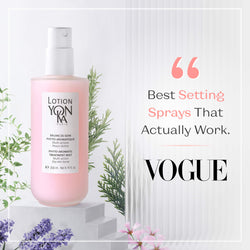
Toning should not be about "stripping" the skin, but about preparing it for hydration. Our signature mist, Lotion Yon-Ka PS, is specifically formulated for dry skin. Unlike alcohol-based toners, this phyto-aromatic mist is alcohol-free and provides an immediate surge of hydration while balancing the skin's pH.
Misting your face before applying serums or moisturizers is a crucial step in the ritual. This creates a "damp" environment on the skin, which significantly improves the absorption of the active ingredients that follow. It allows your moisturizer to glide on more easily and helps lock in the mist’s botanical benefits.
Step 3: Targeted Treatment with Serums and Boosters
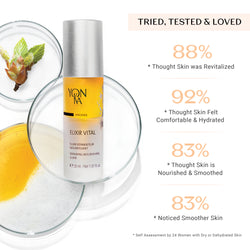
Serums are highly concentrated formulas designed to deliver active ingredients deep into the skin's surface layers. For those with chronically dry skin, a lipid-restoring serum is a game-changer. Serum Omega is an excellent choice, as it is packed with essential fatty acids that help repair the appearance of a damaged barrier and provide long-lasting comfort.
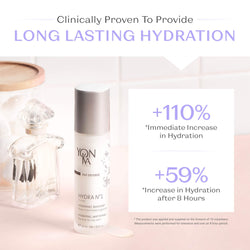
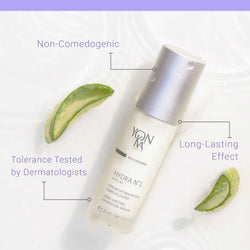
If your skin feels more dehydrated (lacking water) than dry (lacking oil), a product from the Hydra n°1 range, such as the Hydra n°1 Serum, can provide a significant boost of hyaluronic acid. You can also customize your routine with boosters like Nutri + , which can be mixed into your cream to add an extra layer of nourishment during particularly cold or dry months.
Step 4: Moisturizing and Locking in Hydration
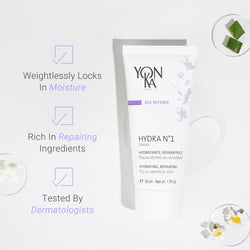
The primary role of a moisturizer is to provide a protective seal over the skin. A good cream should contain both humectants to hydrate and emollients to smooth. For intense hydration, Hydra n°1 Crème provides a comforting texture that helps to visibly plump the skin and reduce the appearance of fine lines caused by dryness.
For those concerned with the first signs of aging alongside dryness, Élastine Nuit provides a revitalizing night treatment that helps the skin recover its suppleness while you sleep. By applying a slightly thicker layer of cream at night, you can counteract the moisture loss that naturally occurs during the nocturnal repair cycle.
Step 5: Protection and Prevention
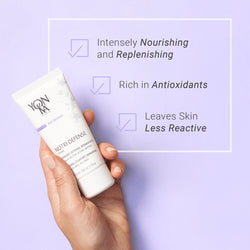
Daily sun protection is non-negotiable, even for dry skin. UV rays damage the skin barrier and accelerate the breakdown of collagen and elastin, making the skin even less capable of holding onto moisture. We recommend choosing a moisturizer with built-in antioxidant protection, like Vital Defense, which helps shield the skin from both environmental pollution and oxidative stress.
In addition to topical products, protecting your skin from the elements is vital. In the winter, wearing a scarf to shield your face from the wind can prevent "windburn," which is essentially extreme dehydration and irritation. In the summer, seeking shade and wearing a wide-brimmed hat helps preserve your skin’s precious moisture reserves.
Weekly Rituals for Deep Restoration
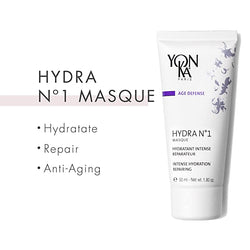
Incorporating a weekly mask can provide a "reboot" for extremely dry or dull skin. A hydrating mask like Hydra n°1 Masque can be applied once or twice a week. For an even more intensive treatment, you can apply a thin layer of this mask and leave it on overnight to wake up with a deeply revitalized and glowing complexion.
Exfoliation is also important, but it must be done gently. If you have dry skin, avoid harsh physical scrubs that can create micro-tears. Instead, use a grain-free exfoliator like Gommage Yon-Ka. This professional-grade "peel" uses plant extracts to gently lift away dead skin cells without irritation, allowing your hydrating products to penetrate more effectively.
Lifestyle Adjustments to Help Dry Skin
What you do outside of your bathroom also impacts the health of your skin. Small changes in your daily environment can make a world of difference:
- Use a Humidifier: Especially in the bedroom at night, a humidifier adds moisture back into the air, preventing your skin from drying out while you sleep.
- Stay Hydrated from Within: While drinking water doesn't directly "moisturize" the skin, proper systemic hydration is essential for overall skin health and cellular function.
- Eat Healthy Fats: Incorporate foods rich in Omega-3 fatty acids, such as salmon, walnuts, and flaxseeds, to support your skin’s lipid production.
- Limit Hot Showers: Keep your showers short and use lukewarm water to avoid melting away your skin's natural protective oils.
- Choose Soft Fabrics: If you have sensitive, dry skin, avoid wool scarves or pillowcases that can be abrasive. Silk or high-quality cotton is much gentler on the facial barrier.
When to Seek Professional Guidance
While most cases of dry facial skin can be managed with a consistent, high-quality ritual, some situations require expert intervention. If your skin is cracking, bleeding, or showing signs of infection (such as yellow crusting or extreme swelling), you should see a physician immediately.
Furthermore, professional spa treatments can provide a level of hydration that is difficult to achieve at home. A professional Yon-Ka facial, performed by a certified aesthetician, includes deep cleansing, tailored exfoliation, and the application of professional-grade masques and serums. You can use our Spa Locator to find a partner facility near you for a personalized skin analysis and treatment.
"Skincare is not just about correcting a problem; it is about honoring the skin through a consistent, sensorial ritual that builds resilience over time."
Conclusion
Managing dry facial skin requires a thoughtful balance of gentle cleansing, deep hydration, and barrier-protecting lipids. By choosing products formulated with pharmaceutical-grade botanicals and the signature Quintessence, you are providing your skin with the tools it needs to thrive. Remember that the appearance of healthy skin is a result of consistent care and a holistic approach that includes both topical treatments and lifestyle mindfulness.
If you are unsure which products are best suited for your specific needs, we invite you to take our Skin Diagnosis quiz or use the Product Matcher on our website. At Yon-Ka Paris, we remain dedicated to the belief that skincare is a ritual worth savoring, rooted in 70 years of French phyto-aromatic expertise and a deep respect for the power of nature.
FAQ
What is the best way to wash my face if I have dry skin?
You should use a gentle, non-foaming milk cleanser like Lait Nettoyant and rinse with lukewarm water rather than hot. Avoid scrubbing your skin with harsh washcloths; instead, use your fingertips to massage the cleanser in and gently pat your skin dry with a soft towel to keep the barrier intact.
Can I use Vitamin C serum if my skin is dry?
Yes, Vitamin C is an excellent antioxidant for dry skin, especially when formulated in a hydrating base. Our Serum C20 provides brightening benefits and helps support the skin’s appearance against environmental stressors while remaining comfortable for drier skin types.
Why does my skin still feel dry after I apply moisturizer?
This often happens if you are applying moisturizer to completely dry skin or if your barrier is too compromised to hold onto the product. Try misting with Lotion Yon-Ka PS first to dampen the skin, and ensure your moisturizer contains both humectants to draw in water and emollients to seal it in.
How often should I exfoliate dry skin on my face?
For dry skin, exfoliation should be limited to once or twice a week using a very gentle, grain-free product like Gommage Yon-Ka. Over-exfoliating can strip the skin’s natural oils and worsen dryness, so it is important to focus on removing dead skin cells without causing irritation.