Table of Contents
- Introduction
- Understanding Why Facial Skin Peels
- The Yon-Ka Approach to Barrier Recovery
- A Daily Ritual to Soothe and Smooth
- Essential Ingredients for Peeling Skin
- Advanced Strategies for Stubborn Peeling
- Seasonal Adjustments for Lasting Smoothness
- Managing Peeling in Sensitive Areas
- When to Consult a Professional
- Conclusion
- FAQ
Introduction
Waking up to find visible flakes or rough patches on your face can be a frustrating experience, often making makeup application difficult and leaving your complexion feeling tight or sensitive. This localized shedding is a clear signal from your skin that its protective moisture barrier has been compromised. At Yon-Ka Paris, we view these moments not as permanent flaws, but as opportunities to refine your ritual and provide the deep, botanical nourishment your skin is craving. Whether your peeling is caused by seasonal shifts, harsh actives, or environmental stressors, the right approach can restore a smooth, glowing appearance. This article explores the biological causes of facial peeling and provides a professional roadmap to recovery using phyto-aromatic principles. By understanding how to soothe and seal the skin, you can transition from a state of irritation to one of lasting comfort and radiance. Learn more about our ingredients and the plant-based science behind our approach.
Quick Answer: To help dry peeling skin on the face, immediately pause all harsh exfoliants and retinoids, and switch to a gentle, milk-based cleanser. Incorporate high-performance hydrators like hyaluronic acid and barrier-repairing lipids such as omega fatty acids to seal the skin’s surface and prevent further moisture loss.
Understanding Why Facial Skin Peels
Skin peeling, or desquamation, is a natural process where the body sheds dead skin cells. However, when this process becomes visible to the naked eye in the form of flakes or "sheets" of skin, it indicates that the natural cycle has been disrupted. Healthy skin cells are held together by a "mortar" of lipids, including ceramides, cholesterol, and fatty acids. When this mortar is washed away or damaged, the "bricks" (your skin cells) begin to lift and peel away prematurely.
The Compromised Moisture Barrier
The most common culprit behind peeling is a weakened moisture barrier. This thin, protective layer on the surface of your skin is responsible for keeping hydration in and irritants out. When the barrier is compromised, a process called transepidermal water loss (TEWL) accelerates. As water evaporates from the deeper layers of the skin, the surface becomes brittle. This brittleness leads to the cracking and flaking we recognize as peeling.
Environmental Stressors
Living in a climate with low humidity can quickly deplete the skin’s water reserves. During winter months, the combination of biting cold air outside and dry, artificial heat inside creates a "moisture vacuum" that pulls hydration directly from your face. Conversely, excessive sun exposure can cause a first-degree burn, leading the body to shed damaged DNA-containing cells to make way for new, healthy ones—resulting in the classic "sunburn peel." For seasonal protection, explore our Sun Care collection.
Over-Exfoliation and Harsh Actives
In the pursuit of a "glass skin" look, it is easy to overdo it with chemical exfoliants like AHAs (alpha hydroxy acids) or BHAs (beta hydroxy acids). While these ingredients are excellent for brightening the appearance of skin, using them too frequently can strip the barrier. Similarly, introducing a high-strength retinoid too quickly can cause "retinization," a period of adjustment where the skin may experience redness, dryness, and significant peeling.
The Yon-Ka Approach to Barrier Recovery
Our philosophy is rooted in the belief that skin health is achieved through balance, not aggression. For over 70 years, we have championed the use of phyto-aromatic excellence to support the skin's natural ability to recover. At the heart of our formulations is the Quintessence—a proprietary blend of five essential oils: lavender, geranium, rosemary, cypress, and thyme. This 100% natural and active complex provides a sensorial experience while supporting the appearance of revitalized skin. Discover more about our phyto-aromatic formulation philosophy.
The Role of Essential Oils in Recovery
When skin is peeling, it is often in a state of "stress." Aromachology, the study of the influence of scents on human behavior and emotion, plays a vital role in our rituals. Essential oils like lavender and geranium are known for their soothing properties, helping to calm the visible signs of irritation. By integrating these botanical powerhouses into a gentle routine, we address both the physical symptoms of dryness and the overall wellbeing of the individual.
Pharmaceutical Rigor in Botanical Science
We manufacture all our products at our facility near Paris, adhering to strict ISO 22716 standards. This ensures that every drop of a treatment like Serum Omega or Hydra n°1 Crème meets the highest benchmarks for safety and efficacy. Our formulas average 92% ingredients of natural origin, prioritizing certified organic actives that provide the skin with the building blocks it needs to feel resilient and smooth once again.
A Daily Ritual to Soothe and Smooth
When your skin is actively peeling, the most important step is to simplify. A complex routine with multiple "active" steps can further irritate the delicate surface. Instead, follow a gentle, layered ritual designed to saturate the skin with moisture and seal it in.
Step 1: Gentle, Barrier-Respecting Cleansing
The biggest mistake people make with peeling skin is using a foaming cleanser that leaves the skin feeling "squeaky clean." This sensation is actually the sound of your lipids being stripped away. Instead, opt for a creamy, soap-free option like Lait Nettoyant. This cleansing milk gently lifts away impurities and makeup while maintaining the skin's natural pH and lipid balance.
Note: When washing a peeling face, always use lukewarm water. Hot water can further dissolve the protective oils your skin is desperately trying to retain. Pat your face dry with a soft cloth; never rub.
Step 2: Prepare and Hydrate with a Mist
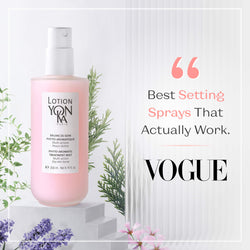
Traditional toners often contain alcohol, which is a major irritant for dry, flaky skin. At Yon-Ka, we utilize Lotion Yon-Ka PS, a phyto-aromatic mist that is much more than a toner. It prepares the skin to better absorb subsequent treatments. For dry and peeling skin, Lotion Yon-Ka PS provides an immediate burst of hydration and the soothing benefits of our signature Quintessence. If you want to compare it with another option, visit our toner and mist collection.
Step 3: Targeted Serum for Lipid Repair
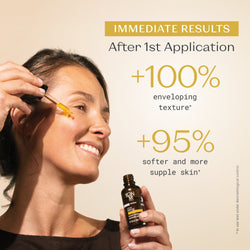
To address the "mortar" issues mentioned earlier, you must provide the skin with lipids. Serum Omega is an ideal choice for skin in crisis. This oil-in-serum is rich in essential fatty acids (Omega 3, 6, and 9) derived from botanical sources like blackcurrant seed oil. It helps to reinforce the appearance of the moisture barrier, effectively "gluing" those loose flakes back down and preventing further TEWL.
Step 4: Intensive Moisturizing
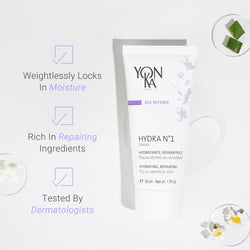
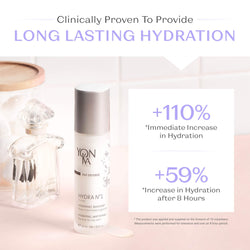
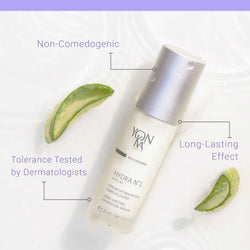
Finish your ritual with a high-performance moisturizer that offers both humectants (to draw water in) and occlusives (to keep it there). Hydra n°1 Crème is specifically formulated for very dry or dehydrated skin. It contains two types of hyaluronic acid along with shea butter and hazelnut oil to provide long-lasting comfort and a visible smoothing effect. If your skin needs a broader selection, explore our moisturizers.
Essential Ingredients for Peeling Skin
When reading labels to find what helps dry peeling skin on the face, look for ingredients that mimic the skin’s natural composition or provide intense, non-irritating hydration.
- Hyaluronic Acid: A powerful humectant that can hold up to 1,000 times its weight in water. It helps "plump" the appearance of the skin from within.
- Squalane: A plant-derived lipid that mimics the skin's natural sebum, providing excellent emollient properties without feeling heavy or greasy.
- Ceramides: These are the fats that make up over 50% of your skin's composition. Supplementing them topically is crucial for barrier repair.
- Glycerin: A classic but highly effective humectant that helps to improve the skin's resilience and moisture levels.
- Aloe Vera: Known for its cooling and soothing properties, it is especially helpful if the peeling is due to a sunburn.
Key Takeaway: Peeling skin requires a dual-action approach: humectants to bring moisture into the skin and emollients/occlusives to prevent that moisture from escaping. Using one without the other often results in temporary relief followed by a return to flakiness.
Advanced Strategies for Stubborn Peeling
If a standard moisturizer isn't enough to curb the flaking, you may need to incorporate "next-level" professional techniques into your home care.
The Power of "Slugging" with a Botanical Twist
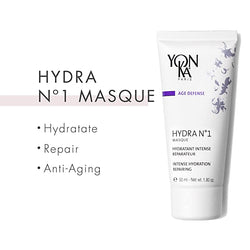
"Slugging" involves applying a thick, occlusive layer over your moisturizer at night to create a physical seal. For a more sophisticated, phyto-aromatic version, try applying a generous layer of Hydra n°1 Masque before bed. Unlike petroleum-based products, this mask provides active repair through vitamin A, C, and E, while also serving as a powerful moisture "lock." You can even leave a thin layer on overnight for an intensive recovery treatment. For more hydrating options, browse our face masks.
Gentle Exfoliation (When the Timing is Right)
While you should pause all harsh scrubs, very gentle, non-grainy exfoliation can help remove the flakes that are already detached, allowing your moisturizers to penetrate better. Gommage Yon-Ka is a professional-grade, grain-free exfoliator that uses carob and lime essential oil to gently lift dead skin cells without any abrasive friction. It is safe even for sensitive or fragile skin types, making it the perfect tool for refining texture during the peeling phase. If you want to see more options, visit our exfoliating scrubs and peels.
Myth: You should scrub off peeling skin with a washcloth to get rid of it faster. Fact: Forcefully removing peeling skin can damage the healthy cells underneath that aren't ready to be exposed, leading to redness, raw spots, and potential scarring. Always let skin shed naturally or use a grain-free gommage.
Seasonal Adjustments for Lasting Smoothness
Your skin’s needs change with the calendar. What helps dry peeling skin on the face in the summer may not be enough during a harsh winter.
Winter Shielding
In cold weather, switch your lightweight lotions for richer textures. Consider adding a few drops of Nutri+ Booster to your daily cream. This oil-based booster is rich in wheat germ oil and vitamins, providing an extra layer of defense against the biting wind and dry indoor air.
Summer Protection
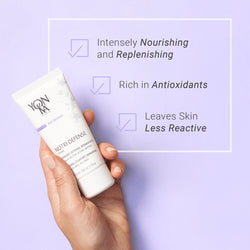
Sun damage is a leading cause of peeling. Even if you don't get a full-blown sunburn, chronic UV exposure dehydrates the skin. Use a day cream with antioxidant protection like Vital Defense, which helps shield the skin from environmental pollutants and free radical damage that can weaken the barrier over time. Always finish with a high-quality SPF during the day.
Managing Peeling in Sensitive Areas
Certain parts of the face are more prone to peeling than others due to thinner skin or environmental exposure.
Around the Eyes
The skin around the eyes is the thinnest on the body and has very few oil glands. This makes it a "hot spot" for dryness and fine lines. Use a targeted treatment like the eye and lip contour range, which includes Phyto-Contour for the delicate eye area while providing essential hydration.
Around the Nose and Mouth
Frequent nose-blowing during allergy or cold season can lead to raw, peeling skin around the nostrils. Similarly, lip-licking or harsh toothpastes can cause dryness around the mouth. In these areas, applying a barrier-rich balm or a small amount of Serum Omega throughout the day can provide a protective shield against further irritation.
When to Consult a Professional
While most cases of dry, peeling skin can be managed with a consistent, hydrating ritual, there are times when topical skincare isn't enough. If your peeling is accompanied by any of the following, it is wise to consult a dermatologist:
- Intense, persistent itching or "burning" sensations.
- Visible signs of infection, such as yellow crusting or oozing.
- Peeling that occurs in thick, silvery scales (which may indicate psoriasis).
- Peeling that is localized to red, oily-looking patches (which may indicate seborrheic dermatitis).
- Severe redness, swelling, or heat in the skin.
For those who simply want to accelerate their results, a professional Yon-Ka treatment at a local spa can be transformative. Estheticians use specialized techniques and high-concentration professional formulas to deeply saturate the skin and jumpstart the barrier repair process. You can use our Spa Locator to find a certified professional near you.
Conclusion
Managing dry, peeling skin on the face requires patience and a commitment to a gentle, barrier-focused ritual. By shifting away from aggressive treatments and embracing the soothing power of phyto-aromatic ingredients like the Yon-Ka Quintessence, you can help your skin return to its natural state of balance. Remember that consistency is key; real results are built over time through the daily layering of hydration and protection. If you want to explore more routines for dry and sensitive skin, visit our dry and dehydrated skin collection. At Yon-Ka Paris, we remain dedicated to the belief that skincare is a ritual worth savoring, crafted from the finest elements of nature to support your skin's health at every stage of life.
"True beauty begins with a balanced barrier. By listening to your skin and providing the botanical lipids it craves, you restore not just its surface, but its inner resilience."
To begin your journey toward a smoother complexion, explore our Hydra N°1 cream and mask range or our range of targeted boosters designed to provide the nourishment your skin needs to thrive. You can also learn how Yon-Ka develops these formulas in our ingredient story.
FAQ
Can I use retinol if my skin is currently peeling?
It is best to pause all retinoid use until your skin has fully stopped peeling and any redness or irritation has subsided. Once your barrier is restored, you can slowly reintroduce retinol, perhaps by "sandwiching" it between two layers of a rich moisturizer like Hydra n°1 Crème to minimize future flaking.
How long does it take for peeling skin to heal?
The skin typically takes about 28 to 40 days to complete a full renewal cycle, but you should see a visible improvement in peeling and flakes within 5 to 7 days of starting a dedicated barrier-repair ritual. Consistency with gentle cleansing and intensive moisturizing is essential during this recovery window.
Is peeling skin always a sign of dryness?
Not necessarily. While dryness is a common cause, peeling can also result from sunburn, allergic reactions, or medical conditions like eczema or seborrheic dermatitis. If your skin is oily but still peeling, you may be experiencing dehydration (a lack of water) rather than true dryness (a lack of oil).
Should I use a face oil or a cream for peeling skin?
Ideally, you should use both. Peeling skin often needs both the humectants found in a cream (like hyaluronic acid) and the emollient/occlusive benefits of a face oil (like the lipids in Serum Omega). Applying a cream first to hydrate and then a few drops of oil to seal it in is an effective strategy for lasting comfort.