Table of Contents
- Introduction
- The Difference Between Dry and Dehydrated Skin
- Common Culprits Behind Facial Dryness
- Key Ingredients That Help Soothe and Hydrate
- The Yon-Ka Phyto-Aromatic Approach to Deep Hydration
- A Restorative Ritual for Parched Skin
- Gentle Exfoliation: Removing Flakes Without Irritation
- Lifestyle Adjustments for Lasting Comfort
- When to Consult a Dermatologist
- Conclusion
- FAQ
Introduction
Waking up to skin that feels tight, looks flaky, or shows fine lines more prominently than usual is a frustrating experience. Whether it is the result of harsh winter winds, indoor heating, or the natural changes that come with aging, dry facial skin requires more than just a quick fix; it demands a dedicated restoration of the skin's protective barrier. At Yon-Ka Paris, we believe that the secret to a soft, supple complexion lies in the harmonious blend of high-performance botanical actives and a consistent, nourishing ritual.
In this article, we will explore the environmental and biological causes of dryness, identify the essential ingredients your skin is craving, and outline a professional-inspired routine to restore your natural glow. Understanding the difference between surface-level dehydration and deep-seated dryness is the first step toward lasting comfort and radiance.
The Difference Between Dry and Dehydrated Skin
Before searching for what gets rid of dry skin on your face, it is essential to identify whether your skin is truly "dry" or simply "dehydrated." While these terms are often used interchangeably, they represent two different skin concerns that require unique approaches.
Dry skin is a skin type, much like oily or combination skin. If you have a dry skin type, your sebaceous glands do not produce enough sebum (natural oils). Sebum is critical because it acts as a sealant, keeping moisture in and environmental irritants out. Without enough oil, the skin becomes rough, flaky, and prone to sensitivity.
Dehydrated skin, on the other hand, is a temporary condition that can affect any skin type—even oily skin. It occurs when there is a lack of water in the stratum corneum (the outermost layer of the skin). Dehydrated skin often looks dull, feels tight after cleansing, and may show "crepe-like" fine lines when gently pinched.
Quick Answer: True dry skin lacks oil and requires lipid-rich creams and oils to repair the barrier. Dehydrated skin lacks water and needs humectants like hyaluronic acid to pull moisture into the cells.
Common Culprits Behind Facial Dryness
Understanding why your skin is losing its luster is the foundation for selecting the right products. Several factors can strip the skin of its natural defenses, leading to that uncomfortable sandpaper texture.
Environmental Stressors
The environment is one of the biggest contributors to facial dryness. Low humidity levels in the winter or high-altitude climates cause moisture to evaporate from the skin rapidly—a process known as transepidermal water loss (TEWL). Indoors, central heating and air conditioning act like giant sponges, pulling moisture from the air and your complexion.
Harsh Cleansing Habits
Many traditional soaps and foaming cleansers contain sulfates (like SLS) that are too aggressive for the delicate facial skin. These ingredients can strip away the acid mantle, which is the thin, protective film on the skin's surface. Washing with hot water further dissolves natural lipids, leaving the skin defenseless and dry.
The Impact of Aging
As we age, our skin’s natural production of sebum and hyaluronic acid begins to slow down. By the time we reach our 40s and 50s, the skin's ability to retain moisture diminishes significantly. This often results in a more fragile barrier and a higher susceptibility to environmental damage.
Lifestyle and Diet
While topical care is vital, internal factors also play a role. A diet low in healthy fats (omega-3 and omega-6 fatty acids) can affect the quality of your skin's lipid barrier. Additionally, smoking and excessive caffeine intake can impair circulation and contribute to a dull, parched appearance.
Key Ingredients That Help Soothe and Hydrate
When looking for products to address dryness, it is important to look past the marketing and focus on the science of the ingredients. Effective formulas usually combine three types of moisturizing agents: humectants, emollients, and occlusives.
- Hyaluronic Acid: A powerful humectant that can hold up to 1,000 times its weight in water. It acts as a "moisture magnet," drawing hydration into the deeper layers of the skin to create a plump, dewy look.
- Ceramides: These are lipid molecules found naturally in the skin's barrier. Adding them through skincare helps "glue" skin cells together, preventing moisture from escaping.
- Squalane: A lightweight, non-comedogenic oil that mimics the skin's natural sebum. It provides deep emollience without feeling heavy or greasy.
- Glycerin: A classic but highly effective humectant that improves skin softness and helps the skin's barrier function.
- Plant-Based Oils: Ingredients like jojoba oil, shea butter, and borage oil are rich in essential fatty acids that nourish dry skin and restore elasticity.
The Yon-Ka Phyto-Aromatic Approach to Deep Hydration
At the heart of our philosophy is the fusion of aromatherapy and phytotherapy. We utilize over 130 land and sea plants to create formulas that do more than just sit on the surface of the skin. Our signature is the Quintessence, a unique complex of five essential oils—lavender, geranium, rosemary, cypress, and thyme—that serves as the foundation for our treatments.
This blend is not just for its exquisite aroma; each oil is chosen for its specific benefits. Lavender soothes, geranium provides anti-aging support, rosemary revitalizes, cypress balances, and thyme offers purifying properties. For those struggling with dryness, this phyto-aromatic synergy helps to stabilize the skin while providing a sensorial, spa-like experience at home. The heritage of Yon-Ka Paris is built on 70 years of professional expertise, ensuring that every botanical ingredient is optimized for both efficacy and safety.
Note: When introducing essential-oil-based products into your routine, we recommend performing a patch test on your inner forearm for 24 hours. Introduce one new product at a time to allow your skin to adjust to the active botanical ingredients.
A Restorative Ritual for Parched Skin
Building a routine for dry skin is about layering hydration and sealing it in with protective lipids. We recommend a ritual-based approach that respects the skin's delicate balance.
Step 1: Gentle Cleansing
Avoid foaming cleansers that leave your skin feeling "squeaky clean," as this is often a sign of a stripped barrier. Instead, use a milk-based cleanser like Lait Nettoyant. This gentle, silk-textured milk removes makeup and impurities while maintaining the skin's natural pH and lipid levels. Apply it with your fingertips in circular motions and rinse with lukewarm water.
Step 2: The Phyto-Aromatic Mist
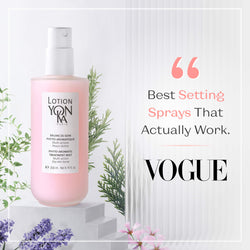
Traditional toners often contain alcohol, which is incredibly drying. Replace them with Lotion Yon-Ka PS, our signature alcohol-free mist specifically formulated for dry and sensitive skin. It features the Quintessence complex and glycerin to immediately soothe the skin and prepare it to absorb the serums and moisturizers that follow.
Step 3: Targeted Hydration
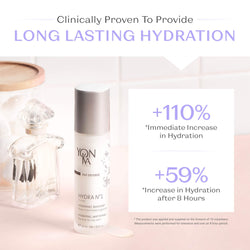
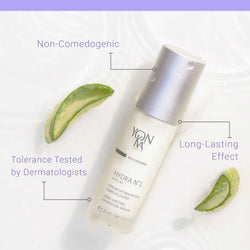
Apply a serum rich in hyaluronic acid to address dehydration. From our Intensive range, Hydra n°1 Serum acts as a deep-reaching hydration booster. Its lightweight texture allows it to penetrate quickly, delivering vitamins and moisture-binding ingredients to the skin’s lower layers.
Step 4: Nourish and Seal
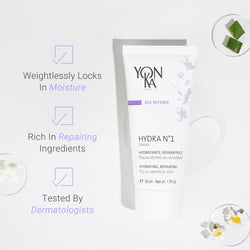
For true dry skin, you must follow your serum with a lipid-rich cream. Hydra n°1 Crème is an excellent choice for those needing long-lasting comfort. It combines hyaluronic acid with shea butter and hazelnut oil to repair the barrier and smooth the appearance of fine lines. If your skin feels particularly depleted, you can add a few drops of Nutri + Booster or Serum Omega to your cream to provide an extra dose of antioxidants and essential fatty acids.
Gentle Exfoliation: Removing Flakes Without Irritation
A common mistake for those with dry skin is over-exfoliating. While it is tempting to scrub away visible flakes, harsh physical scrubs can cause micro-tears and further inflame the skin. However, removing dead skin cells is necessary to allow your moisturizers to penetrate effectively.
The solution is a grain-free exfoliator like Gommage Yon-Ka. This unique, plant-based peel uses carob and white nettle to gently lift away dead skin cells without any abrasive particles. It is so gentle that it can even be used on the delicate eye area and on skin prone to redness. Regular use—about once or twice a week—helps to brighten the appearance of the skin and ensures your hydrating products can do their best work.
Key Takeaway: Proper exfoliation for dry skin should never involve "scrubbing." Use gentle, grain-free enzymes or alpha-hydroxy acids (AHAs) to dissolve the bonds between dead cells, keeping the skin’s surface smooth and receptive to moisture.
Lifestyle Adjustments for Lasting Comfort
Skincare products are only one part of the equation. Small changes in your daily environment and habits can significantly improve how your skin feels.
- Install a Humidifier: Especially during the winter months, adding moisture back into the air in your bedroom can prevent your skin from drying out overnight.
- Lower the Water Temperature: While a hot shower feels relaxing, it is devastating for dry skin. Stick to lukewarm water for both your body and your face.
- Stay Hydrated from Within: While drinking water doesn't automatically "fix" dry skin, chronic dehydration can make your complexion look sallow and dull. Aim for a balanced intake of water and herbal teas.
- Eat Your Healthy Fats: Incorporate foods rich in Omega-3 fatty acids, such as walnuts, flaxseeds, and fatty fish, to support your skin's lipid barrier from the inside out.
When to Consult a Dermatologist
Most cases of dry facial skin can be managed with a consistent, botanical-rich routine. However, if your skin remains persistently red, painful, or itchy despite your best efforts, it may be time to see a professional.
Conditions like atopic dermatitis (eczema), seborrheic dermatitis, or psoriasis require medical diagnosis and specialized treatment. If you notice signs of infection—such as yellow crusting, excessive swelling, or skin that is hot to the touch—please consult a physician or dermatologist immediately. Skincare products are designed to support and enhance the appearance of healthy skin, but they do not replace medical care for chronic dermatological conditions.
For those looking to take their skin health to the next level, a professional spa treatment can provide immediate, intensive results. Our Hydra Yon-Ka facial is a professional-only service that uses high-concentration actives and specialized massage techniques to deeply rehydrate the skin. You can find a certified professional near you by using our Spa Locator.
Conclusion
Getting rid of dry skin on your face is a journey of consistency and care. By choosing gentle cleansers like Lait Nettoyant, misting with Lotion Yon-Ka PS, and deeply nourishing with the Hydra n°1 range, you can transform a dull, tight complexion into one that feels comfortable and looks radiant.
Skincare is more than a chore; it is a daily ritual worth savoring. The legacy of Yon-Ka Paris is rooted in the belief that nature provides the most potent tools for beauty and wellness. When you treat your skin with the respect it deserves, it rewards you with a healthy, timeless glow.
"Skincare is an act of self-care. By choosing botanical excellence, you are choosing to nurture your skin’s natural resilience."
If you are unsure which products are right for your unique concerns, we invite you to take our Skin Diagnosis quiz or use the Product Matcher on our website to find your perfect phyto-aromatic match.
FAQ
Why is my face still dry after I moisturize?
Your skin may still feel dry if you are only using a humectant (like a water-based gel) without an occlusive to seal that moisture in. Additionally, if you have a buildup of dead skin cells, your moisturizer cannot penetrate effectively; try incorporating a gentle, grain-free exfoliator like Gommage Yon-Ka once a week.
Can I use retinol if I have dry skin?
Yes, but you must be cautious as retinol can increase dryness and peeling. Counteract these effects by using a lower concentration and pairing it with deeply hydrating products like Hydra n°1 Serum and rich lipid-restoring oils to support the skin barrier.
Is hot water really that bad for my face?
Hot water is a natural solvent for the oils on your skin. Washing your face with hot water strips away the essential lipids that keep your skin soft and protected, leading to immediate tightness and long-term barrier damage. Always use lukewarm or cool water instead.
How often should I exfoliate if my skin is flaky?
If your skin is dry and flaky, you should exfoliate no more than once or twice a week. Over-exfoliating can aggravate the skin and cause more flaking. Use a gentle, non-abrasive formula that removes dead cells without disrupting the moisture barrier.