Table of Contents
- Introduction
- The Paradox of Using Face Oil for Oily Skin
- Understanding the Chemistry of Botanical Oils
- Key Ingredients to Look For in an Oil for Oily Skin
- The Yon-Ka Phyto-Aromatic Approach to Balance
- How to Choose the Right Yon-Ka Oil for Your Skin
- Building Your Oily Skin Ritual
- Application Techniques for a Balanced Glow
- Common Misconceptions About Oils and Sebum
- Safety and Best Practices
- Conclusion
- FAQ
Introduction
Finding the perfect balance for an oily complexion often feels like a delicate dance between deep cleansing and maintaining essential moisture. For a long time, the prevailing wisdom suggested that those with excess shine should avoid oils at all costs, fearing they might lead to further congestion or a greasy finish. However, modern botanical science has turned this notion on its head. When formulated with the right plant-based ingredients, a face oil can actually help harmonize the skin’s appearance and support a healthy-looking glow without feeling heavy. At Yon-Ka Paris, we believe in the transformative power of phyto-aromatic alchemy to stabilize and refine even the most active skin types, especially those looking for support from our oily and combination skin collection. This post will explore how specific botanical oils can benefit oily skin, which ingredients to prioritize, and how to integrate these luxurious elixirs into your daily ritual. Using the right oil can finally provide the visible clarity and soft, matte-looking finish you have been seeking.
Quick Answer: The best face oils for oily skin are non-comedogenic botanical oils high in linoleic acid, such as grapeseed, rosehip, or jojoba. These oils help balance the appearance of surface sebum and provide essential nourishment without clogging pores or feeling heavy on the skin.
The Paradox of Using Face Oil for Oily Skin
It might seem counterintuitive to apply oil to a face that already produces plenty of it. To understand why this works, we must first look at why skin becomes excessively oily. Often, the skin overproduces sebum (the skin’s natural oil) as a defense mechanism. This can happen if the skin barrier is compromised or if it has been "stripped" by harsh, drying cleansers.
When the skin feels dehydrated or over-cleansed, it sends a signal to the sebaceous glands to work overtime. This creates a cycle of shine and congestion. Applying a high-quality, lightweight face oil can help signal to your skin that it has sufficient moisture. This helps the complexion look more balanced and less reactive.
Furthermore, many botanical oils possess unique properties that help refine the look of pores. Unlike synthetic mineral oils, which can sit on the surface and create a suffocating film, plant-derived oils are often better recognized by the skin. They sink in to deliver antioxidants and fatty acids where they are needed most, leaving the skin feeling supple rather than slick.
Understanding the Chemistry of Botanical Oils
Not all oils are created equal, especially when it comes to their molecular structure. The secret to finding what face oil is good for oily skin lies in the ratio of fatty acids—specifically linoleic acid and oleic acid.
Linoleic Acid vs. Oleic Acid
Linoleic acid is an omega-6 essential fatty acid. Research suggests that individuals with oily or blemish-prone skin often have lower levels of linoleic acid in their surface sebum. When sebum is deficient in linoleic acid, it becomes thick and sticky, which can lead to the appearance of clogged pores. Oils high in linoleic acid are generally thinner and "drier" in feel, making them ideal for oily types.
Oleic acid, or omega-9, is a much richer, heavier fatty acid. While it is wonderful for very dry or mature skin that needs a protective seal, it can sometimes be too occlusive (moisture-trapping) for those prone to excess shine.
Non-Comedogenic Ratings
The term non-comedogenic refers to ingredients that are unlikely to clog pores. For oily skin, choosing oils with a low comedogenic rating is essential. These oils support the skin's moisture barrier without contributing to the formation of visible imperfections.
Key Takeaway: Oily skin thrives with "dry" oils high in linoleic acid. These lightweight botanical extracts help mimic the skin's natural healthy lipids, encouraging a more balanced and refined appearance.
Key Ingredients to Look For in an Oil for Oily Skin
When browsing for a face oil, the ingredient list is your most valuable tool. Look for these specific botanical stars that are known for their ability to support oily and combination skin types.
Jojoba Oil
Technically a liquid wax ester, jojoba oil is remarkably similar to the sebum naturally produced by human skin. Because of this similarity, it can "trick" the skin into thinking it has produced enough oil, which helps manage the look of midday shine. It is non-greasy and absorbs quickly.
Grapeseed Oil
Grapeseed oil is a favorite for oily skin because it is exceptionally high in linoleic acid. It has a very light texture and acts as a mild astringent, which can help the skin look tighter and more toned. It is also packed with antioxidants like vitamin E and polyphenols.
Squalane
While technically a lipid, squalane (often derived from olives or sugarcane) is a stable version of squalene, a natural component of our skin's sebum. It is incredibly lightweight, non-comedogenic, and excellent for soothing the appearance of redness and irritation without adding any heaviness.
Rosehip Seed Oil
Rosehip oil is often referred to as a "retinol-like" oil because it is naturally rich in vitamin A (trans-retinoic acid). It is a dry oil that absorbs almost instantly, helping to improve the appearance of skin texture and tone while providing deep hydration.
Pomegranate Seed Oil
Rich in punicic acid, pomegranate seed oil is a potent antioxidant. It helps defend the skin against environmental stressors and supports a vibrant, healthy-looking complexion. It is often found in high-performance blends designed to revitalize dull, oily skin.
The Yon-Ka Phyto-Aromatic Approach to Balance
Our philosophy is rooted in the belief that skin health is achieved through the synergy of plants. We don't just look at one ingredient; we look at how a complex of botanicals works together to create a sensory and efficacious experience.
At the heart of our formulations is the Quintessence. This exclusive complex consists of five essential oils: lavender, geranium, rosemary, cypress, and thyme. If you want to learn more about the philosophy behind these botanicals, explore our ingredients. For those with oily skin, this blend is particularly beneficial:
- Rosemary and Cypress help to purify and tone the appearance of the skin.
- Lavender and Geranium provide a soothing, balancing effect.
- Thyme offers robust support for a clear-looking complexion.
By combining these aromatic powerhouses with nourishing plant oils, we create products that address both the hydration needs and the oil-balancing requirements of your skin. You can also explore our formulas to understand how these textures and actives work together.
How to Choose the Right Yon-Ka Oil for Your Skin
Selecting the right product depends on your secondary skin concerns. Is your oily skin also feeling tight and dehydrated? Or are you looking for a boost of nutrients to fight the look of aging?
For Dehydrated or Stressed Oily Skin
If your skin feels oily on the surface but tight or "thirsty" underneath, it may be dehydrated. In this case, Serum Omega is an excellent choice. This oil-in-serum is enriched with cold-pressed botanical oils and omega 3, 6, and 9 fatty acids. It is designed to help repair the appearance of the skin barrier and provide intense lipid-restoring benefits without a heavy feel.
For Dullness and Lack of Vitality
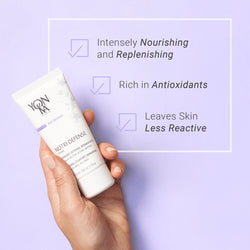
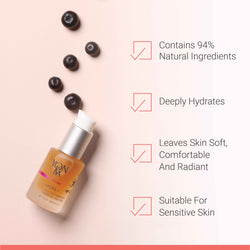
If you want to add a customized boost to your existing moisturizer, look to our Boosters collection. Booster Nutri + is a fine, aromatic oil that can be mixed into your daily cream. It contains sallow thorn, cereal germ oils, and our signature Quintessence to nourish and revitalize the look of the skin. For oily types, just two or three drops added to a lightweight moisturizer like Vital Defense can provide the perfect amount of glow.
For Targeted Clarity
When the skin feels particularly congested, our professional-heritage products focus on purifying. While not a standalone oil, Booster Pureté can be used alongside your regimen to target the look of imperfections. It utilizes the power of plants to help the skin appear clearer and more refined.
Note: When introducing a new oil or any phyto-aromatic product to your routine, we recommend performing a patch test on your inner forearm for 24 hours. While botanical oils are generally well-tolerated, it is always best to ensure compatibility with your unique skin chemistry.
Building Your Oily Skin Ritual
A face oil should not replace your entire routine; rather, it should be a deliberate step within a structured ritual. Our method emphasizes layering products to maximize their effectiveness.
Step 1: Gentle Cleansing
Start with a soap-free, pH-balanced cleanser like Gel Nettoyant. It’s a common mistake to use harsh scrubs on oily skin, but this can actually trigger more oil production. A gentle cleanse removes impurities while respecting the skin's protective barrier.
Step 2: The Phyto-Aromatic Mist
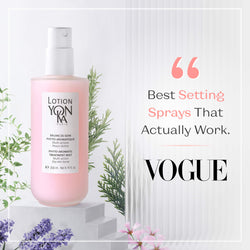
The next step is crucial for oil absorption. Mist your face with Lotion Yon-Ka PNG (formulated specifically for normal to oily skin). This alcohol-free toner contains our Quintessence and helps to "prime" the skin. Applying your face oil to slightly damp skin allows the oil to spread more evenly and absorb more efficiently.
Step 3: Targeted Treatment and Oil
This is where you apply your chosen oil or serum.
- Method A: Apply 2–3 drops of Serum Omega directly to the face and neck, pressing it gently into the skin.
- Method B: Mix a few drops of Booster Nutri + into your moisturizer in the palm of your hand before applying.
Step 4: Moisture and Protection
Follow with a lightweight, non-comedogenic moisturizer. For oily skin, our face moisturizers are an ideal place to continue your search, especially if you want a product that provides a smooth finish and helps minimize the appearance of shine throughout the day. If it is daytime, always finish with sun protection to prevent UV-induced oil oxidation.
Application Techniques for a Balanced Glow
How you apply your oil can be just as important as the oil itself. For oily skin, the goal is to enhance absorption and avoid leaving a film on the surface.
The Press and Pause Method Instead of rubbing the oil into your skin—which can sometimes stimulate more oil production and cause friction—try the "press and pause" technique. Warm 2 or 3 drops of oil between your palms. Gently press your hands onto your cheeks, then your forehead, and finally your chin and neck. The warmth of your hands helps the botanical actives penetrate the skin's surface.
Nighttime Application If you are still hesitant about using oil during the day, start by incorporating it into your evening ritual. The night is when your skin goes into "repair mode." Applying an oil like Serum Omega before bed allows your skin to soak up the nutrients without the interference of makeup or environmental pollutants. You will likely wake up with skin that looks refreshed and balanced rather than greasy.
Common Misconceptions About Oils and Sebum
There are several myths that keep people with oily skin from experiencing the benefits of botanical oils. Let's clear up some of the most common misunderstandings.
Myth: Face oils will cause breakouts. Fact: Breakouts are often caused by bacteria, hormones, and dead skin cells trapped in pores by thick or synthetic oils. Lightweight, non-comedogenic botanical oils (like those found in Yon-Ka products) can actually help keep the appearance of sebum fluid, preventing it from hardening and clogging pores.
Myth: Oily skin doesn't need hydration. Fact: Oil and water are two different things. You can have high oil levels and low water levels (dehydration). Face oils help "lock in" the water-based hydration from your mist and serum, ensuring your skin remains plump and healthy-looking.
Myth: Oils make skin look shinier. Fact: While there is an initial glow upon application, the right oil for oily skin should absorb quickly. Over time, because the skin feels properly nourished, it may actually produce less of its own oil, leading to a more balanced, demi-matte appearance.
Safety and Best Practices
While botanical oils are a gift from nature, they are potent. To get the best results, follow these simple guidelines:
- Less is more: Start with just 1 or 2 drops. You can always add more if needed, but using too much can lead to an unwanted heavy feeling.
- Introduce one at a time: When changing your skincare routine, introduce one new product every week. This allows you to monitor how your skin responds.
- A slight tingle: When using products with essential oils, a mild, fleeting tingling sensation can be normal as the botanicals begin to work. However, if you experience persistent redness, itching, or irritation, reduce the frequency of use or discontinue the product.
- Consult a professional: If you have persistent cystic acne or a diagnosed skin condition like rosacea, it is always wise to consult your physician or a dermatologist before making significant changes to your regimen.
Conclusion
The journey to balanced skin does not have to involve harsh chemicals or the complete avoidance of oils. By choosing a face oil specifically suited for oily skin—one rich in linoleic acid and supported by purifying botanicals—you can provide your complexion with the nourishment it craves while maintaining a clear, refined look. Whether you choose the lipid-restoring power of Serum Omega or the revitalizing boost of Booster Nutri +, the key is a consistent, layered ritual.
"Skincare is not just a routine; it is a moment of connection with yourself. By choosing the right botanical allies, you respect your skin's natural rhythm and reveal its inherent radiance."
If you are still unsure which face oil or booster is the best match for your unique needs, we invite you to take our Skin Type Quiz or visit a local spa using our Spa Locator to experience a professional Yon-Ka Paris treatment, where an expert esthetician can provide a personalized analysis and recommendation. You can also read How to Choose the Right Serum for Your Skin for more guidance on layering targeted treatments within your routine.
FAQ
Will using a face oil make my skin more oily?
Actually, the right botanical oil can help balance the appearance of your skin's natural oil production. By providing the skin with high-quality lipids, you may signal to your sebaceous glands that they do not need to overproduce sebum, leading to a more harmonized and less shiny-looking complexion over time.
Can I use face oil if I have acne-prone skin?
Yes, provided you choose non-comedogenic oils that are high in linoleic acid, such as grapeseed or rosehip oil. These "dry" oils are less likely to clog pores and can actually help soften the appearance of existing congestion, though you should always consult a dermatologist for severe or persistent acne. For a closer look at oily-skin support, you can also explore best products for oily skin.
Where does oil go in my skincare routine?
In the Yon-Ka ritual, oil is typically applied after your mist (Lotion Yon-Ka) and before or mixed into your moisturizer. Applying oil to slightly damp skin helps it absorb more effectively and ensures that you are locking in the hydration from the previous steps.
Should I use face oil in the morning or at night?
While you can use it both times, many people with oily skin prefer to use face oil primarily in their nighttime ritual. This allows the oil to support the skin's natural nighttime repair process without interfering with the wear of makeup or sun protection during the day.
When should I consider an eye contour product?
If your routine also needs support for tired-looking eyes, explore our eye and lip contour range for targeted care.