Table of Contents
- Introduction
- Understanding the Needs of Oily Skin
- Key Ingredients for Purifying Oily Skin
- The Role of Exfoliation in Your Masking Ritual
- Addressing Dehydrated Oily Skin
- Overnight Peels for Refined Texture
- How to Build a Masking Ritual for Oily Skin
- Safety and Best Practices
- The Professional Touch: Beyond the Home Ritual
- Common Myths About Oily Skin Masks
- Why Choose Phyto-Aromatic Skincare?
- Final Thoughts on Masking for Balance
- FAQ
Introduction
Managing oily skin often feels like a constant balancing act between achieving a healthy glow and battling midday shine. When your sebaceous glands are overactive, the resulting excess oil can lead to enlarged pores, congestion, and a heavy feeling on the skin. While daily cleansing is vital, a targeted face mask serves as a high-performance ritual that can deeply purify and rebalance the appearance of your complexion. At Yon-Ka Paris, we have spent over 70 years perfecting the art of phyto-aromatic skincare, blending the power of nature with professional expertise to address specific concerns like oiliness. In this article, we will explore the ingredients that make a mask effective for oily skin, how to incorporate these treatments into your weekly routine, and why a botanical approach is often the most sustainable way to achieve a clear, matte look.
Quick Answer: The best face masks for oily skin utilize natural clays like kaolin and bentonite to absorb excess sebum and impurities without stripping the skin barrier. Look for botanical formulations containing essential oils like lavender and thyme, or gentle chemical exfoliants like glycolic acid, which help clarify the appearance of pores and refine skin texture.
Understanding the Needs of Oily Skin
Oily skin is characterized by an overproduction of sebum, the natural oil produced by the sebaceous glands to protect and hydrate the skin. While sebum is essential for maintaining a healthy barrier, too much of it can trap dead skin cells and environmental debris, leading to a dull appearance or blemish-prone texture.
When searching for a mask, the goal is not to eliminate oil entirely—which would cause the skin to overcompensate by producing even more oil—but to regulate and rebalance it. The ideal treatment should absorb the "excess" while providing soothing benefits to prevent irritation. This is where the distinction between "stripping" and "purifying" becomes critical. Harsh, alcohol-heavy masks might offer a temporary matte finish, but they often disrupt the skin’s acid mantle, leading to long-term sensitivity. A professional-grade botanical mask, however, works in harmony with the skin's natural rhythms. For a closer look at the category itself, explore our face masks collection.
Key Ingredients for Purifying Oily Skin
To understand what face masks are good for oily skin, we must look at the specific ingredients that address the root causes of shine and congestion. Botanical science offers a wealth of land and sea plants that can effectively manage oil production. You can learn more about the plant-based approach behind these formulas on our ingredients page.
Natural Earth Clays
Clay has been used for centuries in skincare for its incredible drawing power. When applied as a mask, clay acts like a magnet, pulling out excess oil and toxins from the depths of the pores.
- Kaolin Clay: A gentle, white clay that is excellent for absorbing sebum without being overly aggressive. It helps to smooth the look of the skin and is often suitable even for those whose oily skin is also somewhat sensitive.
- Bentonite Clay: Derived from volcanic ash, this clay has a higher absorption capacity. It is particularly effective for those with very oily skin or those living in high-pollution urban environments.
- Montmorillonite: Often found in green clays, this mineral-rich ingredient is prized for its ability to revitalize the appearance of the skin while clarifying the complexion.
Botanical Essential Oils
At the heart of our formulations is the Quintessence, our proprietary complex of five essential oils: lavender, geranium, rosemary, cypress, and thyme. For oily skin, these oils provide more than just a beautiful scent; they offer functional benefits. Thyme and rosemary are known for their purifying properties, while lavender and geranium help to soothe and balance the look of the skin. This phyto-aromatic approach ensures that the mask is as effective as it is sensorial.
Alpha Hydroxy Acids (AHAs)
Ingredients like glycolic acid are excellent additions to masks for oily skin. AHAs are water-soluble acids that help to dissolve the "glue" holding dead skin cells together. By encouraging gentle exfoliation, these acids prevent the buildup that often leads to clogged pores and a rough texture.
Key Takeaway: Effective masks for oily skin should focus on mineral-rich clays for absorption and botanical extracts for balancing, rather than harsh synthetics that can trigger a rebound effect of increased oil production.
The Role of Exfoliation in Your Masking Ritual
Before applying a purifying mask, the skin must be properly prepared. One of the most effective ways to treat oily skin is through the use of a "gommage." Unlike traditional scrubs that use abrasive particles, a gommage is a grain-free botanical peel.
Gommage Yon-Ka is a unique 4-in-1 treatment that acts as both an exfoliator and a mask. It uses carob and lime essential oil to clarify the appearance of the skin while staying incredibly gentle. For those with oily skin, this product is a staple because it helps to remove the layer of dead skin cells that can prevent a subsequent clay mask from working effectively.
When you use Gommage Yon-Ka, you apply it in a thick layer, let it sit for a few minutes, and then gently buff it away with your fingertips. This process not only purifies but also helps to tighten the look of pores and brighten the appearance of a dull, oily complexion. For more context on how exfoliation supports the rest of your ritual, read our Product Spotlight: Gommage Yon-Ka.
Addressing Dehydrated Oily Skin
A common misconception is that oily skin cannot be dehydrated. In reality, skin can be high in oil (sebum) but low in water (hydration). When oily skin becomes dehydrated, it often looks "crepey" or flaky on the surface while still feeling greasy.
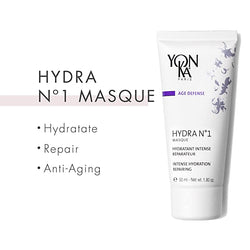
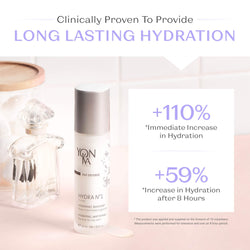
If your oily skin feels tight after washing, you may need to alternate your purifying masks with a hydrating treatment. Hydra N°1 Masque is an intense moisturizing mask that provides a "time-released" hydration boost. It is designed to repair the appearance of the skin barrier without adding heavy oils that could clog pores. Using a hydrating mask once a week can actually help to calm the sebaceous glands, as the skin no longer feels the need to produce excess sebum to compensate for a lack of moisture.
Overnight Peels for Refined Texture
For those looking to address the long-term effects of oiliness—such as uneven texture or lingering marks from past blemishes—an evening peel mask can be transformative. Glyconight 10% Masque is a high-concentration glycolic acid mask designed to be worn overnight.
This type of mask works while you sleep to encourage cell renewal. For oily skin types, it helps to keep the pore lining clear and reduces the appearance of the "orange peel" texture often associated with chronically oily skin. Because it is a "clean" formula following our strict charter, it provides professional-level results with a focus on skin health and comfort.
How to Build a Masking Ritual for Oily Skin
A face mask should not be a standalone "hack" but part of a consistent, layered ritual. To get the most out of your treatment, follow these steps:
- Cleanse: Start with a gentle cleanser like Lait Nettoyant. Even oily skin benefits from a milk cleanser, as it removes makeup and impurities without triggering excess oil production.
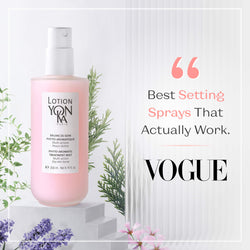
- Prep: Mist your face with Lotion Yon-Ka PNG. This phyto-aromatic mist is formulated specifically for normal to oily skin. It sanitizes the skin's surface and enhances the absorption of the mask's active ingredients.
- Exfoliate: Apply Gommage Yon-Ka to remove dead skin cells and clear the path for your mask.
- Mask: Apply your chosen mask, such as a clay formula from the oily and combination skin collection, in a visible layer. Focus on the T-zone (forehead, nose, and chin) where oil is most prominent.
- Remove & Protect: After 10–15 minutes, remove with lukewarm water. Follow with another mist of Lotion Yon-Ka and a lightweight moisturizer like Vital Defense to protect against environmental stressors.
The Art of Multi-Masking
Many people have combination skin, where the T-zone is oily, but the cheeks are dry or sensitive. In this case, "multi-masking" is the best approach. Apply a purifying clay mask to the forehead and nose, and a soothing or hydrating mask like Hydra N°1 Masque to the cheeks. This allows you to treat different concerns simultaneously without over-drying the more delicate areas of your face. For more ideas on balancing steps in a routine, see 4 Things You Should Know About Face Masks.
Safety and Best Practices
When introducing any new active product into your ritual, especially those containing essential oils or AHAs, we recommend a simple patch test. Apply a small amount of the product to your inner forearm and wait 24 hours to ensure no irritation occurs.
Note: A slight tingling sensation can be normal when using masks with high botanical activity or essential oils. This is often a sign of the ingredients "working" to stimulate the skin. However, if you experience persistent redness, burning, or itching, remove the product immediately and reduce the frequency of use.
The Professional Touch: Beyond the Home Ritual
While home masking is essential for maintenance, professional treatments offer a deeper level of purification. Our skincare professionals worldwide use specialized techniques and high-concentration formulas to perform deep-cleansing facials. If you find your oiliness difficult to manage at home, visiting a local spa for a Yon-Ka treatment can provide a "reset" for your skin. You can learn more about in-spa care on our treatments page.
Common Myths About Oily Skin Masks
There are several misconceptions that can lead to improper mask usage. Clearing these up can help you make better choices for your skin's health.
Myth: A clay mask should be left on until it is completely dry and cracking. Fact: If a clay mask cracks, it has likely begun to draw moisture away from your skin cells, which can lead to irritation and dehydration. It is best to remove the mask while it still feels slightly tacky to the touch.
Myth: Oily skin doesn't need moisturizer after masking. Fact: Skipping moisturizer can actually make your skin oilier. When the skin is stripped of moisture, it signals the sebaceous glands to produce more oil to protect the surface. Always follow a mask with a lightweight, non-comedogenic moisturizer.
Why Choose Phyto-Aromatic Skincare?
Choosing a mask from a phyto-aromatic house like ours means you are benefiting from the synergy of plants. We don't just use one "star" ingredient; we create complexes where different botanicals support one another. For example, the use of cypress in our Quintessence helps with the appearance of congestion, while lavender ensures the experience remains soothing.
Our 100% French production ensures that every bottle and tube meets the highest standards of quality (ISO 22716). We prioritize organic active ingredients and maintain a strict exclusion charter, meaning our masks for oily skin are free from parabens, phthalates, and SLS. This commitment to "clean" science ensures that your ritual is as safe as it is effective.
Final Thoughts on Masking for Balance
Finding the right face mask for oily skin is about more than just "fixing" a problem; it is about taking ten to fifteen minutes out of your week to care for yourself and your skin. By selecting masks that utilize high-quality clays, botanical mists like Lotion Yon-Ka, and gentle exfoliants like Gommage Yon-Ka, you can support your skin's natural ability to find its own balance.
Whether you are looking to refine your texture with Glyconight 10% Masque or deeply purify with a traditional clay treatment, consistency is the key to seeing a lasting difference in the appearance of your complexion. If you are unsure which specific products are right for your unique skin profile, our Skin Diagnosis quiz and Product Matcher are excellent tools to help you build a personalized routine.
At Yon-Ka Paris, we believe that skincare is a ritual worth savoring. Our heritage is rooted in the belief that nature holds the key to radiant, healthy-looking skin, and we invite you to experience the transformative power of our phyto-aromatic formulas.
Bottom line: For oily skin, the best masks are those that purify through natural clays and botanical extracts, used as part of a consistent ritual that respects the skin's moisture balance.
FAQ
How often should I use a face mask for oily skin?
For most people with oily skin, using a purifying mask 1 to 2 times per week is ideal. Over-masking can lead to dryness and irritation, which might actually trigger more oil production. Always listen to your skin and adjust the frequency based on its current needs and the season. If you want to compare options, browse the face masks collection.
Can I use a clay mask if I have acne?
Yes, clay masks are often very beneficial for acne-prone skin as they help to draw out the impurities and excess sebum that contribute to breakouts. However, if you have active, inflamed cystic acne, it is important to be very gentle and avoid scrubbing the mask off. Consult a dermatologist if your acne is persistent or painful, and consider exploring our blemish-focused collection.
Should I apply my mask to a wet or dry face?
Generally, masks should be applied to clean, dry skin to ensure the active ingredients can make direct contact with the surface. However, misting with a toner like Lotion Yon-Ka just before application can slightly dampen the skin and help the mask spread more evenly without diluting its effectiveness.
Why does my skin feel oily again just a few hours after masking?
This could be due to "rebound oiliness" if the mask was too harsh or if you failed to moisturize afterward. It can also be a result of environmental factors like high humidity. Ensure you are using a balanced ritual—cleansing, toning, masking, and moisturizing—to keep your skin's oil production stable throughout the day. If dehydration is part of the issue, a richer option from the face moisturizers collection can help support balance.