Table of Contents
- Introduction
- Understanding the Difference Between Dry and Dehydrated Skin
- Key Ingredients to Look for in a Dry Skin Mask
- How Phyto-Aromatic Care Elevates Your Ritual
- Top Recommended Masks for Dry and Thirsty Skin
- The Ritual: How to Maximize Your Mask's Benefits
- Common Mistakes When Masking for Dryness
- Beyond the Mask: Daily Support for Dry Skin
- Building Your Yon-Ka Routine
- Conclusion
- FAQ
Introduction
Few things are as uncomfortable as the sensation of tight, parched skin that seems to "drink up" moisturizer without ever feeling truly satisfied. When your complexion feels rough to the touch or looks dull in the mirror, it is a signal that your moisture barrier is calling for a deeper level of intervention. While daily creams are essential, a targeted treatment can provide the concentrated boost needed to restore a supple, bouncy appearance.
At Yon-Ka Paris, we understand that addressing dryness requires a sophisticated blend of plant-based science and professional-grade hydration. Finding what face mask is good for dry skin depends on understanding whether your skin lacks oil, water, or a combination of both. By incorporating the right phyto-aromatic ritual, you can transform a routine chore into a sensorial escape that leaves your skin feeling profoundly comforted. This article will explore the science of skin hydration, the best ingredients for thirsty complexions, and the professional rituals that deliver lasting results.
Understanding the Difference Between Dry and Dehydrated Skin
Before selecting a treatment, it is vital to identify the specific needs of your skin. Although the terms are often used interchangeably, "dry" and "dehydrated" refer to two distinct conditions that require different approaches to masking.
Dry skin is a skin type characterized by a lack of natural oils (lipids). Because the skin does not produce enough sebum, the moisture barrier becomes porous, allowing internal hydration to escape and external irritants to enter. This skin type often feels rough, flaky, or itchy and rarely experiences breakouts or visible pores.
Dehydrated skin, on the other hand, is a temporary condition that can affect any skin type, including oily skin. It is caused by a lack of water in the upper layers of the epidermis. Dehydrated skin often looks dull, feels tight after cleansing, and may show fine "dehydration lines" that disappear once moisture is restored.
Quick Answer: The best face mask for dry skin is a cream-based formula rich in both humectants (water-binders) and emollients (skin-smoothers). Look for ingredients like hyaluronic acid, aloe vera, and plant oils to replenish both water and lipids while repairing the skin's protective barrier.
If you want to narrow your choices quickly, start with our face mask collection and look for formulas designed to comfort and restore dry, dehydrated skin.
Key Ingredients to Look for in a Dry Skin Mask
When scanning a label to determine what face mask is good for dry skin, you should prioritize ingredients that perform three main functions: attracting water, smoothing the surface, and sealing everything in.
Humectants: The Water Magnets
Humectants are substances that attract water from the atmosphere or the deeper layers of the skin and "lock" it into the surface.
- Hyaluronic Acid: A sugar molecule naturally found in our skin that can hold up to 1,000 times its weight in water. It provides an immediate "plumping" effect to the appearance of the skin.
- Vegetable Glycerin: A classic, high-performance humectant that helps maintain the skin’s moisture balance and softness.
- Aloe Vera: Known for its cooling properties, aloe is also a powerful hydrator that delivers vitamins and minerals to parched cells.
Emollients and Occlusives: The Barrier Builders
For those with true dry skin (lacking oil), humectants alone are not enough. You also need lipids to fill the gaps between skin cells.
- Shea Butter: A rich, plant-based fat that provides intense nourishment and creates a protective seal on the skin.
- Jojoba Oil: This oil closely mimics human sebum, making it highly compatible with the skin’s natural chemistry. It helps to soften the appearance of rough patches.
- Vitamin E (Tocopherol): A potent antioxidant that helps protect the skin barrier from environmental stressors while providing soothing benefits.
Soothing Botanicals
Dryness often comes with a side of sensitivity. Ingredients like Bisabolol (derived from chamomile) or Vitamin B5 (Panthenol) can help soothe the look of redness and reduce the feeling of discomfort associated with environmental exposure.
For more on the philosophy behind these ingredient choices, see our ingredients page.
How Phyto-Aromatic Care Elevates Your Ritual
Our approach to skincare is rooted in the synergy of four plant sciences: aromatherapy, aromachology, phytotherapy, and marine biology. For dry skin, this means we do not just rely on synthetic moisture; we utilize the life force of plants to revitalize the skin's appearance.
The foundation of our formulas is the Yon-Ka Quintessence. This exclusive complex consists of five essential oils: lavender, geranium, rosemary, cypress, and thyme. These oils are not just for fragrance; they are 100% active and work to balance and revitalize the skin.
- Lavender: Known for its soothing and repairing properties.
- Geranium: Helps to balance and provide a healthy-looking glow.
- Rosemary: Provides revitalizing and firming benefits.
- Cypress: Known for its toning and refreshing qualities.
- Thyme: Offers purifying and stimulating properties.
By combining these essential oils with high-performance actives like hyaluronic acid, our masks provide a multi-sensorial experience that supports both the skin and the spirit.
If you are curious about the heritage behind this approach, explore our brand story and our formulas.
Top Recommended Masks for Dry and Thirsty Skin
If you are wondering what face mask is good for dry skin specifically within our range, we recommend looking toward our Hydra n°1 and Age Exception collections. These formulas were born in the professional treatment room to address the most demanding skin concerns.
Hydra n°1 Masque: The Intense Repairer
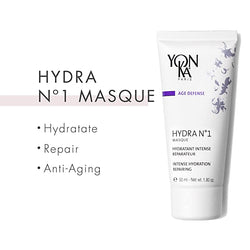
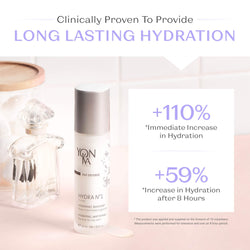
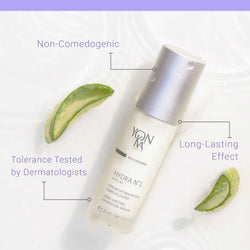
This is our "emergency" treatment for extremely dry or dehydrated skin. Hydra n°1 Masque is a gel-cream formula designed to provide an immediate surge of moisture. It features two types of hyaluronic acid along with aloe vera and vegetable glycerin to bind water, while jojoba and silicon-rich extracts help to repair the skin barrier.
This mask is incredibly versatile; it can be used as a 10-minute "flash" treatment or applied in a thin layer and left on overnight for deep restoration. It helps to significantly reduce the appearance of dehydration lines and leaves the skin feeling exceptionally soft.
For more targeted hydration support, you can also explore our face moisturizers.
Excellence Code Masque: For Mature, Dry Skin
As we age, the skin's ability to retain moisture and produce lipids decreases significantly. Excellence Code Masque is specifically formulated for mature skin that feels dry and looks tired. It utilizes nutgrass, sweet almond proteins, and marine collagen to address firmness and radiance while providing deep nourishment. It is the ultimate choice for those seeking a more global anti-aging effect alongside intense hydration.
Glyconight 10% Masque: For Dull, Dry Skin
Sometimes, dry skin looks dull because dead skin cells are trapped on the surface, preventing your moisturizer from absorbing correctly. Glyconight 10% Masque is a nighttime peeling mask that uses 10% pure glycolic acid to gently dissolve these cells. While "acid" might sound intimidating for dry skin, this formula is balanced with organic apricot kernel oil and the Quintessence to ensure the skin feels smooth and nourished, never stripped.
If dullness is your main concern, a hydrating treatment from our dull skin solutions can help guide you to the right texture and level of exfoliation.
Note: When introducing a new product with active ingredients or essential oils, we always recommend a patch test. Apply a small amount to your inner forearm and wait 24 hours to ensure your skin is comfortable with the formula. A slight, fleeting tingling sensation can be normal, but persistent redness means you should reduce frequency.
The Ritual: How to Maximize Your Mask's Benefits
Applying a mask is not just about the product itself; it is about the technique. To get the most out of your treatment, follow our professional ritual method.
Step 1: Prepare with a Gentle Cleanse
Never apply a hydrating mask over makeup or daily pollutants. Use a barrier-respecting cleanser like Lait Nettoyant. This cleansing milk gently removes impurities without stripping the skin of its precious natural oils, which is a critical first step for dry skin types.
Start your ritual with our face cleansers and makeup removers.
Step 2: The Power of the Mist
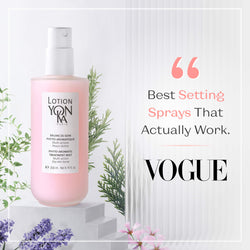
After cleansing, mist your face with Lotion Yon-Ka PS. This is our signature phyto-aromatic mist specifically formulated for dry and sensitive skin. It does not contain drying alcohol. Instead, it is infused with our Quintessence essential oils to prepare the skin and enhance the absorption of the mask. Applying your mask to slightly damp skin allows the humectants to bind that moisture immediately.
Step 3: Layer Your Targeted Treatment
If your skin is exceptionally dry, you can "boost" your mask. Apply a few drops of Nutri + Booster or Serum Omega to your face before applying the mask. Serum Omega is a lipid-restoring oil-in-serum that provides the essential fatty acids (Omegas 3, 6, and 9) that dry skin often lacks.
For a more focused reset, you can also use our skin diagnosis quiz to find the best routine for your skin.
Step 4: Apply and Savor
Apply a generous layer of your chosen mask—like Hydra n°1 Masque—to the face, neck, and décolleté. Take a moment to breathe in the aromatic scent of the essential oils. This is the "aromachology" aspect of our care, designed to promote a sense of well-being.
Step 5: Seal the Results
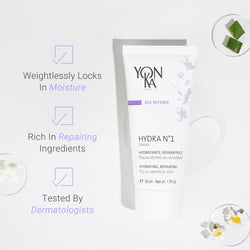
After removing the mask (or leaving it on if it is an overnight formula), always follow with a moisturizer. For dry skin, Hydra n°1 Crème is an excellent choice. It acts as a protective shield, sealing in the active ingredients of the mask and preventing transepidermal water loss (TEWL).
If you want a personalized follow-up step, our Product Matcher can help you build a routine around this treatment.
Common Mistakes When Masking for Dryness
Even the best mask can underperform if used incorrectly. Here are a few common pitfalls to avoid:
- Using Clay Masks Too Often: While clay is great for purifying pores, it can be too aggressive for dry skin as it absorbs oil. If you have combination skin, only use clay on your oily T-zone and keep a hydrating cream mask on your cheeks.
- Using Water That Is Too Hot: Rinsing your face with hot water can damage the skin's lipid barrier and exacerbate dryness. Always use lukewarm or cool water.
- Skipping the Exfoliation Step: If you have a layer of dry, flaky skin on the surface, your mask cannot penetrate effectively. Use a gentle, grain-free exfoliator like Gommage Yon-Ka once or twice a week to clear the path for hydration.
- Not Masking Frequently Enough: During harsh winter months or after long-haul flights, once a week may not be sufficient. Listen to your skin; if it feels tight, it is time for a treatment.
Key Takeaway: Hydrating masks work by creating a temporary "occlusive" environment that forces moisture into the skin. To maintain these results, you must seal the treatment with a moisturizer to prevent the water from evaporating back into the air.
Beyond the Mask: Daily Support for Dry Skin
While masks provide a concentrated boost, the overall health of your skin depends on your daily habits.
Watch Your Environment Central heating and air conditioning strip moisture from the air. Consider using a humidifier in your bedroom at night to keep the environment supportive of your skin barrier.
Dietary Hydration While topical products are essential, staying hydrated from the inside out supports overall skin health. Focus on a diet rich in healthy fats, such as avocados, walnuts, and fatty fish, which provide the building blocks for a strong skin barrier.
The Role of Professional Care Sometimes, the skin needs a "reset" that only a professional can provide. We recommend visiting a local spa to find a deep hydration treatment through our Spa Locator. Our professional-only formulas and specialized massage techniques can reach levels of hydration that are difficult to achieve at home alone.
If you are interested in treatment-room care, take a look at our spa treatments.
Building Your Yon-Ka Routine
If you are still unsure which path to take, we recommend using our Skin Diagnosis quiz or the Product Matcher tool on our website. These tools analyze your specific concerns and provide a tailored program of products designed to work in harmony.
Consistency is the secret to a radiant complexion. By layering gentle cleansing, aromatic toning, and deep-conditioning masks, you are not just treating symptoms; you are supporting the long-term resilience of your skin.
Bottom line: What face mask is good for dry skin is ultimately the one you enjoy using consistently, as it provides the humectants and lipids necessary to stop the cycle of dehydration and tightness.
Conclusion
Dry skin is a message from your body asking for nourishment and protection. By choosing a mask formulated with high-quality humectants like hyaluronic acid and nutrient-dense plant oils, you can effectively restore the appearance of a youthful, dewy glow. Whether you reach for the intensive repair of Hydra n°1 Masque or the sophisticated revitalization of Excellence Code Masque, your skincare should be a moment of indulgence that yields visible results.
The Yon-Ka Paris philosophy has always been about more than just surface-level care. For over 70 years, we have remained committed to the belief that skincare is a vital ritual—a fusion of nature’s power and scientific rigor that respects the delicate balance of your skin. By making a hydrating mask a cornerstone of your weekly routine, you are investing in a future of soft, comfortable, and radiant-looking skin.
Take the next step in your skincare journey by exploring our Intensive collection or finding a spa professional to experience a personalized phyto-aromatic treatment.
FAQ
How often should I use a face mask if I have very dry skin?
For most dry or dehydrated skin types, we recommend using a hydrating mask two to three times per week. During periods of extreme cold, high stress, or travel, you can safely use a gentle cream mask like Hydra n°1 Masque every other night or even as an overnight treatment to maintain the moisture barrier.
Can I leave a hydrating mask on overnight?
Yes, many cream-based hydrating masks are designed to be multi-functional. If your skin is extremely parched, applying a thin layer of a non-setting mask—such as Hydra n°1 Masque—in place of your night cream can provide an intensive moisture boost while you sleep, allowing the ingredients to absorb deeply.
Should I exfoliate before applying a mask for dry skin?
Exfoliation is highly recommended as it removes the "barrier" of dead skin cells that can prevent mask ingredients from absorbing. However, dry skin requires a gentle touch; use a grain-free exfoliator like Gommage Yon-Ka once a week to polish the skin surface without causing irritation or micro-tears.
Why does my skin feel dry again shortly after using a mask?
This often happens if the hydration is not "sealed" into the skin. After you rinse or blot off your mask, you must immediately apply a moisturizer like Hydra n°1 Crème to create an occlusive barrier that prevents transepidermal water loss and keeps the hydration locked in place.