Table of Contents
- Introduction
- The Primary Visual Indicators of Oily Skin
- How Oily Skin Feels and Behaves
- Oily Skin vs. Dehydrated Skin: The Great Confusion
- Understanding the Causes of Excess Oil
- Addressing Oily Skin with a Phyto-Aromatic Ritual
- Key Ingredients for a Balanced Appearance
- Professional Care and Consistency
- Beyond the Mirror: Holistic Habits
- Conclusion
- FAQ
Introduction
Finding the right balance for your complexion starts with a clear understanding of your skin type. If you have ever looked in the mirror at midday and noticed a persistent shine that reflects the light, or if you find that your makeup seems to "slide" off by the afternoon, you are likely dealing with an overproduction of sebum. At Yon-Ka Paris, we believe that identifying these visual cues is the foundation of a successful phyto-aromatic ritual. Oily skin is a common concern that transcends age, but it requires a specific approach to maintain clarity and comfort without stripping the skin of its essential moisture. This article will help you recognize the distinct characteristics of oily skin and provide professional insights on how to support a balanced, healthy-looking complexion.
The Primary Visual Indicators of Oily Skin
When we ask what oily skin looks like on the face, the answer usually begins with a characteristic luster. Unlike the soft, lit-from-within glow of healthy hydration, oily skin often displays a heavy, wet-looking shine. This shine is typically most prominent in the T-zone, which includes the forehead, nose, and chin, but for those with truly oily skin, it can extend to the cheeks and hairline.
Persistent Midday Shine
One of the most telling signs of oily skin is how quickly it changes throughout the day. You may leave the house with a matte appearance, only to find a noticeable film of oil on your forehead by lunch. This is caused by the sebaceous glands working overtime. If you can press a clean tissue to your face and see translucent spots of oil left behind on multiple areas of the face, your skin is likely in the oily category.
Enlarged, Visible Pores
Because oily skin produces more sebum (the skin’s natural oil), the pores must expand to allow that oil to reach the surface. This often results in pores that look larger and more "open," particularly on the nose and the inner parts of the cheeks. In some cases, the skin might take on a texture often described as an "orange peel," where the surface appears slightly pitted or thickened due to the size of the pores.
Presence of Congestion and Blemishes
Oily skin is more prone to congestion because the excess oil can easily mix with dead skin cells, trapping them inside the pore. This leads to the appearance of various types of blemishes:
- Blackheads (Open Comedones): These appear as tiny dark dots, usually on the nose or chin, where the oil has oxidized upon contact with the air.
- Whiteheads (Closed Comedones): These are small, flesh-colored or white bumps where the pore is completely blocked.
- Occasional Breakouts: While not everyone with oily skin has acne, the two often go hand-in-hand because the oily environment is where certain bacteria thrive.
How Oily Skin Feels and Behaves
While visual cues are important, the way your skin feels to the touch and how it reacts to products provides additional clues. Oily skin has a unique set of sensory characteristics that differentiate it from dry or combination types.
Quick Answer: Oily skin typically looks shiny or greasy, especially in the T-zone, and features enlarged pores, a thickened texture, and a tendency toward blackheads and breakouts. It often feels "heavy" or "slick" to the touch and can cause makeup to shift or disappear within hours of application.
Thickened Skin Texture
Oily skin often feels thicker and more resilient than dry skin. This is partly due to the protective nature of sebum, which can make the skin feel slightly "padded." While this thickness can actually be a benefit—oily skin often shows signs of aging, like fine lines, later than dry skin—it can also make the complexion look dull if dead skin cells are not regularly and gently removed.
The "Slick" Sensation
If you run a finger across your cheek or forehead, oily skin will feel slippery or slick rather than smooth and velvety. You may also notice that your skin feels "dirty" even if you haven't been outside or wearing makeup, as the oil traps environmental pollutants and dust on the surface of the face.
Makeup Longevity Issues
The way your cosmetics behave is a major diagnostic tool. If you find that foundation separates, settles into pores, or completely disappears by the early afternoon, your skin’s natural oils are likely breaking down the formula. Eye makeup may also smudge or crease more easily on oily eyelids.
Oily Skin vs. Dehydrated Skin: The Great Confusion
One of the most frequent misconceptions we encounter is the belief that oily skin cannot be dehydrated. In reality, "oily" refers to a skin type (excess oil), while "dehydrated" refers to a skin condition (lack of water). It is entirely possible—and actually quite common—for the face to look oily while feeling tight or uncomfortable.
Myth: If my skin is oily, I don't need a moisturizer.
Fact: Skipping moisturizer can actually make oily skin worse. When skin lacks water, it may produce even more oil to compensate for the perceived dryness, leading to a cycle of greasiness and dehydration.
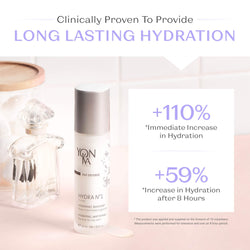
When oily skin is dehydrated, it may look shiny on the surface but also show fine, crepey lines when you smile or move your facial muscles. It might even feel "tight" after cleansing. This is why a ritual that focuses solely on "stripping" the oil is often counterproductive. Instead, the goal is to provide weightless hydration with products like Hydra N°1 Fluid, which supports the skin’s moisture barrier without adding a heavy or greasy feel.
Understanding the Causes of Excess Oil
To manage the appearance of oily skin, it helps to understand why the sebaceous glands are overactive. While you cannot change your skin type, knowing the triggers can help you adapt your ritual.
- Genetics: If your parents had oily skin, you are more likely to have it as well. This is simply the way your body is programmed to function.
- Hormonal Fluctuations: Androgens (male hormones that are present in both men and women) are the primary drivers of oil production. Puberty, menstrual cycles, and even stress can cause these hormones to spike, leading to a shinier face.
- Environment: High humidity and hot weather can stimulate the sebaceous glands, making oily skin look much more pronounced during the summer months.
- Over-Cleansing: Using harsh, drying soaps or alcohol-based toners can strip the skin of its natural defense. In response, your skin may go into "panic mode" and produce even more oil to protect itself.
Addressing Oily Skin with a Phyto-Aromatic Ritual
At Yon-Ka, we approach oily skin not by fighting against it, but by bringing it back into a state of harmony. Our philosophy is rooted in the professional spa experience, where we prioritize gentle, effective botanicals over aggressive chemicals.
Step 1: Gentle, Effective Cleansing
The first step in managing what oily skin looks like is a proper cleanse. Rather than using a harsh detergent that leaves the skin squeaky clean (a sign of a compromised barrier), we recommend a purifying gel like Gel Nettoyant. For those who prefer a milky texture, Lait Nettoyant is also an excellent choice, as it removes impurities and makeup without any greasy residue.
Step 2: The Power of the Mist
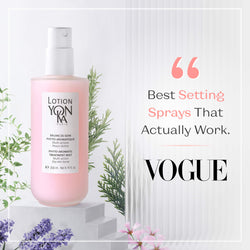
A signature step in every Yon-Ka ritual is the application of our phyto-aromatic mist. For oily skin, Lotion Yon-Ka PNG is essential. This alcohol-free mist features our iconic Quintessence—a proprietary blend of lavender, geranium, rosemary, cypress, and thyme essential oils. This mist helps to refine the appearance of pores and balance the complexion, leaving the skin feeling refreshed and ready for subsequent treatments.
Step 3: Targeted Treatment and Exfoliation
Because oily skin is prone to a thickened texture and congestion, gentle exfoliation is vital. Gommage Yon-Ka is a botanical, grain-free peel that is incredibly gentle. Additionally, a purifying mask like Masque 103, which contains three types of clay, can be used weekly to absorb excess sebum and tighten the look of pores.
Step 4: Balancing Moisture
The final step is to provide the skin with the right kind of moisture. Crème PG is a long-standing favorite for those with oily skin, as it helps to regulate the appearance of shine throughout the day. If you are looking for a blurring effect and a matte finish, Nude Perfect Fluide is a multi-purpose product that acts as a treatment and a primer, minimizing the look of pores and imperfections instantly.
Note: When introducing new botanical products into your routine, we always recommend a patch test. Apply a small amount to your inner forearm and wait 24 hours to ensure your skin welcomes the new essential oils and plant extracts.
Key Ingredients for a Balanced Appearance
When selecting products for oily skin, look for ingredients that offer "purifying" and "balancing" benefits. In the world of Yon-Ka, we harness the power of nature to achieve these results.
- Clay (Kaolin and Bentonite): These natural minerals are excellent for absorbing surface oils and drawing out impurities from the pores.
- AHA (Alpha Hydroxy Acids): Ingredients like lactic acid or glycolic acid, found in our Glyconight 10% Masque, help to gently dissolve the "glue" holding dead skin cells together, promoting a smoother, clearer complexion.
- Burdock Root: Known for its purifying properties, it is a staple in products designed for blemish-prone and oily skin.
- The Quintessence: Our blend of five essential oils provides more than just a beautiful scent. Rosemary is revitalizing, lavender is soothing, and geranium helps to balance the skin's appearance.
Key Takeaway: The goal for oily skin is not to eliminate oil entirely, but to manage it. A ritual that includes gentle cleansing, botanical toning, and weightless hydration will help achieve a healthy, matte look without causing dehydration or irritation.
Professional Care and Consistency
While a home ritual is the backbone of skin health, professional treatments can take your results to the next level. If you find that your oily skin is particularly stubborn or prone to deep congestion, visiting a professional esthetician can provide clarity. Yon-Ka treatments often include professional-only techniques such as deep pore cleansing and the application of concentrated botanical serums that are customized to your skin's specific needs. You can find a certified professional near you by using our Spa Locator.
Consistency is truly the secret to managing oily skin. Because the skin’s natural cycle takes approximately 28 days, it may take a few weeks to see the full benefits of a new ritual. As your skin finds its balance, you will likely notice that the midday shine becomes more manageable, your pores look more refined, and your complexion takes on a clearer, more even tone.
Beyond the Mirror: Holistic Habits
In addition to your topical products, consider how your lifestyle might be impacting the look of your skin. While "what oily skin looks like on the face" is a physical observation, its causes are often internal.
- Hydration: Drinking plenty of water helps maintain your body's overall hydration levels, which can indirectly support your skin's moisture balance.
- Diet: Some people find that high-glycemic foods or dairy can trigger an increase in oil production. While this varies from person to person, paying attention to how your skin reacts to certain foods can be helpful.
- Clean Surfaces: Because oil traps bacteria, it is important to keep things that touch your face clean. This includes your phone screen, pillowcases, and makeup brushes.
- Stress Management: Since stress hormones can trigger oil production, practicing relaxation techniques can have a positive effect on your skin's appearance.
Conclusion
Understanding what oily skin looks like on the face is the first step in a journey toward a more balanced and comfortable complexion. By recognizing the signs—such as persistent shine, enlarged pores, and a thickened texture—you can move away from aggressive, stripping products and toward a ritual that honors your skin's natural needs. Oily skin is a testament to the skin's ability to protect itself, and with the right botanical support, that protection can translate into a radiant, healthy-looking glow rather than a greasy shine.
At Yon-Ka Paris, we have spent 70 years perfecting the art of phyto-aromatic skincare. Our formulas are designed to work in harmony with your skin, using the highest quality plant extracts and essential oils to produce visible, lasting results. We believe that skincare is more than just a routine; it is a moment of self-care that should be savored every day.
- Identify your skin's unique needs with a focus on T-zone shine and pore size.
- Prioritize gentle cleansing and alcohol-free toning to avoid the "rebound" oil effect.
- Incorporate weekly purification with clay-based masks and grain-free exfoliants.
- Choose weightless, balancing moisturizers to maintain hydration and a matte finish.
"Skincare is a ritual worth savoring, built on the power of plants and decades of expertise. When we treat our skin with respect and patience, it rewards us with balance and beauty."
If you are unsure which products are right for your specific version of oily skin, we invite you to take our skin type quiz or use the Product Matcher on our website. For a more personalized experience, exploring our collections or finding a local spa for a professional treatment can provide the targeted results you desire.
FAQ
Is oily skin a bad thing?
Not at all; oily skin has several benefits, including a natural moisture barrier that often keeps the skin looking younger for longer. The goal isn't to get rid of the oil, but to balance its appearance so you can enjoy a healthy glow without the heaviness or congestion.
Why is my skin suddenly becoming oily?
Sudden changes in oil production are often linked to hormonal shifts, increased stress levels, or environmental changes like a move to a more humid climate. It can also be a reaction to using products that are too harsh, causing the skin to overproduce oil in an attempt to protect itself.
Can I use face oils if I have oily skin?
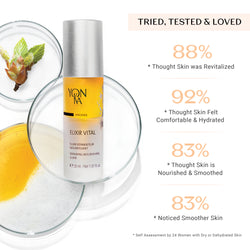
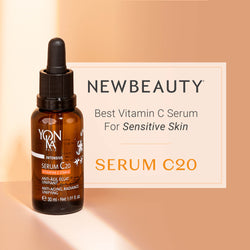
Yes, but the type of oil matters immensely. Lightweight, non-comedogenic oils (oils that don't clog pores) like those found in our Serum C20 or specific botanical elixirs can actually help balance the skin's appearance, though most people with oily skin prefer water-based serums or light fluids for daily wear.
How often should I wash my face if it’s very oily?
You should stick to washing your face twice a day—once in the morning and once at night. Over-washing can strip the skin and trigger even more oil production; if you need a refresh during the day, a light misting of Lotion Yon-Ka PNG or using an oil-blotting paper is a better alternative than a full cleanse.