Table of Contents
- Introduction
- Visual Signatures of a Dry Complexion
- How Dryness Varies Across Skin Tones
- Dry Skin vs. Dehydrated Skin: A Crucial Distinction
- Common Causes Behind the Dry Appearance
- The Phyto-Aromatic Approach to Restoring Comfort
- Building a Ritual to Address Dryness
- Addressing Common "Dry Spots"
- Lifestyle Habits for a Radiant Complexion
- Professional Care for Dry Skin
- Conclusion
- FAQ
Introduction
Waking up to a complexion that feels tight, parched, or noticeably rough can be more than just a morning inconvenience; it is often the skin’s way of signaling a need for deeper nourishment. While we all strive for that healthy, dewy glow, various factors can lead to a surface that looks dull and feels uncomfortable. Understanding exactly what dry skin on your face looks like is the first step toward transforming your daily routine into a restorative ritual.
At Yon-Ka Paris, we have spent over 70 years perfecting the art of phyto-aromatic skincare to address these specific concerns. This post will explore the visible signatures of dryness, the biological reasons your skin may be losing its luster, and how to distinguish between a lack of oil and a lack of water. By recognizing these signs, you can better select the botanical treatments and professional-grade formulas needed to restore your skin's natural suppleness and radiance.
Visual Signatures of a Dry Complexion
Identifying dry skin goes beyond the physical sensation of tightness after cleansing. To truly understand its needs, we must look at how it manifests on the surface. Dry skin, known clinically as xerosis, occurs when the skin lacks sufficient lipids—the natural oils that keep the barrier intact and the surface smooth.
Quick Answer: Dry skin on the face typically looks matte and dull, often featuring fine white flakes, nearly invisible pores, and a texture that may appear crinkled or "papery." Depending on your skin tone, it may manifest as red, irritated patches or an ashy, grayish hue.
Dullness and Lack of Natural Radiance
One of the most immediate visual indicators of dry skin is a lack of "glow." Healthy skin has a smooth surface that reflects light evenly, giving it a luminous appearance. When skin is dry, the cell turnover process slows down, leading to a buildup of dead skin cells. These cells sit unevenly on the surface, scattering light rather than reflecting it. This creates a matte, flat, or "tired" look that even the best makeup struggle to hide.
Fine Flaking and Powdery Texture
Unlike the larger, oily scales sometimes seen with certain skin conditions, dry skin flaking is usually fine and delicate. You might notice a white, powdery residue when you rub your skin or see small flakes around the eyebrows, the corners of the mouth, or the sides of the nose. These flakes are essentially clusters of skin cells that have detached from the skin’s surface because there aren't enough lipids to hold them in place.
The Appearance of "Etched" Fine Lines
Dry skin often looks older than it truly is because of "dryness lines." These are not the same as deep structural wrinkles caused by aging or sun damage. Instead, they look like a network of fine, shallow etchings that appear when the skin is stretched or when you smile. This is often referred to as a "crepey" or "parchment paper" texture. Because the skin is stiff and lacks flexibility, these lines become more prominent, especially in the delicate area under the eyes.
Invisible Pores and a Matte Finish
While those with oily skin may struggle with enlarged, visible pores, dry skin types often have pores so small they are nearly invisible. Because the sebaceous glands are underactive, there is very little oil flowing through the pores to keep them open or lubricated. While this might sound desirable, it often accompanies a surface that feels perpetually "too small" for the face.
How Dryness Varies Across Skin Tones
It is important to recognize that dry skin does not look the same on everyone. The manifestation of dryness is heavily influenced by your natural skin pigment and the underlying vascular structure.
- On Fair to Medium Tones: Dryness often appears as pink or red patches. This is because a dry, compromised barrier is more susceptible to irritation, which triggers an inflammatory response. The skin may look "chapped" or raw, particularly on the cheeks and around the nostrils.
- On Deeper Skin Tones: Dryness frequently presents as an "ashy" or grayish appearance. When dead skin cells accumulate on darker skin, they can create a cloudy, opaque layer that masks the richness of the natural pigment. Flaking may appear more prominent as white or silver-toned specks against the darker background.
Dry Skin vs. Dehydrated Skin: A Crucial Distinction
A common mistake in skincare is treating dry skin and dehydrated skin the same way. However, one is a skin type, and the other is a temporary condition. Knowing the difference is essential for choosing the right Yon-Ka ritual.
| Feature | Dry Skin (Skin Type) | Dehydrated Skin (Condition) |
|---|---|---|
| What's Missing | Lipids and Sebum (Oils) | Water (Hydration) |
| Pore Size | Nearly invisible | Can be large or small |
| Feel | Rough, "stiff," or itchy | Tight, but may still feel oily |
| Visual Signs | Flaking, redness, ashy look | Fine horizontal lines, dullness |
| Pinch Test | Skin feels thick or dry | Skin shows "crinkles" when pinched |
Dry skin is a genetic trait where your skin naturally produces less oil. This skin type needs "occlusive" and "emollient" ingredients—substances that provide oil and seal the barrier. Dehydrated skin is caused by external factors like weather, diet, or caffeine, and it lacks water. It needs "humectants"—ingredients that draw water into the skin.
Common Causes Behind the Dry Appearance
To address the look of dry skin, we must understand why the moisture barrier is failing. Our skin's barrier, or the stratum corneum, acts like a brick-and-mortar structure. The skin cells are the bricks, and the lipids (ceramides, cholesterol, and fatty acids) are the mortar. When the mortar is missing, the structure crumbles.
Lipid Depletion and Aging
As we age, our sebaceous glands become less active. This is particularly true during and after menopause, as dropping estrogen levels lead to a significant decrease in sebum production. Without these natural oils, the skin loses its ability to stay lubricated, leading to the "parchment" look often seen in mature complexions.
Environmental Stressors
External factors are often the biggest thieves of skin moisture. In the winter, cold air holds very little moisture. Indoors, central heating further dries the air, leading to "Transepidermal Water Loss" (TEWL). This is the process where water literally evaporates out of your skin into the dry environment. Similarly, frequent exposure to wind can "windburn" the skin, stripping away the delicate lipid layer and leaving it looking red and scaly.
Harsh Cleansing Habits
Many people inadvertently cause their skin to look dry by using the wrong products. Foaming cleansers that contain harsh sulfates (like SLS) can strip away the acid mantle—the skin’s natural protective film. If your face feels "squeaky clean" or tight immediately after washing, your cleanser may be too aggressive, leading to a damaged barrier and a flaky appearance over time.
The Phyto-Aromatic Approach to Restoring Comfort
At the heart of our philosophy is the fusion of pharmaceutical rigor and botanical power. We believe that addressing dry skin requires more than just a heavy cream; it requires a balanced approach that respects the skin’s delicate ecosystem.
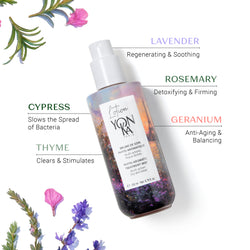
The cornerstone of our brand is the Quintessence, an exclusive complex of five essential oils: lavender, geranium, rosemary, cypress, and thyme. This 100% natural and active complex is the foundation of nearly all our formulas. For dry skin, the Quintessence works to revitalize the complexion and enhance the absorption of the nourishing plant oils and extracts that follow.
By utilizing aromachology—the study of the influence of scents on human behavior—we ensure that our rituals do more than just treat the surface. The calming and uplifting scents of our botanical blends help reduce the stress that can often exacerbate skin sensitivities.
Building a Ritual to Address Dryness
When skin looks dry and dull, the goal is to repair the barrier and replenish lost lipids through a consistent, layered ritual. This is the hallmark of the professional spa expertise we have shared for decades.
Step 1: Barrier-Respecting Cleansing
The first step in any routine for dry skin must be a gentle, non-stripping cleanse. Avoid hot water, which can further dissolve the skin's natural oils. Instead, use lukewarm water and a creamy cleanser.
Lait Nettoyant is our iconic cleansing milk. It is designed to respect the skin’s pH and lipid balance while thoroughly removing makeup and pollutants. Unlike foaming gels, this milk leaves a soft, protective veil on the skin, ensuring that your cleansing step is the beginning of your hydration process, not the end of it.
Step 2: The Essential Phyto-Aromatic Mist
A mistake many make is applying moisturizer to bone-dry skin. To maximize absorption, the skin should be slightly damp.
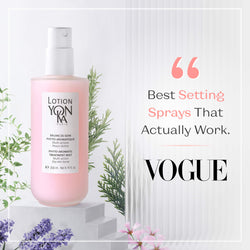
Lotion Yon-Ka PS is our signature phyto-aromatic mist. This alcohol-free toner is infused with the Quintessence to soothe the redness often seen in dry complexions. It prepares the skin to drink in the subsequent treatments, acting as a "conductor" for the active ingredients that follow.
Step 3: Targeted Lipid Replenishment
For skin that looks visibly "crinkled" or ashy, a concentrated oil or booster can provide immediate relief and a surge of nourishment.
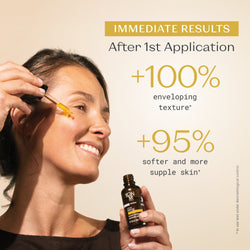
- Nutri + Booster: This nourishing face oil is a lifeline for dry skin. It contains antioxidant-rich cereal germ oils and vitamins E and F. We recommend mixing a few drops of this booster into your daily moisturizer to fortify the lipid barrier and provide a velvety finish.
- Serum Omega is a lipid-restoring oil-in-serum that uses botanical omegas to deeply soothe and nourish skin that feels "too small" or highly reactive.
Step 4: Deep Moisture and Sealing
The final step is to apply a moisturizer that provides both hydration and protection.
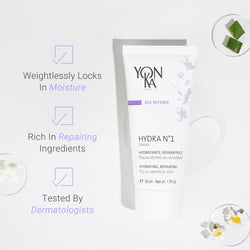
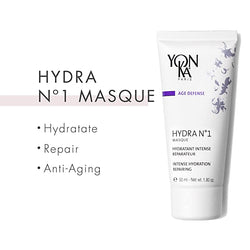
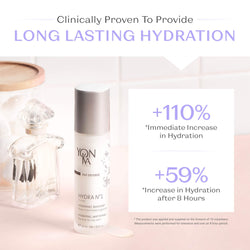
For those experiencing the first signs of dryness and fine lines, Hydra n°1 Crème is an exceptional choice. It utilizes two weights of hyaluronic acid to hydrate different layers of the skin, while shea butter and hazelnut oil work to seal that moisture in. If your skin is extremely parched, Hydra n°1 Masque can be used as an overnight treatment to deeply repair the barrier while you sleep.
Note: When introducing these aromatic products, we recommend a simple patch test on your inner forearm for 24 hours. A slight, brief tingling sensation can be normal due to the active essential oils, but if redness or irritation persists, reduce frequency or consult your skincare professional.
Addressing Common "Dry Spots"
Dryness often doesn't affect the entire face equally. Certain areas are more prone to a "parched" look due to fewer oil glands or thinner skin.
- The Eye Area: The skin around the eyes is the thinnest on the face. Dryness here often manifests as "crepey" texture and dark circles that look more prominent. Phyto-Contour is our firming eye cream designed to address puffiness and the appearance of tiredness, utilizing rosemary to invigorate and smooth this delicate zone.
- The Mouth and Lips: Frequent movement and exposure to the elements can make the area around the mouth look flaky. Ensure you are extending your creamy cleanser and moisturizer all the way to the lip line.
- The Cheeks: This is often where the skin's barrier is most exposed. If your cheeks look red or "windburned," they likely need a richer emollient, such as Hydra n°1 Crème, to provide an extra layer of defense.
Lifestyle Habits for a Radiant Complexion
While a botanical ritual is vital, supporting your skin from the inside out and through your environment will help maintain that supple look.
- Humidify Your Space: Using a humidifier, especially in the bedroom at night, can significantly reduce the amount of moisture the air steals from your skin. Aim for a humidity level of around 50-60%.
- Short, Warm Showers: We all love a hot shower, but it is one of the worst things for dry skin. Limit your time to 10 minutes and keep the water warm, not hot.
- Stay Hydrated and Eat Healthy Fats: While drinking water won't "cure" a dry skin type (which lacks oil), it supports general skin health. Incorporating healthy fats like avocados, walnuts, and fatty fish provides the building blocks your body needs to produce its own lipids.
- Sun Protection: Sun damage weakens the skin barrier and accelerates the aging process that leads to dryness. Always apply a broad-spectrum SPF as the final step in your morning routine.
Professional Care for Dry Skin
Sometimes, home care needs a professional boost. At over 7,000 spas worldwide, Yon-Ka professionals offer customized treatments designed to infuse the skin with deep nourishment. A professional Hydralessence Treatment or a Hydra Yon-Ka treatment can provide a level of exfoliation and hydration that is difficult to achieve at home.
If you are unsure of your skin type or why your skin looks dry, our skincare professionals can perform a thorough analysis to determine if you are dealing with a lack of oil, water, or perhaps a sensitivity. You can use our Spa Locator to find an authorized partner near you.
Conclusion
Understanding what dry skin on your face looks like is the first step toward a more comfortable, radiant future. By recognizing the subtle flakes, the matte finish, and the fine etchings of "parchment" texture, you can move away from "quick fixes" and toward a consistent, botanical-based ritual. Whether it is through the gentle touch of our cleansing milk or the revitalizing power of our signature Quintessence, there is a path to a more supple complexion.
Key Takeaway: Dry skin is a manageable skin type that requires a consistent ritual of gentle cleansing, phyto-aromatic preparation, and lipid-rich moisturizers to restore its natural glow and barrier function.
For over 70 years, Yon-Ka Paris has been dedicated to the belief that skincare is a ritual worth savoring. Our French heritage and commitment to pharmaceutical-grade botanical science ensure that every product we create supports your skin's health and your overall wellbeing. If you are ready to find the perfect ritual for your unique skin, we invite you to take our Skin Diagnosis quiz or explore our Product Matcher on our website.
FAQ
Why does my dry skin look ashy or gray?
This appearance is common in deeper skin tones and is caused by the accumulation of dead skin cells on the surface. When the skin lacks moisture and oil, these cells do not shed properly, creating an opaque, grayish layer that masks your natural radiance. Regular, gentle exfoliation with a grain-free product like Gommage Yon-Ka can help clear this buildup.
Can oily skin also look dry and flaky?
Yes, this is usually a sign of dehydration or a compromised skin barrier rather than a dry skin type. Oily skin can lack water, leading to a "tight" feeling and fine flaking, even if the surface appears shiny. Using oil-free, water-binding ingredients like hyaluronic acid can help address this without clogging pores. For a deeper look at the difference, see our article on how to get dry skin off the face.
Is dry skin the same as eczema or psoriasis?
No, dry skin (xerosis) is typically a skin type or a result of environmental factors. Eczema and psoriasis are chronic medical conditions that require a diagnosis from a dermatologist. While professional-grade skincare can support the appearance and comfort of the skin, medical-grade treatments may be necessary for these specific conditions.
How can I tell if my fine lines are from aging or just dryness?
Dryness-induced lines are often very fine, shallow, and appear like a "crinkled" texture on the surface. They often improve significantly after applying a rich moisturizer or a hydrating mask. Aging-related wrinkles are deeper and are caused by a loss of collagen and elastin over time, though dryness can certainly make them look more prominent. For more guidance on texture and roughness, read our post on what causes dry rough skin on the face.