Table of Contents
- Introduction
- The Science of the Skin Barrier
- Environmental Triggers of Dryness and Redness
- Lifestyle Habits That Compromise the Barrier
- Internal and Biological Factors
- Distinguishing Common Skin Conditions
- The Phyto-Aromatic Approach to Soothing
- Building a Ritual for Restoration
- Lifestyle Adjustments for Long-Term Comfort
- When to Seek Professional Guidance
- Conclusion
- FAQ
Introduction
Waking up to a complexion that feels tight, looks visibly flushed, and shows signs of flaking can be more than just a cosmetic inconvenience; it is often a signal from your skin that its protective equilibrium has been disrupted. Whether it is a seasonal shift or a reaction to a new habit, understanding the nuances of your skin’s behavior is essential for restoring its natural radiance. At Yon-Ka Paris, we believe that effective skincare begins with education and a respect for the skin’s delicate biology. This article will explore the environmental, biological, and lifestyle factors that contribute to facial redness and dryness, helping you distinguish between temporary irritation and chronic conditions. By identifying these triggers, you can transition from reactive troubleshooting to a proactive, phyto-aromatic ritual that supports long-term skin health and comfort.
Quick Answer: Red, dry skin on the face is typically caused by a compromised skin barrier, often triggered by environmental stressors like cold weather, harsh cleansers, or biological factors like aging and genetics. It may also stem from inflammatory conditions such as seborrheic dermatitis or rosacea, requiring a gentle, moisture-restoring ritual to soothe the appearance of irritation.
The Science of the Skin Barrier
To understand what causes red dry skin on face, we must first look at the stratum corneum, the outermost layer of the epidermis. Often described using a "bricks and mortar" analogy, your skin cells (the bricks) are held together by a complex matrix of lipids (the mortar), including ceramides, cholesterol, and fatty acids.
This barrier serves two primary functions: it keeps moisture in and keeps irritants out. When this "mortar" is depleted, a process called Transepidermal Water Loss (TEWL) occurs. As water evaporates from the skin’s deeper layers, the surface becomes dehydrated, leading to a rough, flaky texture. Simultaneously, the lack of a protective shield allows external pollutants and allergens to penetrate more easily, triggering an inflammatory response that manifests as redness and sensitivity.
Environmental Triggers of Dryness and Redness
The environment is perhaps the most frequent culprit behind sudden changes in skin texture and tone. Because the face is constantly exposed to the elements, it bears the brunt of atmospheric shifts.
Cold Weather and Low Humidity
Winter air is notorious for lacking moisture. When the humidity drops, the air literally draws water out of your skin. This is often exacerbated by indoor heating, which further dries out the environment. The result is "winter itch" or seasonal dryness that leaves the cheeks looking red and feeling windburned.
UV Exposure and Sun Damage
While we often associate the sun with bronzed skin, unprotected UV exposure is a leading cause of barrier damage. Chronic sun exposure can impair the skin's ability to retain moisture and lead to a permanent appearance of redness through dilated capillaries. Using a daily protector like Vital Defense can help shield the skin from environmental stressors and oxidative stress that contribute to this depletion.
Water Quality and Chlorine
Frequent swimming in chlorinated pools or living in an area with "hard water" (water high in minerals like calcium and magnesium) can strip the skin of its natural oils. These minerals can leave a residue on the skin that acts as an irritant, leading to the appearance of dry, red patches around the nose and forehead.
Lifestyle Habits That Compromise the Barrier
Sometimes, the very habits we think are helpful—or simply feel good—can be the root cause of our skin woes.
The Danger of Hot Water
There is nothing quite as relaxing as a steaming hot shower, but high temperatures are a primary enemy of healthy skin lipids. Hot water effectively "melts" the natural oils that keep your skin supple. To protect your barrier, we recommend washing your face with lukewarm water and limiting shower time to under ten minutes.
Over-Cleansing and Harsh Products
Using soaps with high pH levels or cleansers containing sulfates (like SLS) can disrupt the skin’s natural acid mantle. If your skin feels "squeaky clean" or tight after washing, your cleanser is likely too aggressive. A gentle, barrier-respecting cleansing milk like Lait Nettoyant is a more appropriate choice for those experiencing redness, as it cleanses while maintaining the skin's essential hydration.
Over-Exfoliation
While removing dead skin cells is vital for a glow, over-using chemical acids or physical scrubs can create micro-tears and chronic inflammation. If you notice your skin looks "shiny" but feels dry and red, you may have over-exfoliated. Switching to a grain-free, botanical exfoliator like Gommage Yon-Ka allows you to polish the skin without the mechanical irritation that triggers redness.
Internal and Biological Factors
Not all causes of red, dry skin are external. Often, our genetics and the natural process of aging dictate how our skin behaves.
Genetics and Sebum Production
Some individuals are genetically predisposed to produce less sebum (natural oil). Sebum is vital for lubricating the skin and providing a waterproof seal. Those with a naturally "dry" skin type—as opposed to just "dehydrated" skin—often experience persistent flaking and a lack of luster from a young age.
The Impact of Aging
As we reach our 40s and 50s, the skin’s production of lipids and sweat begins to decline naturally. The skin becomes thinner and less resilient, making it more prone to the appearance of fine lines and redness. Introducing a lipid-restoring product like Serum Omega can help replenish these lost fats, providing the "nourishment" that maturing, dry skin craves.
Hormonal Fluctuations
Shifts in estrogen levels—particularly during pregnancy, the postpartum period, and menopause—can significantly impact skin hydration. A drop in estrogen often leads to a decrease in collagen and hyaluronic acid production, resulting in skin that feels thinner, drier, and more easily irritated.
Distinguishing Common Skin Conditions
If your red, dry skin is persistent or appears in specific patterns, it may be more than just simple dryness. Several inflammatory conditions share these symptoms, and identifying them is key to choosing the right products.
| Condition | Primary Symptoms | Common Locations |
|---|---|---|
| Dry Skin | Fine flaking, dullness, general tightness. | Entire face, especially cheeks. |
| Seborrheic Dermatitis | Greasy, yellowish scales; persistent redness. | Sides of the nose, eyebrows, hairline. |
| Rosacea | Persistent flushing; visible "spider" veins. | Center of the face (nose and cheeks). |
| Eczema | Intense itching; rough, cracked patches. | Around the eyes, neck, or body folds. |
Seborrheic Dermatitis: The Oily-Dry Paradox
It is a common misconception that flaking always means dry skin. Seborrheic dermatitis occurs in areas rich in oil glands. It is thought to be triggered by an inflammatory response to a naturally occurring yeast on the skin. This condition often results in skin that looks oily but has stubborn, red, flaky patches in the "T-zone."
Rosacea and Sensitivity
Rosacea typically manifests as a tendency to flush easily, eventually leading to persistent redness. The skin of those with rosacea is often highly reactive to heat, spicy foods, and certain essential oils. If you suspect you have rosacea or a medical-grade eczema, we strongly recommend consulting a dermatologist for a professional diagnosis.
The Phyto-Aromatic Approach to Soothing
At Yon-Ka, we approach red, dry skin through the lens of "phyto-therapy" (plant therapy) and "aromachology" (the influence of scents on well-being). Our formulations prioritize the restoration of the skin’s ecosystem using stabilized botanical actives.
The Power of the Quintessence
At the heart of our philosophy is the Quintessence—a synergistic blend of five essential oils: lavender, geranium, rosemary, cypress, and thyme. This complex is designed to balance the skin, providing both soothing and revitalizing benefits. For red, dry skin, the lavender and geranium components are particularly beneficial for their calming and appearance-smoothing properties. Learn more in our ingredients page.
Note: When introducing products containing essential oils, we recommend a brief patch test on your inner forearm for 24 hours. A slight, temporary tingling sensation can be normal, but if you experience persistent redness or swelling, reduce the frequency of use or discontinue.
Targeted Ingredients for Hydration and Redness
When selecting products to address these concerns, look for these specific botanical and scientific ingredients:
- Hyaluronic Acid: A humectant that can hold up to 1,000 times its weight in water, helping to "plump" the look of dehydrated skin.
- Ceramides and Phytosterols: Plant-derived lipids that help repair the appearance of a broken skin barrier.
- Boerhavia Diffusa: A botanical extract used in our sensitive range to help reduce the look of visible redness and discomfort.
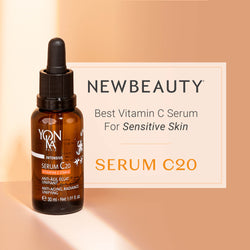
- Vitamin C: Found in our Serum C20, it supports the skin’s natural defenses and brightens the appearance of a dull, dry complexion.
Building a Ritual for Restoration
Restoring red, dry skin is not about a "quick fix" but about a consistent, layered ritual that respects the skin’s natural rhythm. For a fuller at-home routine, explore our dry & dehydrated skin collection.
Step 1: Gentle Cleansing
Avoid foaming cleansers that strip the skin. Use a creamy milk like Lait Nettoyant. Apply it with your fingertips in circular motions and rinse with lukewarm water. This maintains the lipid barrier from the very first step.
Step 2: Prepare with a Mist
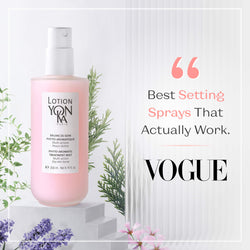
Many skip the toning step, but a phyto-aromatic mist like Lotion Yon-Ka PS (formulated for dry skin) is essential. It rehydrates the surface layers and allows your following serums and creams to absorb more effectively. It also provides an immediate cooling sensation that helps soothe the feeling of heat in red skin.
Step 3: Treat and Repair
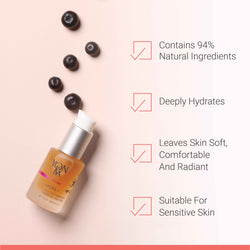
Apply a targeted treatment. If your skin is extremely dry and lacking oil, a few drops of Serum Omega or Nutri + Booster mixed into your cream can provide immediate comfort. For those dealing with intense dehydration, a formula from the dry & dehydrated skin collection offers a focused next step.
Step 4: Protect and Moisturize
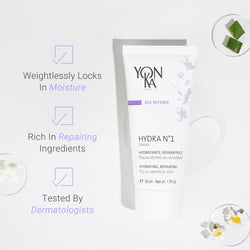
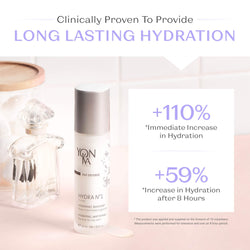
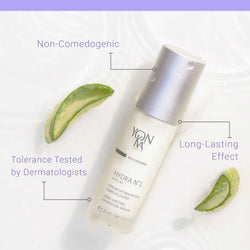
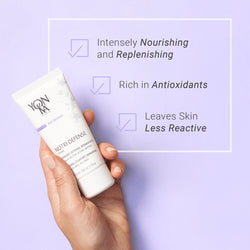
Finish with a protective cream. Hydra N°1 Crème is specifically designed to provide long-lasting hydration for dry to very dry skin. If redness is your primary concern, the Sensitive Treatment is designed to calm the appearance of reactive skin.
Lifestyle Adjustments for Long-Term Comfort
Beyond your skincare products, small changes in your daily routine can prevent the recurrence of red, dry patches.
- Humidify Your Space: Place a humidifier in your bedroom to keep the air moist while you sleep, especially during the winter months.
- Dietary Fats: Incorporate healthy fats like avocados, walnuts, and wild-caught salmon into your diet. These provide the building blocks for your skin’s natural lipids.
- Stay Hydrated: While drinking water doesn't directly "moisturize" the skin surface, systemic dehydration can make skin appear more sallow and less resilient.
- Sun Protection: Never skip your SPF. Even on cloudy days, UV rays contribute to barrier degradation. Our Sun Care range offers broad-spectrum protection that is gentle enough for daily use.
Key Takeaway: Red, dry skin is often a symptom of "Transepidermal Water Loss" caused by an impaired lipid barrier. Restoration requires a combination of gentle, non-stripping cleansing, lipid-rich botanical serums, and consistent protection from environmental aggressors.
When to Seek Professional Guidance
While most cases of red, dry skin can be managed with a dedicated home ritual, there are times when professional intervention is necessary. If your skin is:
- Oozing or crusting
- Painfully itchy to the point of interrupting sleep
- Spreading rapidly to other parts of the body
- Not responding to over-the-counter or high-end skincare after 4-6 weeks
In these instances, a physician or dermatologist should be consulted to rule out infections or chronic medical conditions. For those looking to take their skin health to the next level, a professional treatment at a Yon-Ka partner spa can provide deep, restorative hydration that is difficult to achieve at home. You can find a nearby expert using our Spa Locator on the website.
Conclusion
The journey to a calm, hydrated complexion is rooted in patience and the right botanical support. By understanding what causes red dry skin on face—from the air we breathe to the temperature of our water—we can make informed choices that empower our skin to heal. Whether you are navigating the challenges of aging or simply reacting to a harsh winter, a ritual-based approach ensures your skin receives the nutrients it needs to thrive.
At Yon-Ka Paris, we remain dedicated to the fusion of 70 years of French pharmaceutical rigor and the sensory power of the plant world. We believe that skincare is more than a routine; it is an act of self-care that should be as nourishing for the spirit as it is for the skin.
FAQ
Why is the skin around my nose red and flaky even when I moisturize?
This is often a sign of seborrheic dermatitis, which occurs in oil-rich areas. Unlike simple dry skin, it may be a reaction to skin yeast, meaning standard heavy moisturizers might not help. A gentle, balancing ritual and a consultation with a dermatologist are recommended if it persists.
Can I use Vitamin C if my skin is red and dry?
Yes, but the form of Vitamin C matters. We recommend a stabilized, high-quality formula like Serum C20, which is designed to be effective without the irritation often associated with pure ascorbic acid. Always follow with a soothing moisturizer to lock in the benefits.
How long does it take for a damaged skin barrier to heal?
Typically, the skin’s natural renewal cycle takes about 28 to 30 days. You may feel relief from the "tightness" within a few days of starting a gentle ritual, but significant improvements in the appearance of redness and flaking usually take 4 to 6 weeks of consistent care.
Does drinking more water fix dry facial skin?
While staying hydrated is vital for overall health, "dry" skin is usually a lack of oil (lipids), while "dehydrated" skin is a lack of water in the epidermis. Drinking water helps the body, but topical applications of humectants and emollients are required to fix the external barrier.