Table of Contents
- Introduction
- The Biological Blueprint: What Is Sebum?
- Genetic Predisposition: The DNA of Shine
- Hormonal Triggers and Sebum Regulation
- Environmental Influences: Humidity and Heat
- The Paradox of Over-Cleansing: The Rebound Effect
- Age and Your Skin’s Oil Production
- Dietary and Lifestyle Factors
- Managing Excessive Oil with a Balanced Ritual
- The Professional Difference: Spa Treatments for Oily Skin
- When to See a Dermatologist
- Conclusion
- FAQ
Introduction
Finding your skin blanketed in a persistent layer of shine by midday can be a frustrating experience, especially when it disrupts your makeup or makes you feel less than confident. While having oily skin is often a blessing in disguise—sebum contains antioxidants and helps keep the skin looking youthful and supple for longer—the excess can lead to clogged pores and an uneven complexion. At Yon-Ka Paris, we view oily skin not as a problem to be "fixed" with harsh chemicals, but as a biological state that requires gentle redirection and balance.
Understanding what causes excessive oily skin on your face is the first step toward reclaiming a matte, healthy-looking glow. Whether your concerns are rooted in your DNA, your environment, or your current skincare habits, identifying the "why" allows you to choose a ritual that works with your biology rather than against it. In this article, we will explore the internal and external triggers of oil production and how a phyto-aromatic approach can help harmonize your skin’s natural oil levels.
Quick Answer: Excessive oily skin is primarily caused by overactive sebaceous glands, often triggered by genetics, hormonal shifts, and environmental humidity. It can also be exacerbated by "rebound oiliness," where the skin overproduces sebum to compensate for harsh, stripping skincare products that damage the moisture barrier.
The Biological Blueprint: What Is Sebum?
To understand why your face is excessively oily, you must first understand the role of sebum. Sebum is a complex mixture of lipids—including triglycerides, wax esters, squalene, and free fatty acids—produced by the sebaceous glands located in the dermis. These glands are found all over the body, but they are most concentrated and active on the face, scalp, and chest.
In its ideal state, sebum is your skin’s best friend. It acts as a natural lubricant, providing a waterproof barrier that prevents excessive water loss (transepidermal water loss) and protects the skin from environmental irritants and certain types of bacteria. However, when these glands receive signals to go into overdrive, they produce more oil than the skin can effectively use. This excess oil travels up the hair follicle and onto the surface, resulting in that characteristic slick feel and shiny appearance. When we talk about "excessive" oil, we are usually describing a state where the production rate outpaces the skin's ability to shed dead cells, often leading to visible pores and occasional congestion.
Genetic Predisposition: The DNA of Shine
One of the most common causes of excessive oily skin is simply your genetic makeup. If one or both of your parents had oily skin, there is a significantly higher chance that your sebaceous glands are genetically programmed to be larger and more productive. You cannot change your DNA, but recognizing that your skin type is a fundamental part of your biology can help you manage your expectations and your routine.
Genetics also dictate the size of your pores. People with genetically oily skin often have larger pores. Because the pore is the opening through which sebum reaches the surface, larger pores naturally allow more oil to flow out. While you cannot "shrink" pores permanently, you can keep them clear of debris so they appear smaller and more refined. Knowing that your oiliness is genetic means focusing on long-term management and consistent rituals rather than looking for a one-time "cure."
Hormonal Triggers and Sebum Regulation
Hormones are the master controllers of your skin’s oil production. Specifically, a group of hormones called androgens—the most well-known being testosterone—stimulate the sebaceous glands. When androgen levels rise, the glands grow in size and begin producing significantly more sebum. This is why oily skin usually begins in puberty, but hormonal fluctuations continue to impact the skin well into adulthood.
For many women, the menstrual cycle plays a major role in skin behavior. During different phases of the cycle, the ratio of estrogen to progesterone and testosterone shifts. Just before a period begins, progesterone levels rise, which can lead to increased oiliness and the appearance of blemish-prone skin. Similarly, life stages like pregnancy or menopause, as well as high-stress environments that trigger cortisol (the "stress hormone"), can send signals to your sebaceous glands to ramp up production.
Key Takeaway: Hormonal shifts aren't just for teenagers; adult oiliness is often linked to fluctuations in androgens and cortisol, making stress management as vital for your skin as your topical products.
Environmental Influences: Humidity and Heat
Your environment acts as an external thermostat for your sebaceous glands. In hot, humid climates, the skin’s oil production tends to increase. This is partly because heat makes sebum more fluid, allowing it to spread more easily across the surface of the face. Humidity also prevents sweat from evaporating effectively, which, when mixed with excess oil, creates a heavy, "suffocating" feeling on the skin.
Seasonal changes can also trigger a sudden shift in oiliness. You might find that your skin is perfectly balanced in the winter but becomes excessively oily as soon as the summer humidity hits. Even indoor environments matter; spending all day in a heavily air-conditioned office can paradoxically dry out the surface of the skin, leading the sebaceous glands to overcompensate by producing more oil to protect the barrier.
The Paradox of Over-Cleansing: The Rebound Effect
One of the most overlooked causes of oily skin is actually the products you use to fight it. When you feel oily, the natural instinct is to wash your face frequently or use aggressive, "deep-cleaning" products containing high concentrations of alcohol or harsh sulfates like SLS. While these products provide a temporary "squeaky clean" feeling, they are often stripping away the essential lipids your skin needs to remain healthy.
This leads to what we call the "rebound effect." When the skin's protective barrier is compromised and its natural oils are completely removed, the brain receives a "distress signal" that the skin is too dry. In response, the sebaceous glands work overtime to replace the lost moisture, often producing even more oil than before. This creates a vicious cycle where the more you strip your skin, the oilier it becomes. Our philosophy at Yon-Ka emphasizes gentle, barrier-respecting cleansing to avoid this exact scenario.
Age and Your Skin’s Oil Production
As you age, your skin’s oil production naturally begins to slow down. This is why many people who struggled with very oily skin in their 20s find their skin becoming "normal" or even dry in their 50s and 60s. However, aging skin also loses protein (like collagen and elastin), which can cause pores to lose their structure.
When pores lose their "snap" and become lax, they can appear larger. This can make the oil that is produced more visible on the skin's surface. Even if the total volume of sebum is lower than it was in your youth, the way it sits on the skin and the appearance of the pores can still create the illusion of excessive oiliness. Transitioning your skincare to include firming and restructuring ingredients can help address this specific age-related oil concern.
Dietary and Lifestyle Factors
While the link between diet and oily skin is still being researched, there is evidence that certain foods may influence sebum production. High-glycemic foods—such as white bread, sugary snacks, and processed cereals—cause a rapid spike in blood sugar. This triggers a release of insulin and insulin-like growth factor (IGF-1), both of which have been linked to increased androgen activity and higher oil production.
Lifestyle habits like sleep and hydration also play a supporting role. Dehydration (a lack of water in the skin, not oil) can impair the skin's ability to function correctly, leading to a dull appearance and a compromised barrier that may overproduce oil to compensate. Maintaining a balanced lifestyle helps support the internal environment, allowing your topical skincare to perform at its best.
Managing Excessive Oil with a Balanced Ritual
To address the appearance of excessive oil, we must move away from "attacking" the skin and toward "balancing" it. A consistent Yon-Ka Paris ritual uses the power of phyto-aromatics to purify the skin while maintaining its essential hydration.
Step 1: Gentle Cleansing
Avoid harsh soaps. Instead, use a pH-balanced cleanser that removes impurities without disrupting the acid mantle. Gel Nettoyant is a wonderful choice for oily-leaning skin; it’s a foaming azure-blue gel that cleanses deeply with iris root and red seaweed while leaving the skin feeling fresh. For those who prefer a milkier texture, Lait Nettoyant is gentle enough for even the most sensitive skin and ensures the barrier remains intact.
Step 2: The Power of Phyto-Aromatic Mists
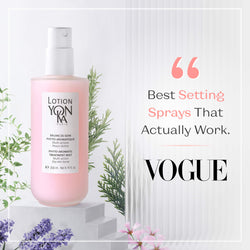
After cleansing, your skin needs to be prepared and balanced. This is where our signature mist comes in. Lotion Yon-Ka PNG is the version specifically for normal to oily skin, and it is an essential step for helping the complexion feel refreshed and balanced. It contains our iconic Quintessence—a blend of Lavender, Geranium, Rosemary, Cypress, and Thyme essential oils. This mist helps to purify the appearance of the skin and balance surface oils, providing an immediate sense of wellbeing.
Note: When introducing essential oil-based products into your ritual, we recommend a simple patch test on your inner forearm for 24 hours. While our formulas are designed for professional-grade safety and efficacy, every skin is unique. Introduce one new product at a time to allow your skin to adjust.
Step 3: Targeted Exfoliation
Dead skin cells can trap sebum inside the pores, leading to congestion. However, traditional scrubs can be too abrasive. Gommage Yon-Ka is a botanical, grain-free exfoliator that "peels" away dead cells gently. This 4-in-1 gel clarifies, hydrates, and balances the look of the skin without any harsh friction.
Step 4: Hydrating and Mattifying
The biggest mistake people with oily skin make is skipping moisturizer. If you don't provide external hydration, your skin will create its own oil to compensate.
For a wider range of options tailored to balance without heaviness, explore our face moisturizer collection.
The Professional Difference: Spa Treatments for Oily Skin
While a home ritual is the foundation of healthy skin, professional intervention can provide a deeper level of purification. Our heritage is rooted in the professional spa environment, where estheticians use specific techniques and high-concentration formulas to "reset" the skin.
A professional facial, such as our "Le Grand Classique," focuses on deep pore cleansing and long-term balancing. In a spa setting, an expert can analyze your skin's specific oil-to-water ratio and customize the treatment to address whether your oiliness is a permanent skin type or a temporary condition caused by dehydration or stress. To experience this firsthand, you can find a certified professional near you using our Spa Locator.
If you want to understand your skin better before choosing products, try our Skin Diagnosis quiz.
When to See a Dermatologist
While most cases of oily skin can be managed with a consistent, high-quality botanical ritual, some situations require medical expertise. If your excessive oil is accompanied by persistent cystic acne, painful inflammation, or sudden, drastic changes in skin texture, it is important to consult a dermatologist or physician. These may be signs of an underlying medical condition, such as Polycystic Ovary Syndrome (PCOS) or severe hormonal imbalances, which may require prescription treatments that go beyond cosmetic care. Skincare products are designed to support and enhance the skin's appearance, but they do not replace medical advice for clinical conditions.
If blemishes are part of your oiliness story, take a look at our oily and combination skin collection for options designed to support shine control and clarity.
Conclusion
Excessive oily skin on the face is a multifaceted concern, influenced by everything from your genetic code to the humidity in the air. By understanding that oil is a natural protective mechanism, we can shift our focus from "stripping" to "balancing." A thoughtful ritual that prioritizes gentle cleansing, botanical tonification, and proper hydration can transform a greasy complexion into a refined, healthy glow.
Key Takeaway: The goal of an oily skin ritual is not to eliminate sebum entirely, but to regulate its appearance and prevent it from becoming trapped in the pores.
At Yon-Ka, we believe that skincare is more than just maintenance; it is a ritual worth savoring. Built on 70 years of French phyto-aromatic expertise, our formulas are designed to bring the skin back into its natural state of harmony. If you are unsure which products are right for your specific needs, we invite you to take our Skin Diagnosis quiz or use our Product Matcher to find your perfect botanical pairing. Explore our collections today and discover the power of plant-based balance.
For a deeper look at the ingredients behind our formulas, visit Our Ingredients or learn more about our brand story.
FAQ
Does drinking more water help reduce oily skin?
While staying hydrated is essential for overall skin health and can prevent "dehydrated oily skin," drinking water alone will not significantly change the amount of sebum your glands produce. Sebum production is primarily controlled by hormones and genetics, though proper hydration can help your skin look more balanced and less congested.
Why is my skin so oily even though I wash it three times a day?
Washing your face too frequently is likely causing a "rebound effect." By repeatedly stripping away the skin's natural moisture barrier, you are signaling your sebaceous glands to produce even more oil to protect the skin from dryness, creating a cycle of persistent oiliness.
Can I use face oils if my skin is already oily?
Yes, certain botanical oils can actually help balance oily skin. High-quality, non-comedogenic oils can signal to your skin that it has enough moisture, which may help slow down its own sebum production. Look for lightweight, purifying elixirs rather than heavy, occlusive oils.
Are there any specific foods I should avoid for oily skin?
High-glycemic foods, such as sugary snacks and refined carbohydrates, can cause insulin spikes that may increase androgen activity and sebum production. While diet affects everyone differently, focusing on a balanced diet rich in whole foods may support a clearer, more balanced complexion.
For extra guidance on product selection, you can also explore our face care collection or browse best products for oily skin.