Table of Contents
- Introduction
- The Science of Summer Dryness: Beyond the Surface
- Environmental Factors: The Invisible Moisture Thieves
- Lifestyle Triggers: Swimming and Hygiene Habits
- Phyto-Aromatic Solutions for Summer Radiance
- Building Your Summer Hydration Ritual
- Specialized Care: Masks and Nighttime Repair
- Essential Oil Safety and Sensorial Care
- Practical Lifestyle Tips to Support Your Skin
- The Yon-Ka Difference: Professional Roots
- Conclusion
- FAQ
Introduction
The arrival of summer often brings a change in our sensory landscape—the warmth of the sun on our shoulders, the scent of sea salt, and the long, golden evenings that invite us to linger outdoors. However, many of us find that this season of abundance also brings an unexpected guest: a tight, flaky, or dull complexion. While we typically associate dryness with the biting winds of winter, the summer months present a unique set of challenges that can leave the skin feeling parched and depleted. Understanding what causes dry skin on the face in summer is the first step toward restoring that coveted seasonal glow.
At Yon-Ka Paris, we believe that skincare is a ritual of balance. In this article, we will explore the environmental and biological triggers that strip moisture from your skin during the warmer months and how a refined, phyto-aromatic approach can replenish your barrier. By aligning your routine with the rhythms of the season, you can enjoy the sun while maintaining a supple, hydrated appearance.
Quick Answer: Summer dry skin is primarily caused by a combination of high UV exposure, which damages the skin barrier, and low-humidity environments created by air conditioning. Additionally, frequent swimming in chlorinated water and increased trans-epidermal water loss (TEWL) due to sweat evaporation further deplete the skin's moisture reserves.
The Science of Summer Dryness: Beyond the Surface
To understand why our skin feels dry when the thermometer rises, we must look at the skin barrier. This outermost layer, often called the moisture barrier or acid mantle, is responsible for keeping hydration in and irritants out. In the summer, this barrier is under constant siege from multiple angles.
Trans-Epidermal Water Loss (TEWL)
Trans-epidermal water loss is the process where water migrates from the deeper, hydrated layers of the dermis to the epidermis and eventually evaporates into the air. In high heat, our bodies naturally produce sweat to cool us down. As that sweat evaporates, it can take some of the skin’s inherent moisture with it. If the skin barrier is already weakened by the sun or harsh products, this "moisture leak" accelerates, leaving the face feeling tight and looking rough.
The Role of Sebum and Sweat
There is a common misconception that oily skin cannot be dry. In reality, summer often causes an increase in oil production as the skin attempts to protect itself. This can lead to a confusing "combination" state where the skin looks shiny on the surface but feels incredibly dehydrated underneath. When sweat and excess sebum mix with environmental pollutants, it can create a film that interferes with the skin's ability to breathe and absorb hydrating products.
Environmental Factors: The Invisible Moisture Thieves
While the outdoor air might be humid, our modern summer lifestyles often involve environments that are surprisingly arid. These external factors are some of the most common causes of localized dryness on the face.
The Impact of Air Conditioning
We often retreat indoors to escape the heat, but air conditioning acts as a powerful dehumidifier. By pulling moisture out of the air to cool the room, it inadvertently pulls moisture from your skin. Spending eight hours in an air-conditioned office followed by an evening in a cooled home creates a perpetual cycle of dehydration. This "artificial desert" environment is one of the leading reasons for the fine lines and flakiness many people experience during July and August.
Intense UV Exposure and Barrier Damage
The sun’s ultraviolet (UV) rays do more than just cause a tan or a burn; they physically degrade the proteins and lipids that hold your skin cells together. When the skin's structural integrity is compromised by UV damage, it can no longer effectively hold onto water. This lead-to-dryness is often cumulative—you may not notice it after one day at the beach, but after a month of consistent sun exposure, the skin may begin to look "crepey" or lose its bounce.
Key Takeaway: Summer dryness is often an "inside-out" problem where environmental stressors like AC and UV rays break down the skin's natural ability to retain its own water content.
Lifestyle Triggers: Swimming and Hygiene Habits
Our favorite summer pastimes often involve water, but not the kind that benefits our skin's hydration levels.
Chlorine and Salt Water Effects
Chlorine is a necessary chemical for pool safety, but it is notoriously alkaline. Our skin thrives at a slightly acidic pH (around 5.5). When we submerge our faces in chlorinated water, it strips away the natural oils (sebum) that act as a protective seal. Similarly, while sea salt has some mineral benefits, the high salt concentration in ocean water can draw moisture out of the skin through osmosis, leaving a salty residue that continues to dehydrate the skin long after you have left the sand.
The Over-Cleansing Trap
Because we feel "sweaty" or "grimy" in the heat, the temptation to wash our faces more frequently is high. However, using harsh, foaming cleansers multiple times a day can be counterproductive. Many conventional cleansers contain sulfates—cleansing agents that create a big lather but can be too aggressive for a summer-stressed barrier. If your skin feels "squeaky clean" after washing, you have likely stripped away the very lipids needed to prevent dryness.
Myth: If my skin is oily and sweaty, I don't need a moisturizer in summer. Fact: Sweat and oil are not the same as hydration. Hydration refers to the water content within the skin. Even oily skin can be dehydrated and requires a lightweight, water-based moisturizer to maintain balance.
Phyto-Aromatic Solutions for Summer Radiance
At Yon-Ka, we approach these summer challenges through the lens of phytotherapy (the use of plant extracts) and aromatherapy (the use of essential oils). Our heritage is rooted in the belief that botanical synergy can restore what the environment takes away.
The foundation of our formulas is the Quintessence—a unique complex of five essential oils: lavender, geranium, rosemary, cypress, and thyme. In the summer, these botanicals serve multiple purposes. Lavender and geranium are known for their ability to soothe the appearance of redness and irritation caused by the sun, while rosemary and thyme provide revitalizing properties that help the skin appear more vibrant and less "tired" from the heat.
Building Your Summer Hydration Ritual
Fixing summer dryness isn't about finding a single "miracle" product; it is about a consistent, layered ritual that respects the skin's delicate ecosystem.
Step 1: Gentle Cleansing
The goal of summer cleansing is to remove sweat, salt, and sunscreen without disturbing the acid mantle. We recommend a creamy, milk-based cleanser like Lait Nettoyant. This gentle formula cleanses while respecting the skin's lipid balance. For those who prefer a refreshing sensation, ensure you are using lukewarm water, as hot water further dissolves the protective oils you are trying to save.
Step 2: Phyto-Aromatic Prep
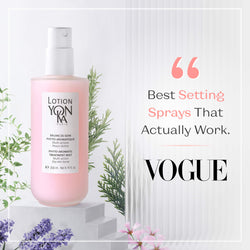
After cleansing, it is essential to re-acidify the skin and provide an immediate "drink" of hydration. Lotion Yon-Ka PS is more than just a toner; it is a phyto-aromatic mist that drenches the skin in the Quintessence. Using this mist helps subsequent serums and moisturizers penetrate more effectively.
Step 3: Targeted Treatment
If your skin is significantly dehydrated, a serum is your most powerful tool. Serums are designed with smaller molecules to deliver active ingredients deeper into the skin's surface.
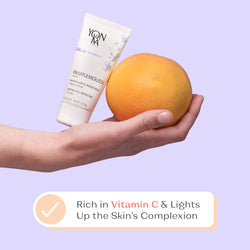
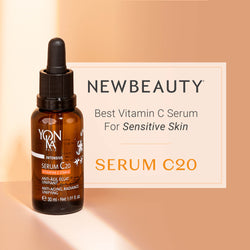
- Serum C20: For those looking to brighten the appearance of sun-induced dullness, this stable 20% Vitamin C serum provides antioxidant support.
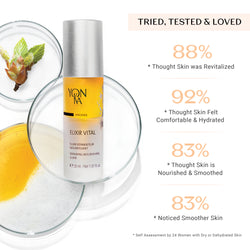
- Serum Omega: If the barrier feels physically compromised or "raw," this lipid-restoring oil-in-serum helps to replenish the essential fatty acids lost to chlorine and salt water.
Step 4: Intelligent Moisturization
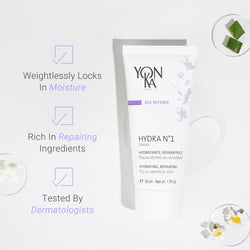
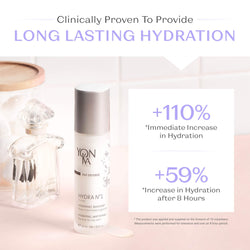
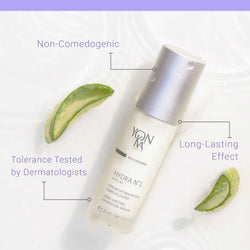
In the summer, many people prefer the texture of a lighter cream. Hydra N°1 Creme is an excellent choice for those experiencing visible dryness. It utilizes hyaluronic acid—a powerful humectant that can hold many times its weight in water—to create a "moisture reservoir" on the skin.
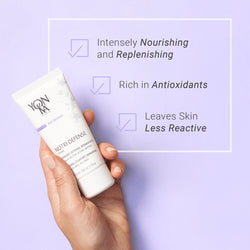
For daytime protection, Vital Defense Mist acts as a shield against both environmental pollution and the dehydrating effects of free radicals. It is designed to help the skin maintain its youthful appearance even when faced with urban heat.
Specialized Care: Masks and Nighttime Repair
The skin does its most intensive repair work while we sleep. During the summer, nighttime is your opportunity to reverse the dehydration caused by the day's sun and air conditioning.
The Power of the Overnight Mask
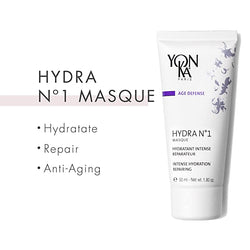
A hydrating mask like Hydra N°1 Masque can be a game-changer for summer dryness. While it can be used as a traditional 10-minute treatment, applying a thin layer before bed once or twice a week allows the botanicals to work deeply over several hours. This "infusion" method ensures you wake up with skin that looks plump and rested.
Gentle Exfoliation
It may seem counterintuitive to exfoliate dry skin, but a buildup of dead, dehydrated cells can prevent your moisturizing products from working. The key is to avoid "scrubs" with harsh grains. Instead, use a grain-free exfoliator like Gommage Yon-Ka. This plant-based "peel" gently lifts away dullness using carob and lime oils, leaving the surface smooth and ready to receive hydration.
The Role of Glycolic Acid
For those noticing a rough texture or the first signs of sun-induced aging, Glyconight 10% Masque offers a controlled way to renew the skin's appearance. By using a clean-label glycolic acid mask at night, you encourage cell turnover, which helps fresh, hydrated cells reach the surface.
Essential Oil Safety and Sensorial Care
Because Yon-Ka products are powered by active essential oils and botanical extracts, we always advocate for a mindful introduction to new products.
Note: When introducing a new step into your ritual, we recommend a simple patch test. Apply a small amount of the product to your inner forearm and wait 24 hours. While a slight, fleeting tingling sensation can be normal due to the activity of the essential oils, persistent redness means you should reduce frequency. Always introduce one new product at a time to allow your skin to adjust to the potent botanical actives.
The aromachology—or the psychological effect of scents—of our products also plays a role in summer wellness. The cooling scent of cypress and the calming aroma of lavender can turn a quick skincare routine into a moment of true Mediterranean escape, reducing the stress that can often exacerbate skin sensitivities.
Practical Lifestyle Tips to Support Your Skin
Beyond your topical routine, several lifestyle adjustments can help mitigate what causes dry skin on the face in summer.
- Lower the Temp: Take lukewarm or cool showers. While hot water is relaxing, it is a primary culprit in stripping the skin's natural barrier.
- Strategic Humidification: If you must sleep with the air conditioning on, place a small humidifier on your nightstand. This adds moisture back into your immediate environment.
- Rinse Immediately: After swimming in a pool or the ocean, rinse your face with fresh water as soon as possible. This stops the chlorine or salt from sitting on the skin and causing prolonged dehydration.
- Internal Hydration: While "drinking water" isn't a direct fix for dry skin (the water goes to your vital organs first), chronic dehydration can show up in the skin's elasticity. Complement your water intake with water-rich summer fruits like watermelon and cucumber.
- Sun Protection as a Rule: Dryness and sun damage are inextricably linked. Applying a broad-spectrum SPF every morning is the most effective way to prevent the barrier breakdown that leads to summer flakiness.
The Yon-Ka Difference: Professional Roots
Our formulations are born in the treatment room. For over 70 years, we have worked with skincare professionals to understand the nuances of how the skin reacts to seasonal shifts. If you find that your summer dryness is persistent or you are unsure of which products to choose, we encourage you to explore our ingredients or learn more about our formulas on our website.
For a truly transformative experience, you can find a local Yon-Ka partner spa through our Spa Locator. A professional facial can provide the deep, intensive hydration that is sometimes difficult to achieve with home care alone, utilizing professional-strength botanicals and specialized massage techniques to revitalize your complexion.
Conclusion
Summer should be a season of vitality, not a time of struggling with a dull or parched complexion. By understanding that the combination of UV exposure, air conditioning, and lifestyle habits are the primary causes of dry skin on the face in summer, you can take proactive steps to protect your skin. A ritual-based approach—anchored by gentle cleansing, phyto-aromatic mists, and hyaluronic-rich moisturizers—can help you maintain a resilient and radiant appearance.
At Yon-Ka Paris, our mission remains rooted in the belief that nature provides the most sophisticated solutions for skin health. By honoring the power of plants and the science of aromatherapy, we invite you to transform your daily skincare into a moment of well-being that lasts all season long.
"The skin is a living organ that reflects the environment around it. In summer, our goal is not to fight the sun, but to provide the skin with the botanical tools it needs to remain balanced and beautiful."
Explore our face moisturizers collection today to find the perfect summer essentials for your unique skin needs.
FAQ
Why does my face feel dry even though it's humid outside?
While outdoor humidity is high in summer, we spend significant time in air-conditioned environments which are incredibly dry. Additionally, if your skin barrier is damaged by UV rays, it cannot hold onto the moisture present in the air, leading to a feeling of dryness despite the humidity.
Can sunscreen cause dry skin?
Some sunscreens, particularly those with high alcohol content or certain mineral filters like zinc oxide, can feel drying on the surface. To counter this, always apply a lightweight moisturizer like Nude Perfect Fluide or Vital Defense Mist underneath your sunscreen to create a hydrating base.
How often should I use a hydrating mask in summer?
For most people, using a hydrating mask like Hydra N°1 Masque 1–2 times per week is ideal. If you have been spending a lot of time in the sun or swimming, you can use it more frequently—even every other night—as a thin overnight treatment to restore moisture.
Should I switch from a cream to a lotion in the summer?
Many people find that their skin's needs change as the temperature rises. If a heavy cream feels too "rich" or causes congestion, switching to a lighter lotion or fluid, such as Nude Perfect Fluide, can provide necessary hydration without a heavy feel.