Table of Contents
- Introduction
- Understanding Dry Patches vs. Overall Dryness
- External Factors: Environmental and Seasonal Shifts
- The Impact of Lifestyle and Daily Habits
- Ingredients to Watch: Potential Irritants
- Biological Factors: Aging and Sebum Production
- When to Consider Underlying Skin Conditions
- How to Address Dry Patches with a Targeted Ritual
- Advanced Care: Gentle Exfoliation and Masks
- The Role of Professional Expertise
- Conclusion
- FAQ
Introduction
Waking up to find localized areas of roughness or flaky skin can be frustrating, especially when your usual makeup or moisturizer doesn’t seem to sit right. These dry patches are often more than just a seasonal nuisance; they are the skin's way of signaling that its delicate equilibrium has been disrupted. At Yon-Ka Paris, we believe that understanding the "why" behind your skin's behavior is the essential first step toward restoring its natural radiance and comfort. Whether your skin is reacting to a shift in the weather, a new lifestyle habit, or a biological change, identifying the root cause allows you to tailor your ritual for the most effective results. This article explores the various internal and external factors that contribute to localized dryness and how a professional-grade, phyto-aromatic approach can help bring your complexion back into balance.
Understanding Dry Patches vs. Overall Dryness
It is important to distinguish between having a dry skin type and experiencing temporary dry patches. A dry skin type is genetically determined and characterized by a persistent lack of oil (sebum) across the entire face. In contrast, dry patches are often localized areas of flakiness, redness, or rough texture that can appear even on those with oily or combination skin.
When these patches occur, it usually indicates a localized compromise in the skin’s moisture barrier. This barrier, composed of lipids and skin cells, acts as a shield to keep hydration in and irritants out. When this shield is weakened in a specific area, moisture evaporates rapidly—a process known as transepidermal water loss (TEWL)—leaving the skin vulnerable to the environment.
External Factors: Environmental and Seasonal Shifts
The world around us plays a significant role in how our skin retains moisture. Many people notice dry patches appearing most frequently during the transition between seasons.
- Low Humidity and Cold Air: Winter air is notoriously dry, and cold winds can physically "chap" the skin. This environment accelerates the evaporation of moisture from the skin’s surface, often leading to rough spots around the nose and cheeks.
- Central Heating and Air Conditioning: While indoor climate control keeps us comfortable, it strips the air of moisture. Spending long hours in a heated office or an air-conditioned bedroom can create a "desert-like" environment for your face, leading to localized dehydration.
- Ultraviolet (UV) Exposure: We often associate the sun with burns, but chronic UV exposure also damages the skin barrier. Sun damage can lead to a thickened, leathery texture in certain areas, which often manifests as persistent dry patches.
Quick Answer: Dry patches are frequently caused by environmental stressors like cold weather or low humidity, which accelerate moisture loss, or by using harsh products that strip the skin’s natural protective oils.
The Impact of Lifestyle and Daily Habits
Sometimes, our very efforts to keep our skin clean or comfortable can backfire, contributing to the appearance of dry patches.
The Temperature of Your Water
A steaming hot shower may feel relaxing, but high temperatures are incredibly taxing on the skin. Hot water can dissolve the natural lipids that hold your skin cells together, effectively "melting" away your protective barrier. This is why many people experience tightness or flaking immediately after bathing. Switching to lukewarm water for both your face and body is a simple yet profound way to protect your skin's integrity.
Over-Cleansing and Physical Friction
Using a cleanser that is too aggressive or washing your face too frequently can remove necessary oils before the skin has a chance to replenish them. Additionally, mechanical friction—such as using a rough washcloth or a physical scrub with jagged particles—can create micro-tears in the barrier. This irritation often presents as a red, dry patch that feels sensitive to the touch.
For a gentler reset, a cleansing milk like Lait Nettoyant can help remove impurities without leaving the skin feeling stripped.
Ingredients to Watch: Potential Irritants
The products in your cabinet could be the hidden culprits behind localized dryness. Certain ingredients, while effective for specific concerns, can be too "stripping" for sensitive or thin-skinned areas of the face.
- Denatured Alcohol: Often found in toners designed for oily skin, high concentrations of alcohol can flash-evaporate moisture and dissolve the skin's surface lipids.
- Harsh Sulfates: Surfactants like Sodium Lauryl Sulfate (SLS) are excellent at creating foam but can be too disruptive for the skin's pH and barrier function.
- Fragrance and Synthetic Dyes: While they may make a product look or smell appealing, synthetic fragrances are among the most common causes of contact dermatitis, which can manifest as itchy, dry, or scaly patches.
To better understand what goes into our formulas, explore our ingredients.
Biological Factors: Aging and Sebum Production
As we journey through different stages of life, our skin’s biology shifts. One of the most significant changes is the natural decline in sebum production. Sebum is the oil produced by our sebaceous glands that coats the skin, providing a natural waterproof seal.
Starting in our 40s, sebum production begins to drop significantly. This loss of natural lubrication means the skin cannot hold onto water as effectively as it once did. Furthermore, the skin's natural exfoliation process (cell turnover) slows down with age. When dead skin cells are not shed efficiently, they can accumulate in certain areas, creating a dull, rough, and "patchy" appearance.
When to Consider Underlying Skin Conditions
While many dry patches can be addressed through a consistent ritual, some are symptoms of underlying dermatological conditions. If your dry patches are persistent, extremely itchy, or accompanied by significant inflammation, it may be time to consult a physician or dermatologist.
- Eczema (Atopic Dermatitis): This condition involves a genetic predisposition to a weak skin barrier and often appears as very itchy, red, and scaly patches.
- Psoriasis: This is an autoimmune condition where skin cells grow too quickly, resulting in thick, silvery-white scales that can be localized on the face, particularly near the hairline.
- Seborrheic Dermatitis: Often affecting areas with many oil glands, like the eyebrows or the sides of the nose, this can cause yellow, greasy-looking scales and redness.
Note: If you experience sudden, painful, or spreading skin changes, or if your dry patches do not respond to basic moisturizing, please seek advice from a medical professional.
How to Address Dry Patches with a Targeted Ritual
Restoring the appearance of smooth, hydrated skin requires a methodical approach. The goal is to gently remove dead skin cells while simultaneously replenishing the lipids and water the skin is missing.
Step 1: Barrier-Respecting Cleansing
The foundation of any ritual for dry skin is a cleanser that cleanses without stripping. Avoid foaming gels that leave the skin feeling "squeaky clean," as this is often a sign that your natural oils have been removed. Instead, opt for a creamy, milk-based cleanser like Lait Nettoyant. This gentle formula removes impurities and makeup while respecting the skin's hydrolipidic film.
Step 2: Phyto-Aromatic Hydration
After cleansing, it is essential to rebalance the skin and prepare it for treatment. Our signature Lotion Yon-Ka PS is much more than a toner. It is a phyto-aromatic mist infused with our Quintessence—a blend of lavender, geranium, rosemary, cypress, and thyme essential oils. This mist provides immediate hydration and enhances the absorption of subsequent products.
Step 3: Targeted Serums and Boosters
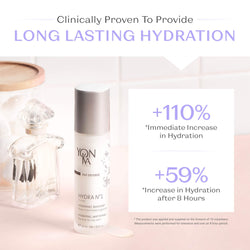
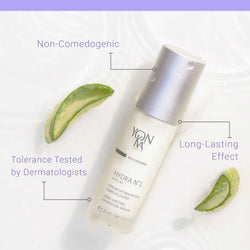
When dealing with localized dry patches, a serum or booster can provide a concentrated dose of active ingredients. For skin that feels tight and lacks water, a hyaluronic acid-based serum like Hydra N°1 Serum is ideal. Hyaluronic acid is a powerful humectant that can hold many times its weight in water, helping to plump the appearance of the skin from within.
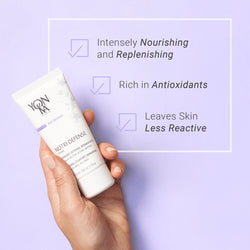
If the patches feel rough and "hungry" for oil, you may need to replenish lipids. Serum Omega is a lipid-restoring oil-in-serum that uses plant oils rich in essential fatty acids to reinforce the skin's barrier. You can also mix a few drops of Nutri + Booster into your moisturizer to provide extra nourishment during colder months.
Step 4: Sealing in Moisture
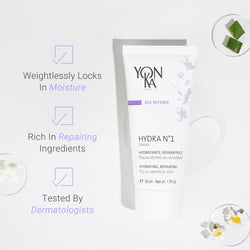
The final step is to apply a moisturizer that acts as an "occlusive" layer, sealing in the hydration from your serum. For intense relief, Hydra n°1 Crème provides long-lasting moisture and repair. If your skin is also showing the first signs of fine lines in those dry areas, Élastine Nuit can help smooth the appearance of the skin's surface overnight.
Note: When introducing a new botanical product into your ritual, we recommend performing a patch test on your inner forearm for 24 hours. While our formulas are designed for high tolerance, every skin is unique. Introduce one new product at a time to monitor your skin's response.
Advanced Care: Gentle Exfoliation and Masks
To truly banish the look of dry patches, you must address the buildup of dead skin cells. However, traditional scrubs can be too harsh for a compromised barrier.
Gommage Yon-Ka is a unique, grain-free exfoliator that uses citrus extracts and carob to gently "peel" away dead skin without any abrasive friction. This 4-in-1 botanical polish clarifies, hydrates, and balances the skin, making it perfect for even the most sensitive patches.
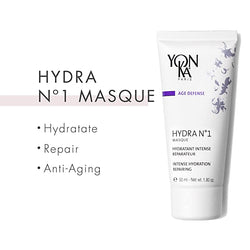
Additionally, a weekly hydrating mask can provide a "soaking" effect for the skin. Hydra n°1 Masque can be applied in a thick layer for 10 minutes or even left on overnight as an intensive treatment for exceptionally dry or chapped areas.
Key Takeaway: To resolve dry patches, transition to a ritual that emphasizes gentle, non-stripping cleansing, uses humectants like hyaluronic acid to bind water, and incorporates plant-based oils to repair the protective barrier.
The Role of Professional Expertise
While a home ritual is the cornerstone of skin health, professional treatments can offer a level of exfoliation and hydration that is difficult to achieve alone. A professional hydration facial at a Yon-Ka partner spa utilizes specialized techniques and professional-strength formulas to deeply nourish the skin. If you are unsure which products are right for your specific concerns, take our Skin Diagnosis quiz to help you build a customized program. You can also find a local expert by using our Spa Locator to experience a personalized consultation.
For a hands-on approach, Spa Treatments can help you explore professional services designed to support dry, dehydrated skin.
Conclusion
Identifying what causes dry patches of skin on face is the first step toward reclaiming a smooth, glowing complexion. By understanding the interplay between your environment, your lifestyle, and your skin's unique biology, you can move away from "quick fixes" and toward a sustainable, supportive ritual. At Yon-Ka Paris, our 70-year heritage in phyto-aromatic skincare is rooted in the belief that the power of plants, when handled with pharmaceutical rigor, can restore the skin's natural harmony. Whether you are addressing seasonal dryness or the changes that come with age, remember that consistent, gentle care is the most effective path to lasting results. We invite you to explore our dry & dehydrated skin collection and face moisturizers to find the perfect botanical partners for your skin's journey.
"Skincare is not just a routine; it is a moment of connection between the senses and the soul, where the wisdom of nature meets the needs of the skin."
FAQ
Can stress cause dry patches of skin on my face?
Yes, stress can indirectly contribute to dry patches by increasing cortisol levels, which can weaken the skin's barrier function. When the barrier is compromised, the skin loses moisture more easily and becomes more reactive to environmental irritants, leading to localized areas of dryness or redness.
Why do I have dry patches even though I have oily skin?
This is often a sign of dehydration rather than true dryness. While your skin may produce plenty of oil (sebum), it can still lack water due to harsh products, weather, or lack of hydration. This combination can result in oily skin that feels tight and has localized flaky or rough patches.
Should I use a face scrub to get rid of dry, flaky patches?
We generally advise against using harsh, grainy scrubs on dry patches, as the friction can further irritate and damage a weakened skin barrier. Instead, use a gentle, grain-free exfoliator like Gommage Yon-Ka, which uses botanical enzymes to lift dead skin cells without the need for abrasive scrubbing.
How long does it take for dry patches to go away with a new routine?
While some initial relief in tightness can be felt immediately, it typically takes 28 to 30 days—the duration of a full skin cell turnover cycle—to see a significant improvement in texture. Consistency is key, as the skin needs time to repair its barrier and regenerate healthy new cells.