Table of Contents
- Introduction
- The Unique Nature of Newborn Skin
- Common Causes of Dry Facial Skin in Infants
- Safe Ingredients: What to Look For
- Ingredients to Avoid for Newborns
- How to Apply Moisturizer to a Baby’s Face
- The Bathing Ritual: Preventing Dryness
- Managing Specific Conditions: Eczema and Cradle Cap
- Internal Hydration: The Role of Feeding
- Creating a Protective Environment
- When to See a Pediatrician
- The Phyto-Aromatic Philosophy for Families
- Conclusion
- FAQ
Introduction
The moment you bring your newborn home, every inch of their delicate skin becomes a priority. Noticing flaky patches or roughness on those soft cheeks can be a source of concern for any parent. This dryness is incredibly common as an infant’s skin adapts from the liquid environment of the womb to the dry air of the outside world. At Yon-Ka Paris, we believe that understanding the biology of the skin is the first step toward effective care, whether you are a skincare enthusiast or a new parent. This article covers the safe ingredients you can apply to a newborn’s face, the underlying causes of infant dryness, and how to establish a gentle ritual that protects their developing barrier. By prioritizing high-quality, plant-derived lipids and avoiding common irritants, you can support your baby’s skin health from the very beginning.
Quick Answer: For a newborn’s dry facial skin, use thick, fragrance-free moisturizers or ointments specifically formulated for infants, such as those containing ceramides, petrolatum, or plant-based lipids like shea butter and sunflower oil. Always ensure the product is free from alcohols and perfumes to avoid irritating their delicate, thin skin barrier.
The Unique Nature of Newborn Skin
To understand what is safe to put on a newborn’s face, we must first look at how their skin differs from our own. A newborn’s skin barrier is approximately 30% thinner than an adult's. This means it is far more permeable, making it easier for moisture to escape and for environmental irritants to enter.
During the first few months of life, a baby’s skin is in a state of rapid transition. It is less resistant to bacteria and lacks the mature "acid mantle"—the slightly acidic film on the skin's surface that acts as a primary defense mechanism. Because their sebaceous (oil) glands are not yet fully functional, they produce less sebum, which is the skin's natural way of staying lubricated.
The Role of the Hydrolipidic Film
In adult skincare, we often talk about the hydrolipidic film—a blend of sweat, sebum, and water that coats the skin. In newborns, this film is extremely fragile. It takes nearly two years for a child’s skin barrier to fully mature. Until then, the skin is prone to "trans-epidermal water loss" (TEWL), where water evaporates into the air, leaving the surface parched and prone to peeling.
Common Causes of Dry Facial Skin in Infants
While many parents worry that dry skin indicates an allergy, it is often a result of normal physiological processes or environmental factors. Identifying the cause helps you choose the right "topical" solution (something applied to the skin).
Newborn Skin Peeling (The Vernix Factor)
If your baby is only a few days old, the peeling you see is likely entirely normal. In the womb, babies are covered in a thick, waxy coating called vernix caseosa. This substance protects their skin from amniotic fluid. Once they are born and the vernix is washed away or absorbed, the outer layer of the skin begins to shed. This is not "dryness" in the traditional sense, but rather a natural exfoliating process.
Environmental Triggers
The air in our homes can be remarkably taxing on a baby’s face. Indoor heating in the winter and air conditioning in the summer both strip humidity from the air. Because a baby’s face is almost always exposed, it is the first area to show signs of environmental stress. High winds and cold temperatures can also cause "chapping" on the cheeks.
Irritants and Saliva
Newborns are prone to what is often called "drool rash" or "milk rash." Saliva contains enzymes intended to break down food, and when it sits on the delicate skin around the mouth and chin, it can break down the skin’s protective lipids. Similarly, residue from breast milk or formula can cause localized irritation and dryness if not gently wiped away.
Safe Ingredients: What to Look For
When choosing a product for a newborn’s face, the ingredient list should be short and focused on barrier repair. Look for "emollients" (which smooth the skin) and "occlusives" (which trap moisture).
- Ceramides: These are lipid molecules found naturally in the skin barrier. They act like "mortar" between the "bricks" (skin cells), helping to seal in moisture.
- Plant-based Lipids: Ingredients like sheat butter, sunflower seed oil, and coconut oil are rich in fatty acids that mimic the skin’s natural oils.
- Colloidal Oatmeal: Known for its soothing properties, this is excellent for skin that appears red or itchy.
- Squalane: A highly stable, skin-identical oil that provides intense hydration without a greasy residue.
- Glycerin: A "humectant" that draws water into the top layer of the skin.
Key Takeaway: The best products for a newborn's face are "bland" moisturizers that focus on replenishing lipids without adding unnecessary fragrances or active chemicals.
Ingredients to Avoid for Newborns
While botanical extracts and essential oils are the hallmark of many high-end adult skincare routines—including our own specialized formulas—the newborn stage requires a more minimalist approach.
Fragrances and Perfumes
Even if a product is labeled "natural," a fragrance can be a major irritant for an infant. Fragrances are one of the leading causes of contact dermatitis in babies. Always look for the label "fragrance-free" rather than "unscented," as unscented products may still contain masking fragrances.
Alcohols and Preservatives
Drying alcohols (like ethanol or isopropyl alcohol) should never be applied to a baby’s face, as they accelerate water loss. Additionally, avoid products containing parabens, phthalates, or harsh preservatives like methylisothiazolinone (MIT), which can be too aggressive for a developing immune system.
Botanicals and Food-Based Oils
Recent pediatric research suggests avoiding food-based oils (like olive oil or peanut oil) on the skin of very young infants, especially those with a family history of allergies. The theory is that exposing the immune system to food proteins through a broken skin barrier might increase the risk of developing food allergies later. Stick to highly refined, baby-safe oils.
How to Apply Moisturizer to a Baby’s Face
The "how" is just as important as the "what." A newborn's skin should be handled with extreme gentleness.
- Cleanse First: Use a soft, damp cloth with lukewarm water to gently pat away any milk or saliva residue. Do not rub.
- The "Damp Skin" Rule: The best time to apply a moisturizer is within three minutes of washing. This traps the "residual moisture" on the skin's surface.
- Warm the Product: Rub a small amount of the cream or ointment between your own clean palms to warm it up. This makes application more comfortable for the baby and helps the product spread more easily.
- Gentle Patting: Use your ring finger to gently dab the moisturizer onto the cheeks, forehead, and chin. Avoid the immediate area around the eyes and nostrils.
The Bathing Ritual: Preventing Dryness
What you do during the bath affects how dry the skin becomes after the bath. Over-washing is a primary cause of facial dryness in infants.
Frequency and Temperature
Newborns do not need a full bath every day. Two to three times a week is usually sufficient, provided the diaper area and skin folds are kept clean. The water should be lukewarm—never hot. Hot water strips the skin of its natural oils much faster than tepid water.
Soap-Free Cleansing
Skip the bubble baths and heavily scented soaps. Use a "syndet" (synthetic detergent) or a soap-free wash that is pH-neutral. Many parents find that plain water is enough for the face during the first few weeks. If you must use a cleanser, ensure it is designed for sensitive, infant skin.
Managing Specific Conditions: Eczema and Cradle Cap
Sometimes, dry skin on the face is a symptom of a specific condition rather than just general dryness.
Atopic Dermatitis (Baby Eczema)
Eczema affects about 15-20% of infants. It typically appears as red, itchy, and scaly patches on the cheeks. If your baby’s skin remains dry despite regular moisturizing, or if they seem uncomfortable and try to rub their face against bedding, they may have eczema. In these cases, a thick ointment (which has more oil than a lotion) is often more effective at creating a protective seal.
Cradle Cap (Seborrheic Dermatitis)
While cradle cap usually affects the scalp, it can migrate down to the eyebrows and the area around the nose. It looks like yellow, oily, crusty scales. This is caused by an overproduction of oil and is generally not itchy or painful. To manage this on the face, you can apply a tiny amount of a light moisturizing cream to soften the scales before gently wiping them away with a soft washcloth during bath time.
Internal Hydration: The Role of Feeding
Skincare is not just what we put on the body; it is also about how we hydrate from within. For a newborn, this means ensuring they are consuming enough breast milk or formula.
Dehydration can manifest as dry, "tented" skin (skin that doesn't immediately snap back when gently pinched). If your baby is not having at least six wet diapers a day or seems lethargic, the dryness on their face may be a sign of systemic dehydration, and you should contact your physician immediately. Note that newborns should not be given plain water to drink; all their hydration must come from milk.
Creating a Protective Environment
Beyond creams and ointments, you can support your baby’s skin by controlling their surroundings.
- Use a Humidifier: Especially in winter, a cool-mist humidifier in the nursery can prevent the air from pulling moisture out of the baby’s skin while they sleep.
- Choose Cotton Fabrics: Ensure that bedding and clothing are made of 100% cotton. Synthetic fabrics can be scratchy and don't allow the skin to "breathe," which can exacerbate dryness.
- Fragrance-Free Laundry: Use a detergent specifically formulated for babies or one that is free of dyes and perfumes. Residual chemicals in the bedding can irritate the skin on a baby’s face as they nuzzle into their mattress.
When to See a Pediatrician
Most cases of dry skin on a newborn's face are cosmetic and temporary. However, you should seek medical advice if you notice any of the following:
- Cracking or Bleeding: This indicates the barrier is severely compromised and could lead to infection.
- Pus or Yellow Crusting: This may be a sign of a bacterial infection, such as impetigo.
- Extreme Itchiness: If the baby is unable to sleep or is constantly scratching their face.
- Fever: Any rash or skin change accompanied by a fever in a newborn requires an immediate call to the doctor.
Note: While essential oils are a cornerstone of many botanical treatments, we recommend a cautious approach for infants. Always perform a patch test on a small area of the baby's leg or arm 24 hours before applying any new product to the face. If you notice persistent redness, discontinue use.
The Phyto-Aromatic Philosophy for Families
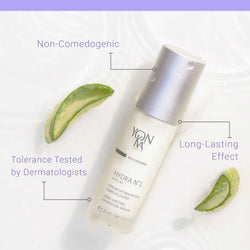
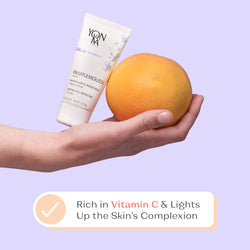
While our specialized Yon-Ka collections are designed to address the complex needs of adult skin—from the brightening effects of Serum C20 to the intense hydration of Hydra N°1 Crème—the philosophy we uphold remains the same across all ages: respect the skin's natural balance.
We believe that the skin is a living organ that responds best to ingredients it recognizes. This is why we prioritize formulas that average 92% ingredients of natural origin. For parents, this philosophy translates to choosing the most "biocompatible" products for their little ones—avoiding harsh synthetics and focusing on pure, restorative lipids.
As your child grows, their skincare needs will evolve. The gentle habits you establish now—patting the skin dry, moisturizing while damp, and choosing fragrance-free options—lay the foundation for a lifetime of healthy skin. For the adults in the family, exploring our ritual-based approach can turn a daily necessity into a moment of wellbeing. Learn more about our ingredients and the botanicals that shape our formulas.
Conclusion
Caring for a newborn’s dry facial skin requires a blend of patience, gentleness, and the right ingredients. By focusing on thick, fragrance-free emollients and maintaining a humid environment, you can help soothe flakiness and support the development of their precious skin barrier. Remember that "less is more" during these early months. Stick to simple, lipid-rich creams and avoid the lure of heavily scented baby products.
As you navigate these early days of parenthood, we invite you to explore the world of Yon-Ka Paris for your own skincare needs. Our commitment to pharmaceutical rigor and botanical excellence ensures that while you care for your baby, we can help care for you. If you are unsure which products are best suited for your own skin type as it changes postpartum, consider taking the time to browse our face moisturizers or the Dry & Dehydrated Skin collection.
"Skincare is more than a routine; it is a ritual of care that begins in infancy and evolves through every stage of life. At Yon-Ka, we honor the power of nature to protect and restore the skin's most delicate states."
FAQ
Is it safe to put coconut oil on my newborn's face?
In most cases, pure, organic, virgin coconut oil is safe for a newborn's face and acts as an excellent emollient. However, if there is a family history of nut or seed allergies, consult your pediatrician first, as some doctors recommend avoiding food-based oils on very young infants to prevent potential sensitization.
How often should I moisturize my baby's face?
You should moisturize your baby's face at least twice a day—once in the morning and once after their bath or evening cleaning. If the air is particularly dry or if the baby is drooling frequently, you may need to apply a thin layer of a barrier ointment more often to protect the skin.
Can I use my own moisturizer on my baby?
It is generally not recommended to use adult moisturizers on a newborn. Adult products often contain "active" ingredients like anti-aging peptides, AHAs, or fragrances that are far too strong for an infant's thin skin and can cause chemical burns or severe irritation. For adults dealing with dryness, a targeted product like Hydralessence Treatment can be a better fit for professional hydration support.
Why is the skin on my newborn's face peeling?
Peeling is a normal part of the newborn transition, especially if the baby was born at or after 40 weeks. It is often the shedding of the outer layer of skin that was protected by vernix in the womb; this usually resolves on its own within one to two weeks without the need for intensive treatment. If you want to explore Yon-Ka’s botanical approach to care, our phyto-aromatic ingredients explain how our formulas are built.
What can adults with very dry skin use instead?
Adults with dry skin often benefit from more targeted options such as Phyto-Contour for the eye area or other hydration-focused routines. For deeper reading, our blog offers more on how specific Yon-Ka products fit into a daily ritual.