Table of Contents
- Introduction
- The Biological Basis of Dryness
- Environmental Triggers
- Lifestyle Habits and Their Effects
- Identifying Potential Medical Concerns
- The Yon-Ka Phyto-Aromatic Ritual for Dry Skin
- Daily Habits to Prevent Future Flaking
- The Importance of Professional Guidance
- Conclusion
- FAQ
Introduction
Waking up to a complexion that feels tight, looks dull, and shows visible signs of peeling can be a frustrating start to the day. When you look in the mirror and see patches of uneven texture, your first instinct might be to reach for the heaviest cream available or try to scrub the flakes away. However, addressing the appearance of parched skin requires a deeper understanding of what is happening beneath the surface. At Yon-Ka Paris, we believe that skin health is a reflection of both internal balance and external protection. This article will explore the various environmental, biological, and lifestyle factors that contribute to facial dryness. By identifying these triggers, you can move away from temporary "hacks" and toward a refined, phyto-aromatic ritual that supports a supple and radiant-looking complexion. Understanding these causes is the first step in restoring your skin's natural harmony.
The Biological Basis of Dryness
To understand what can cause dry flaky skin on face, we must first look at the skin’s natural defense mechanisms. Our skin serves as a sophisticated barrier, designed to keep essential moisture in and environmental aggressors out. When this barrier is compromised, the result is often the rough, scaly texture we associate with dryness.
The Role of Sebum and Lipids
The skin produces natural oils, known as sebum, which act as a sealant for the skin’s surface. These lipids (fats) are essential for maintaining a smooth appearance and preventing transepidermal water loss—a process where moisture evaporates from the skin into the air. If your skin produces too little sebum, it becomes "dry" by nature. This lack of oil makes the skin more vulnerable to cracking and flaking because there is no protective coating to keep the cells flexible and flat.
The Difference Between Dry and Dehydrated Skin
It is a common misconception that dry skin and dehydrated skin are the same. Dry skin is a skin type characterized by a lack of oil. Dehydrated skin is a temporary condition characterized by a lack of water. Even those with oily skin can experience dehydration and flaking if their water levels are low. While dry skin needs lipids to feel comfortable, dehydrated skin craves humectants (substances that attract water). If you want more guidance on this distinction, our article on dry vs. dehydrated skin is a helpful next step.
The Impact of Age on Oil Production
As we journey through life, our skin undergoes significant physiological changes. For many, the most noticeable shift occurs in the 40s and 50s. During this time, the activity of the sebaceous (oil) glands begins to slow down. This biological decline in sebum production is often what leads to increased flakiness in mature skin. Without the abundant oils of youth, the skin barrier becomes thinner and less resilient, making it more susceptible to environmental stressors. For age-focused hydration support, the Age Exception range is a natural fit.
Environmental Triggers
The world around us has a profound impact on how our skin looks and feels. Often, the cause of sudden flaking isn't something we are doing wrong, but rather the atmosphere we are living in.
Seasonal Shifts and Humidity
The transition into winter is perhaps the most notorious culprit for facial dryness. When the temperature drops, the air loses its ability to hold moisture. This dry air acts like a sponge, pulling hydration out of your skin. Similarly, extreme heat in summer can lead to parched skin, especially if accompanied by high winds that accelerate evaporation. These seasonal fluctuations can disrupt the skin's equilibrium, leading to temporary bouts of roughness. For more seasonal care ideas, see our dry skin care articles.
Indoor Heating and Air Conditioning
While we rely on climate control for comfort, central heating and air conditioning are significantly drying. Forced-air heating systems remove humidity from indoor environments, creating an "artificial desert" in your living room or office. Spending eight hours a day in a low-humidity environment can leave the face feeling tight and looking ashy by evening.
Ultraviolet (UV) Exposure
Sun damage is a leading cause of a compromised skin barrier. When skin is overexposed to UV rays, the outer layers become thickened and damaged, a process that often results in a "leathery" or flaky appearance. Chronic sun exposure saps the skin of its natural moisture-binding substances, leading to long-term dryness and the appearance of fine lines.
Key Takeaway: Environmental dryness is often temporary and manageable. By adjusting your surroundings—such as using a humidifier—and protecting your skin with antioxidants, you can help mitigate the impact of the elements.
Lifestyle Habits and Their Effects
Sometimes, the rituals we think are helpful are actually the very things causing our skin to flake. Small adjustments in your daily routine can make a significant difference in the appearance of your skin's texture.
The Danger of Hot Water
There is nothing quite as relaxing as a steaming hot shower, but your skin may disagree. High water temperatures can melt away the essential lipids that keep your skin barrier intact. When these oils are stripped, the skin is left "naked" and unable to hold onto moisture. If you notice your face feels particularly tight immediately after bathing, the temperature is likely too high. Switching to lukewarm water is one of the simplest ways to support a healthy-looking barrier.
Harsh Cleansers and Sulfates
Many conventional cleansers use strong surfactants (cleansing agents) like SLS (sodium lauryl sulfate) to create a foamy lather. While these are effective at removing dirt, they are often too aggressive for the delicate skin on the face. They can strip away the "good" oils along with the "bad" debris. At Yon-Ka, we prioritize gentle, barrier-respecting cleansing to ensure the skin remains balanced. A product like Lait Nettoyant, our iconic cleansing milk, can remove impurities while maintaining the skin's lipid levels, which is crucial for preventing flakiness.
Over-Exfoliation
In an attempt to remove visible flakes, many people turn to harsh physical scrubs or high-strength acid peels. While exfoliation is necessary to remove dead skin cells, doing it too frequently or too aggressively can create a cycle of irritation. Over-exfoliating damages the newly forming skin cells underneath, leading to more redness and more flaking. It is better to use a gentle, grain-free approach to encourage natural cell turnover without the trauma of scrubbing. If you prefer a softer at-home polish, our face exfoliators collection is worth exploring.
Identifying Potential Medical Concerns
While most dry skin can be managed with a consistent skincare ritual, persistent flaking may sometimes be linked to underlying conditions. It is important to recognize when a concern might require professional medical advice.
Common Skin Conditions
Conditions such as eczema (atopic dermatitis), psoriasis, and rosacea are frequently characterized by dry, flaky patches. Eczema often involves an itchy, red rash and a severely compromised barrier. Psoriasis typically presents as thicker, silvery scales. Rosacea, while often associated with redness, can also lead to extreme sensitivity and dryness. If your skin is persistently inflamed, painful, or does not respond to high-quality moisturizers, consulting a dermatologist or physician is the best course of action.
The Role of Nutrition and Hydration
What we put into our bodies is just as important as what we put on our skin. Deficiencies in certain vitamins—particularly Vitamin A, Vitamin D, and essential fatty acids like Omega-3—can manifest as dry, scaly skin. Additionally, while drinking water is vital for overall health, systemic dehydration can leave the skin looking lackluster and less "plump." A balanced diet rich in healthy fats and antioxidant-rich plants supports the skin's ability to repair itself from within. You can also learn more about the role of botanicals on our ingredients page.
Medications and Side Effects
Certain medications are known to cause dryness as a side effect. This is common with treatments for high blood pressure, cholesterol, and even some topical acne medications or high-concentration retinols. If you have recently started a new medication and noticed a change in your skin's texture, it is worth discussing with your healthcare provider.
The Yon-Ka Phyto-Aromatic Ritual for Dry Skin
Addressing dry, flaky skin requires a holistic approach that centers on nourishment and protection. Our philosophy is rooted in the "Quintessence"—a unique complex of lavender, geranium, rosemary, cypress, and thyme essential oils. These botanicals work in synergy to stabilize and revitalize the skin's appearance.
Step 1: Gentle Cleansing
The first step in any ritual for dry skin is to cleanse without stripping. Avoid "squeaky clean" feelings, which indicate a damaged barrier. Use a creamy, hydrating cleanser like Lait Nettoyant. This milk cleanser is designed to respect the skin's pH and lipid balance, leaving the face feeling soft and prepared for the next steps.
Step 2: Prepare and Mist
Traditional toners often contain alcohol, which is incredibly drying for flaky skin. Instead, we recommend a phyto-aromatic mist like Lotion Yon-Ka PS. This alcohol-free mist is specifically formulated for dry and sensitive skin. It provides an immediate burst of hydration and uses the power of the Quintessence to soothe the appearance of redness and irritation.
Step 3: Targeted Treatment
When skin is actively flaking, it needs intensive support. This is where serums and oils play a vital role. For a deeper dive into product pairings, our Product Matcher can help guide your routine.
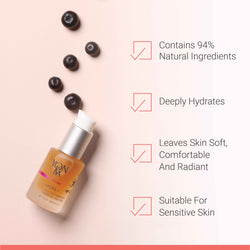
- Serum Omega: This ultra-nourishing oil-in-serum is rich in Omega-3, 6, and 9 fatty acids. It is designed to "repair" the look of the skin barrier by providing the lipids that dry skin lacks.
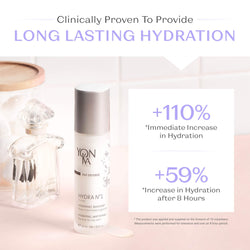
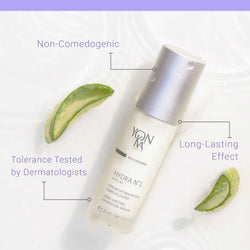
- Hydra n°1 Serum: For those whose dryness is compounded by dehydration, this serum provides long-lasting hydration with hyaluronic acid and vegetable glycerin.
Step 4: Moisturize and Seal
A high-quality moisturizer acts as a protective shield. For very dry skin, Hydra n°1 Serum pairs well with the rest of your hydration ritual, and the broader face moisturizers collection offers more options for building a complete routine. If your skin needs more revitalization, Phyto 52 uses rosemary to firm and tone the skin's appearance, while providing the necessary emollients to banish flakiness.
Step 5: Professional Exfoliation
To address the flakes themselves, avoid harsh scrubs. Gommage Yon-Ka is a professional-grade, grain-free exfoliator that "peels" away dead skin cells using botanical enzymes. This allows you to achieve a smooth surface without the irritation that can lead to further dryness.
Note: When introducing these aromatic products into your routine, we recommend a simple patch test on your inner forearm for 24 hours. Introduce one new formula at a time to allow your skin to acclimate to the active botanical ingredients.
Daily Habits to Prevent Future Flaking
Maintaining a luminous complexion is a marathon, not a sprint. Consistency in your lifestyle choices will support the work your skincare products are doing.
- Manage Your Environment: Use a cool-mist humidifier in your bedroom at night to combat the drying effects of indoor heating.
- Sun Protection Every Day: UV damage is a silent thief of moisture. Even on cloudy days, apply a broad-spectrum SPF to protect your barrier from degradation.
- Hydrate from Within: While topical products are essential, supporting your body with water and mineral-rich foods (like cucumbers, watermelon, and leafy greens) helps maintain overall cellular health.
- Rinse After Swimming: Chlorine and salt water are highly alkalizing and drying. Always rinse your face with fresh water and apply a mist like Lotion Yon-Ka PS immediately after leaving the pool or ocean.
Myth: "Oily skin cannot be dry." Fact: Oily skin can frequently become dehydrated or flaky, especially if you are using aggressive acne treatments. This is often a sign that the skin is overproducing oil to compensate for a lack of water. Balanced hydration is necessary for all skin types.
The Importance of Professional Guidance
While at-home care is the foundation of skin health, the expertise of a professional can take your results to the next level. Over 7,000 skincare professionals worldwide trust Yon-Ka for their treatment rooms. A professional facial can provide deep hydration and specialized exfoliation that is difficult to achieve at home.
Our treatments are designed to be sensorial experiences that address both the skin and the spirit. If you find that your dry skin is particularly stubborn, we encourage you to explore Hydralessence, our thirst-quenching treatment designed to restore comfort. A licensed aesthetician can analyze your skin’s specific needs and recommend a customized program of products and treatments.
Conclusion
Dry, flaky skin on the face is a common concern with many potential origins, ranging from the air we breathe to the biological shifts of aging. By understanding these causes and adopting a ritual that prioritizes barrier health and phyto-aromatic nourishment, you can restore a sense of comfort and radiance to your complexion. Skincare is not just about correcting a problem; it is a daily act of self-care that honors the skin's natural resilience. At Yon-Ka Paris, we remain dedicated to the fusion of nature and science, providing you with the botanical tools needed to navigate the changing needs of your skin.
To find the perfect products for your specific concerns, we invite you to take our Skin Diagnosis quiz or use our Product Matcher tool. Whether you are looking for deep hydration or lipid-restoring oils, there is a botanical solution waiting for you.
"True beauty is found in the balance between the wisdom of nature and the discipline of a consistent ritual."
FAQ
Why is my face flaky even though I moisturize?
Flakiness can persist if you are only applying a surface-level moisturizer without addressing the underlying causes. You may need to gently exfoliate dead skin cells with Gommage Yon-Ka so your moisturizer can actually penetrate, or you may need to add a lipid-rich serum like Serum Omega to support a compromised skin barrier.
Can drinking more water fix my dry skin?
While systemic hydration is important for overall health, drinking water alone is usually not enough to fix dry skin. Because dryness is often caused by a lack of oil (lipids) or environmental damage to the skin barrier, you must use topical products to "seal" moisture into the skin and prevent it from evaporating.
Should I scrub the flakes off my face?
No, aggressive scrubbing can cause micro-tears in the skin and further damage the barrier, leading to more irritation and flaking. It is much more effective to use a gentle, grain-free enzymatic exfoliator that dissolves the bonds between dead skin cells without the need for harsh friction.
Is it normal for my skin to get drier as I get older?
Yes, it is very common for skin to produce less sebum (oil) as we age, particularly after the age of 40. This biological shift makes the skin more prone to dryness and flakiness, which is why transitioning to more nourishing, lipid-rich products like those in our Age Exception range can be very beneficial.