Table of Contents
- Introduction
- Understanding the Root of Dry Skin
- The Science of Hydration: Three Key Categories
- The Phyto-Aromatic Approach to Nourishment
- Finding Your Perfect Match: Specific Recommendations
- Customizing Your Cream with Boosters
- Building the Ideal Ritual for Dry Skin
- Important Considerations for Sensitive Skin
- The Role of Exfoliation in a Dry Skin Routine
- When to See a Professional
- Conclusion
- FAQ
Introduction
The uncomfortable pull of tight skin, the appearance of fine, flaky patches, and a loss of natural radiance are more than just cosmetic inconveniences. When your skin feels parched, it is often a signal that your delicate moisture barrier is struggling to retain the hydration it needs to stay supple and resilient. Finding the right solution means looking beyond basic hydration to discover formulas that truly nourish, repair, and protect. At Yon-Ka Paris, we have spent seven decades perfecting the art of phyto-aromatic care, blending the finest botanical extracts with pharmaceutical-grade standards to address the specific needs of dry and dehydrated complexions. This article explores the science behind skin dryness, the essential ingredients that support a healthy-looking barrier, and how to select a face cream that provides lasting comfort. Our goal is to help you transform your daily moisturizing step into a restorative ritual that leaves your skin feeling soft, plumped, and thoroughly revitalized.
Understanding the Root of Dry Skin
Before selecting a moisturizer, it is essential to understand why skin becomes dry in the first place. Many people use the terms "dry" and "dehydrated" interchangeably, but in the world of professional skincare, they represent two different concerns. Dry skin is a skin type characterized by a lack of oil (lipids), whereas dehydrated skin is a temporary condition where the skin lacks water.
The outermost layer of your skin, often called the skin barrier or the acid mantle, acts as a protective shield. When this barrier is healthy, it keeps moisture in and environmental irritants out. However, when the barrier is compromised, you experience transepidermal water loss (TEWL). This is a process where the water inside your skin evaporates into the air, leaving the surface feeling rough and looking dull.
Several factors can contribute to a weakened barrier and persistent dryness:
- Environmental Stressors: Cold winter air, low humidity, and harsh winds can strip moisture from the skin's surface.
- Age-Related Changes: As we mature, our skin naturally produces fewer oils and ceramides, which are the "glue" that holds skin cells together.
- Over-Exfoliation: Using harsh scrubs or high concentrations of active ingredients like retinol and AHAs too frequently can disrupt the protective lipid layer.
- Lifestyle Factors: Hot showers, central heating, and even some medications can lead to a parched complexion.
Quick Answer: The best face creams for dry skin combine humectants to draw in water, emollients to smooth the surface, and occlusives to seal in moisture. Look for botanical-rich formulas that include ingredients like hyaluronic acid, ceramides, and nourishing plant oils to restore the skin's appearance of suppleness.
The Science of Hydration: Three Key Categories
When searching for the best face cream for dry skin, you should look for a balanced formula that addresses the skin's needs through three specific types of ingredients. A high-quality cream rarely relies on just one; instead, it uses a synergistic blend to provide a multi-layered approach to hydration.
Humectants: The Moisture Magnets
Humectants are substances that attract water. They work like tiny sponges, drawing moisture from the air or from the deeper layers of the dermis to the surface of the skin.
- Hyaluronic Acid: A superstar humectant that can hold many times its weight in water, helping the skin look plumped and fresh.
- Glycerin: A classic, reliable humectant that helps maintain the appearance of skin elasticity.
- Aloe Vera: Known for its soothing properties, aloe provides immediate cooling hydration to parched skin.
Emollients: The Skin Smoothers
Emollients are lipids (fats) and oils that fill in the gaps between skin cells where moisture has been lost. They help to soften the skin and improve the appearance of its texture, making it feel silky rather than rough.
- Ceramides: These are naturally occurring lipids in the skin that are crucial for a strong barrier.
- Plant-Derived Squalane: This mimics the skin’s natural sebum, providing deep softening without a heavy, greasy feel.
- Grape Seed Oil: Rich in antioxidants and essential fatty acids, it helps support the look of skin resilience.
Occlusives: The Protective Seal
Occlusives are the final step in the hydration process. They form a thin, protective film on the surface of the skin to physically block water from escaping. For those with very dry skin, occlusives are vital for preventing transepidermal water loss.
- Shea Butter: A rich, botanical butter that provides an intense barrier and helps soothe the look of redness.
- Beeswax: A natural occlusive that provides a breathable seal on the skin.
- Vegetable Oils: Heavier oils like hazelnut or wheat germ oil act as natural seals for moisture.
The Phyto-Aromatic Approach to Nourishment
At Yon-Ka Paris, we believe that the best way to address dry skin is through the power of nature, refined by science. Our philosophy is rooted in four plant sciences: aromatherapy, aromachology, phytotherapy, and marine biology. This holistic approach ensures that our products do more than just sit on the surface of the skin; they provide a sensorial experience that supports both the skin’s appearance and the user’s sense of wellbeing.
The heart of our formulations is the Quintessence. This exclusive complex of five essential oils—Lavender, Geranium, Rosemary, Cypress, and Thyme—is 100% natural and active. While many people associate essential oils only with scent, we use them for their incredible ability to support the skin's natural functions. For dry skin, the Quintessence provides a revitalizing effect that helps the skin appear more vibrant and healthy.
Key Takeaway: Effective treatment for dry skin requires a ritual-based approach that combines deep hydration with barrier protection. Using products that respect the skin's natural pH and lipid balance is essential for achieving a long-term, radiant glow.
Finding Your Perfect Match: Specific Recommendations
Not all dry skin is the same. Some people experience seasonal dryness, while others deal with chronic tightness or mature skin that has lost its natural oils. Selecting the best face cream involves identifying your specific skin concerns.
For Intense Hydration and Plumping
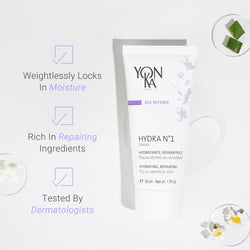
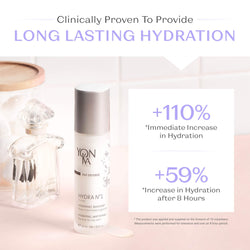
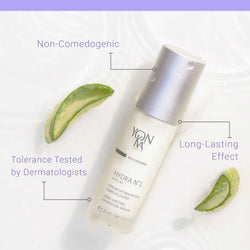
If your skin feels tight and looks dehydrated, you need a formula that focuses heavily on water retention. Hydra N°1 Crème is our premiere solution for those with dry or sensitive skin. It features two forms of hyaluronic acid alongside aloe vera and shea butter. This cream is designed to provide long-lasting hydration, helping to reduce the look of fine lines caused by dehydration while leaving the skin feeling comforted and smooth.
For Mature Skin with Signs of Aging
As we age, the skin's needs become more complex. You may be looking for a cream that addresses both dryness and the appearance of wrinkles. Time Resist Nuit is formulated with plant stem cells and youth-activating ingredients that support the skin's appearance at night and its natural repair process while you sleep. This cream provides the rich texture that mature, dry skin craves while targeting the visible signs of aging.
For Firming and Revitalizing
For skin that feels "slack" or looks tired in addition to being dry, Phyto 52 is a classic choice. This firming cream is enriched with rosemary, which has a natural "lifting" effect on the appearance of facial contours. It provides a revitalizing sensation and is particularly effective when used as part of an evening ritual to help the skin look refreshed by morning.
For Deep Repair and Nighttime Recovery
The skin does its most important work while we sleep. For those with very dry, damaged, or flaky skin, an intensive night cream is a must. Elastine Nuit helps to soften the appearance of first wrinkles while providing a rich, emollient base that supports the skin's natural barrier. It uses milk proteins and essential fatty acids to nourish the complexion deeply.
Customizing Your Cream with Boosters
One of the unique aspects of our approach is the ability to customize your face cream based on your skin's daily needs. If you find that your favorite cream isn't quite rich enough during a cold snap or a long flight, you can enhance it with a booster.
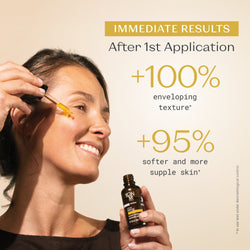
The Nutri + Booster is specifically designed for dry skin. This oil-based elixir is rich in vitamin E and wheat germ oil. By adding a few pumps to your daily moisturizer, you can instantly transform it into a more lipid-rich formula. This "mixology" approach allows you to adapt your skincare ritual to environmental changes without having to switch your entire routine.
Building the Ideal Ritual for Dry Skin
Applying a face cream is most effective when the skin is properly prepared. Following a consistent, layered ritual ensures that the active ingredients in your cream can penetrate the surface and do their best work.
Step 1: Gentle Cleansing
For dry skin, the goal is to cleanse without stripping away natural oils. Lait Nettoyant is a creamy cleansing milk that respects the skin's delicate barrier. It removes makeup and impurities while leaving the skin feeling soft and hydrated. Always use lukewarm water, as hot water can further dry out the skin.
Step 2: The Essential Mist
After cleansing, preparing the skin is crucial. Lotion Yon-Ka PS is much more than a toner. It is a phyto-aromatic mist that drenches the skin in the Quintessence. Applying your serum and cream while the skin is still slightly damp from the mist significantly enhances the absorption of subsequent products.
Step 3: Targeted Serum
Before your face cream, apply a serum to address specific concerns. For deep hydration, a few drops of Hydra N°1 Serum can provide a "base coat" of moisture that your cream will then seal in. If you want help choosing the right option, use the Product Matcher for a more tailored routine.
Step 4: Moisturize and Protect
Apply your chosen face cream using gentle, upward strokes. During the day, always finish with sun protection to prevent further damage to the skin barrier. At night, your cream can be applied a bit more generously to act as a restorative mask while you sleep. For a wider selection of formulas, explore our face moisturizers collection.
Important Considerations for Sensitive Skin
Dry skin and sensitivity often go hand-in-hand. When the barrier is weak, the skin is more susceptible to irritation from external factors. Because our products contain active botanical ingredients and essential oils, we recommend a mindful approach to introducing new items into your routine.
- Patch Test First: When using a new product, apply a small amount to your inner forearm and wait 24 hours to ensure no redness or irritation occurs.
- One Step at a Time: Introduce new products one by one, rather than changing your entire routine overnight.
- Listen to Your Skin: A slight tingling sensation can sometimes occur with active essential oils, which is often normal. However, if you experience persistent redness or discomfort, reduce the frequency of use or discontinue the product.
Note: If you experience severe reactions like facial swelling or persistent, painful rashes, consult your physician or a dermatologist immediately. Skincare should enhance your comfort, not cause distress.
The Role of Exfoliation in a Dry Skin Routine
It may seem counterintuitive to exfoliate dry skin, but it is a vital step. When dry, dead skin cells build up on the surface, they act as a barrier that prevents your face cream from reaching the living cells underneath. The key is to exfoliate gently.
We recommend Gommage Yon-Ka, a grain-free, botanical peeling gel. Unlike harsh scrubs that can create micro-tears in a dry barrier, this gel uses citrus extracts and carob to gently lift away dead cells while hydrating the skin. Using this once or twice a week will ensure your moisturizers can work at their maximum capacity.
When to See a Professional
While a high-quality face cream can significantly improve the appearance of dry skin, some conditions require professional intervention. If you suffer from persistent, painful cracking, suspected eczema, rosacea, or psoriasis, a dermatologist can provide a medical diagnosis and treatment plan.
We also believe in the power of professional touch. There is no substitute for the deep nourishment of a professional spa treatment. Our estheticians are trained to analyze your skin and provide customized treatments that deeply cleanse and hydrate beyond what home care alone can achieve. You can visit our treatments page or find a Yon-Ka spa near you to connect with a certified professional.
Conclusion
Finding the best face cream for dry skin is a journey toward restoration and comfort. By choosing formulas that respect the skin's barrier and utilize the synergistic power of plant-based ingredients like those found in the Hydra n°1 collection, you can transform a parched complexion into one that looks healthy and vibrant. Remember that consistency is key; a dedicated ritual of cleansing, toning, and moisturizing will provide far better results than any single "miracle" product.
At Yon-Ka Paris, our mission remains the same as it was in 1954: to provide professional-grade, phyto-aromatic skincare that honors the harmony between nature and science. Whether you are looking for an intense hydration boost or a luxurious anti-aging cream, our formulas are designed to make your daily routine a moment of true self-care.
"Skincare is not just a daily chore; it is an invitation to pause, breathe in the healing scents of nature, and nourish the skin that protects you every day."
To discover which of our moisturizers is right for your unique needs, we invite you to take our skin diagnosis quiz or explore our ingredients on our website. You can also browse our anti-aging collection for richer options or return to the dry & dehydrated skin collection to refine your search.
FAQ
Why does my skin feel dry even after moisturizing?
If your skin remains dry after applying cream, it may be because you are only using humectants (which draw water in) without enough occlusives (which lock water in). Additionally, a buildup of dead skin cells can prevent your moisturizer from absorbing; regular, gentle exfoliation can help solve this problem.
What is the difference between a lotion and a cream for dry skin?
Generally, lotions have a higher water content and are lighter in texture, making them suitable for oily or combination skin. Creams are richer, contain more oils and butters, and provide the heavy-duty barrier protection that truly dry skin requires to prevent moisture evaporation.
Can I use a face oil instead of a face cream for dry skin?
While face oils are excellent emollients, they do not usually contain humectants like hyaluronic acid. For the best results, it is better to use a face cream that provides both water-based hydration and oil-based protection, or to layer a few drops of an oil booster over your cream.
How often should I apply face cream for dry skin?
For most people, applying a face cream twice daily—once in the morning and once before bed—is sufficient. However, if you live in an extremely dry climate or work in an office with heavy air conditioning, you may find it helpful to re-apply a lightweight hydrating mist or cream during the day for extra comfort.