Table of Contents
- Introduction
- What Is Dry Flaky Skin on the Face?
- Common Causes of Facial Flaking
- Dry vs. Dehydrated Skin: Knowing the Difference
- The Phyto-Aromatic Approach to Skin Recovery
- A Ritual to Calm and Smooth Flaky Skin
- Weekly Deep Repair: The Power of Masking
- Lifestyle Adjustments to Support Your Skin
- When to See a Professional
- Choosing the Right Ingredients
- Conclusion
- FAQ
Introduction
There is a specific, unsettling feeling that comes with catching your reflection in the afternoon light and noticing patches of rough, uneven texture across your cheeks or forehead. It often starts as a subtle tightness after cleansing, but soon evolves into visible peeling that disrupts your makeup and leaves your complexion looking dull and fatigued. Understanding what is dry flaky skin on face is the first step toward reclaiming that soft, luminous vitality we all desire. At Yon-Ka Paris, we believe that skin in this state is not a permanent condition, but a plea for balance and deep, botanical nourishment. In this article, we will explore the underlying causes of facial flaking, the crucial difference between dryness and dehydration, and how a dedicated phyto-aromatic ritual can restore your skin's natural harmony. By learning to support your skin barrier with pharmaceutical-grade plant actives, you can transform a rough texture into a smooth, radiant canvas.
What Is Dry Flaky Skin on the Face?
When we talk about flaking or peeling on the face, we are looking at a disruption in the skin's natural desquamation process. In a healthy state, your skin cells turn over approximately every 28 days. New cells form at the base of the epidermis and migrate to the surface, where they eventually shed invisibly.
When the skin is compromised, these dead cells do not shed individually. Instead, they clump together and remain attached to the surface, creating the visible "flakes" or "scales" you see in the mirror. This is often accompanied by a sensation of tightness, especially after the skin has been in contact with water.
Quick Answer: Dry flaky skin on the face is a visible accumulation of dead skin cells that have failed to shed properly, usually caused by a compromised skin barrier or a lack of essential lipids and moisture. It often appears as rough patches, peeling, or a dull complexion.
The Role of the Skin Barrier
Think of your skin barrier, or the stratum corneum, as a protective shield made of "bricks and mortar." The bricks are your skin cells (corneocytes), and the mortar is a rich matrix of lipids, including ceramides, cholesterol, and fatty acids.
When this mortar is depleted, "cracks" appear in the shield. This leads to two major issues:
- Transepidermal Water Loss (TEWL): Vital moisture evaporates from the skin into the air.
- External Sensitization: Irritants and pollutants can penetrate the skin more easily, leading to the redness and "stinging" often associated with dry, flaky patches.
Common Causes of Facial Flaking
Understanding why your skin is behaving this way is essential for choosing the right solutions. Flaking is rarely caused by a single factor; it is usually a combination of environmental, lifestyle, and biological triggers.
Environmental Stressors
The air around us plays a massive role in our skin's hydration levels. During the winter, cold outdoor air holds very little moisture, and indoor heating systems further strip the humidity from our environment. This constant "thirst" from the air literally pulls moisture out of your face. Conversely, excessive sun exposure in the summer can damage the skin's surface, leading to "sun-induced" peeling as the body tries to shed damaged cells.
Over-Exfoliation and Harsh Products
One of the most common mistakes people make when they see flakes is to scrub them away. While it seems logical to use a gritty physical scrub or a high-percentage acid to "clear" the debris, this often backfires. Harsh surfactants in foaming cleansers or alcohol-heavy toners can strip away the very lipids that hold your skin barrier together. If you over-exfoliate, you damage the underlying new cells before they are ready to surface, leading to even more inflammation and flaking.
Aging and Hormonal Shifts
As we age, our sebaceous glands become less active. These glands produce sebum, the natural oil that keeps our skin supple. Starting in our 40s, and accelerating during menopause, the skin's ability to produce these protective oils drops significantly. This biological shift is a primary reason why skin that was once oily or "normal" can suddenly become dry and flaky.
Hot Water Exposure
We often crave a steaming hot shower, especially on cold mornings. However, hot water is incredibly efficient at dissolving the natural oils on your skin's surface. If you wash your face in the shower under a hot stream, you are likely rinsing away your skin's best defense against dryness.
Dry vs. Dehydrated Skin: Knowing the Difference
It is a common misconception that "dry" and "dehydrated" are the same thing. In the world of professional skincare, they represent two distinct issues that require different approaches.
| Feature | Dry Skin (Alipidic) | Dehydrated Skin |
|---|---|---|
| Primary Lack | Oil (Lipids/Sebum) | Water (H2O) |
| Origin | Genetic Skin Type | Temporary Condition |
| Feel | Rough, tight, persistent | Tight but may be oily underneath |
| Appearance | Small pores, visible flakes | Fine lines, "crepey" texture, dullness |
| Solution | Nourishing oils and butters | Humectants and water-binders |
If your skin is flaky, you likely have a combination of both. You lack the oil to "seal" the skin and the water to keep the cells plump. This is why a multi-layered ritual, rather than a single heavy cream, is so effective at resolving the appearance of flakes.
The Phyto-Aromatic Approach to Skin Recovery
At Yon-Ka, we don't just look at the surface; we look at the skin's overall vitality. Our approach is rooted in the synergy of plant sciences—aromatherapy, phytotherapy, and aromachology.
The heart of our formulations is the Quintessence, an exclusive complex of five essential oils: lavender, geranium, rosemary, cypress, and thyme. This 100% natural and active complex works to stabilize the skin and enhance the efficacy of the botanical actives it is paired with. For flaky skin, these oils provide a dual benefit: they help support the skin's natural reparative processes while the scent provides a moment of "aromachological" calm, reducing the stress that can often exacerbate skin issues. To learn more about the philosophy behind these ingredients, explore our ingredients page.
Note: When introducing essential oil-rich products into your routine, we recommend performing a patch test on your inner forearm for 24 hours. Introduce one new product at a time to allow your skin to adjust to the active botanical ingredients.
A Ritual to Calm and Smooth Flaky Skin
To address what is dry flaky skin on face effectively, we must move away from "quick fixes" and toward a consistent, barrier-respecting ritual. The goal is to gently remove dead cells while simultaneously flooding the skin with moisture and lipids.
Step 1: Gentle, Barrier-Respecting Cleansing
The biggest mistake in treating flaky skin is using a cleanser that leaves the skin feeling "squeaky clean." This sensation is actually the sound of a damaged barrier.
Instead, opt for a milk-based cleanser like Lait Nettoyant. This botanical cleansing milk cleanses and removes makeup while respecting the skin's hydrolipidic film. It leaves the skin feeling soft and supple rather than tight. You can also read more in our Product Spotlight: Lait Nettoyant.
Pro Tip: Apply your cleanser with your fingertips using gentle, circular motions. Rinse with lukewarm water—never hot—and pat your skin dry with a soft towel. Never rub.
Step 2: The Hydrating Mist
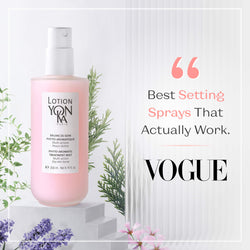
Most people skip toner or use one that is far too astringent. Our Lotion Yon-Ka PS is more than a toner; it is a phyto-aromatic "healing water."
This mist is a cornerstone of our ritual because it prepares the skin to better absorb subsequent treatments. When the skin is slightly damp with this aromatic mist, your serums and moisturizers can penetrate more deeply and evenly. For a closer look at how it fits into a daily routine, see Product Spotlight: Lotion Yon-Ka.
Step 3: Targeted Treatment with Nourishing Boosters
If your skin is visibly flaking, it is starving for lipids. A standard moisturizer might not be enough to bridge the gap. This is where a booster or oil-in-serum becomes essential.
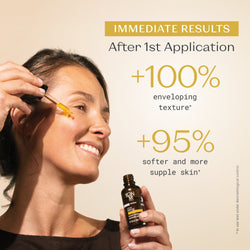
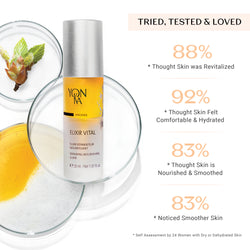
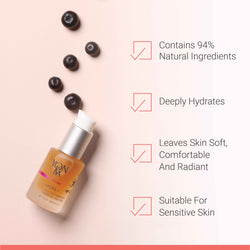
Serum Omega is a savior for dry, compromised skin. Enriched with omega-3, 6, and 9 fatty acids from sea buckthorn and pomegranate, it provides the "mortar" your skin barrier is missing. It helps to smooth the appearance of rough patches and provides immediate comfort to tight, irritated skin.
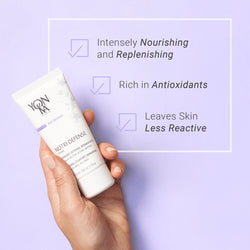
For those who prefer to customize their existing moisturizer, Nutri+ Booster can be added to your cream. This nutrient-dense oil concentrate provides an extra dose of antioxidants and vitamins to help revitalize the look of dull, flaky skin.
Step 4: Intensive Moisturization
The final step in your home ritual is to seal everything in with a high-performance cream.
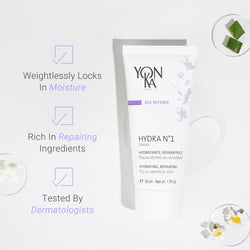
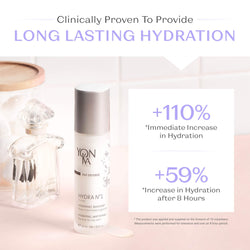
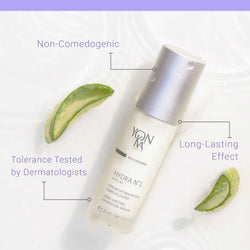
For intense hydration, Hydra N°1 Crème is specifically designed for dehydrated, dry skin. It utilizes two weights of hyaluronic acid to provide both immediate surface plumping and long-term moisture retention.
If your skin is mature and experiencing flaking along with a loss of firmness, Time Resist Jour and Time Resist Nuit provide a more intensive approach, helping to reduce the look of wrinkles while providing deep, comforting hydration.
Step 5: Gentle Exfoliation (The Grain-Free Secret)
When skin is flaky, it is tempting to scrub. Please resist. Instead, use a grain-free exfoliator like Gommage Yon-Ka.
This unique, plant-based peel is a "four-in-one" treatment that hydrates, clarifies, and smooths without the use of harsh abrasives or acids. You apply a thin layer, let it set slightly, and then gently "roll" it off with your fingertips. This process lifts away dead cells while simultaneously soothing the skin with carob and lime essential oils. It is the safest way to address visible flakes on sensitive or dry skin.
Weekly Deep Repair: The Power of Masking
Sometimes, your skin needs a "reset" that goes beyond your daily routine. A weekly deep-repair session can make a significant difference in the appearance of flaky patches.
Step-by-Step Sunday Repair:
- Cleanse thoroughly with Lait Nettoyant.
- Mist generously with Lotion Yon-Ka PS.
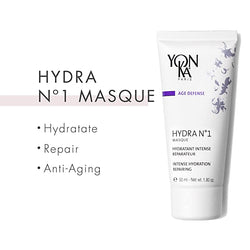
- Apply a thick layer of Hydra N°1 Masque. This gel-cream mask is designed for extreme dehydration.
- Leave it on for 10 to 15 minutes, or for very dry skin, apply a thinner layer and leave it on overnight.
- In the morning, your skin will look visibly plumper and smoother, with a significant reduction in the appearance of dry texture.
If your concerns include dryness plus sensitivity, our Dry & Dehydrated Skin collection can help you find a more tailored path.
Lifestyle Adjustments to Support Your Skin
While high-quality products are the foundation of healthy skin, external habits can either support or sabotage your efforts.
- Invest in a Humidifier: Especially during the winter months, keeping the humidity in your bedroom around 50% can prevent the air from stealing moisture from your face while you sleep.
- Modify Your Shower Habits: Limit showers to 10 minutes and use lukewarm water. If your face gets wet in the shower, apply your moisturizer immediately after stepping out to "lock in" the dampness.
- Hydrate from Within: While drinking water doesn't directly "moisturize" the skin in the way a cream does, chronic dehydration can affect your skin's ability to repair itself.
- Watch Your Diet: Healthy fats are essential for skin barrier health. Incorporate foods rich in Omega-3s, such as walnuts, flaxseeds, and fatty fish, to support your skin's natural lipid production.
When to See a Professional
While most cases of dry flaky skin on the face can be managed with a consistent, botanical-rich routine, some conditions require the expertise of a professional. If you notice persistent redness that doesn't fade, silvery scales that bleed when touched, or intensely itchy patches that disrupt your sleep, you may be dealing with more than simple dryness.
Conditions like eczema (atopic dermatitis), psoriasis, or seborrheic dermatitis often mimic dry skin but are medical conditions that should be diagnosed by a physician or dermatologist.
For those looking to take their skin health to the next level, a professional treatment at a Yon-Ka partner spa can provide results that are difficult to achieve at home. Our Hydralessence Treatment and our Spa Locator can help you find the right expert experience near you.
Choosing the Right Ingredients
When reading labels for dry, flaky skin, look for ingredients that mimic the skin's natural composition or provide intense water-binding capabilities:
- Hyaluronic Acid: A humectant that can hold up to 1,000 times its weight in water.
- Ceramides: Lipids that help restore the skin's barrier "mortar."
- Vegetable Glycerin: A classic, effective moisture-attracting ingredient.
- Shea Butter and Hazelnut Oil: Natural emollients that provide a protective, comforting layer.
- Sea Buckthorn Oil: Rich in rare Omega-7 and essential fatty acids for deep repair.
Key Takeaway: Treating dry flaky skin requires a balance of "adding water" and "adding oil." By using a multi-step ritual that layers hydration under a lipid-rich seal, you can repair the skin barrier and prevent future flaking.
Conclusion
Experiencing dry flaky skin on the face can be frustrating, but it is also an opportunity to tune in to your skin's needs and slow down for a restorative ritual. By moving away from harsh "hacks" and embracing a phyto-aromatic approach, you are not just treating a symptom—you are nourishing the living organ that protects you every day.
At Yon-Ka Paris, we remain dedicated to the belief that skincare should be a sensorial journey rooted in 70 years of pharmaceutical and botanical expertise. Whether you are using our signature Lotion Yon-Ka PS or the lipid-restoring Serum Omega, you are partaking in a legacy of French professional excellence. For a broader view of how our ranges are organized, visit Our Collections.
If you are unsure which products are best suited for your specific concerns, we encourage you to explore the right next step on our site. Transforming your skin starts with a single, mindful step toward balance.
FAQ
Why is my skin still flaky even though I moisturize every day?
You may be using a moisturizer that only provides "oil" when your skin also needs "water," or your barrier may be so compromised that moisture is evaporating as fast as you apply it. Try layering a hydrating mist like Lotion Yon-Ka PS under your cream and adding a lipid-rich booster like Serum Omega to provide a more complete repair of the skin's protective shield.
Should I scrub my face to get rid of the flakes?
No, physical scrubbing with abrasive beads can create micro-tears in the skin and further damage your already fragile skin barrier. Instead, use a gentle, grain-free exfoliator like Gommage Yon-Ka, which uses botanical enzymes to lift away dead cells without irritation, leaving the skin smooth and hydrated.
Can I use Retinol if I have dry flaky skin?
Retinol can be very effective for skin renewal, but it can also increase flaking if the skin isn't properly prepared. If you have active flaking, it is best to pause your Retinol use and focus on barrier repair for 1-2 weeks. Once your skin feels supple again, reintroduce Retinol slowly, always following it with a rich moisturizer like Hydra N°1 Crème.
Is dry flaky skin the same as a "dry skin type"?
Not necessarily. A "dry skin type" is genetic and means your skin naturally produces less oil. However, anyone—even those with oily skin—can experience "dehydrated" skin that becomes flaky due to environmental factors, harsh products, or cold weather. Understanding whether you lack oil, water, or both is key to selecting the right Yon-Ka ritual.