Table of Contents
- Introduction
- The Biology of Shine: What is Sebum?
- Genetic Predisposition and Heredity
- The Role of Hormonal Fluctuations
- Environmental and Seasonal Influences
- The "Over-Cleansing" Paradox
- The Impact of Dehydration
- Lifestyle and Diet Considerations
- Aging and the Evolution of Oil
- The Importance of the Right Texture
- Cultivating a Yon-Ka Ritual for Oily Skin
- Why a Holistic Approach Matters
- The Truth About Pores and Oil
- Summary of Key Points
- Conclusion
Introduction
Finding that perfect balance between a healthy, luminous glow and an unwanted midday shine can often feel like a delicate dance. While a natural sheen is a sign of youth and vitality, excessive oil can lead to discomfort, visible pores, and a disrupted complexion. At Yon-Ka Paris, we believe that understanding the biological and environmental roots of your skin’s behavior is the first step toward achieving a harmonious, matte-yet-radiant finish. This guide explores the multifaceted origins of sebum production, from hereditary factors to the surprising ways your current routine might be contributing to the problem. By identifying the specific triggers behind your skin's oiliness, you can transition from simply "managing" shine to cultivating a refined, balanced, and healthy-looking complexion through a dedicated phyto-aromatic ritual.
The Biology of Shine: What is Sebum?
To understand what causes oily skin on your face, we must first look at the tiny "oil factories" living just beneath the surface. These are the sebaceous glands. Most of these glands are attached to hair follicles, and their primary job is to produce sebum—a complex mixture of lipids (fats), wax esters, and squalene.
Sebum is not your skin's enemy. In fact, it is essential for maintaining a healthy skin barrier. It acts as a natural lubricant, keeping the skin supple and preventing moisture from evaporating into the air. It also provides a protective layer against environmental pollutants and microbes. However, when these glands become overactive, they produce more sebum than the skin can effectively use. This excess oil pools on the surface, creating a shiny appearance and often making pores look larger as they stretch to accommodate the increased output.
When we talk about oily skin, we are generally referring to a skin type where these glands are genetically predisposed to work overtime. This is distinct from "congested" skin, though the two often go hand in hand. The key to a sophisticated skincare approach is learning to regulate this production without stripping the skin of its necessary defenses.
Genetic Predisposition and Heredity
One of the most common answers to the question of what causes oily skin on your face is simply your DNA. Just like eye color or height, the size and activity level of your sebaceous glands are largely determined by your genetics.
If your parents or siblings have oily skin, you are significantly more likely to have it as well. Genetics dictate how sensitive your sebaceous glands are to hormonal fluctuations and how many glands you have in specific areas, such as the T-zone (the forehead, nose, and chin).
While you cannot change your genetic makeup, knowing that your skin is naturally oil-prone allows you to make better choices in your ritual. Rather than fighting your biology with harsh chemicals, you can support it with balancing botanicals that encourage a more refined appearance.
The Role of Hormonal Fluctuations
Hormones are perhaps the most powerful internal messengers affecting the skin’s appearance. Specifically, a group of hormones called androgens are the primary drivers of sebum production. When androgen levels rise, they signal the sebaceous glands to enlarge and produce more oil.
- Puberty: This is the most famous stage for oily skin, as a surge in hormones often leads to a sudden increase in shine and congestion.
- The Menstrual Cycle: Many women notice their skin becomes oilier in the days leading up to their period. This is due to the shift in the ratio of progesterone and testosterone, which can trigger a temporary spike in sebum.
- Pregnancy and Menopause: Significant hormonal shifts during these life stages can either increase or decrease oil production, depending on the individual’s unique chemistry.
- Stress: When we are stressed, our bodies release cortisol. This "stress hormone" can stimulate the sebaceous glands, leading to what many call "stress-related oiliness."
By recognizing these patterns, you can adapt your skincare ritual seasonally or monthly, perhaps reaching for a more purifying mask like Masque 103 during times of higher hormonal activity.
Environmental and Seasonal Influences
Your surroundings play a major role in how your skin behaves. The environment can either soothe the skin or provoke it into a defensive, oily state.
Humidity and Heat In hot, humid climates, the skin’s oil production tends to increase. High humidity prevents sweat and sebum from evaporating effectively, leaving a heavy, sticky feeling on the face. Heat also makes sebum more fluid, allowing it to spread more easily across the surface of the skin.
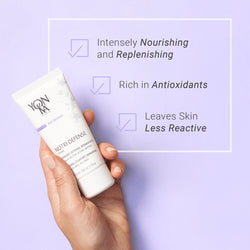
Pollution Living in an urban environment exposes the skin to microscopic pollutants. These particles can mix with the sebum on your face, leading to oxidation. This not only makes the skin look dull but can also lead to more visible pores and a "gritty" feel. Our Vital Defense cream is specifically designed to help the appearance of skin facing these environmental stressors, providing a breathable shield of antioxidants.
Key Takeaway: Oily skin is rarely caused by just one thing; it is usually a combination of your internal genetic "blueprint" and how your skin reacts to external triggers like weather and stress.
The "Over-Cleansing" Paradox
One of the most surprising causes of oily skin is actually an over-zealous cleaning routine. It is a natural instinct to want to scrub away oil with harsh soaps or alcohol-based toners. However, this often backfires.
When you strip the skin of its natural oils, you disrupt the moisture barrier. The skin perceives this extreme dryness as a threat and sends a signal to the sebaceous glands to "rescue" the surface. The result is a rebound effect where the skin produces even more oil than before to compensate for the perceived loss.
This creates a frustrating cycle: the skin feels oily, you wash it aggressively, the skin becomes dehydrated, and then it produces even more oil. To break this cycle, we recommend a gentle, barrier-respecting approach. Using a product like Lait Nettoyant—a silken cleansing milk—effectively removes excess oil and impurities without signaling a "drought" to your glands.
The Impact of Dehydration
It is a common misconception that oily skin doesn't need moisture. In reality, oily skin can be profoundly dehydrated. Dehydration refers to a lack of water in the skin, whereas oiliness refers to an excess of lipids.
When oily skin lacks water, it becomes tight, flaky, and paradoxically even shinier. This "dehydrated oily" skin type is particularly tricky to manage because many people avoid moisturizers for fear of adding more grease. However, skipping this step only worsens the problem.
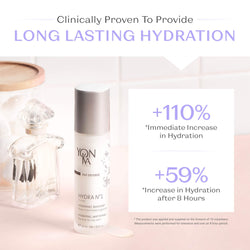
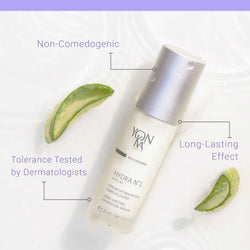
The key is to use lightweight, water-based hydration. A product like Hydra n°1 Fluide provides intense hydration without a heavy or occlusive feel, helping to "quench" the skin's thirst so it doesn't feel the need to over-produce oil.
Lifestyle and Diet Considerations
While topical care is the cornerstone of skin health, internal factors also contribute to what causes oily skin on your face. While research is ongoing, some evidence suggests that certain dietary choices can influence sebum production.
- High-Glycemic Foods: Foods that cause a rapid spike in blood sugar—such as white bread, sugary snacks, and soda—can trigger an insulin response that may stimulate androgen production and, consequently, oil.
- Dairy: Some individuals find that certain dairy products correlate with increased oiliness, though this varies greatly from person to person.
- Hydration: Staying hydrated by drinking plenty of water helps support the skin’s natural detoxification processes and overall health.
While we don't suggest a restrictive diet as a "cure" for oily skin, a balanced approach to wellness can support the work your topical products are doing on the surface.
Aging and the Evolution of Oil
As we age, our skin naturally changes. Most people find that their skin becomes drier over time. This is because the production of collagen and the activity of sebaceous glands both begin to slow down as we enter our 30s, 40s, and beyond.
This is why someone who had very oily skin in their teens and 20s might find they have "combination" skin in their 40s—where the T-zone remains oily, but the cheeks become dry. If you are noticing these changes, it may be time to move away from products labeled "for oily skin" and toward those designed for "combination" or "balanced" skin to ensure you are not unnecessarily drying out the maturing areas of your face.
The Importance of the Right Texture
If you have oily skin, the texture of your products is just as important as the ingredients. Thick, heavy creams can feel suffocating and may contribute to a congested appearance.
People with oil-prone skin typically find the most success with:
- Gels and Fluids: These absorb quickly and leave a matte or satin finish.
- Alcohol-Free Mists: Our iconic Lotion Yon-Ka PNG is a perfect example. It uses a blend of essential oils to tone and balance the skin without the stinging or drying effects of traditional astringents.
- Non-Abrasive Exfoliants: Grain-based scrubs can sometimes irritate oily skin, leading to more inflammation. A grain-free option like Gommage Yon-Ka uses carob and lime extracts to gently lift away dead skin cells that can trap oil in the pores.
Cultivating a Yon-Ka Ritual for Oily Skin
Managing the appearance of oily skin isn't about "fixing" a flaw; it's about honoring your skin's unique needs with a consistent, layered ritual. At Yon-Ka, our approach is rooted in the power of the Quintessence—our exclusive complex of five essential oils: lavender, geranium, rosemary, cypress, and thyme.
Note on Essential Oil Safety: When introducing new botanical products, we recommend a brief patch test on your inner forearm for 24 hours. Introduce one new formula at a time to your routine. A slight, fleeting tingling can be normal with active essential oils, but persistent redness or irritation means you should reduce frequency or discontinue use.
Step 1: Cleanse with Care
Morning and night, use a gentle cleanser like Gel Nettoyant or Lait Nettoyant. This removes the surface film of oxidized oil and pollution without disrupting the delicate acid mantle of your skin.
Step 2: Tone and Prepare
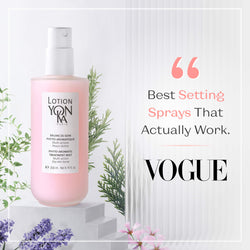
Mist your face with Lotion Yon-Ka PNG. This alcohol-free phyto-aromatic mist is a cornerstone of our ritual. It helps to rebalance the skin's pH and prepares the surface to better absorb the active ingredients in your next steps.
Step 3: Targeted Treatment
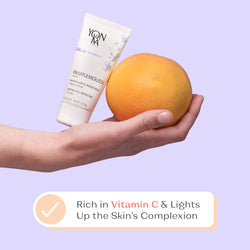
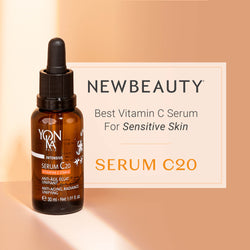
If you are dealing with visible pores or uneven texture, a targeted serum can make a world of difference. For those looking to brighten the appearance of their skin while maintaining a refined look, Serum C20 provides a stable dose of Vitamin C in a lightweight, oil-in-gel texture that suits almost all skin types.
Step 4: Weightless Moisture
Never skip this step! Choose a lightweight moisturizer like Nude Perfect Fluide. This multi-tasking formula acts as both a treatment and a primer, using botanical extracts to blur the appearance of pores and imperfections while giving the skin a soft-focus, matte finish.
Step 5: Weekly Refinement
Once or twice a week, treat your skin to a deeper "reset." Masque 103 is a clarifying mask that helps leave the complexion looking fresh and balanced.
Why a Holistic Approach Matters
Focusing only on "what causes oily skin on your face" can sometimes lead to a clinical, frustrated mindset. At Yon-Ka Paris, we invite you to see your skincare as a sensorial experience. The aromatic scents of our botanical blends are designed not just for the skin, but for the spirit.
When you take the time to massage a cleanser into your skin or mist your face with our signature Lotion, you are lowering your stress levels—which, as we discussed, can actually help regulate those oil-producing hormones. It is a beautiful, circular relationship between self-care and skin health.
Our formulations are born in the professional treatment room. Over 7,000 skincare professionals worldwide trust Yon-Ka to deliver results that are both effective and luxurious. This heritage ensures that every product you use at home is backed by decades of pharmaceutical rigor and spa expertise.
The Truth About Pores and Oil
It is a common myth that you can "shrink" your pores. The size of your pores is largely determined by your genetics and the amount of oil your skin produces. However, you can certainly make them appear smaller.
When pores are filled with oxidized oil and dead skin cells, they become more visible. By keeping the skin's surface clear through regular, gentle exfoliation and using products that help regulate the appearance of oil, the pores remain "un-stretched" and look much more refined. Consistency is the most important factor here. One-time "miracle" treatments rarely provide lasting results, but a daily ritual tailored to your oily skin type will produce a noticeable transformation over time.
Summary of Key Points
Understanding the causes of oily skin allows you to treat your face with the respect and precision it deserves. Here is a quick synthesis of the factors we have discussed:
- Genetics: Your DNA sets the baseline for your oil production.
- Hormones: Androgens and cortisol are the main drivers of sebaceous activity.
- Environment: Heat and humidity increase the fluidity and volume of sebum.
- Routine Mistakes: Over-cleansing leads to "rebound" oiliness; dehydration makes oily skin look worse.
- Age: Oil production typically tapers off as we get older, requiring adjustments in our skincare choices.
Bottom line: Oily skin is a sign of high-functioning skin that simply needs a little guidance to stay balanced. By using gentle, phyto-aromatic formulas, you can achieve a clear, refined, and healthy-looking complexion.
Conclusion
The journey to balanced skin is one of education and patience. By identifying what causes oily skin on your face—whether it’s a genetic gift, a hormonal shift, or an environmental reaction—you empower yourself to make smarter, more effective choices. Skincare is not a chore to be rushed; it is a ritual worth savoring, built on the 70-year legacy of phyto-aromatic expertise that defines Yon-Ka Paris. We invite you to move away from harsh, stripping products and toward a more harmonious way of caring for your complexion.
"Skincare is the ultimate form of self-respect. When we understand the 'why' behind our skin’s behavior, we can provide the 'how' for its long-term health and beauty."
If you are unsure which products are right for your specific needs, we recommend taking our Skin Diagnosis quiz or using our Product Matcher tool on our website. You can also visit a local spa using our Spa Locator to experience a professional purifying treatment firsthand.
FAQ
Why is my face so oily all of a sudden?
A sudden increase in oiliness is often linked to hormonal shifts, such as high stress levels or changes in your menstrual cycle. It can also be caused by environmental changes, like a sudden move to a more humid climate, or a "rebound" effect if you have recently started using a harsh, stripping cleanser.
Does drinking water help with oily skin?
While drinking water won't directly stop your sebaceous glands from producing oil, it is essential for preventing skin dehydration. When your skin is well-hydrated from the inside out, it is less likely to produce excess "rebound" oil to compensate for dryness, leading to a more balanced appearance.
Should I skip moisturizer if I have oily skin?
No, skipping moisturizer is one of the most common mistakes for oily skin types. Without a lightweight moisturizer to seal in hydration, your skin may become dehydrated, which often triggers the sebaceous glands to produce even more oil to protect the surface.
Is oily skin a sign of aging?
Actually, oily skin is often considered a sign of youth, as sebaceous gland activity naturally decreases as we age. The benefit of having oily skin is that the natural lipids help keep the skin's barrier strong, which can often result in a slower appearance of fine lines and wrinkles compared to very dry skin types.