Table of Contents
- Introduction
- The Distinct Roles of Moisturizers and Sunscreens
- Can I Skip Moisturizer and Use Sunscreen for Dry Skin?
- When Skipping Might Actually Work
- The Importance of the Phyto-Aromatic Ritual
- How to Layer for Maximum Protection and Comfort
- Choosing the Right Ingredients for Dry Skin
- Common Myths About Sunscreen and Moisturizer
- Signs Your Current Routine Isn't Working
- The Professional Edge: Why Spa Expertise Matters
- Conclusion
- FAQ
Introduction
The morning rush often leaves us looking for ways to streamline our skincare rituals without compromising results. You might find yourself reaching for your SPF and wondering if that creamy texture is enough to hydrate your complexion on its own. For those with dry skin, the temptation to simplify is real, yet the stakes are higher. Dry skin lacks the essential lipids needed to maintain a strong protective barrier, making it more vulnerable to environmental stressors. In this guide, we will explore whether you can skip moisturizer and use sunscreen for dry skin, how these two steps differ, and how to maintain a radiant glow throughout the day. At Yon-Ka Paris, we believe that true skin health comes from a balanced, layered approach rooted in phyto-aromatic expertise. While some modern sunscreens offer hydrating benefits, dry skin typically requires a more nuanced ritual to stay comfortable and resilient.
Quick Answer: While you can technically apply sunscreen without moisturizer, those with dry skin should generally avoid skipping this step. Sunscreen is designed to sit on top of the skin as a shield, whereas moisturizer penetrates to deliver lipids and hydration that dry skin specifically lacks.
The Distinct Roles of Moisturizers and Sunscreens
To understand why skipping a step might be problematic for dry skin, we must first look at the biological functions of these two product categories. They are not interchangeable, even if they sometimes share similar textures.
What a Moisturizer Does for Dry Skin
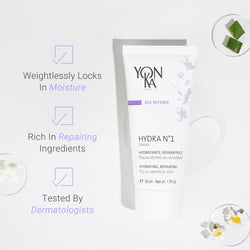
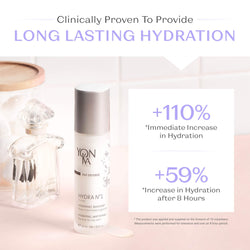
Dry skin is a skin type characterized by a lack of oil (sebum). Without enough natural oil, the skin's moisture barrier becomes "leaky," allowing water to evaporate and external irritants to enter. A high-quality moisturizer, such as Hydra n°1 Crème, serves several purposes:
- Replenishing Lipids: It provides the fats and oils that dry skin cannot produce enough of on its own.
- Humectancy: It uses ingredients like hyaluronic acid to pull water into the skin.
- Emolliency: It smooths the appearance of flaky, rough patches by filling in the gaps between skin cells.
- Barrier Support: It reinforces the skin's "roof," ensuring that the hydration stays locked in for hours.
What a Sunscreen Does
The primary mission of sunscreen is protection. It contains UV filters designed to reflect or absorb harmful rays before they can damage the DNA of your skin cells. While many sunscreens now include glycerin or vitamin E, their formulation focus remains on the "shield" effect.
- UVA Protection: Defends against long-wave rays that lead to the appearance of premature aging and wrinkles.
- UVB Protection: Defends against short-wave rays responsible for sunburn.
- Surface Film: Sunscreens are formulated to create a uniform film on the skin's surface. If the skin underneath is parched and flaky, this film can become uneven, leaving gaps in your protection.
Can I Skip Moisturizer and Use Sunscreen for Dry Skin?
For the average person with dry skin, skipping moisturizer is generally not recommended. If you apply sunscreen directly to dry, thirsty skin, you may encounter several issues that affect both the look of your complexion and the efficacy of your sun protection.
The Risk of Uneven Application Dry skin often has an irregular texture with microscopic rough patches. When you apply sunscreen to a dry surface, the product can "catch" on these flakes, leading to pilling or a patchy appearance. More importantly, this unevenness means the SPF is not distributed perfectly across the skin, potentially leaving some areas vulnerable to UV damage.
The "Thirsty Skin" Effect Dry skin is perpetually "hungry." If you apply a sunscreen that contains some hydrating ingredients but lacks deep-reaching lipids, your skin will quickly drink up the water content, leaving the UV filters sitting on a now-dry, tight surface. This often leads to that uncomfortable, "tight" feeling mid-morning, even if your skin felt fine immediately after application.
Compromised Barrier Health A sunscreen is a protector, but it is not a repair specialist. Dry skin needs the soothing and fortifying properties of botanical extracts and essential oils found in professional-grade moisturizers. Without that base layer of nourishment, the skin barrier remains weak, which can lead to increased sensitivity over time.
Key Takeaway: Sunscreen is your "coat," but moisturizer is your "undergarments." You wouldn't wear a heavy coat over bare skin in the winter; similarly, your skin needs the foundational layer of a moisturizer to remain comfortable and fully protected.
When Skipping Might Actually Work
While we generally advise against it for dry skin, there are a few specific scenarios where you might be able to combine the steps or lean more heavily on your SPF.
1. Using a True Hybrid Formula
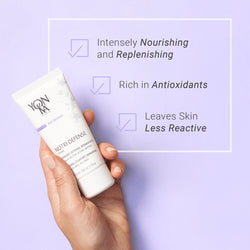
Some modern formulations are specifically engineered as "moisturizers with SPF." These are different from standard sunscreens because they are built on a moisturizing base first. If you are using a product like Vital Defense, which is an antioxidant-rich day cream designed to protect against environmental stressors, you are getting a sophisticated blend of hydration and protection in one.
2. High Humidity Climates
If you are traveling to a tropical climate where the humidity is very high, your dry skin may behave more like "normal" skin. In these environments, the air is saturated with water, which helps prevent evaporation from your skin. You might find that a hydrating sunscreen feels sufficient during these times. However, once you return to a temperature-controlled, air-conditioned, or heated environment, your dry skin will likely demand its dedicated moisturizer again.
3. Layering with a Targeted Serum
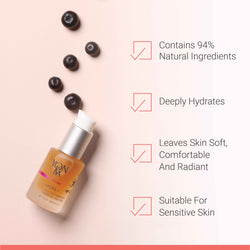
If you are adamant about skipping a traditional cream moisturizer, you must at least use a high-potency serum or oil first. For dry skin, we recommend Serum Omega. This "oil-in-serum" is rich in essential fatty acids that nourish the skin deeply. By applying a serum like this followed by a hydrating sunscreen, you are providing the skin with the lipids it needs without the weight of a second cream layer.
The Importance of the Phyto-Aromatic Ritual
At Yon-Ka, we believe skincare is not just about utility; it is a sensorial ritual that supports the skin's natural ability to heal and balance itself. Our approach centers on the Quintessence—our exclusive complex of lavender, geranium, rosemary, cypress, and thyme.
When you use a complete ritual rather than a single "hack," you are providing your skin with a symphony of botanical actives. For dry skin, the ritual starts with gentle cleansing using Lait Nettoyant, followed by the iconic Lotion Yon-Ka PS. This mist is a critical step because it hydrates the skin and prepares it to better absorb the lipids in your moisturizer and the protective filters in your sunscreen.
Note: When introducing a new botanical product or a formula containing essential oils, we always recommend a patch test. Apply a small amount to your inner forearm and wait 24 hours to ensure your skin welcomes the active ingredients.
How to Layer for Maximum Protection and Comfort
If you have dry skin, the order in which you apply your products is non-negotiable for achieving a radiant, healthy look. Follow these steps to ensure your sunscreen works perfectly with your moisturizer.
Step 1: Cleanse with Care
Use a soap-free, cream-based cleanser like Lait Nettoyant. This ensures you are not stripping away the few natural oils your skin produces. Rinse with lukewarm—never hot—water.
Step 2: Mist to Prepare
Spray Lotion Yon-Ka PS over your face and neck. While the skin is still damp, move to the next step. This helps lock in the "gold standard" of hydration.
Step 3: Apply Your Treatment
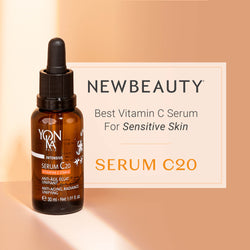
If you use a vitamin C serum like Serum Vitamine C for brightening or a hydrating booster like Hydra N°1 Serum, apply it now. These concentrated formulas target deep-seated concerns that neither a moisturizer nor a sunscreen can reach alone.
Step 4: The Moisturizer Layer
Apply your moisturizer, such as Hydra n°1 Crème or Pamplemousse PS. Massage it in gently using upward strokes. This step provides the "cushion" your dry skin needs.
Step 5: The Protection Layer
Wait about 60 to 90 seconds for your moisturizer to "set." Then, apply your sunscreen. By waiting, you prevent the two products from mixing and potentially diluting the SPF. Apply the sunscreen by patting it into the skin rather than rubbing aggressively, which ensures an even, unbroken film.
Choosing the Right Ingredients for Dry Skin
When looking at labels for both your moisturizer and your sunscreen, those with dry skin should prioritize ingredients that support barrier function.
- Hyaluronic Acid: A powerful humectant that can hold up to 1,000 times its weight in water. It helps plump the appearance of fine lines often associated with dryness.
- Phyto-Squalane: A plant-derived lipid that mimics the skin's natural sebum, providing instant softness without a greasy feel.
- Shea Butter and Aloe Vera: These ingredients provide a soothing, occlusive layer that prevents moisture loss throughout the day.
- Antioxidants (Vitamin C, E, and Polyphenols): These work alongside your sunscreen to neutralize free radicals caused by UV exposure and pollution.
Our Hydra n°1 range is specifically formulated around these principles, utilizing long-lasting hydration technology to ensure that dry skin feels comfortable from morning until evening.
Common Myths About Sunscreen and Moisturizer
Myth: "Sunscreen is a moisturizer because it feels oily." Fact: The "oily" feel of many sunscreens comes from the UV filters themselves or the solvents used to keep them in liquid form. These are not necessarily the same as the nourishing lipids and ceramides found in a dedicated moisturizer.
Myth: "Applying moisturizer under sunscreen makes the SPF less effective." Fact: As long as you allow your moisturizer to absorb for a minute before applying SPF, it actually helps the sunscreen go on more smoothly and stay in place longer.
Myth: "I don't need moisturizer in the summer if I'm wearing sunscreen." Fact: Summer heat and sun exposure can actually dehydrate the skin further. UV rays damage the skin barrier, making it even more important to use a fortifying moisturizer like Vital Defense during the warmer months.
Signs Your Current Routine Isn't Working
If you have been trying to skip moisturizer and use only sunscreen, your skin will likely send you signals that it needs more support. Look out for the following signs:
- Mid-Day Tightness: If your face feels uncomfortable or "small" by 2:00 PM, your sunscreen isn't providing enough hydration.
- Visible Flaking: If you notice small flakes around the nose or mouth, your skin's barrier is compromised.
- Pilling: If your sunscreen starts to roll off in little balls, it is likely reacting to the dry, rough texture of your skin.
- Increased Redness: Dry skin is more prone to inflammation. If your skin looks flushed or feels warm, it needs the soothing properties of a dedicated cream.
If you are unsure which products are right for your specific needs, we recommend taking our Skin Diagnosis quiz on our website. It is designed to analyze your concerns and match you with a tailored ritual created by our experts.
The Professional Edge: Why Spa Expertise Matters
The formulations we create at Yon-Ka were born in the treatment room. Over 7,000 skincare professionals worldwide trust our products because they are designed to deliver visible results while respecting the skin's delicate balance. A professional esthetician can perform a deep analysis of your skin's lipid levels and recommend the exact ratio of hydration to protection you need.
If your dry skin feels particularly stubborn, visiting a local partner spa for a treatment like the Hydralessence treatment can provide a "reset" for your moisture levels. You can find a professional near you using our Spa Locator.
Conclusion
While the desire to simplify your morning is understandable, the answer to "can I skip moisturizer and use sunscreen for dry skin" is almost always no. For a complexion that looks vibrant, smooth, and youthful, the synergy of a dedicated moisturizer and a high-quality protector is essential. By layering these steps, you ensure that your skin is not only shielded from the sun but also nourished from within.
At Yon-Ka Paris, we remain committed to the art of the phyto-aromatic ritual. For over 70 years, our family-owned house has pioneered the use of plant-based science to create high-trust skincare that honors the skin's natural biology. We believe that taking these few extra moments for your ritual is an act of self-care that pays dividends in long-term skin health.
"Skincare is not a chore; it is a daily moment of connection with yourself. When we nourish our skin with the power of nature, we are not just protecting our appearance—we are honoring our well-being."
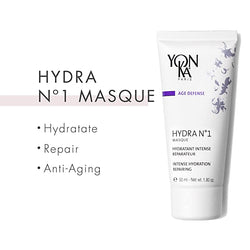
To find your perfect moisture match, explore our Hydra n°1 collection or our Age Defense range.
FAQ
Does sunscreen count as a moisturizer?
In most cases, no. While some sunscreens contain hydrating ingredients like glycerin or hyaluronic acid, they are primarily formulated to sit on the surface as a protective film. A dedicated moisturizer is designed to penetrate the upper layers of the skin to replenish essential lipids and strengthen the barrier, which is a critical need for dry skin types.
Can I mix my moisturizer and sunscreen together to save time?
You should never mix sunscreen with moisturizer (or makeup) in the palm of your hand before applying. Doing so can dilute the UV filters and cause an uneven distribution of protection, leaving your skin vulnerable to sun damage. Instead, apply your moisturizer first, wait a minute for it to absorb, and then layer your sunscreen on top.
What should I do if my skin feels greasy after layering both?
If your skin feels overly oily, you may be using a moisturizer that is too heavy for the current climate, or a sunscreen that isn't compatible with your skin type. Try switching to a more lightweight moisturizer like Hydra N°1 Fluide or ensuring that your sunscreen is labeled "non-comedogenic." Always wait for the first layer to dry before adding the second.
If my moisturizer has SPF 15, do I still need a separate sunscreen?
For most people, a moisturizer with SPF 15 is not sufficient for full-day protection, especially if you spend time outdoors. Most dermatologists recommend a broad-spectrum SPF of 30 or higher. Furthermore, people often apply moisturizer too sparingly to achieve the full SPF rating on the bottle, so a dedicated second layer of protection is usually the safest choice for skin health.