Table of Contents
- Introduction
- Understanding the Biology of Oily Skin
- Why Face Oils Are Beneficial for Oily Skin
- The Importance of Non-Comedogenic Oils
- The Phyto-Aromatic Difference
- Key Botanical Ingredients for Oily Skin
- How to Incorporate Face Oil into Your Ritual
- Recommended Products for an Oil-Balanced Routine
- Myth vs. Fact: Face Oils and Oily Skin
- Safety and Sensorial Best Practices
- When to Consult a Professional
- Conclusion
- FAQ
Introduction
The feeling of excess shine, persistent oiliness, and the constant urge to reach for a blotting paper is a familiar experience for those with oily skin types. For years, the conventional wisdom suggested that the only way to manage shine was to strip it away with harsh, drying ingredients. However, the modern skincare landscape has evolved toward a more harmonious, botanical-focused approach that prioritizes balance over eradication. Introducing an oil into a routine that already feels "too oily" might seem counterintuitive—perhaps even a bit daring—but it is one of the most effective ways to support a healthy, radiant complexion.
At Yon-Ka Paris, we believe in the power of phyto-aromatic science to bring the skin back into a state of equilibrium. This article explores why botanical oils are not the enemy of oily skin, how they can actually help regulate sebum production, and which specific plant-derived ingredients you should look for to achieve a clear, refined appearance. By understanding the biology of your skin, you can transform your ritual from one of frustration to one of sensorial joy, especially when you choose from our Oily & Combination Skin collection.
Quick Answer: Yes, you should use face oil if you have oily skin, provided you choose the right botanical formulas. Using high-quality, non-comedogenic oils can help balance sebum production, prevent the "rebound effect" of over-drying, and strengthen the skin's natural moisture barrier for a healthier-looking complexion.
Understanding the Biology of Oily Skin
To understand why face oils are beneficial, we must first look at why skin becomes oily in the first place. Sebum is the natural oily substance produced by your sebaceous glands. Its primary purpose is to protect and waterproof your skin and hair. When your skin is functioning optimally, sebum acts as a critical component of the acid mantle, a fine, slightly acidic film on the surface of the skin that acts as a barrier against bacteria, viruses, and other potential contaminants.
Overproduction of sebum can be triggered by several factors, including genetics, hormonal shifts, and environmental stressors. However, one of the most common causes of excess oiliness is actually dehydration. When you use harsh cleansers or skip moisturizer, your skin perceives a lack of moisture and responds by going into "overdrive." This is known as the rebound effect, where the skin produces more oil to compensate for the dryness, leading to a cycle of congestion and shine.
Lipid balance is the key to breaking this cycle. By providing the skin with high-quality, plant-based lipids, you send a signal to your sebaceous glands that the skin is sufficiently protected. This helps to stabilize oil production and maintain the integrity of the moisture barrier, which is essential for a clear and refined appearance.
Why Face Oils Are Beneficial for Oily Skin
Using a face oil can be a transformative step in an oily skin ritual because it addresses the root cause of imbalance rather than just treating the surface symptoms. Many people with oily skin suffer from a compromised barrier, which makes the skin more prone to irritation and environmental damage. If you want a broader educational overview of this routine philosophy, our blog on oily skin hydration is a helpful next step.
Botanical oils provide essential fatty acids that the body cannot produce on its own. These nutrients help to "cushion" the skin cells, making the surface look smoother and more resilient. When the skin's barrier is strong, it is better at retaining hydration and keeping out impurities. This is particularly important for those who may be using targeted blemish treatments, which can sometimes leave the skin feeling tight or flaky.
Face oils also act as an occlusive layer, meaning they help to lock in the beneficial ingredients from your serums and moisturizers. This ensures that your skin receives the full benefit of your phyto-aromatic products. Rather than sitting on top of the skin and feeling heavy, the right botanical oils are designed to be "biocompatible," meaning they mimic the structure of the skin's natural lipids and are absorbed efficiently without a greasy residue.
Key Takeaway: Using botanical oils helps to communicate with your skin’s natural systems, encouraging it to slow down its own oil production while strengthening the protective barrier that keeps moisture in and irritants out.
The Importance of Non-Comedogenic Oils
A major concern for anyone with oily or blemish-prone skin is whether a product will clog their pores. This is where the concept of the comedogenic scale becomes vital. Ingredients are rated on a scale of 0 to 5, with 0 being highly unlikely to clog pores and 5 being very likely to cause congestion.
Non-comedogenic oils are those that have a low rating on this scale. When formulating for oily skin, we prioritize botanical oils that have a high concentration of linoleic acid. People with oily skin often have lower levels of linoleic acid in their sebum, which makes the sebum thicker and more likely to get trapped in the pores. By applying oils rich in linoleic acid—such as grape seed, hemp seed, or evening primrose oil—you can help thin out the sebum and keep pores looking clear.
Essential oils also play a unique role here. Unlike heavy carrier oils, essential oils are volatile, aromatic compounds extracted from plants. They are much thinner in consistency and often possess purifying and astringent properties. To understand the botanical foundation behind this approach, see What is Yon-Ka’s Quintessence?.
The Phyto-Aromatic Difference
Our approach to skincare is rooted in over 70 years of expertise in phyto-aromatic formulation. This means we combine the therapeutic power of plant extracts (phytotherapy) with the aromatic and physiological benefits of essential oils (aromatherapy and aromachology). For oily skin, this synergy is particularly powerful. You can also learn more about the ingredient philosophy behind these formulas on Our Ingredients.
The heart of our brand is the Quintessence, an exclusive complex of five essential oils that serves as the foundation for nearly all our formulas. This complex is 100% natural, 100% pure, and 100% active. Each oil in the Quintessence was selected for its specific benefits for skin health and balance:
- Lavender: Known for its soothing and calming properties.
- Geranium: Helps to balance the appearance of oiliness and provides a revitalizing effect.
- Rosemary: Offers purifying benefits and helps to clear the look of the complexion.
- Cypress: Acts as a natural astringent to refine the appearance of pores.
- Thyme: Provides potent cleansing and purifying actions.
For someone with oily skin, these oils work together to harmonize the complexion. They provide the "oil" the skin needs to feel protected, but they do so in a way that feels light, refreshing, and deeply purifying. This professional-grade expertise, born in our French laboratories, ensures that every drop of oil serves a purpose for your skin's health.
Key Botanical Ingredients for Oily Skin
When choosing a face oil or an oil-based serum for oily skin, it is important to look for specific botanical ingredients that are known for their lightness and balancing properties.
Jojoba oil is technically a liquid wax ester, and it is remarkably similar to human sebum. Because of this similarity, the skin easily recognizes it, and it can help "trick" the skin into thinking it has produced enough oil. This makes it an excellent choice for stabilizing an overactive T-zone.
Squalane is another powerhouse ingredient. It is a stable, saturated version of squalene, which occurs naturally in our skin's lipid barrier. Squalane is incredibly lightweight, non-greasy, and absorbs almost instantly. It provides deep hydration and helps to soften the skin's texture without any risk of clogging pores.
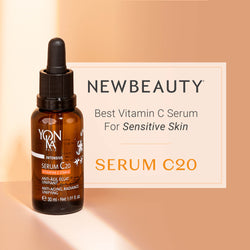
Vitamin C, often found in oil-based serums like our Serum C20, is a potent antioxidant that helps to brighten the appearance of the skin and protect against environmental stressors. While many think of Vitamin C as a water-soluble ingredient, oil-soluble versions are often more stable and can penetrate the skin's lipid layers more effectively. This allows the skin to look more radiant and even-toned while still benefiting from the barrier-supporting properties of the oil base.
How to Incorporate Face Oil into Your Ritual
The key to success with face oils is the application method. For oily skin, we recommend a "layered" approach rather than using oil as a standalone product. This ensures that the skin is properly hydrated first, allowing the oil to act as a supportive seal.
Step 1: Gentle, Barrier-Respecting Cleansing
Never start with an aggressive cleanser that leaves your skin feeling "squeaky clean." This sensation actually means you have stripped your acid mantle. Instead, use a gentle milk like Lait Nettoyant. It removes impurities and makeup while respecting the skin's natural lipids.
Step 2: The Phyto-Aromatic Mist
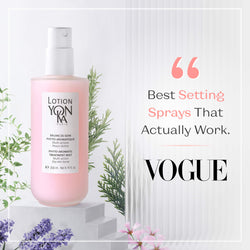
This is the most critical step for oily skin. Our signature mist, Lotion Yon-Ka PNG, should be applied generously. This alcohol-free mist is infused with our Quintessence. It prepares the skin to receive the oil, ensuring it absorbs quickly and evenly. Applying oil to damp skin is the "French secret" to a weightless finish.
Step 3: Targeted Treatment
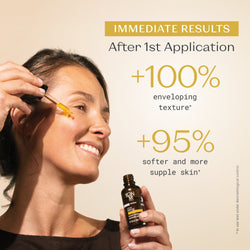
Apply your water-based serums first. If you are using a treatment for blemishes or aging, let it sink in for a moment. Then, take 1–3 drops of your chosen face oil or oil-based serum, like Serum Omega.
Step 4: The Application Technique
Instead of rubbing the oil into your skin, warm the drops between your palms and press them into your face and neck. Focus on the areas that feel dehydrated or tight, and use a lighter touch on the naturally oilier T-zone. This pressing motion ensures the oil is absorbed without overstimulating the sebaceous glands.
Bottom line: Using a phyto-aromatic mist like Lotion Yon-Ka before applying your oil is essential for ensuring the product absorbs quickly and leaves the skin with a healthy, matte-looking glow rather than a greasy finish.
Recommended Products for an Oil-Balanced Routine
If you are new to using oils for oily skin, we recommend starting with products that are specifically formulated to be lightweight and multifunctional. For a fuller routine built around this skin type, browse our Best Products for oily skin: Editor’s Pick.
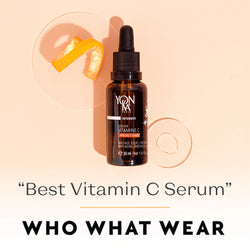
Our Serum C20 is a remarkable option for those looking to address dullness and the first signs of aging. It contains a stable, 20% concentration of Vitamin C in a base of organic apricot kernel oil. This oil is known for being extremely fine and non-greasy, making it suitable even for those who traditionally avoid oils.
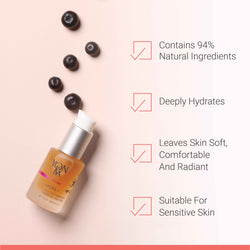
For skin that feels "stressed" or is suffering from the effects of over-drying treatments, Serum Omega is a lipid-restoring oil-in-serum that provides immediate comfort. It uses botanical oils like Sacha Inchi and Pomegranate to deliver essential fatty acids that support the skin's repair process.
Men's skin is often naturally oilier due to higher testosterone levels. Our Yon-Ka for Men anti-aging routine is specifically designed for these needs. Products like the Anti-Âge gel-cream provide the necessary hydration and botanical support in textures that are ultra-light and fast-absorbing, perfect for post-shave or daily use.
Myth vs. Fact: Face Oils and Oily Skin
There are many misconceptions that prevent people from achieving their best skin results. Let's clarify a few of the most common myths regarding oils and oily complexions.
Myth: Face oils will cause breakouts and clogged pores. Fact: Only comedogenic (pore-clogging) oils or synthetic mineral oils typically cause these issues. High-quality botanical oils rich in linoleic acid can actually help clear the appearance of pores by balancing sebum consistency.
Myth: If my skin is oily, I don't need a moisturizer or oil. Fact: Oily skin can still be dehydrated. When skin lacks water or healthy lipids, it produces more oil to compensate. Providing external moisture and oil helps to signal the skin to slow down its own production.
Myth: All oils feel heavy and greasy on the skin. Fact: Phyto-aromatic oils are formulated to be "dry" or fast-absorbing. When applied correctly to damp skin, they leave a velvet-like finish that actually helps makeup stay in place better than a bare, oily surface.
Safety and Sensorial Best Practices
When introducing any new active botanical product into your ritual, we always recommend a patch test. Apply a small amount of the product to your inner forearm and wait 24 hours to ensure your skin responds beautifully.
Because our formulas are rich in pure essential oils, you may experience a slight, pleasant tingling sensation upon application. This is a normal sign of the botanical actives at work. However, if you experience persistent redness or irritation, simply reduce the frequency of use or consult with one of our 7,000+ skincare professionals worldwide. If you are unsure where to start, you can use the Yon-Ka Paris Skincare Advisor to get a personalized recommendation tailored to your specific concerns.
When to Consult a Professional
While botanical skincare can significantly improve the look and feel of oily skin, some concerns may require the guidance of a medical professional. If you are experiencing persistent cystic acne, sudden and painful changes in your skin, or suspected conditions like rosacea or eczema, it is always best to consult with a physician or a dermatologist.
For those looking to take their ritual to the next level, a professional spa treatment can provide deep purification and balance that is difficult to achieve at home. Our estheticians are trained in specialized French techniques that maximize the efficacy of our phyto-aromatic formulas. You can find a certified partner near you by using our Spa Locator.
Conclusion
Embracing face oils for oily skin is a journey toward balance, health, and a more sophisticated understanding of your body's largest organ. By moving away from harsh, stripping habits and moving toward the power of plants, you allow your skin to find its natural equilibrium. Whether you are looking to brighten with Serum C20 or restore with Serum Omega, the key is consistency and the use of high-quality, non-comedogenic botanical ingredients.
At Yon-Ka Paris, we remain dedicated to the belief that skincare is more than a chore—it is a ritual worth savoring. Founded by the Mühlethaler family in 1954, we continue to bridge the gap between rigorous French science and the sensorial beauty of nature. Every formula we create is a testament to our 70-year heritage of phyto-aromatic excellence, designed to help you feel as good as your skin looks.
- Balance over stripping: Focus on regulating sebum, not removing it.
- Preparation is key: Always apply oil to skin dampened with a mist like Lotion Yon-Ka.
- Quality matters: Choose non-comedogenic, linoleic-rich botanical oils.
- Listen to your skin: Adjust your ritual based on how the skin feels each day.
"True beauty is found in balance. When we treat the skin with the respect and botanical wisdom it deserves, it rewards us with a radiance that no synthetic product can mimic."
To find the perfect products for your unique complexion, we invite you to explore our Oily & Combination Skin collection and begin your journey to a harmonized, healthy glow.
FAQ
Will using a face oil make my skin look shinier during the day?
When you use a high-quality, non-comedogenic oil and apply it to damp skin, it absorbs quickly and helps to regulate your natural oil production throughout the day. Many users find that their skin actually appears more matte and refined because the sebaceous glands are no longer overcompensating for dryness.
Can I use face oil if I have acne-prone skin?
Yes, but you must choose oils that are high in linoleic acid, such as those found in many of our botanical formulas. These oils help to balance the composition of your sebum, making it less likely to clog your pores, which can lead to a clearer-looking complexion over time.
How many drops of face oil should I use for oily skin?
A little goes a long way with concentrated botanical formulas. For oily skin, we typically recommend starting with just 1 to 2 drops, warmed between the palms and pressed into the skin after your mist and serum. You can always add an extra drop in the evening or during colder months if your skin feels it needs more support.
Should I apply face oil before or after my moisturizer?
In a traditional Yon-Ka ritual, we often suggest mixing a few drops of your oil or booster into your moisturizer to create a customized emulsion. If you prefer to layer them, the oil should generally go over your moisturizer to seal in hydration, or it can replace your moisturizer entirely in the evening if your skin feels sufficiently nourished.
Is it better to use face oil in the morning or at night?
While you can use face oil both morning and night, many people with oily skin prefer to use it as part of their evening ritual. This allows the botanical actives to support the skin's natural nighttime repair process. If you choose to use it in the morning, ensure you follow with a sun protection product to keep your skin shielded from environmental damage.
What ingredients should I avoid in a face oil if my skin is oily?
You should generally avoid heavy, highly comedogenic oils like coconut oil or cocoa butter, as well as synthetic mineral oils. These can sit on the surface of the skin and potentially lead to congestion. Instead, look for lightweight, plant-derived options like squalane, jojoba, or apricot kernel oil that are biocompatible with your skin.