Table of Contents
- Introduction
- The Difference Between Oil and Hydration
- Why Skipping Moisturizer Backfires
- Identifying Oily vs. Dehydrated Skin
- Choosing the Right Textures for Oily Complexions
- Essential Ingredients for Balancing Oily Skin
- The Yon-Ka Ritual for Oily Skin
- Common Myths About Oily Skin
- The Importance of Professional Care
- Consistency and Expectations
- Conclusion
- FAQ
Introduction
You may have spent years trying to blot away excess shine, feeling as though your skin is constantly "too much." When your complexion feels slick by noon, the idea of adding more moisture can feel counterintuitive, or even risky. It is a common skincare dilemma: if the skin is already producing an abundance of oil, won't a moisturizer just lead to clogged pores and more breakouts? At Yon-Ka Paris, we have spent over 70 years studying the delicate ecosystem of the skin, and we understand that "oily" does not mean "hydrated."
In this article, we will explore why skipping this essential step can actually worsen oiliness and how the right botanical formulas can help you achieve a balanced, matte, and healthy-looking glow. We will also dive into the science of sebum, the importance of the skin barrier, and how to build a specialized ritual using phyto-aromatic expertise. Understanding the difference between oil and water is the first step toward transforming your relationship with your skin.
The Difference Between Oil and Hydration
To answer the question of whether you should moisturize oily skin, we must first distinguish between two very different substances: sebum and water. Sebum is the oily, waxy substance produced by your sebaceous glands. Its purpose is to lubricate the skin and provide a protective, waterproof layer. Hydration, on the other hand, refers to the water content within the skin cells themselves.
Oily skin is a skin type characterized by overactive sebaceous glands. Dehydrated skin is a skin condition that occurs when the skin lacks water. It is entirely possible—and actually very common—to have a skin type that is oily while simultaneously suffering from dehydration. When your skin lacks water, it feels tight, looks dull, and may even show fine lines, even if there is a layer of oil sitting on the surface.
Quick Answer: Yes, you should absolutely moisturize if you have oily skin. Skipping moisturizer can lead to dehydration, which often causes the skin to produce even more oil to compensate for the lack of water, leading to a cycle of shine and potential breakouts.
Why Skipping Moisturizer Backfires
When you skip moisturizer, you are essentially leaving your skin's protective barrier—the acid mantle—vulnerable. This barrier is made up of lipids (oils) and moisture (water) that work together to keep bacteria out and hydration in. If you are using foaming cleansers or acne treatments to "dry out" the oil, you are likely stripping away the water as well.
The Rebound Effect
When the skin senses that its surface is dry and unprotected, it sends a signal to the sebaceous glands to work overtime. This is known as reactive seborrhea or the "rebound effect." The skin attempts to fix the lack of water by pumping out more oil. This results in a complexion that feels both greasy and tight at the same time. By providing your skin with a lightweight, water-based moisturizer, you signal to your glands that the barrier is secure, which can actually help slow down the overproduction of oil over time.
Texture and Appearance
Without proper hydration, the surface of the skin can become rough. Dead skin cells do not shed as efficiently when the skin is dehydrated, leading them to get trapped in pores along with the excess sebum. This is a primary recipe for congestion and blemishes. A well-hydrated face looks smoother, the appearance of pores is minimized, and the skin feels more elastic and resilient.
Identifying Oily vs. Dehydrated Skin
It can be helpful to analyze your skin to see if it is truly oily or just temporarily dehydrated. Oily skin usually presents with visible pores, a consistent shine throughout the day, and a thicker texture. Dehydrated skin often feels "tight" after cleansing, may have small triangular fine lines when gently pushed upward, and might look "crepy" in certain lights.
If you have oily skin, you likely notice shine on the forehead, nose, and chin (the T-zone), and possibly the cheeks as well. If you have been avoiding moisturizer, you might also notice that your makeup looks "patchy" or "caked" by the afternoon. This is because the dry surface of the skin is drinking up the water from your foundation, leaving the pigment to sit unevenly on the surface.
Choosing the Right Textures for Oily Complexions
The fear of moisturizer often stems from using products that are too heavy or occlusive. For oily skin, texture is everything. You want to avoid heavy oils and thick waxes that sit on the surface of the skin. Instead, look for "non-comedogenic" formulas, which means they are designed specifically not to clog pores.
- Gels and Fluids: These are usually water-based and feel weightless. They absorb almost instantly, leaving no greasy residue.
- Emulsions: These are light, milky liquids that provide a balance of hydration and very light lipids.
- Mattifying Fluids: These often contain botanical starches or powders that help absorb excess shine while delivering essential moisture to the skin cells.
At Yon-Ka, we prioritize textures that honor the skin's natural breathability. Our Nude Perfect Fluide is a multi-tasking product that acts as a lightweight moisturizer while providing a "blur" effect to minimize the look of pores and imperfections. It is an ideal choice for those who want to treat their skin while maintaining a matte finish.
Essential Ingredients for Balancing Oily Skin
When browsing for products, look for ingredients that support hydration without adding "heaviness."
Hyaluronic Acid
This is a humectant, meaning it acts like a sponge to pull water into the skin. It can hold up to 1,000 times its weight in water. Because it is a natural component of the skin, it is incredibly well-tolerated and provides intense hydration without any oiliness.
Essential Oils
In our phyto-aromatic approach, we use specific essential oils to help purify and balance the appearance of oily skin. The Yon-Ka Quintessence is a blend of lavender, geranium, rosemary, cypress, and thyme.
Botanical Extracts
Ingredients like burdock root, sage, and lime fruit extract are known for their ability to help regulate the look of sebum. These are often found in our specialized treatments for oily and blemish-prone skin, such as Crème 93, which is specifically formulated to balance combination to oily complexions.
The Yon-Ka Ritual for Oily Skin
A consistent ritual is the foundation of healthy skin. For oily types, the goal is to cleanse thoroughly without stripping, tone to balance pH, and moisturize to protect.
Step 1: Cleanse
Start with a gentle cleanser. It is a myth that oily skin needs "squeaky clean" harsh soaps. Gel Nettoyant is a wonderful option for those who prefer a foaming action that is still soap-free and respects the skin's moisture barrier. For those with more sensitive oily skin, our Lait Nettoyant cleansing milk removes impurities while maintaining hydration.
Step 2: Tone
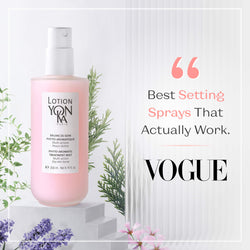
Mist your skin with Lotion Yon-Ka PNG. This version of our iconic toner is formulated for normal to oily skin. It features our signature Quintessence and is alcohol-free. It helps to refresh the skin, refine the look of pores, and prepares the skin to better absorb the active ingredients in your next steps.
Step 3: Treat (Optional)
If you are dealing with persistent blemishes or very high oil production, you might add a targeted serum. Juvenil is a non-stinging concentrate that helps to clear and soothe the skin’s appearance.
Step 4: Moisturize
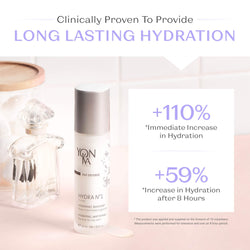
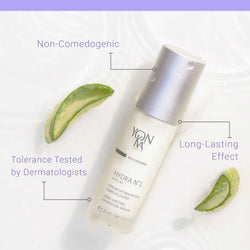
Apply a lightweight moisturizer like Hydra n°1 Fluide or Nude Perfect Fluide. These provide the necessary water content to keep the skin comfortable and prevent the "rebound effect" of excess oil.
Step 5: Protect
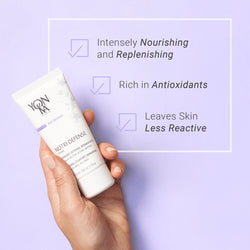
During the day, always finish with sun protection. Many people with oily skin skip sunscreen because they find it greasy. However, UV damage can actually lead to increased inflammation and more oil. Look for a lightweight antioxidant formula like Vital Defense, which helps protect the skin from environmental stressors and pollution while providing a comfortable finish.
Note: Before introducing a new product containing essential oils into your routine, we recommend performing a patch test on your inner forearm for 24 hours. Introduce one new product at a time to see how your skin responds. A slight tingling sensation can be normal due to the activity of the botanical extracts, but if you experience persistent redness or irritation, reduce the frequency of use or discontinue.
Common Myths About Oily Skin
Myth: Oily skin doesn't age as fast as dry skin.
Fact: While the natural oils may help keep the surface of the skin looking supple, oily skin is still subject to environmental damage and internal aging factors. Oily skin can still lose elasticity and develop wrinkles, especially if it is chronically dehydrated.
Myth: Using face oil will make oily skin worse.
Fact: It depends on the oil. Some plant oils, like those high in linoleic acid, can actually help balance the sebum profile of oily skin. However, it is usually best to stick to water-based moisturizers or "dry" oils specifically formulated for facial use.
Myth: You should wash your face more than twice a day to remove oil.
Fact: Over-washing is a leading cause of the rebound effect. Twice a day—morning and night—is sufficient. If you feel oily mid-day, use a blotting paper or a refreshing mist like Lotion Yon-Ka rather than re-cleansing.
The Importance of Professional Care
While a home ritual is vital, professional treatments can offer deeper balancing and purification. Our heritage is rooted in the professional spa environment, and over 7,000 skincare professionals worldwide trust our methods.
A professional esthetician can perform deep-cleansing extractions and apply high-concentration botanical masks that are difficult to replicate at home. If you are struggling to manage oiliness or persistent congestion, we recommend visiting a Yon-Ka partner spa. You can use our Spa Locator to find a certified professional near you who can provide a personalized skin analysis and treatment plan.
Consistency and Expectations
Improving the appearance of oily skin is a journey of balance, not a battle of suppression. You should not expect your skin to become "dry" overnight. Instead, look for signs of progress: a decrease in midday shine, a softer skin texture, and a more even-looking complexion.
Consistent use of the right moisturizers will help your skin feel more comfortable and look more refined over several weeks. Skincare is a ritual worth savoring, and by treating your oily skin with respect rather than harshness, you allow its natural radiance to shine through without the unwanted grease.
Key Takeaway: Moisturizing oily skin is not about adding "grease," but about delivering vital water and botanical actives that signal the skin to stop overproducing oil, leading to a healthier and more balanced appearance.
Conclusion
The answer to whether you should moisturize oily skin is a definitive yes. By choosing the right lightweight, phyto-aromatic formulas, you can hydrate your skin, protect its barrier, and actually help manage excess shine. This balanced approach is at the heart of everything we do at Yon-Ka. We believe in the synergy of nature and science to create rituals that are both effective and sensorial.
Our 70-year history as a French, family-owned brand has taught us that the most beautiful skin is healthy, hydrated skin. Whether you are using Nude Perfect Fluide to achieve a matte finish or Lotion Yon-Ka PNG to refresh your senses, you are participating in a tradition of botanical excellence.
If you are still unsure which moisturizer or ritual is right for your unique skin needs, we invite you to take our skin type quiz or use the Product Matcher on our website. Embracing a daily ritual designed for your skin type is the most impactful step you can take toward a clearer, more balanced complexion.
"Skincare is not just a routine; it is a moment of connection with oneself, powered by the intelligence of plants and the heritage of French pharmacy."
FAQ
Will moisturizing my oily skin cause more breakouts?
No, as long as you choose a non-comedogenic, lightweight moisturizer. Breakouts are often caused by trapped dead skin cells and excess oil; keeping the skin hydrated helps the natural exfoliation process and prevents the skin from producing "rebound oil" that can lead to further congestion.
How do I know if my skin is oily or just dehydrated?
Oily skin typically has large pores and a consistent shine all over. Dehydrated skin feels tight and may show fine lines when you smile or move your face, even if there is oil on the surface. If your skin feels tight after washing but gets shiny later, you likely have oily skin that is also dehydrated.
What is the best time of day to moisturize oily skin?
You should moisturize both morning and evening after cleansing and toning. In the morning, use a lightweight fluid or mattifying moisturizer to control shine throughout the day; at night, you can use a slightly more regenerative but still lightweight formula to support the skin's natural repair process while you sleep.
Can I just use a toner instead of a moisturizer if I'm very oily?
While a high-quality toner like Lotion Yon-Ka PNG provides essential hydration and botanical benefits, it does not replace a moisturizer. Moisturizers contain ingredients that help "lock in" the hydration provided by your toner and serum, ensuring your skin barrier remains intact and functional throughout the day.