Table of Contents
- Introduction
- Understanding the Difference Between Dry and Dehydrated Skin
- How Water Based Moisturizers Work
- The Importance of Emollients and Occlusives
- The Yon-Ka Phyto-Aromatic Approach to Hydration
- Building a Hydrating Ritual for Dry Skin
- Myth vs. Fact: Water-Based Moisturizers
- Ingredients to Look For vs. Ingredients to Avoid
- Seasonal Adjustments for Dry Skin
- The Professional Spa Difference
- Maximizing the Effectiveness of Your Moisturizer
- Why Science and Nature Must Coexist
- Conclusion
- FAQ
Introduction
If you have ever experienced the persistent discomfort of tight, flaky, or dull-looking skin, you know the urgent desire for a product that provides immediate relief. That tight sensation after cleansing often signals that your skin’s moisture barrier is struggling to retain its essential hydration. When browsing for solutions, you may wonder: is water based moisturizer good for dry skin, or should you only reach for heavy, oil-laden balms? At Yon-Ka Paris, we believe that effective skincare is a balance of botanical science and sensory ritual. In this article, we will explore the fundamental differences between water and oil in skincare, how your skin’s barrier functions, and which ingredients truly support a supple appearance. Ultimately, we will show that water-based moisturizers are not only good for dry skin but are often a vital component of a healthy, glowing complexion.
Quick Answer: Yes, water-based moisturizers are excellent for dry skin, provided they contain a strategic blend of humectants to draw in moisture and occlusives to seal it in. While dry skin specifically lacks oil, it also requires a consistent "drink" of water to maintain the elasticity and smoothness of the skin’s surface.
Understanding the Difference Between Dry and Dehydrated Skin
To answer if a water-based moisturizer is right for you, it is essential to distinguish between a skin type and a skin condition. While these terms are often used interchangeably, they require different approaches in your daily ritual.
Dry skin is a skin type, often referred to by professionals as "alipidic" skin. This means your skin produces less natural sebum (oil) than normal. Without these lipids, the skin's "mortar" between its cellular "bricks" becomes weak, leading to a rough texture, flakiness, and a lack of luster.
Dehydrated skin, on the other hand, is a temporary condition that can affect any skin type, including oily skin. It refers to a lack of water within the stratum corneum (the outermost layer of the skin). Factors like cold weather, air conditioning, and harsh cleansers can strip water from the skin, leaving it looking crepey or showing fine lines more prominently.
Because dry skin lacks the oil needed to hold water in, it almost always becomes dehydrated as well. Therefore, a water-based moisturizer that delivers hydration is a necessary first step, but it must be supported by lipids to prevent that water from evaporating.
How Water Based Moisturizers Work
The primary goal of any moisturizer is to support the skin barrier and prevent transepidermal water loss (TEWL). Water-based moisturizers typically feature water as the first ingredient, acting as a delivery system for active botanical components and hydrating agents.
These formulations are generally classified as oil-in-water emulsions. They feel lighter on the skin than pure oils or heavy ointments, yet they can be incredibly potent. The water in the formula provides an immediate "drink" to the parched corneocytes (dead skin cells), while other ingredients in the mix ensure that this hydration stays where it belongs.
The Role of Humectants
A high-quality water-based moisturizer for dry skin will be rich in humectants. These are ingredients that act like tiny sponges, drawing water from the atmosphere or from the deeper layers of the dermis up into the surface. Common humectants include:
- Hyaluronic Acid: A molecule capable of holding up to 1,000 times its weight in water, helping the skin appear plump and smooth.
- Glycerin: A classic, highly effective humectant that improves skin softness.
- Urea: Helps to hydrate while also gently encouraging the shedding of dead, dry skin cells.
- Sodium PCA: A natural component of the skin that helps maintain a healthy moisture balance.
Why Dry Skin Needs Water
Many people with dry skin assume they only need oil. However, applying a pure oil to extremely dry, parched skin can sometimes be like putting a lid on an empty pot. If the skin cells themselves are shriveled and dehydrated, the oil will sit on top, providing a shine but not necessarily the deep, bouncy hydration the skin craves. By using a water-based moisturizer, you provide the "fluid" necessary for the skin’s enzymes to function properly, which allows for natural, healthy exfoliation and a smoother appearance.
The Importance of Emollients and Occlusives
While water is the hero for hydration, it cannot work alone for dry skin. If a water-based moisturizer contained only water and humectants, that moisture would quickly evaporate into the air, potentially leaving the skin even drier than before. This is why our formulations at Yon-Ka prioritize a multi-dimensional approach.
Emollients are ingredients like plant oils and butters that fill in the "potholes" between skin cells. They smooth out the surface and provide that silky feel we associate with healthy skin. Occlusives are heavier molecules that form a protective film over the skin. For dry skin, look for ingredients like shea butter, beeswax, or specific vegetable oils that mimic the skin’s natural sebum.
By combining water, humectants, emollients, and occlusives, a water-based moisturizer becomes a "complete" meal for your skin. It hydrates, softens, and protects all at once.
Key Takeaway: Dry skin requires both water and oil. A water-based moisturizer is effective only when it contains enough emollients and occlusives to "lock in" the hydration it provides.
The Yon-Ka Phyto-Aromatic Approach to Hydration
At Yon-Ka, we don't believe in "one-size-fits-all" skincare. Our heritage is rooted in the professional spa environment, where we have spent over 70 years perfecting the art of phyto-aromatic care. We utilize the power of over 130 land and sea plants to create formulas that respect the skin's natural physiology.
The heart of our brand is the Quintessence. This exclusive complex of five essential oils—lavender, geranium, rosemary, cypress, and thyme—provides a foundational benefit to nearly all our products. To learn more about the philosophy behind those ingredients, explore our ingredients page. When integrated into our moisturizing formulas, these oils help to revitalize the appearance of the skin and provide a therapeutic, sensorial experience that calms the mind as much as the complexion.
For those with dry skin, the aromachological benefits are just as important as the physical ones. Stress can often exacerbate skin sensitivity and dryness; the soothing scents of our botanical blends help turn your skincare routine into a restorative ritual.
Building a Hydrating Ritual for Dry Skin
If you are wondering how to best use a water-based moisturizer, it is helpful to look at the sequence of your routine. We recommend a layered approach to ensure your dry skin receives maximum benefit.
Step 1: Gentle Cleansing
Dry skin has a fragile barrier, so it is crucial to avoid harsh surfactants that strip away natural oils. A creamy cleanser like Lait Nettoyant is ideal. This cleansing milk gently removes makeup and impurities while respecting the skin’s lipids.
Step 2: Prepare and Hydrate
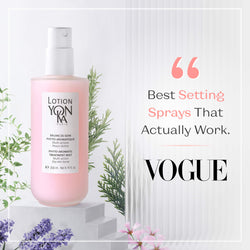
The most overlooked step in many routines is the mist. Lotion Yon-Ka PS is a phyto-aromatic healing water that is 99% natural. It does more than just "tone"; it douses the skin in hydration and prepares it to better absorb the products that follow.
Step 3: Targeted Treatment
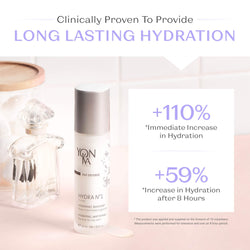
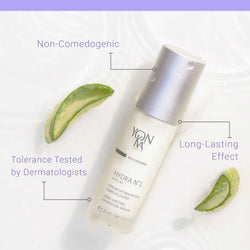
Before applying your moisturizer, consider a serum. If your skin feels particularly tight, Hydra N°1 Serum provides a concentrated dose of long-lasting hydration. This water-based serum uses hyaluronic acid and humectant botanicals to help the skin feel more comfortable.
Step 4: Moisturize and Protect
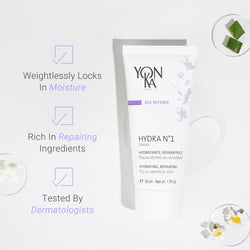
This is where your water-based moisturizer shines. For intense, creamy hydration, Hydra N°1 Crème is a favorite. It is designed to help support very dry or dehydrated skin with a rich, comforting texture.
Note: When introducing any new botanical product into your ritual, we recommend a simple patch test. Apply a small amount to your inner forearm and wait 24 hours to ensure your skin welcomes the new ingredients. Introducing one product at a time allows you to monitor how your skin responds to each specific formula.
Myth vs. Fact: Water-Based Moisturizers
Myth: "Oil-based moisturizers are always better for dry skin." Fact: Not necessarily. While dry skin needs oil, it also needs water to maintain flexibility. A well-formulated water-based cream often provides a more balanced approach to overall skin health than a pure oil alone.
Myth: "Water-based moisturizers evaporate and don't last." Fact: Modern water-based creams are formulated as emulsions. This means they contain "occlusive" ingredients specifically designed to stop evaporation and keep the skin hydrated for hours.
Ingredients to Look For vs. Ingredients to Avoid
When shopping for a moisturizer for dry skin, reading the label is your best defense against products that might cause further irritation.
Look For:
- Ceramides: These are lipids that naturally occur in the skin. They act as the "glue" that keeps the skin barrier intact.
- Phytosterols: Plant-derived compounds that help soothe the appearance of redness and support skin resilience.
- Vitamin F: Also known as essential fatty acids (like those found in our Serum Omega), these are vital for maintaining a soft, supple texture.
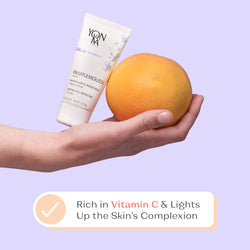
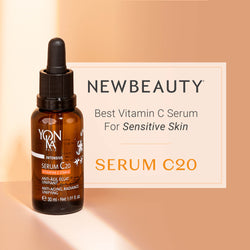
- Antioxidants: Look for Serum Vitamine C or Vitamin E to help defend skin from environmental stressors that can contribute to dryness.
Use Caution With:
- High Alcohol Content: Denatured alcohol or isopropyl alcohol can strip the skin of its limited oils, leading to more dryness. (Note: Fatty alcohols like Cetyl alcohol are different and are actually beneficial emollients).
- Heavy Synthetic Fragrances: While Yon-Ka uses natural essential oils for their active properties, synthetic "parfums" can often trigger sensitivity in dry skin types.
- Harsh Sulfates: Ingredients like SLS in cleansers can damage the skin barrier before you even get to the moisturizing step.
Seasonal Adjustments for Dry Skin
Your skin’s needs will change with the seasons. A water-based moisturizer that feels perfect in the humid summer months might not feel quite "enough" during a brutal, dry winter.
In the winter, the air is devoid of moisture, and indoor heating further saps water from your skin. During this time, you can "boost" your water-based moisturizer. We often suggest adding a few drops of a nourishing oil like Booster Nutri + to your cream. This allows you to customize the richness of your moisturizer without having to buy an entirely new product.
In the summer, your skin may feel more comfortable with a lighter water-based fluid, such as Nude Perfect Fluide, which provides hydration while giving the skin a smooth, blurred appearance.
The Professional Spa Difference
While home care is the foundation of healthy skin, professional treatments can take your hydration to the next level. At Yon-Ka, our professional heritage means that nearly every product you use at home was first developed for use by licensed estheticians.
Professional treatments often involve deeper exfoliation techniques and high-concentration professional-only masks that can deeply rehydrate the skin in a way that is difficult to replicate at home. If your dry skin feels particularly stubborn, we recommend finding a Yon-Ka spa near you. A Hydralessence facial can provide a reset for your moisture barrier.
Maximizing the Effectiveness of Your Moisturizer
To get the most out of your water-based moisturizer, application technique matters just as much as the formula itself.
- Apply to Damp Skin: Never apply moisturizer to bone-dry skin. After misting with Lotion Yon-Ka, apply your cream while the skin is still slightly dewy. This helps trap that extra moisture into the skin.
- Warm the Product: Rub the cream between your palms for a few seconds before applying. This "awakens" the essential oils and allows for smoother application.
- Use Gentle Pressure: Instead of rubbing vigorously, use a pressing and smoothing motion. This is more respectful of the skin's delicate capillaries and barrier.
- Don't Forget the Neck and Décolleté: The skin on your neck is thinner and often drier than the skin on your face. Always extend your hydration ritual downward.
| Feature | Water-Based Moisturizer | Oil-Based Moisturizer/Balm |
|---|---|---|
| Primary Goal | Hydrate and Plump | Seal and Protect |
| Texture | Lightweight to Creamy | Heavy and Rich |
| Absorption | Absorbs relatively quickly | Sits on the surface longer |
| Best For | Dehydrated and "Tight" Skin | Extremely Cracked or Flaky Skin |
| Ideal Use | Daily Morning and Evening | Intensive Night Treatment or Spot Care |
Why Science and Nature Must Coexist
The question of whether water-based moisturizer is good for dry skin highlights the need for balanced formulation. At our facility near Paris, we operate under strict ISO standards to ensure that our botanical ingredients are used at their most effective concentrations. We don't just use plants for the sake of being "natural"—we use them because, when backed by pharmaceutical-grade rigor, they offer some of the most effective solutions for skin health.
Our formulation charter excludes known endocrine disruptors and harsh synthetics like parabens and SLS. By choosing a high-trust brand like ours, you are ensuring that your dry skin is receiving the nutrients it needs without the "fillers" it doesn't.
Conclusion
So, is water based moisturizer good for dry skin? The answer is a resounding yes, provided the formula is sophisticated enough to address both the lack of water and the lack of oil. By choosing a water-based product rich in humectants, reinforced with botanical emollients, and layered within a consistent ritual, you can transform the appearance of dry, dull skin into a complexion that looks radiant and feels deeply comfortable.
Skincare is more than just a corrective measure; it is a daily opportunity to care for yourself. At Yon-Ka Paris, we invite you to embrace these rituals, rooted in 70 years of French phyto-aromatic expertise, and discover the difference that professional-grade botanical care can make.
"True beauty is found in the balance of the skin—a harmony of hydration, protection, and the revitalizing power of nature."
If you are still unsure which hydrating ritual is right for your unique skin needs, we invite you to take our Skin Diagnosis quiz or use the Product Matcher. You can also explore our full range of face moisturizers to find the perfect fit for your lifestyle.
FAQ
Is water-based moisturizer enough for very dry skin in the winter?
During winter, a light water-based moisturizer might need a "boost." We recommend layering a hydrating serum underneath or adding a few drops of an oil-based booster, like Booster Nutri +, into your cream to provide the extra occlusive protection needed in cold, dry air.
How can I tell if my moisturizer is water-based?
The easiest way is to look at the ingredient list on the packaging. If "Aqua" or "Water" is the very first ingredient, it is a water-based formula; if an oil like jojoba or almond oil is listed first, it is considered an oil-based product.
Will a water-based moisturizer cause breakouts on my dry skin?
Generally, water-based moisturizers are less likely to clog pores than heavy, oil-based balms. However, if you are prone to blemishes, look for "non-comedogenic" formulas and ensure you are still cleansing properly to remove environmental debris.
Can I use a water-based moisturizer if my skin is also sensitive?
Yes, water-based moisturizers are often excellent for sensitive skin because they tend to be less heavy and can be formulated with soothing botanical waters. Always look for fragrance-free or phyto-aromatic formulas specifically tested for sensitivity, such as our sensitive skin range.