Table of Contents
- Introduction
- Understanding Vitamin C for Oily Skin
- The Role of a Vitamin C Face Wash
- Choosing the Right Cleanser for Oily Skin
- Beyond the Wash: The Importance of a Complete Ritual
- How Vitamin C Helps the Appearance of Oily Skin Concerns
- Integrating Vitamin C into Your Daily Routine
- Safety and Best Practices for Essential Oils and Actives
- The Professional Advantage: Phyto-Aromatic Excellence
- Why Quality Matters: The Science of Stability
- Myth vs. Fact: Vitamin C and Oily Skin
- Complementary Ingredients for Oily Skin
- Environmental Protection for the Urban Dweller
- Customizing Your Ritual
- Conclusion
- FAQ
Introduction
Managing oily skin is often a delicate balancing act. You want a complexion that looks fresh and clear, but the persistent hum of excess sebum can lead to unwanted shine and congested pores. Many people turn to brightening ingredients to breathe life into dull, oily complexions, and Vitamin C is frequently at the top of that list. At Yon-Ka Paris, we believe that every step of your skincare ritual should be purposeful, beginning with your daily cleanse. Vitamin C is a powerhouse antioxidant that offers significant benefits for those with oily skin types, helping to manage the appearance of imperfections and protecting against the environmental stressors that can exacerbate oiliness. This article explores whether a Vitamin C face wash is the right choice for your needs, how this vital nutrient interacts with sebum, and how to build a phyto-aromatic routine that leaves your skin looking balanced and radiant.
Understanding Vitamin C for Oily Skin
Vitamin C, known in the scientific community as ascorbic acid (and its various stable derivatives), is one of the most well-researched ingredients in modern skincare. While it is celebrated for its ability to brighten the look of dark spots and support the skin's collagen-rich appearance, its role in an oily skin routine is equally transformative.
For those with oily skin, the primary concern is often the overproduction of sebum. When this excess oil is exposed to oxygen and environmental pollutants—a process called lipid peroxidation—it can become "sticky" and more likely to clog pores. This oxidation is also what causes the surface of a blackhead to turn dark. Vitamin C acts as a shield, neutralizing the free radicals that cause this oxidation. By incorporating Vitamin C into your routine, you are essentially helping your skin's natural oils stay "cleaner," which can help reduce the appearance of clogged pores and breakouts.
The Role of a Vitamin C Face Wash
When you use a face wash infused with Vitamin C, you are introducing a gentle dose of antioxidants at the very start of your ritual. For many, a Vitamin C cleanser is an excellent way to experience the benefits of this ingredient without the intensity that sometimes accompanies high-concentration leave-on serums.
The Benefits of Cleansing with Vitamin C
Using a Vitamin C-infused cleanser can help clarify the skin's appearance and provide an immediate brightening effect. Because oily skin can often look "thick" or dull due to the accumulation of dead skin cells and excess oil, the mild exfoliating properties associated with certain forms of Vitamin C can help smooth the look of the skin's texture.
Limitations of Cleansers
It is important to remember that a cleanser is a "rinse-off" product. This means the active ingredients have limited contact time with your skin. While a Vitamin C face wash is a fantastic supportive step, it is most effective when viewed as the foundation of a broader routine. At Yon-Ka, we prioritize a layered approach where each product builds upon the last to achieve professional-grade results at home.
Choosing the Right Cleanser for Oily Skin
Not all Vitamin C cleansers are created equal. When selecting a product for oily skin, you must look beyond just the "Vitamin C" label and consider the overall formulation. A common mistake for those with oily skin is choosing a cleanser that is too harsh or stripping. When you strip the skin of its natural moisture, it often reacts by producing even more oil to compensate, leading to a cycle of dehydration and shine.
We recommend a barrier-respecting approach. A gentle cleansing milk like Lait Nettoyant is often preferred even for oily types, as it removes impurities without disrupting the delicate acid mantle. If you prefer a foaming texture, ensure it is sulfate-free to prevent irritation. Look for formulas that combine Vitamin C with other botanical actives that soothe and purify, such as the essential oils found in our signature Quintessence.
Beyond the Wash: The Importance of a Complete Ritual
While a Vitamin C face wash can certainly be good for oily skin, the real transformation happens when you incorporate the ingredient through leave-on treatments. The Yon-Ka ritual method emphasizes preparation and targeted treatment to ensure your skin receives the full benefit of our phyto-aromatic formulas.
The Power of the Mist
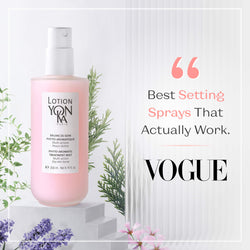
After cleansing, the next essential step is our Lotion Yon-Ka PNG. This is not a traditional "toner" that strips the skin. Instead, it is a phyto-aromatic mist composed of our iconic Quintessence: lavender, geranium, rosemary, cypress, and thyme. For oily skin, the PNG (Peaux Normales à Grasses) version is specifically designed to help balance the appearance of oil while refreshing the senses. This mist prepares the skin to better absorb the active Vitamin C in the subsequent steps of your routine.
Targeted Treatment: Serum C20
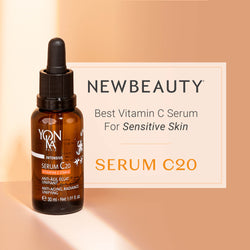
If your goal is to truly harness the power of Vitamin C for oily skin, a high-quality serum is indispensable. Our Serum C20 is a remarkable example of botanical innovation. It features a 20% concentration of a stable, lipid-soluble form of Vitamin C (Ascorbyl Tetraisopalmitate).
Unlike some water-soluble Vitamin C serums that can feel tacky or irritating on oily skin, an oil-soluble form integrates seamlessly with the skin’s natural oils. This allows the antioxidant to penetrate effectively, helping to brighten the look of the complexion and smooth the appearance of fine lines without causing congestion. It is an ideal treatment for those looking to address the "dullness" that often accompanies an oily skin type.
How Vitamin C Helps the Appearance of Oily Skin Concerns
Oily skin is prone to specific aesthetic concerns that Vitamin C is uniquely qualified to address. Understanding these benefits can help you see why this ingredient is a staple in professional skincare.
Reducing the Look of Post-Blemish Marks
Oily skin is often synonymous with occasional breakouts. Once a blemish heals, it can leave behind a dark or red mark known as post-inflammatory hyperpigmentation. Vitamin C is a renowned brightening agent that can help these marks fade from view more quickly, leading to a more even-toned appearance.
Refining Pores and Texture
By preventing the oxidation of sebum and encouraging gentle surface renewal, Vitamin C helps the skin appear smoother. When pores are not clogged with oxidized oil and debris, they appear smaller and less noticeable.
Mattifying Through Balance
While Vitamin C itself isn't a "mattifier" in the way a powder is, its ability to support skin health can lead to a more balanced look. Healthy, well-hydrated, and protected skin is less likely to go into "overdrive" with oil production.
Integrating Vitamin C into Your Daily Routine
To get the most out of Vitamin C for oily skin, consistency is key. Here is how you can weave these products into a daily ritual that respects your skin's needs.
- Step 1: Cleanse. Use a gentle cleanser like Lait Nettoyant to remove the night's oils or the day's debris. This provides a clean canvas for your Vitamin C products.
- Step 2: Tone. Mist with Lotion Yon-Ka PNG to hydrate and rebalance.
- Step 3: Treat. Apply a few drops of Serum C20. This concentrated dose of Vitamin C provides the deep antioxidant protection oily skin needs.
- Step 4: Moisturize. Follow with a lightweight, non-comedogenic moisturizer. For oily skin, we often recommend Nude Perfect Fluide, which provides a "blur" effect and helps minimize the look of pores while delivering long-term skin-improving benefits.
- Step 5: Protect. During the day, always finish with sun protection. Vitamin C and SPF are a powerful duo; the Vitamin C boosts the skin's defense against environmental damage, while the SPF prevents the sun from undoing the brightening benefits of your serum.
Safety and Best Practices for Essential Oils and Actives
Because many of our formulas at Yon-Ka utilize the power of essential oils alongside active ingredients like Vitamin C, we recommend a mindful approach to introducing new products.
Note: When starting a new ritual, we recommend performing a patch test on your inner forearm for 24 hours to ensure compatibility. It is also wise to introduce one new active product at a time. A slight, brief tingling sensation can be normal when using high-potency Vitamin C or essential oils, but if you experience persistent redness or irritation, reduce the frequency of use or consult your aesthetician.
The Professional Advantage: Phyto-Aromatic Excellence
At Yon-Ka, our roots are firmly planted in the professional spa world. For over 70 years, our formulations have been trusted by more than 7,000 skincare professionals worldwide. This professional heritage means that our products are designed to work together in a synergistic way.
When you use a Vitamin C product from our range, you aren't just getting a single ingredient. You are benefiting from our expertise in phytotherapy (plant therapy), aromatherapy (essential oil therapy), and aromachology (the influence of scents on the mind). This holistic approach ensures that while you are addressing the physical aspects of oily skin, you are also engaging in a sensorial ritual that promotes a sense of wellbeing.
For those who want to take their oily skin management to the next level, we encourage visiting a local spa through our Spa Locator. A professional treatment can provide deep purification and targeted Vitamin C infusion that complements your home care routine perfectly.
Why Quality Matters: The Science of Stability
One of the biggest challenges with Vitamin C is its stability. Many traditional Vitamin C face washes use forms of the ingredient that degrade quickly when exposed to light, air, or water. If the Vitamin C has oxidized in the bottle (often turning a dark orange or brown color), it can actually be pro-oxidant, meaning it could potentially cause the very damage you are trying to prevent.
At Yon-Ka, we use advanced, stabilized derivatives of Vitamin C. These are designed to remain potent and effective from the first pump to the last. Our Serum C20, for instance, uses a stable form that provides long-lasting antioxidant protection without the risk of rapid degradation. This commitment to pharmaceutical-grade rigor is what sets French skincare apart.
Myth vs. Fact: Vitamin C and Oily Skin
There are several misconceptions about using Vitamin C on oily or acne-prone skin. Let's clear up a few of the most common ones.
Myth: Vitamin C is too "heavy" or "oily" for my skin. Fact: Vitamin C itself is an antioxidant, not a lipid. While some serums use an oil base, many modern formulations—like our Serum C20—are designed to feel lightweight and absorb quickly, making them perfectly suitable for oily complexions.
Myth: I shouldn't use Vitamin C if I have active breakouts. Fact: Vitamin C can actually help the appearance of skin during and after a breakout by supporting the skin's natural repair process and reducing the look of redness.
Myth: Vitamin C is only for "anti-aging." Fact: While Vitamin C is incredible for smoothing the look of wrinkles, its antioxidant and brightening properties are beneficial for people of all ages, especially those dealing with the dullness and congestion associated with oily skin.
Complementary Ingredients for Oily Skin
While Vitamin C is a star ingredient, it works even better when paired with other botanicals that address oily skin concerns.
- Rosemary: Found in our Quintessence, rosemary has natural purifying properties that help clarify the look of oily skin.
- Cypress: This essential oil is known for its astringent qualities, helping to refine the appearance of large pores.
- Hyaluronic Acid: Oily skin still needs hydration. Ingredients like hyaluronic acid, found in our face moisturizer collection, provide moisture without adding oil.
- Glycolic Acid: For those with oily skin, a weekly treatment with Glyconight 10% Masque can help exfoliate dead skin cells, allowing your Vitamin C products to work even more effectively.
Environmental Protection for the Urban Dweller
Oily skin is particularly susceptible to the effects of pollution. Particulate matter in the air can stick to the sebum on your skin, leading to increased oxidative stress and more frequent breakouts. This is where the antioxidant power of Vitamin C becomes a daily necessity.
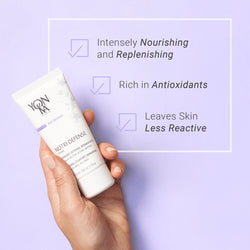
Using a product like Vital Defense in conjunction with your Vitamin C serum can provide an extra layer of protection. This antioxidant and anti-pollution cream is designed to help the skin fight against environmental aggressors, keeping your complexion looking fresh and vibrant even in the busiest city environments.
Customizing Your Ritual
No two complexions are exactly the same. Your skin might be oily and sensitive, or oily and prone to dehydration. This is why we recommend using our online tools to find your perfect match. You can take our Skin Diagnosis quiz or explore our oily and combination skin collection to receive personalized recommendations tailored to your specific skin concerns and goals.
By understanding the unique needs of your skin, you can move away from "skincare hacks" and toward a consistent, professional-grade ritual that delivers visible results over time. Whether you choose to start with a Vitamin C face wash or dive straight into a high-potency serum, the key is to choose high-quality, stabilized formulas that respect your skin's natural balance.
Conclusion
Is Vitamin C face wash good for oily skin? The answer is a definitive yes, provided it is part of a thoughtful, balanced ritual. While a cleanser offers a gentle introduction to the world of antioxidants, combining it with leave-on treatments like our Serum C20 and the balancing effects of the Lotion Yon-Ka PNG will yield the most significant improvements in your skin's appearance. By neutralizing free radicals, preventing sebum oxidation, and brightening the look of post-blemish marks, Vitamin C serves as an essential ally for anyone seeking a clear, matte, and radiant complexion.
Key Takeaway: Vitamin C is a versatile antioxidant that helps manage the unique challenges of oily skin, from preventing blackheads to fading the look of dark marks. For the best results, look beyond the cleanser and embrace a layered, phyto-aromatic ritual that prioritizes stability and skin health.
At Yon-Ka Paris, we remain dedicated to the belief that skincare is more than just a routine—it is a ritual of self-care rooted in the harmony of nature and science. Since 1954, we have championed the power of plant-based ingredients to transform the skin and the spirit. We invite you to explore our ingredients philosophy and discover how 70 years of French phyto-aromatic expertise can help you achieve your most radiant skin yet.
To find the best products for your specific needs, we encourage you to take our Skin Diagnosis quiz or browse our targeted face care collection for oily and combination skin.
FAQ
Can I use Vitamin C face wash every day?
Yes, most Vitamin C face washes are designed for daily use, both morning and night. Because they are rinse-off products, they are typically gentle enough for regular application; however, always monitor your skin for any signs of sensitivity and follow with a hydrating mist like Lotion Yon-Ka PNG to maintain balance.
Does Vitamin C make oily skin more oily?
No, Vitamin C itself does not increase oil production. In fact, by protecting the skin's surface oils from oxidation, it can help oily skin appear clearer and less congested. If a product feels "oily," it is likely due to the base ingredients of that specific formula rather than the Vitamin C itself.
Can I use Vitamin C with Salicylic Acid?
Yes, these two ingredients can be very effective when used together for oily skin. Salicylic acid helps clear out the pores, while Vitamin C provides antioxidant protection and brightens the skin's appearance. If you have sensitive skin, you may want to use them at different times of the day (e.g., Vitamin C in the morning and Salicylic Acid in the evening).
How long does it take to see results from Vitamin C?
While some people notice an immediate brightening effect after cleansing, most significant results, such as a more even skin tone and refined texture, typically appear after four to eight weeks of consistent use. Skincare is a journey of consistency, and the cumulative benefits of Vitamin C become more apparent as your skin goes through its natural renewal cycles.