Table of Contents
- Introduction
- Understanding Oily Skin and the Role of Sebum
- What is Tea Tree Oil?
- Is Tea Tree Oil Face Wash Good for Oily Skin?
- The Risks: When Botanical Power Becomes Too Harsh
- The Phyto-Aromatic Approach: Beyond Single Ingredients
- How to Build a Balanced Ritual for Oily Skin
- The Importance of Professional Expertise
- Choosing the Right Product for Your Needs
- Conclusion
- FAQ
Introduction
Waking up to an unwanted midday shine or persistent congestion can feel like a constant battle against your own biology. For those with oily and blemish-prone skin, the search for a clarifying solution often leads to the botanical world, specifically to the potent reputation of tea tree oil. This essential oil has long been a staple in the kits of skincare enthusiasts seeking a clearer, more refined complexion. At Yon-Ka Paris, we believe that understanding the science behind these plant-based powerhouses is the first step toward achieving a healthy, glowing appearance. In this article, we will explore the efficacy of tea tree oil in cleansing rituals, the specific benefits it offers for oily skin, and how to integrate botanical purification into a balanced, professional-grade routine. Choosing the right cleanser is the foundation of any successful regimen, and tea tree oil may be the missing piece in your pursuit of skin harmony.
Understanding Oily Skin and the Role of Sebum
Oily skin is primarily the result of overactive sebaceous glands producing an excess of sebum, the skin’s natural oil. While sebum is essential for maintaining the skin barrier and keeping the surface lubricated and protected, too much of it can lead to a variety of cosmetic concerns. When excess oil mixes with dead skin cells and environmental debris, it can clog pores, leading to the appearance of blackheads, whiteheads, and more significant blemishes.
The "shine" associated with oily skin is often most prevalent in the T-zone, which includes the forehead, nose, and chin. This area has a higher concentration of oil glands, making it the primary focus of many purifying skincare products. However, the goal of a modern skincare routine is not to completely eliminate oil—which can trigger a "rebound effect" where the skin produces even more oil to compensate—but rather to balance it.
Environmental factors, genetics, and hormonal fluctuations all play a role in how much oil your skin produces. High humidity can increase sebum fluidity, while stress can trigger hormonal responses that ramp up production. This is why a consistent cleansing ritual, using ingredients that respect the skin's delicate acid mantle while effectively removing excess debris, is so vital for maintaining a clear and matte-looking complexion.
What is Tea Tree Oil?
Tea tree oil, scientifically known as Melaleuca alternifolia, is an essential oil steam-distilled from the leaves of a plant native to Australia. It has been used for centuries in traditional practices for its remarkable purifying and soothing properties. In the realm of modern skincare, it is celebrated as a "natural" alternative to harsher synthetic ingredients often found in blemish-control products.
The primary active component in tea tree oil is terpinen-4-ol. This specific compound is responsible for much of the oil’s ability to target the bacteria associated with blemishes and skin congestion. Because it is a volatile essential oil, it is highly concentrated and potent, meaning a little goes a long way in providing visible results for the skin's appearance.
Unlike some synthetic purifying agents, tea tree oil offers a multi-faceted approach to skincare. It doesn't just address surface oil; its aromatic compounds also provide a sensorial experience that can make the cleansing process feel more like a therapeutic ritual. This aligns with our philosophy of aromachology—the study of how scents influence our well-being and skin health.
Is Tea Tree Oil Face Wash Good for Oily Skin?
The short answer is yes: tea tree oil face wash is an excellent choice for those managing oily skin. Because the oil is naturally lipophilic (oil-attracted), it is particularly effective at dissolving the sebum that sits deep within the pores. When used in a face wash format, tea tree oil provides a deep-cleansing action that helps to "de-gunk" the skin without the need for aggressive scrubbing.
A face wash is often the safest way to introduce tea tree oil to your routine. Pure tea tree oil is incredibly strong and can cause irritation if applied directly to the skin without dilution. By incorporating it into a cleanser, the ingredient is properly formulated at a safe concentration and remains on the skin for a short period before being rinsed away. This "wash-off" method allows the skin to benefit from the oil's purifying properties while minimizing the risk of sensitivity or dryness.
Using a tea tree-infused cleanser can help reduce the appearance of redness and swelling associated with breakouts. Because tea tree oil has natural soothing qualities, it helps calm the look of angry, inflamed skin while simultaneously working to clear the pores. This dual-action makes it a favorite for those who struggle with both oiliness and the occasional flare-up of blemishes.
Quick Answer: Tea tree oil face wash is highly effective for oily skin because it naturally dissolves excess sebum and purifies pores. Its active compounds help reduce the appearance of blemishes and soothe the look of redness without the harshness of many synthetic alternatives.
The Risks: When Botanical Power Becomes Too Harsh
While tea tree oil is a gift from nature, it must be handled with respect and pharmaceutical-grade precision. One of the most common mistakes people make with oily skin is the "more is better" approach. If a little tea tree oil is good, they assume a high-concentration, stinging wash must be even better. In reality, over-cleansing or using a wash that is too aggressive can damage the skin’s natural moisture barrier.
A damaged skin barrier leads to transepidermal water loss (TEWL), which leaves the skin feeling tight and dehydrated. Ironically, when the skin is dehydrated, it often produces more oil to try and protect itself, leading to a cycle of oiliness and breakouts that seems impossible to break. Signs that your tea tree wash might be too harsh include persistent peeling, a "squeaky clean" feeling that feels tight, or increased sensitivity to other products.
We always recommend a patch test when introducing any new essential oil-based product into your ritual. Apply a small amount of the cleanser to your inner forearm and wait 24 hours to ensure no redness or irritation occurs. While a slight, cool tingling sensation can be normal with essential oils like tea tree or the oils found in our Quintessence, any persistent discomfort is a sign to reduce frequency or discontinue use.
The Phyto-Aromatic Approach: Beyond Single Ingredients
At Yon-Ka, we believe that the true power of botanicals is found in synergy rather than isolation. While tea tree oil is effective on its own, it is even more transformative when blended with other complementary plant extracts and essential oils. This is the foundation of our phyto-aromatic approach, which we have refined for over 70 years.
Our signature Quintessence is a perfect example of this philosophy. This exclusive complex combines five essential oils—Lavender, Geranium, Rosemary, Cypress, and Thyme—to provide a comprehensive solution for the skin. While tea tree oil is a powerful purifier, our Quintessence offers a broader spectrum of benefits:
- Lavender (Lavandula angustifolia): Known for its profound soothing and regenerating properties.
- Geranium (Pelargonium graveolens): Helps to balance the appearance of sebum and provides a revitalizing glow.
- Rosemary (Rosmarinus officinalis): Offers purifying and firming benefits, helping to tone the look of the skin.
- Cypress (Cupressus sempervirens): Refines the appearance of pores and supports a balanced complexion.
- Thyme (Thymus vulgaris): A potent purifying agent that helps to clear the look of congestion.
By using a synergistic blend, we can achieve professional-level results while maintaining the skin's delicate equilibrium. This holistic method ensures that the skin is not just "cleaned," but truly cared for and revitalized. For a deeper look at the formulation philosophy behind our botanical complexes, explore our ingredients.
How to Build a Balanced Ritual for Oily Skin
To see the best results from a purifying ingredient like tea tree oil or our signature botanical blends, it must be part of a consistent, layered ritual. Oily skin thrives on a routine that respects its need for both purification and hydration.
Step 1: Purifying Without Stripping
The first step is a gentle but thorough cleanse. For those with oily skin, we often recommend a gel-based formula like Gel Nettoyant. This azure-blue foaming gel is a 2-in-1 cleanser and makeup remover that uses the power of iris and red algae to purify the skin while maintaining its natural pH. It leaves the skin feeling fresh and clean, providing a perfect canvas for the rest of your products.
If you want to browse more cleansing options, start with our Face Cleansers & Makeup Removers collection.
Step 2: Toning and Prepping
After cleansing, it is essential to rebalance the skin. Many traditional toners for oily skin are loaded with harsh alcohols that strip the skin. Instead, we recommend a phyto-aromatic mist like Lotion Yon-Ka PNG. This alcohol-free mist features our Quintessence and is specifically formulated for normal to oily skin types. It helps to refine the appearance of pores, balance oil, and enhance the absorption of your subsequent serums and moisturizers.
Step 3: Targeted Treatment
If you are dealing with active blemishes or significant congestion, a targeted treatment is your next step. For blemish-prone skin, our Blemishes Cream collection is designed to support clearer-looking skin. It combines purifying and soothing care for skin that needs a more focused approach.
Step 4: The Necessity of Hydration
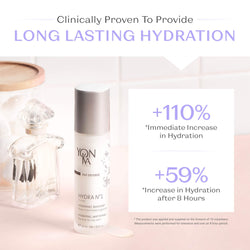
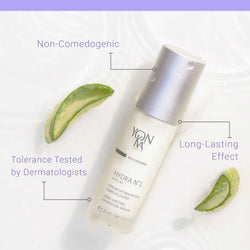
It is a common myth that oily skin doesn't need moisturizer. In fact, skipping this step can make oiliness worse. Use a lightweight, non-comedogenic formula like Hydra N°1 Fluid. It is especially useful for oily yet dehydrated skin, helping to restore comfort without heaviness.
You can also explore our Face Moisturizers collection to find the right texture for your routine.
Key Takeaway: A successful routine for oily skin balances deep purification with gentle hydration. By layering professional-grade products like Gel Nettoyant and Lotion Yon-Ka, you can manage shine and blemishes without compromising the skin's moisture barrier.
The Importance of Professional Expertise
The legacy of Yon-Ka Paris is rooted in the professional spa environment. Our formulas were born in treatment rooms, where skincare professionals needed products that were both highly effective and safe for a variety of skin concerns. This professional heritage means that when you use our products at home, you are benefiting from decades of aesthetician-led research and clinical expertise.
If you find that your oily skin is particularly stubborn or difficult to manage, we highly recommend visiting a professional. A certified Yon-Ka aesthetician can perform a deep-cleansing professional treatment, such as our "Le Grand Classique," which includes a 5-step deep pore cleansing process. They can also provide a personalized skin analysis to help you fine-tune your home care ritual.
To find a professional near you, you can use our Spa Locator. Experiencing a professional treatment even once a season can make a significant difference in the long-term health and appearance of your skin, as it allows for deeper exfoliation and extraction that is difficult to replicate safely at home.
Choosing the Right Product for Your Needs
When shopping for a tea tree oil face wash or any botanical cleanser, it's important to look at the entire ingredient list. Avoid products that contain harsh sulfates like SLS (Sodium Lauryl Sulfate), as these can be overly stripping for many skin types. Instead, look for cleansers that use plant-derived surfactants and include soothing ingredients like aloe vera or chamomile to balance the potency of the essential oils.
At Yon-Ka, we prioritize ingredients of natural origin and follow a strict formulation charter. Our products are 100% gluten-free and free from parabens, phthalates, and known endocrine disruptors. We believe that what we leave out of our formulas is just as important as the powerful botanicals we include.
If you are unsure which products are right for your specific skin type, we invite you to take our Skin Diagnosis quiz. This tool is designed to help you navigate our collections—such as the Blemish-Prone or Oily & Combination ranges—to find the perfect match for your unique needs. Whether you are looking for the appearance-improving benefits of tea tree oil or the comprehensive power of our Quintessence, we are here to guide you toward your best skin yet. You can also use the Product Matcher for a more guided next step.
Conclusion
Managing oily skin is a journey that requires patience, consistency, and the right botanical tools. While a tea tree oil face wash can be a highly effective ally in the quest for a clearer, more matte-looking complexion, its true potential is reached when integrated into a holistic, professional-grade ritual. By prioritizing balance over "stripping" and embracing the synergistic power of phyto-aromatic ingredients, you can transform your daily cleansing into a moment of self-care and revitalization.
"The ritual of skincare is not just about the surface; it is an aromatic journey that connects the power of nature with the science of the skin."
To discover the perfect routine for your skin, we encourage you to explore our Blemish-Prone collection or take our Product Matcher today. Whether through a home ritual or a visit to one of our professional spa partners, the world of Yon-Ka Paris is dedicated to helping you achieve lasting skin health through decades of botanical expertise.
FAQ
Can I use tea tree oil face wash every day?
Yes, most people with oily skin can use a properly formulated tea tree oil face wash once or twice daily. However, it is important to monitor your skin for signs of over-drying or irritation. If your skin begins to feel tight or begins to peel, consider reducing usage to once a day or alternating with a more hydrating cleanser like Lait Nettoyant.
Will tea tree oil dry out my oily skin?
Tea tree oil itself is an essential oil, but because it is so effective at removing sebum, it can lead to dryness if the product is not balanced with hydrating ingredients. To prevent dryness, always follow your tea tree wash with a hydrating mist and a lightweight moisturizer. If your skin tends to feel both oily and dehydrated, Hydra N°1 Fluid can be a helpful option.
How long does it take to see results from a tea tree oil cleanser?
While you may notice an immediate reduction in surface oil and a fresher feeling after just one wash, significant improvements in the appearance of blemishes and pore congestion typically take consistent use over 4 to 6 weeks. This timeline allows your skin to go through its natural renewal cycle and for the botanical ingredients to balance sebum production.
Can I use tea tree oil with other active ingredients like Vitamin C?
Generally, tea tree oil face washes can be safely used in a routine that includes other actives like Vitamin C or Salicylic Acid. However, because both tea tree oil and certain acids can be potent, we recommend introducing them one at a time. If you use a high-concentration Vitamin C serum like Serum C20, apply it in the morning and use your more purifying treatments in the evening to avoid overwhelming the skin.