Table of Contents
- Introduction
- What is Shea Butter?
- The Primary Benefits of Shea Butter for Dry Facial Skin
- Shea Butter vs. Other Plant Butters
- Identifying the Difference Between Dry and Dehydrated Skin
- Integrating Shea Butter into Your Yon-Ka Ritual
- Is Shea Butter Suitable for All Skin Types?
- Why Quality Matters: Refined vs. Unrefined Shea Butter
- Elevating Your Results with Professional Expertise
- Common Myths About Shea Butter
- Seasonal Skincare: Why Dry Skin Needs Shea Butter in Winter
- Conclusion
- FAQ
Introduction
There is a distinct sense of relief that comes from smoothing a rich, botanical balm onto skin that feels tight, parched, or weathered by the elements. If you have ever experienced the persistent discomfort of a dry complexion, you have likely looked for a natural solution that offers more than just a temporary fix. Shea butter is often celebrated as a gold-standard ingredient for deep nourishment, but is shea butter good for dry skin on face applications specifically? At Yon-Ka Paris, we believe that understanding the "why" behind an ingredient is the first step toward a more effective ritual. This guide explores how this African botanical treasure supports the skin barrier, its unique nutrient profile, and how to best incorporate it into your daily routine. With the right approach, shea butter can help transform a dry, dull appearance into a complexion that looks supple, radiant, and deeply resilient.
What is Shea Butter?
Shea butter is a nutrient-dense fat extracted from the nuts of the shea tree (Vitellaria paradoxa), native to the sun-drenched savannahs of East and West Africa. For centuries, it has been harvested by hand and used as a protective shield against harsh winds and intense sun. In its raw form, it is an off-white or ivory-colored solid that melts beautifully at body temperature, allowing it to be easily absorbed into the skin's surface.
The chemical composition of shea butter is what makes it a powerhouse for topical care. It is exceptionally high in stearic and oleic acids—fatty acids that mimic the skin’s natural lipids. Unlike many other plant butters, shea butter also contains a high percentage of "unsaponifiable" fractions. This means it contains bioactive substances like triterpenes, which support the appearance of skin health, and cinnamic acid, which is recognized for its soothing properties.
At Yon-Ka, we prioritize ingredients of natural origin that offer both efficacy and a luxurious sensory experience. Shea butter serves as an ideal emollient in our formulations, providing a velvety texture that cocoons the skin without feeling heavy or suffocating. By bridging the gap between traditional herbal wisdom and modern pharmaceutical rigor, we harness the moisturizing potential of this ingredient to support even the most demanding dry skin types. To learn more about the ingredients behind our formulas, visit our ingredients.
The Primary Benefits of Shea Butter for Dry Facial Skin
Shea butter functions primarily as an emollient, meaning it fills the microscopic gaps in the skin barrier to create a smooth, soft surface. When the skin is dry, it lacks the necessary oils (lipids) to hold its structure together. Shea butter steps in to replenish these lipids, providing immediate comfort.
Intense Moisturization and Barrier Support
The most significant advantage of shea butter is its ability to reduce tridermal water loss (TEWL). By creating a breathable, protective film over the skin, it helps lock in existing moisture and prevents environmental factors—like cold air or indoor heating—from stripping the skin of its hydration. This is crucial for dry skin, which often has a compromised barrier that allows moisture to escape too easily.
Rich Antioxidant Content for Age Defense
Naturally high in vitamins A and E, shea butter offers significant antioxidant protection against environmental stressors. Vitamin E (tocopherol) is a well-known antioxidant that helps neutralize free radicals, which are unstable molecules that can lead to the appearance of premature aging, such as fine lines and loss of firmness. Vitamin A supports the appearance of skin renewal, helping the complexion look smoother and more refined over time.
Soothing the Appearance of Redness and Irritation
Thanks to the presence of cinnamic acid and plant sterols, shea butter has a natural ability to soothe the look of irritated skin. If your dryness is accompanied by occasional redness or sensitivity, the anti-inflammatory properties of this butter can help the skin feel calmer and more balanced. It is often recommended for those whose skin is reacting to harsh weather or over-exfoliation.
Key Takeaway: Shea butter is more than a simple moisturizer; it is a complex botanical lipid that provides essential fatty acids, antioxidant protection, and soothing benefits to help the skin appear resilient and hydrated.
Shea Butter vs. Other Plant Butters
When choosing a moisturizer, you might encounter other popular options like cocoa butter or mango butter. While all are excellent emollients, they serve different needs. Cocoa butter is highly effective for the body and for the appearance of stretch marks, but it has a higher comedogenic rating, meaning it is more likely to clog pores on the face.
Mango butter is lighter and absorbs very quickly, making it a favorite for those who prefer a weightless feel. However, it may not provide enough "occlusion" for someone with very dry or mature skin. Shea butter sits in the "sweet spot" of the butter world. It is rich enough to provide lasting moisture and protection, yet it generally has a low comedogenic rating (typically between 0 and 2), making it safe for most facial skin types, including many who are prone to occasional breakouts.
Identifying the Difference Between Dry and Dehydrated Skin
It is common to use the terms "dry" and "dehydrated" interchangeably, but they require different solutions. Dry skin is a skin type characterized by a lack of oil (lipids). Dehydrated skin is a skin condition characterized by a lack of water.
- Dry Skin: Feels rough, looks flaky, and has almost invisible pores. It needs lipids like those found in shea butter.
- Dehydrated Skin: Looks dull, feels tight, and may show fine lines more prominently. It needs humectants like hyaluronic acid to pull water into the skin.
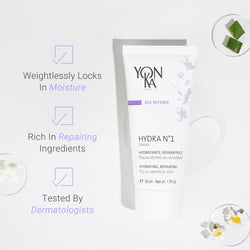
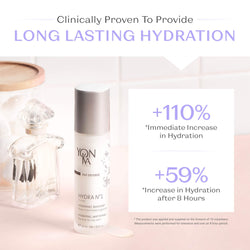
For many people, the skin is both dry and dehydrated. This is why we often formulate products that combine the lipid-replenishing power of shea butter with high-performance humectants. For example, our Hydra n°1 Crème utilizes the richness of shea butter alongside hyaluronic acid to address both the lack of oil and the lack of water, providing a multi-dimensional approach to hydration.
Integrating Shea Butter into Your Yon-Ka Ritual
To get the most out of shea butter, it should be used as part of a consistent, layered skincare ritual. Applying a heavy butter to "dirty" or unprepared skin will not yield the same results as a professional-inspired routine.
Step 1: Gentle Cleansing
Always start with a clean canvas using a barrier-respecting cleanser. For dry skin, we recommend Lait Nettoyant, our iconic cleansing milk. It removes impurities while maintaining the skin's delicate acid mantle, ensuring that you aren't starting your routine by stripping away the very oils you are trying to replace.
Step 2: The Phyto-Aromatic Mist
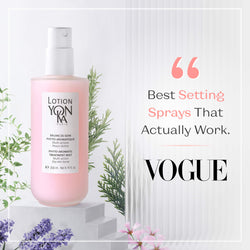
Prepare your skin with our signature mist, Lotion Yon-Ka PS. This alcohol-free toner is infused with our Quintessence—an exclusive complex of lavender, geranium, rosemary, cypress, and thyme essential oils. Misting the skin before applying a shea butter-based cream helps the product spread more evenly and enhances the absorption of active ingredients.
Step 3: Targeted Treatment
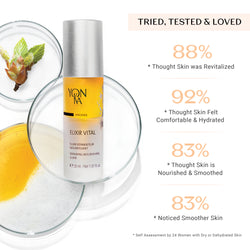
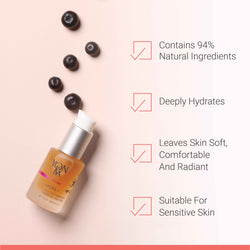
If your skin is exceptionally dry, consider adding a booster to your routine. You can blend a few drops of Booster Nutri + into your moisturizer. This antioxidant-rich oil enhances the nourishing properties of your cream, providing an extra layer of lipid support and vitamins.
Step 4: Moisturize and Protect
Apply your shea butter-infused moisturizer to damp skin. Warming the product between your fingertips before pressing it into the face helps the plant butters melt into the skin. During the day, always follow with sun protection to prevent the UV damage that can exacerbate dryness and aging. If you want to explore more options, browse our face moisturizers.
Note on Essential Oil Safety: Most of our products contain the active benefits of essential oils. When introducing a new botanical product to your routine, we recommend a simple patch test on your inner forearm for 24 hours. Introduce one new product at a time to allow your skin to adjust to the active plant concentrations. A slight, fleeting tingling sensation can be normal with essential oils, but persistent redness or irritation means you should reduce frequency or discontinue use.
Is Shea Butter Suitable for All Skin Types?
While shea butter is a hero for dry skin, its use on oily or acne-prone skin requires more nuance. Because it is a rich fat, it can occasionally feel too "heavy" for someone with high sebum production. However, it is fundamentally non-comedogenic for most people.
For those with oily skin that is also feeling sensitized or parched (often due to harsh acne treatments), shea butter can actually be beneficial. The key is the formulation. A well-balanced cream will use shea butter in a ratio that provides protection without causing congestion. If you have persistent cystic acne or a medical skin condition like rosacea, we recommend consulting your dermatologist before introducing rich butters into your regimen. For skin that needs extra support, you can also explore our boosters.
Why Quality Matters: Refined vs. Unrefined Shea Butter
The way shea butter is processed significantly impacts its efficacy.
- Unrefined Shea Butter: This is extracted using traditional methods without high heat or chemicals. It retains the highest concentration of vitamins and its characteristic nutty aroma. However, it can sometimes have a slightly grainy texture.
- Refined Shea Butter: This version is processed to remove the natural scent and color, resulting in a smooth, white butter. While it is easier to work into cosmetic formulas, some of the bioactive nutrients can be lost during the refining process.
We choose our botanical sources with extreme care to ensure the highest level of active ingredients. Our formulations use refined versions of the highest quality to ensure a consistent, luxurious texture while maintaining the essential fatty acid profile that dry skin craves. This pharmaceutical-grade approach ensures that every application delivers the same level of nourishment and protection.
Elevating Your Results with Professional Expertise
While home care is the foundation of skin health, professional treatments can take your results to the next level. Our heritage is rooted in the professional spa environment, where over 7,000 skincare professionals worldwide trust our methods.
A professional facial at a Yon-Ka partner spa allows for deep product penetration and personalized analysis. A trained esthetician can use specialized techniques, such as aromatic steaming and specific massage movements, to help rich ingredients like shea butter and our Quintessence essential oils work more effectively. To find a professional near you who can customize a ritual for your dry skin, you can use our Spa Locator or learn more about our Hydralessence Treatment.
Common Myths About Shea Butter
Myth: Shea butter will make my skin greasy. Fact: When applied to damp skin in the correct amount, shea butter absorbs beautifully. It is an emollient that integrates with the skin’s lipids rather than just sitting on top.
Myth: Shea butter can replace sunscreen because it has a natural SPF. Fact: While shea butter has a very low natural SPF (around 3 to 4), this is nowhere near enough to protect your skin from sun damage. It should never be used as a substitute for a dedicated broad-spectrum sunscreen.
Seasonal Skincare: Why Dry Skin Needs Shea Butter in Winter
During the winter months, humidity drops and indoor heating creates an environment that literally sucks moisture out of the skin. This is often when people first notice "winter itch" or a flaky texture on their cheeks and around the nose.
Switching to a richer cream during the colder months is a classic skincare "wardrobe change." If you use a light fluid in the summer, your skin will likely benefit from the added "weight" of a shea butter cream in the winter. This extra layer acts like a cashmere sweater for your face, providing a barrier against the biting cold and wind.
Conclusion
Shea butter remains one of nature’s most effective answers to the question of how to care for dry skin on the face. Its unique blend of fatty acids, vitamins, and soothing plant sterols provides a comprehensive approach to moisture and protection. When used within a thoughtful, phyto-aromatic ritual, it helps restore the appearance of comfort and glow to even the most parched complexions.
At Yon-Ka Paris, we believe that your skincare routine should be more than just a chore—it should be a moment of wellness. By combining the time-tested power of botanicals like shea butter with our signature Quintessence and 70 years of French skincare expertise, we help you achieve skin that is not only hydrated but truly vibrant. If you are unsure which products are right for your specific needs, we invite you to take our Skin Diagnosis quiz or use Product Matcher to find your perfect fit.
"Skincare is a ritual worth savoring, built on the belief that the synergy of plants and professional expertise can reveal the skin's natural, healthy radiance."
Bottom line: Shea butter is an exceptional choice for dry skin because it replenishes vital lipids, protects the skin barrier, and provides antioxidant defense, making it a cornerstone of an effective nourishment routine.
FAQ
Does shea butter clog pores on the face?
Shea butter is generally considered non-comedogenic, meaning it has a low likelihood of clogging pores for most people. However, those with very oily or acne-prone skin should use it in a balanced formulation rather than applying raw shea butter, and always observe how their skin responds. If you want a concern-based starting point, browse products for dry and dehydrated skin or products for sensitive, redness-prone skin.
Can I use shea butter on my face every day?
Yes, shea butter is safe and beneficial for daily use, especially for those with dry or mature skin. For best results, incorporate it into your morning and evening ritual as a moisturizer to provide consistent protection and hydration to the skin barrier. You can also review this Product Spotlight on Lotion Yon-Ka for a simple example of how toner fits into a daily routine.
Is shea butter better than cocoa butter for the face?
For facial use, shea butter is often preferred because it is less likely to clog pores (lower comedogenic rating) than cocoa butter. While cocoa butter is an excellent choice for body treatments and the appearance of scars, shea butter’s texture and nutrient profile are typically better suited for the delicate skin on the face. If you want more context on dry-skin routines, see our guide to Yon-Ka products for dry and dehydrated skin.
How should I apply shea butter to my face for best results?
The best way to apply a shea butter-infused cream is to first mist your face with a toner like Lotion Yon-Ka. Then, warm a small amount of the cream between your fingertips and gently press it into your damp skin, which helps the butter absorb more effectively and locks in moisture.