Table of Contents
- Introduction
- The Science of Olive Oil in Skincare
- The Benefits: Why Use Olive Oil for Dry Skin?
- Potential Risks and Drawbacks
- Dry vs. Dehydrated Skin: Making the Distinction
- The Yon-Ka Phyto-Aromatic Approach to Dryness
- Building a Professional Ritual for Dry Skin
- Safety and Best Practices for Botanical Oils
- Why Professional Formulations Outperform DIY
- Conclusion
- FAQ
Introduction
The search for a glowing, supple complexion often leads us back to the most ancient and natural remedies. Among these, few substances carry the legendary status of olive oil, a Mediterranean staple famously adored by figures like Cleopatra for its skin-softening properties. If you have ever reached into your pantry to soothe a parched face, you are participating in a tradition that spans millennia. However, in the modern landscape of advanced botanical science, the question remains: is olive oil good for dry skin on your face, or is it a kitchen "hack" that may be doing more harm than good?
At Yon-Ka Paris, we believe in the transformative power of plants when they are balanced by pharmaceutical rigor. This article explores the science behind olive oil as a topical treatment, the distinction between dry and dehydrated skin, and how professional formulations offer a safer, more effective alternative to pure kitchen oils. While olive oil offers rich lipids and antioxidants, its suitability for your face depends on your unique skin profile and how you integrate it into your daily ritual.
The Science of Olive Oil in Skincare
To determine if olive oil is appropriate for facial use, we must look at its molecular composition. In the field of phytotherapy—the use of plant extracts for therapeutic purposes—olive oil is classified as a heavy emollient. Emollients are substances that smooth the skin surface by filling the gaps between skin cells with lipid-rich droplets.
The Fatty Acid Profile
The primary reason olive oil is touted for dry skin is its high concentration of fatty acids. It is exceptionally rich in oleic acid (an omega-9 fatty acid), which typically makes up 55% to 83% of the oil. Oleic acid is known for its ability to penetrate the skin deeply and provide intense, immediate softness.
However, olive oil also contains linoleic acid (an omega-6) and palmitic acid. Linoleic acid is a critical component of the skin’s natural lipid barrier. When our skin is deficient in linoleic acid, the barrier becomes compromised, leading to increased trans-epidermal water loss (TEWL)—the process where moisture evaporates from the skin into the air, leaving it dry and vulnerable.
Antioxidants and Vitamins
Beyond its lipid content, olive oil is a treasure trove of fat-soluble vitamins, including Vitamin A, D, E, and K. Vitamin E (tocopherol) is a powerhouse antioxidant that helps to neutralize free radicals—unstable molecules caused by pollution and UV exposure that can accelerate the visible signs of aging.
Furthermore, olive oil contains squalene. Squalene is a natural component of human sebum, but our production of it naturally declines as we age. By reintroducing squalene through botanical sources, we can help the skin maintain its appearance of elasticity and suppleness.
Key Takeaway: Olive oil is a rich emollient packed with oleic acid, Vitamin E, and squalene, all of which are designed by nature to soften and protect the skin.
The Benefits: Why Use Olive Oil for Dry Skin?
For those struggling with chronic dryness, olive oil can offer immediate sensorial relief. If your skin feels tight, flaky, or rough, the occlusive nature of this oil can provide a much-needed shield.
Intense Surface Softening
Because olive oil is a heavy oil, it acts as an occlusive agent. This means it creates a thin, protective film over the surface of the skin. For someone with very dry skin, this film acts like a secondary barrier, trapping moisture underneath and preventing the environment from drawing water out of the cells. This is particularly beneficial during the winter months when indoor heating and cold winds conspire to dehydrate the complexion.
Support for Skin Regeneration
The specific polyphenols in high-quality, cold-pressed olive oil may support the skin’s natural repair processes. When the skin is excessively dry, it often suffers from micro-cracks and minor inflammation. The anti-inflammatory properties of olive oil can help soothe the appearance of redness and support a more comfortable skin feel.
Natural Makeup Removal
One of the most practical uses for olive oil on the face is as a makeup remover. Because "like dissolves like," the lipids in olive oil easily break down stubborn, waterproof mascara and heavy foundations without the need for harsh scrubbing. This prevents the mechanical irritation that often plagues those with sensitive or dry skin.
If you prefer a gentler, more balanced cleanse, our Lait Nettoyant is a better first step for dry or sensitive skin.
Potential Risks and Drawbacks
While the benefits of olive oil are tempting, applying pure culinary oil to your face is not without its risks. We believe in the "professional touch," which means understanding that even the most natural ingredients require careful calibration.
The Comedogenic Factor
A significant concern with olive oil is that it is moderately comedogenic, meaning it has a tendency to clog pores. If you have combination skin—where your cheeks are dry but your T-zone is oily—applying pure olive oil could lead to breakouts, blackheads, and congestion. The heavy molecular weight of the oil can trap bacteria and dead skin cells inside the pore, leading to unwanted blemishes.
For skin that leans congested or breakout-prone, our face care collection offers better options than a single kitchen oil.
The Oleic Acid Dilemma
While oleic acid is excellent for penetration, scientific studies have shown that in very high concentrations—like those found in pure olive oil—it can actually disrupt the skin barrier in some individuals. It can create tiny "voids" in the lipid layers of the stratum corneum (the outermost layer of the skin).
For someone with a healthy barrier, this is rarely an issue. However, if your skin is already sensitized or prone to conditions like eczema, pure olive oil might actually make your skin more permeable and irritated over time. This is why we prioritize balanced formulas where botanical oils are combined with other extracts to mitigate this effect.
When barrier support matters most, Serum Omega offers a more refined lipid-repair step.
Lack of Sun Protection
A common misconception is that botanical oils can protect the skin from the sun. Olive oil has no significant SPF. Applying a heavy oil and then sitting in the sun can increase the risk of "cooking" the skin or developing hyperpigmentation (dark spots). Always ensure that if you use any oil-based product during the day, it is followed by a high-quality sun protector.
Myth: Olive oil is a safe alternative to professional moisturizers for all skin types.
Fact: Because it is moderately comedogenic and high in oleic acid, olive oil can cause breakouts or barrier disruption in those with oily, acne-prone, or highly sensitive skin.
Dry vs. Dehydrated Skin: Making the Distinction
Before reaching for the olive oil bottle, it is vital to distinguish between dry skin and dehydrated skin. This is a distinction we frequently make in our professional spa treatments to ensure the skin receives exactly what it needs.
- Dry Skin is a skin type. It means your skin lacks oil (lipids). It often looks dull, feels rough, and has almost invisible pores.
- Dehydrated Skin is a skin condition. It means your skin lacks water. Even oily skin can be dehydrated. It often feels tight, looks "crinkled" when pinched, and may show fine lines more prominently.
If your skin is dehydrated, olive oil alone will not fix the problem. Since oil and water do not mix, the oil will sit on top of the skin, but the cells underneath will still be "thirsty" for water. To truly treat a parched face, you need a combination of humectants (water-binding ingredients like hyaluronic acid) and emollients (oil-based ingredients).
For a more targeted hydration routine, our moisturizers are designed to pair comfort with moisture support.
The Yon-Ka Phyto-Aromatic Approach to Dryness
In our laboratories near Paris, we take a different approach to nourishment. We don't just use one oil; we create a synergy of botanical actives. Our signature Quintessence—a blend of lavender, geranium, rosemary, cypress, and thyme essential oils—is the foundation of our work. It provides skin-level benefits while also offering an aromachological effect, soothing the mind while revitalizing the tissue.
By integrating refined botanical oils like olive derivatives, grape seed, or hazelnut into sophisticated formulas, we ensure the skin receives the lipids it needs without the risk of clogged pores. Our commitment to high-naturality formulas means that the power of the land and sea is delivered in a way that respects the delicate ecosystem of your skin.
Building a Professional Ritual for Dry Skin
If your skin is constantly craving moisture, we recommend a layered ritual rather than a single-product "hack." This method ensures that you are providing both hydration (water) and nutrition (oil).
Step 1: Gentle, Barrier-Respecting Cleansing
Dry skin is often exacerbated by harsh cleansers that strip away the "acid mantle," the skin's natural protective film. Using a product like Lait Nettoyant, our gentle cleansing milk, allows you to remove impurities while maintaining the skin's essential lipid balance.
Step 2: Prepare with a Phyto-Aromatic Mist
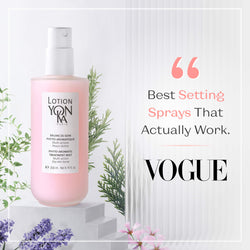
The use of a toner or mist is essential for preparing the skin to absorb subsequent treatments. Lotion Yon-Ka PS is more than just a toner; it is a phyto-aromatic treatment water that drenches the skin in hydration and the soothing scents of our signature Quintessence.
Step 3: Targeted Lipid Repair
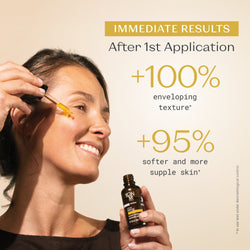
For intense dryness, a serum or elixir is your most powerful tool. Serum Omega is a perfect example of how science improves upon nature. This oil-in-serum is rich in Omega 3, 6, and 9, providing the skin with the exact fatty acids it needs to repair its barrier without the heaviness or comedogenic risk of pure olive oil.
Step 4: Lock in Moisture
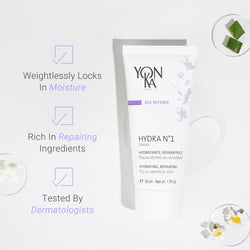
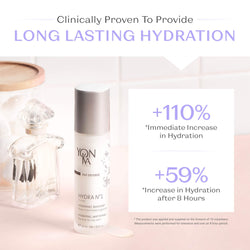
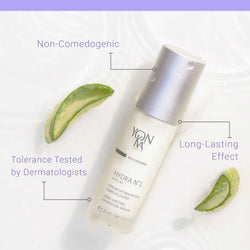
The final step is to seal in the hydration and nutrition with a high-quality moisturizer. Hydra N°1 Creme provides long-lasting hydration through hyaluronic acid and skin-repairing vitamins, ensuring that the skin remains supple and glowing throughout the day.
Safety and Best Practices for Botanical Oils
When introducing any new oil or botanical product into your routine, especially those containing essential oils, it is important to practice sensible skincare.
- The Patch Test: Apply a small amount of the product to your inner forearm and wait 24 hours. This is the best way to ensure your skin does not have a sensitive reaction to the fatty acids or aromatic compounds.
- Introduce Slowly: Introduce only one new product at a time. This allows you to accurately monitor how your skin responds.
- Sensory Experience: A slight tingling sensation can be normal with active botanical ingredients, but persistent redness or irritation is a sign to reduce frequency or discontinue use.
For skin that needs a gentler reset after dehydration or stress, our Hydralessence Treatment is a spa-led option worth exploring.
Why Professional Formulations Outperform DIY
While the "kitchen beauty" movement has its charms, there are three primary reasons to choose professional phyto-aromatic products over pure olive oil:
- Stability: Pure oils can go rancid when exposed to light and air. Professional products are formulated with antioxidants and packaged to ensure the active ingredients remain potent until the last drop.
- Molecular Weight: Raw olive oil is heavy and can sit on the surface. Professional formulas use specific fractions of oils that are designed to be absorbed more efficiently.
- Synergy: Skincare is rarely about a single miracle ingredient. It is the combination of humectants, emollients, and vitamins that creates a truly healthy skin barrier.
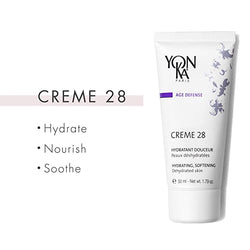
If you want a daily cream that reflects that philosophy, Creme 28 is a strong example of a balanced, non-oily formula.
Conclusion
So, is olive oil good for dry skin on your face? In moderation and for the right skin type, it can be a helpful emollient for sealing in moisture. However, for those seeking a truly radiant and balanced complexion, it is often better to rely on professional botanical science that provides the benefits of plant oils without the risks of congestion or barrier disruption.
- Olive oil is a powerful occlusive that helps prevent water loss.
- Its high oleic acid content makes it ideal for deep softening but potentially problematic for acne-prone skin.
- Distinguishing between dry (lack of oil) and dehydrated (lack of water) skin is crucial for choosing the right treatment.
- A consistent, layered ritual is the most effective way to achieve long-term skin health.
"Skincare is a ritual worth savoring—an opportunity to connect with the power of nature through 70 years of phyto-aromatic expertise."
If you are unsure which botanical oils or treatments are right for your specific concerns, we invite you to use our Skin Diagnosis quiz or explore our best sellers to find your perfect ritual. At Yon-Ka Paris, our mission remains rooted in the belief that every skin deserves the pharmaceutical precision of French botanical excellence.
FAQ
Can olive oil clog pores on my face?
Yes, olive oil is considered moderately comedogenic, which means it has a higher likelihood of clogging pores compared to lighter oils like jojoba or squalane. If you are prone to acne or blackheads, it is best to avoid applying pure olive oil to your face and instead look for non-comedogenic professional formulas.
Is olive oil better than a regular moisturizer?
Olive oil is an occlusive emollient, meaning it seals in moisture, but it does not contain humectants like hyaluronic acid which draw water into the skin. A professional moisturizer is generally superior because it provides a balanced blend of hydration, nutrition, and protection that a single oil cannot offer. For a related option, see Hydra N°1 Serum.
Can I use olive oil on my face every night?
While some people with extremely dry, non-acne-prone skin can tolerate olive oil nightly, it may be too heavy for regular use for most. Using it every night can lead to a buildup of oil that traps dead skin cells, potentially causing dullness or congestion over time.
Does olive oil help with wrinkles?
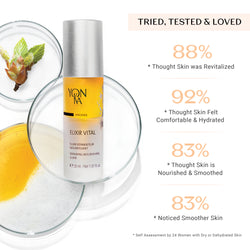
Olive oil contains Vitamin E and polyphenols, which are antioxidants that help protect the skin from environmental damage that causes premature aging. While it can help the skin appear smoother by plumping it with moisture, it is not a replacement for targeted anti-aging treatments like peptides or specialized botanical extracts. For a more targeted option, explore Elixir Vital.