Table of Contents
- Introduction
- What Exactly Is Niacinamide?
- The Science of Why Niacinamide Works for Dry Skin
- Niacinamide in the Phyto-Aromatic Tradition
- Building a Niacinamide-Friendly Ritual for Dry Skin
- Synergistic Ingredients: What to Pair with Niacinamide
- Comparing Niacinamide to Other Hydrators
- Realistic Expectations and Results
- A Note on Safety and Sensibility
- The Yon-Ka Professional Difference
- Conclusion
- FAQ
Introduction
That tight, uncomfortable pulling sensation across your cheeks or the sight of fine, flaky patches after applying makeup are more than just minor inconveniences. They are signs that your skin is thirsty and its protective shield is compromised. When searching for solutions, you may have encountered a powerhouse ingredient usually associated with oily skin: niacinamide. While often celebrated for its ability to balance sebum, you might find yourself wondering: is niacinamide good for dry skin on face?
At Yon-Ka Paris, we believe that effective skincare is a harmony between pharmaceutical-grade actives and the healing power of nature. In this guide, we will explore why niacinamide is actually one of the most versatile allies for dry and dehydrated complexions. We will cover how it supports the skin barrier, how it pairs with botanical ingredients, and how to weave it into a luxurious daily ritual. By the end of this article, you will understand how this vitamin can transform the appearance of your skin from parched to pillowy and resilient.
What Exactly Is Niacinamide?
Niacinamide is a water-soluble form of vitamin B3, an essential nutrient that the body cannot produce on its own in sufficient quantities. In the world of skincare, it is considered a "cell-communicating" ingredient. This means it has the unique ability to tell skin cells to behave in a healthier, more efficient way.
When applied topically, niacinamide acts as a precursor to two very important coenzymes within your cells: NAD+ and NADPH. These molecules are the fuel that powers cellular repair and energy production. While some ingredients focus on a single "hack" or quick fix, niacinamide works by supporting the skin’s natural biological processes.
Quick Answer: Yes, niacinamide is excellent for dry skin. It works by stimulating the production of ceramides and strengthening the skin's natural barrier, which helps to lock in moisture and prevent the dehydration that leads to flakiness and discomfort.
The Science of Why Niacinamide Works for Dry Skin
The primary struggle for those with dry skin is not just a lack of oil, but a weakened skin barrier. Your skin barrier, or the stratum corneum, acts as a security guard. It keeps vital moisture inside while blocking out environmental aggressors like pollution and bacteria. When this barrier is "leaky," water evaporates into the air—a process known as Transepidermal Water Loss (TEWL).
For skin that feels persistently dry or dehydrated, a dedicated dry and dehydrated skin collection can be a smart place to explore supportive formulas.
Strengthening the Barrier with Ceramides
Niacinamide is one of the few ingredients that can actually help your skin manufacture its own ceramides. Ceramides are fatty lipids that act like the mortar between the "bricks" of your skin cells. By increasing ceramide synthesis, niacinamide helps to repair the gaps in your skin's shield. For someone with dry skin, this means that the hydration you apply through creams and serums stays in the skin longer rather than evaporating.
Reducing Transepidermal Water Loss (TEWL)
Because niacinamide helps build a more robust barrier, it directly reduces the rate of TEWL. Research has shown that even a low concentration of niacinamide can significantly improve the skin's ability to retain moisture. This leads to a complexion that looks plumper and feels more elastic, reducing the appearance of "dehydration lines"—those fine, crinkly lines that appear when skin is parched.
Calming the Inflammation of Dryness
Dry skin is often synonymous with sensitivity and redness. When the skin is dry, it is more prone to microscopic cracks that allow irritants to enter, leading to a state of constant, low-level inflammation. Niacinamide has natural anti-inflammatory properties that help soothe the look of redness and calm the "stinging" sensation often felt by those with a reactive, dry face.
Niacinamide in the Phyto-Aromatic Tradition
At Yon-Ka, we have spent 70 years pioneering the fusion of plant-based therapy and professional science. We view niacinamide not as a solo performer, but as part of a larger, botanical symphony. While a synthetic serum might offer niacinamide in a vacuum, our approach integrates it with stabilized vitamins and aromatic essential oils to enhance its efficacy and provide a sensorial experience.
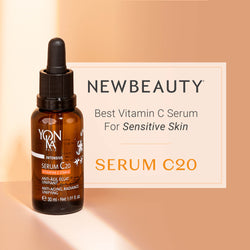
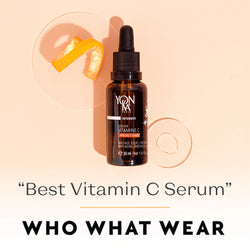
One of our most innovative examples is Serum C20. This professional-grade elixir contains a potent 20% concentration of stable Vitamin C alongside niacinamide and our signature essential oils. While many think of Vitamin C and niacinamide as a brightening duo, in this formulation, they work together to defend the skin against the oxidative stress that can worsen dryness and aging.
For a broader look at the formulas behind these results, you can also explore our formulation philosophy.
The Power of the Quintessence
The foundation of our formulas is the Quintessence—an exclusive complex of five essential oils: lavender, geranium, rosemary, cypress, and thyme. These are 100% natural and active. When paired with barrier-supporting ingredients like niacinamide, the Quintessence provides more than just a beautiful scent. It helps to revitalize the appearance of the skin and provides a holistic sense of well-being, turning a simple skincare step into a restorative ritual.
If you want to go deeper into the ingredients we use, take a look at our ingredients.
Building a Niacinamide-Friendly Ritual for Dry Skin
To get the most out of niacinamide, it should be layered within a consistent routine that focuses on hydration and protection. The Yon-Ka ritual method focuses on gentle, barrier-respecting steps that allow each product to perform at its peak.
Step 1: Respectful Cleansing
Dry skin should never feel "squeaky clean," as this indicates the natural lipid barrier has been stripped away. Begin with a gentle cleansing milk like Lait Nettoyant. This formula cleanses and removes makeup while maintaining the skin's hydro-lipidic film. It leaves the skin feeling supple and prepared for the active ingredients to follow.
For a closer look at how this cleanser fits into a routine, see our product spotlight on Lait Nettoyant.
Step 2: The Phyto-Aromatic Mist
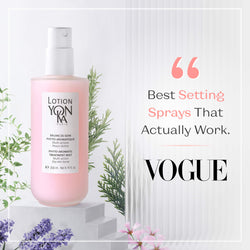
After cleansing, it is essential to rebalance the skin. Lotion Yon-Ka PS is more than just a toner. This alcohol-free mist, infused with our signature Quintessence, acts as a "primer" for your serum. Applying your treatment products to slightly damp skin—dampened by this aromatic mist—enhances the absorption of ingredients like niacinamide and hyaluronic acid.
Step 3: Targeted Serum Application
This is where niacinamide can truly shine. If you are looking to brighten a dull, dry complexion while supporting the barrier, a few drops of Serum C20 can be massaged into the face and neck. For those experiencing extreme dryness or "lipid-depletion," following this with Serum Omega can provide the essential fatty acids your skin is craving.
Step 4: Intensive Moisturization
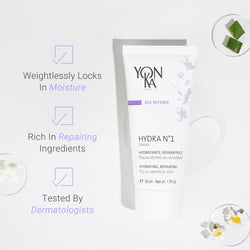
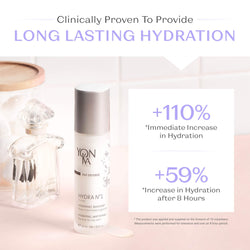
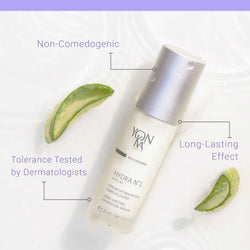
To seal in the benefits of your serum, apply a high-performance moisturizer. Hydra n°1 Crème is an excellent choice for very dry skin. It features long-lasting hydrating agents like hyaluronic acid and aloe vera, which work in tandem with the barrier-repairing benefits of niacinamide to provide comfort that lasts all day.
Key Takeaway: Niacinamide is most effective for dry skin when it is sandwiched between a hydrating mist and a lipid-rich moisturizer. This ensures the ingredient can focus on barrier repair while other products provide the immediate water and oil the skin lacks.
Synergistic Ingredients: What to Pair with Niacinamide
One of the reasons niacinamide is so beloved by skincare professionals is that it plays well with others. It rarely causes irritation and can actually make other active ingredients more effective.
- Hyaluronic Acid: While niacinamide repairs the barrier to keep moisture in, hyaluronic acid acts as a "moisture magnet" to draw water into the skin. Using them together, such as by layering a niacinamide serum with the Hydra n°1 collection, provides a dual-action approach to hydration.
- Vitamin C: There was once a myth that these two could not be used together. Modern science has debunked this. When combined, as seen in Serum C20, they provide a powerful antioxidant shield, brighten the appearance of dark spots, and support collagen for a firmer look.
- Panthenol (Pro-Vitamin B5): Often found in our soothing formulas, panthenol works alongside niacinamide to further calm the skin and improve its ability to hold onto water.
If you prefer a guided skin-care starting point, you can also take our Skin Quiz.
Comparing Niacinamide to Other Hydrators
Many people confuse niacinamide with other moisturizing ingredients. Understanding the difference helps you choose the right product for your specific needs.
| Ingredient | Primary Function | Best For... |
|---|---|---|
| Niacinamide | Strengthens barrier & ceramide production | Long-term moisture retention and redness |
| Hyaluronic Acid | Humectant that attracts water | Immediate plumping and surface hydration |
| Glycerin | Draws water from the air into skin | Basic, effective hydration for all skin types |
| Ceramides | Replace missing lipids in the barrier | Extremely dry, compromised, or aging skin |
Bottom line: Niacinamide is the "architect" that repairs the house, while hyaluronic acid is the "water" that fills the pipes. You need both for a truly hydrated home.
Realistic Expectations and Results
When introducing niacinamide into your ritual, it is important to remember that skin transformation is a journey, not an overnight event.
- Immediate (1–2 days): You may notice a slight reduction in redness and a more comfortable, less tight feeling in the skin.
- Short-term (2–4 weeks): The skin barrier begins to strengthen. You might see less flakiness and a smoother texture as surface hydration improves.
- Long-term (8–12 weeks): This is when the most significant changes appear. With consistent use, the skin often appears more resilient, pores look more refined, and the overall complexion has a healthier, more radiant glow.
If you have persistent skin concerns that do not improve with a consistent home ritual, or if you experience severe symptoms like cracking or bleeding, we recommend consulting a dermatologist to rule out underlying medical conditions.
A Note on Safety and Sensibility
While niacinamide is famously gentle, we always advocate for a mindful approach when introducing any new active ingredient or essential oil-rich formula.
- Patch Test: We recommend performing a patch test on your inner forearm for 24 hours before applying a new product to your entire face.
- Introduce Gradually: Start by using your niacinamide-enriched product once a day, or even every other day, to see how your skin responds.
- Sensory Check: A slight, brief tingling sensation can be normal when using active botanical formulas. However, if you experience persistent redness, itching, or burning, reduce the frequency of use or discontinue the product.
The Yon-Ka Professional Difference
Our heritage is rooted in the professional spa environment. For decades, our formulations have been the secret behind the glowing complexions of clients in thousands of spas worldwide. When you use a product containing niacinamide from us, you are using a formula born from clinical expertise and professional treatment rooms.
If you are unsure where to start or which products will best address your dryness, our Skin Diagnosis quiz and Product Matcher are available on our website to guide you. For those seeking a deeper transformation, you can use our Spa Locator to find a certified professional who can provide a tailored treatment using our intensive professional ranges.
Conclusion
Is niacinamide good for dry skin on the face? The answer is a resounding yes. By acting as a master builder for your skin's natural barrier and a soothing balm for inflammation, it addresses the root causes of dryness rather than just masking the symptoms. When combined with the phyto-aromatic expertise of Yon-Ka Paris, niacinamide becomes part of a holistic ritual that honors both the health of your skin and your overall well-being.
Building a routine is an act of self-care. It is a moment in your day to slow down and reconnect. By choosing high-quality, plant-based formulas backed by decades of French pharmaceutical rigor, you are giving your skin the tools it needs to thrive.
Key Takeaway: Niacinamide is a multi-tasking essential that repairs the skin barrier, reduces moisture loss, and calms redness, making it an ideal partner for dry skin types when layered with rich, botanical moisturizers.
We invite you to explore our dry skin moisturizers or the brightening power of Serum C20 to see how these professional formulas can revitalize your complexion.
FAQ
Can niacinamide make dry skin worse?
In very rare cases, a high concentration of niacinamide (10% or higher) may cause temporary redness or a feeling of dryness if the product lacks sufficient emollients. To avoid this, those with dry skin should look for niacinamide in balanced formulas that also contain hydrating ingredients like hyaluronic acid or plant oils.
Should I apply niacinamide to wet or dry skin?
For the best results, apply your niacinamide-containing serum or moisturizer to slightly damp skin. We recommend using Lotion Yon-Ka PS to mist the face first. This helps the skin absorb the active ingredients more effectively and "locks in" the moisture from the mist.
Can I use niacinamide and retinol together if I have dry skin?
Yes, and this is actually a recommended pairing. Retinol can sometimes cause dryness or irritation; niacinamide helps to strengthen the skin barrier and soothe the skin, which can mitigate the potential side effects of retinol. Use them as part of your evening routine to support skin renewal.
Is niacinamide or hyaluronic acid better for dry skin?
Neither is "better"; they simply perform different tasks. Hyaluronic acid is a humectant that provides immediate hydration to the skin's surface, while niacinamide helps repair the barrier to prevent that hydration from escaping. For the best results, use both ingredients in your daily ritual.