Table of Contents
- Introduction
- The Science of Cold Therapy for the Complexion
- Is Icing Good for Dry Skin specifically?
- A Safe Phyto-Aromatic Icing Ritual for Dry Skin
- Enhancing Cold Therapy with Botanical Intelligence
- Better Alternatives to Raw Ice for Dry Skin
- Common Myths vs. Facts About Skin Icing
- Professional Spa Insights: Cryo-Facials
- Essential Oil and Active Ingredient Safety
- Conclusion
- FAQ
Introduction
The invigorating touch of a cold compress or a chilled facial tool has long been a favorite ritual among Parisian women seeking to awaken a tired complexion. This practice, often called "skin icing," has recently transitioned from a professional spa secret to a viral social media phenomenon. At Yon-Ka Paris, we believe in the power of temperature to transform the skin's appearance, yet we also understand that every skin type requires a tailored approach. If you find yourself wondering whether this icy trend is suitable for your specific needs, the answer lies in understanding the delicate balance of your skin’s moisture barrier. While cooling can offer a revitalizing "wake-up call," dry and dehydrated skin requires specific precautions to ensure that the chill supports rather than stresses the complexion. This article explores the science behind cold therapy, the unique vulnerabilities of dry skin, and how to safely integrate cooling techniques into your botanical skincare ritual.
The Science of Cold Therapy for the Complexion
To understand if icing your face is beneficial, we must first look at how the skin responds to extreme temperature changes. Applying ice or a chilled tool to the skin triggers a biological process known as vasoconstriction. This is the narrowing of the blood vessels as the body attempts to preserve its core temperature.
When the cold source is removed, the skin undergoes a rapid reversal called vasodilation. During this phase, blood vessels expand, and a surge of fresh, oxygenated blood returns to the surface. This "pumping" action is what creates the healthy, rosy flush often associated with a morning walk in the brisk air. For the appearance of the skin, this can mean a temporary reduction in redness and a visible boost in radiance.
Beyond blood flow, cold therapy is an effective tool for lymphatic drainage. The face naturally accumulates fluid overnight, particularly around the eyes and jawline. The pressure of a moving cold tool encourages this stagnant fluid to move toward the lymph nodes, where it can be processed by the body. This is why a chilled tool is often the first line of defense against morning puffiness.
Is Icing Good for Dry Skin specifically?
When we address the question "is icing your face good for dry skin," we must look at the structural integrity of the skin. Dry skin is characterized by a lack of lipids—the natural oils that act as "mortar" between your skin cells. Without these lipids, the skin's barrier is compromised, making it more susceptible to environmental stressors and moisture loss.
For those with dry skin, the primary concern with icing is the potential for thermal shock. A sudden, extreme drop in temperature can be aggressive for a barrier that is already thin or sensitive. However, when done correctly, icing can still be beneficial. The key is to move away from the idea of "raw ice" and toward a more sophisticated, barrier-respecting approach.
Quick Answer: Yes, icing can be good for dry skin as it reduces puffiness and boosts radiance, but it must be done using a protective barrier (like a cloth) and followed immediately by lipid-rich hydration to prevent further dryness or "ice burn."
The Risk of Transepidermal Water Loss (TEWL)
One of the most significant risks for dry skin during icing is transepidermal water loss, or TEWL. As the skin re-warms after being iced, the evaporation of water from the skin’s surface can accelerate. If the skin is not immediately sealed with a protective moisturizer, the icing process might actually leave the skin feeling tighter and more dehydrated than before.
Potential for Irritation and Redness
Dry skin often goes hand-in-hand with sensitivity. Direct contact with ice can cause "ice burn" or frostnip, which manifests as persistent redness, stinging, or even peeling. This is why we always recommend a buffer between the cold source and the skin.
A Safe Phyto-Aromatic Icing Ritual for Dry Skin
At Yon-Ka, we view skincare as a ritual that should nourish both the skin and the senses. If you wish to incorporate the benefits of cold therapy into your routine, we suggest the following barrier-first approach. For a closer look at the formulas that support this kind of routine, explore our ingredients philosophy.
Step 1: Gentle, Lipid-Respecting Cleansing
Never apply ice to skin that hasn't been properly prepared. Start with a gentle, cream-based cleanser like Lait Nettoyant. This milk cleanser is a staple in our professional treatments because it respects the skin's natural pH and maintains the hydrolipidic film. By ensuring your skin is clean and slightly cushioned by the milk's nourishing ingredients, you prepare it for the temperature change without stripping its essential oils.
Step 2: The Protective Barrier
For dry skin, avoid using a bare ice cube. Instead, wrap the ice in a clean, soft muslin cloth or a thin cotton handkerchief. This moderates the temperature and prevents direct contact, which can be too harsh for a dry complexion. Alternatively, use a facial roller or "globes" that have been kept in the refrigerator rather than the freezer. This provides a "cool" rather than "freezing" sensation, which is much safer for dry skin.
Step 3: Targeted, Constant Movement
When applying the cold tool, keep it moving. Use gentle, upward, and outward strokes, focusing on the under-eye area, the cheeks, and the jawline.
- Forehead: Sweep from the center toward the temples.
- Eyes: Gently press the tool under the brow bone and move outward.
- Cheeks: Glide from the side of the nose toward the ears.
- Jawline: Move from the chin up toward the earlobes.
Limit the entire process to two minutes for the whole face. For dry skin, shorter sessions are more effective and less likely to cause irritation.
Step 4: The Phyto-Aromatic Mist
Once you have finished icing, your skin is in a prime state to absorb active ingredients. Immediately mist your face with Lotion Yon-Ka PS. This alcohol-free, hydrating mist is enriched with our signature Quintessence. The lavender and geranium in the mist help to soothe the skin after the cold "shock," while the rosemary and cypress support the circulatory benefits you are trying to achieve.
Step 5: Seal and Protect
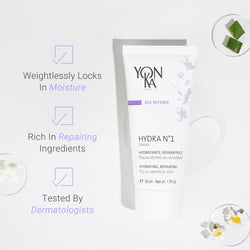
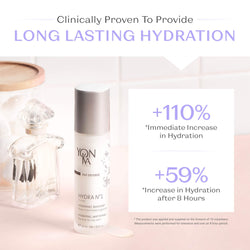
This is the most critical step for dry skin. To combat TEWL, you must lock in moisture immediately. Apply a lipid-restoring serum like Serum Omega, which provides the essential fatty acids dry skin needs to repair its barrier. Follow this with a rich moisturizer like Hydra N°1 Crème to ensure the skin remains plump and protected throughout the day.
Enhancing Cold Therapy with Botanical Intelligence
The true magic of a Yon-Ka ritual happens when botanical science meets professional technique. Our foundation is the Quintessence—an exclusive complex of five essential oils: lavender, geranium, rosemary, cypress, and thyme. This 100% natural and active complex is designed to balance and revitalize the skin. To see how this approach informs the rest of our range, visit our formulas page.
When you ice your skin to stimulate circulation, you are using a physical tool. By following that step with the Quintessence, you are providing chemical messengers from nature that speak to your skin's cells.
- Rosemary and Cypress are known in aromatherapy for their ability to support circulation, amplifying the "glow" effect of the ice.
- Lavender and Geranium act as soothing agents, ensuring the skin remains calm and comfortable.
- Thyme offers a gentle purifying effect, keeping the complexion clear.
This synergy ensures that your "skin icing" is not just a temporary surface fix, but part of a deeper, health-focused program.
Better Alternatives to Raw Ice for Dry Skin
If your skin is exceptionally dry or prone to redness (couperose), raw ice might be too aggressive. In our professional Yon-Ka Paris treatment rooms, we often use "chilled product therapy" as a gentler, more sophisticated alternative. This provides the benefits of vasoconstriction without the risk of thermal damage. If you prefer guided support, you can also find a Yon-Ka spa near you.
Refrigerated Mists
Storing your Lotion Yon-Ka PS in the refrigerator is one of the simplest ways to enjoy a cooling ritual. The fine mist delivers a consistent, gentle chill that wakes up the skin and tightens the appearance of pores without the harshness of an ice cube. It is a sensory delight that turns a daily step into a spa-like moment.
Chilled Eye Treatments
The delicate skin around the eyes is the first to show puffiness, but it is also the thinnest. Instead of icing this area directly, keep your Phyto-Contour eye cream in the fridge. This rosemary-rich cream is specifically formulated to combat dark circles and puffiness. When applied cold, it provides an immediate "lifting" appearance and a bracing sensation that is incredibly effective for tired morning eyes.
Cold Masking
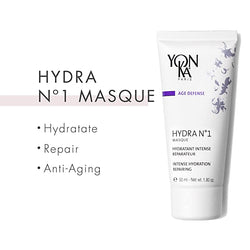
For an intensive hydration treatment, apply Hydrating No. 1 Masque after it has been chilled in the refrigerator for ten minutes. The cold helps the skin "drink in" the hydrating active ingredients, providing a visible plumping effect and soothing any feeling of tightness or heat.
Key Takeaway: Cold therapy for dry skin is most effective when transitioned from "ice" to "chilled botanical products." This minimizes the risk of barrier disruption while maximizing the delivery of active, lipid-restoring ingredients.
Common Myths vs. Facts About Skin Icing
Myth: Icing can permanently shrink your pores. Fact: Pore size is largely determined by genetics. While icing can cause temporary vasoconstriction that makes pores appear smaller and the skin look smoother, this effect is temporary and will fade as the skin re-warms.
Myth: You should ice your face for at least ten minutes to see results. Fact: Ten minutes is far too long for facial skin and can lead to ice burns or broken capillaries. For dry skin, one to two minutes of constant movement is the professional recommendation.
Myth: Icing is a replacement for your moisturizer. Fact: Icing is a "prep" step, not a "moisture" step. In fact, icing can be drying, so it makes your moisturizing steps even more important.
Professional Spa Insights: Cryo-Facials
In the professional world, cryotherapy is a highly sought-after treatment. Many of the 7,000 skincare professionals worldwide who trust our products use controlled cooling to enhance the results of a facial. For a deeper look at the product behind the eye-area ritual, read our Phyto-Contour spotlight.
During a professional treatment, an aesthetician might use specialized tools or masks that maintain a precise temperature. This is often paired with deep-cleansing rituals and intensive serums that are massaged into the skin using cooling techniques. If you find that your skin responds well to cooling but you are nervous about doing it at home, finding a local spa through our Spa Locator is an excellent way to experience professional-grade cryo-therapy tailored to your dry skin's needs.
Essential Oil and Active Ingredient Safety
When introducing any new element to your routine, especially one involving extreme temperatures or essential oils, safety is paramount. For more context on how we choose and test our botanicals, explore our ingredient standards.
- Patch Test: Always recommend a patch test when introducing a new product or technique. Apply the product or the chilled tool to your inner forearm for 24 hours to monitor for a reaction.
- One at a Time: Introduce one new change to your ritual at a time so you can accurately assess how your skin responds.
- Listen to Your Skin: A slight tingling or a fresh sensation is normal. However, if you experience persistent redness, itching, or a burning sensation, reduce the frequency of icing or discontinue the practice.
- Note: If you experience a severe reaction such as facial swelling or difficulty breathing, seek urgent medical care immediately.
Conclusion
Icing can be a transformative addition to your skincare ritual, providing a visible boost in radiance and a reduction in the look of puffiness. For those with dry skin, the key to success is moderation and a barrier-first approach. By avoiding direct ice contact and prioritizing lipid-rich formulas like our Serum Omega and Hydra N°1 Crème, you can harness the power of the cold without compromising your skin’s health.
At its core, the philosophy of Yon-Ka Paris is about respecting the skin's natural balance while utilizing the most potent elements of nature. Whether you are using a chilled stone roller or a refrigerated botanical mist, remember that consistency and gentle care are what lead to long-term results. If you want a more personalized next step, take our Skin Diagnosis quiz or try the Product Matcher.
Next Steps for Your Ritual:
- Explore the Hydra N°1 Creme for intensive hydration.
- Add Serum Omega to your routine to fortify your skin's barrier.
- Keep your Lotion Yon-Ka PS in the fridge for a daily cooling mist.
FAQ
Can I ice my dry skin every day?
For most dry skin types, icing once or twice a week is sufficient to see the appearance of reduced puffiness. Daily icing may be too taxing for a dry skin barrier, so it is best to start slowly and observe how your skin feels. If you want a routine built around dry-skin support, browse the Dry & Dehydrated Skin collection.
Does icing help with fine lines and wrinkles?
Icing can provide a temporary "plumping" and "tightening" effect that minimizes the look of fine lines. However, for long-term anti-aging benefits, it must be paired with ingredients like hyaluronic acid and peptides found in our Age Exception and Age Correction ranges. You can also compare options in the anti-aging collection.
Should I ice my face before or after my serum?
We recommend icing after cleansing and toning, but before your serum. The cold helps prepare the skin and improve the appearance of the complexion, making it the perfect "primer" for the active botanical ingredients in your serum and moisturizer. For richer hydration formulas, see our moisturizers collection.
Is it safe to ice my face if I have broken capillaries?
If you have visible broken capillaries (couperose) or very sensitive skin, you should avoid raw icing. The extreme temperature changes can cause further stress to the delicate vessel walls; instead, use a gently refrigerated mist or cream for a safer cooling effect. If you prefer a guided professional option, consider our spa treatments.