Table of Contents
- Introduction
- The Science of Honey for Dry Skin
- Understanding Raw vs. Pasteurized Honey
- Enzymatic Exfoliation for a Radiant Glow
- Protecting and Repairing the Skin Barrier
- How to Use Honey in Your Skincare Ritual
- When Honey Isn't Enough: Professional Solutions for Dryness
- Safety and Precautions with Honey
- The Role of Professional Expertise
- Cultivating a Ritual of Self-Care
- Conclusion
- FAQ
Introduction
That tight, parched sensation that often accompanies dry skin is more than just a minor inconvenience; it is a signal from your cutaneous barrier that it needs profound nourishment. When the face feels rough, flaky, or lacks its natural luminosity, many of us turn to the kitchen cupboard for a time-honored remedy: honey. At Yon-Ka Paris, we have long championed the power of botanical ingredients and phyto-aromatic excellence to restore the skin’s equilibrium. The question of whether honey is truly effective for facial dryness is one we hear often in the treatment room. This golden nectar is celebrated for its ability to draw moisture into the skin while providing a soothing, sensorial experience. In this article, we will explore the science behind why honey is a remarkable ally for dry complexions, how it supports the skin’s appearance, and how to integrate it into a refined skincare ritual.
The Science of Honey for Dry Skin
Honey is far more than a natural sweetener; it is a complex biological substance produced by the symbiotic relationship between bees and botanical life. For those struggling with a dry complexion, the most significant characteristic of honey is its status as a natural humectant. A humectant is a substance that possesses the unique ability to attract moisture from the surrounding environment and bind it to the surface of the skin.
When you apply honey to the face, it creates a temporary reservoir of hydration. This is particularly beneficial for dry skin, which often lacks the natural moisturizing factors (NMFs) required to retain water. By pulling moisture into the upper layers of the epidermis, honey helps to diminish the appearance of fine lines caused by dehydration and leaves the skin feeling significantly softer and more supple.
Beyond its water-binding capabilities, honey contains a sophisticated profile of phytochemicals—plant-based compounds that offer protective benefits. These include antioxidants, which help to neutralize free radicals (unstable molecules that contribute to the visible signs of aging). For dry skin, which is often more susceptible to environmental stressors due to a compromised barrier, this added layer of antioxidant support is invaluable.
Understanding Raw vs. Pasteurized Honey
If you are considering applying honey to your face, the quality and type of honey you choose are paramount. Most of the honey found in standard grocery stores has been pasteurized, a heating process designed to prevent crystallization and extend shelf life. Unfortunately, high heat can degrade the very enzymes and bioactive compounds that make honey a potent skincare ingredient.
For therapeutic facial use, we recommend seeking out raw, unpasteurized honey or medical-grade varieties like Manuka honey. Raw honey remains "live," meaning it retains its natural enzymes, bacteria, and phytonutrients. Manuka honey, specifically from New Zealand, is often cited in dermatological research for its high levels of methylglyoxal (MGO), a compound that contributes to its robust antimicrobial and healing properties.
Using raw honey ensures that you are delivering the full spectrum of vitamins, minerals, and amino acids to your skin. These components work together to support the skin's natural repair processes, helping to soothe the look of redness and irritation that frequently accompanies chronic dryness.
Enzymatic Exfoliation for a Radiant Glow
One of the most common challenges with dry skin is the buildup of dead skin cells. When these cells accumulate, the complexion can appear dull, gray, and uneven in texture. Traditional physical scrubs can sometimes be too abrasive for dry, sensitive skin, causing micro-tears and further compromising the moisture barrier.
Honey offers a much gentler alternative through enzymatic exfoliation. It contains trace amounts of gluconic acid, a mild alpha-hydroxy acid (AHA). AHAs are water-soluble acids that help to dissolve the "glue" holding dead skin cells together, allowing them to shed more easily.
Because the concentration of these acids in honey is quite low, the exfoliation process is incredibly gentle. This makes honey an excellent choice for those who need to brighten the appearance of their skin without the risk of irritation. Regular use can help reveal a smoother, more radiant surface, allowing your subsequent treatments—like a nourishing serum or a rich moisturizer—to penetrate more effectively.
Protecting and Repairing the Skin Barrier
The skin barrier, or the acid mantle, is the outermost layer of the skin responsible for keeping moisture in and irritants out. In dry skin types, this barrier is often "leaky," meaning essential lipids (oils) are missing, and water is lost through a process called transepidermal water loss (TEWL).
Honey supports the appearance of a healthy barrier in several ways. Its slightly acidic pH—usually between 3.2 and 4.5—closely mimics the natural pH of healthy skin. Maintaining this acidic environment is crucial for the skin’s microbiome and its ability to defend itself against external stressors.
Furthermore, honey contains amino acids and proteins that serve as building blocks for skin health. While it cannot replace the essential fatty acids found in botanical oils, it works beautifully in tandem with them. This is why we often suggest layering a honey-based treatment with a lipid-restoring product like Serum Omega. Formulated with cold-pressed oils rich in Omega 3, 6, and 9, Serum Omega provides the essential fats that dry skin craves, while the humectant properties of honey provide the necessary water.
How to Use Honey in Your Skincare Ritual
Integrating honey into your routine does not have to be complicated. It can be used as a standalone treatment or as a "booster" for your existing products. However, to see the best results, it is important to follow a structured approach that respects the skin’s natural rhythm.
The Honey Mask Method
The most effective way to experience the benefits of honey is through a dedicated mask treatment once or twice a week.
- Cleanse: Begin with a gentle, barrier-respecting cleanser like Lait Nettoyant. This milk-based cleanser removes impurities without stripping the skin of its natural oils.
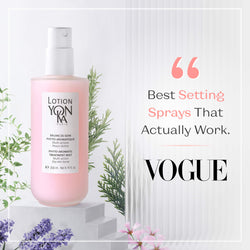
- Mist: Follow with a generous mist of Lotion Yon-Ka. This phyto-aromatic mist, featuring our signature Quintessence—a blend of lavender, geranium, rosemary, cypress, and thyme—prepares the skin to receive the honey.
- Apply: On slightly damp skin, apply a thin, even layer of raw honey. You may find that warming the honey slightly between your fingertips makes it easier to spread.
- Rest: Leave the honey on the skin for 15 to 20 minutes. This is a wonderful time to practice aromachology—the study of how scents influence mood—by breathing deeply and relaxing.
- Rinse: Gently rinse with lukewarm water. Honey is surprisingly easy to remove as it thins out immediately upon contact with water.
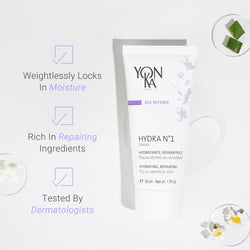
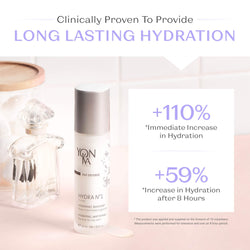
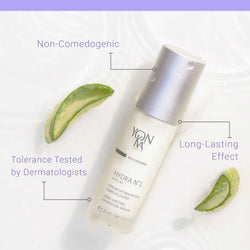
- Seal: While the skin is still slightly damp, apply your moisturizer. For intense dryness, Hydra n°1 Crème is an excellent choice, as it provides long-lasting hydration through high-molecular-weight hyaluronic acid and reparative botanical extracts.
The Honey Spot Treatment
If you have specific areas of flakiness or dry patches, you can apply a small amount of raw honey directly to those spots. Its anti-inflammatory properties can help calm the look of redness, while its humectant nature works to soften the rough texture of the patch.
Key Takeaway: Honey is an exceptional multi-tasker for dry skin, acting as a humectant to bind water, a gentle exfoliator to smooth texture, and an antioxidant to protect against environmental damage.
When Honey Isn't Enough: Professional Solutions for Dryness
While honey is a fantastic natural remedy, chronic or severe dryness often requires a more technologically advanced approach. Botanical science has allowed us to isolate the most active parts of plants and combine them into formulas that deliver visible, professional-level results.
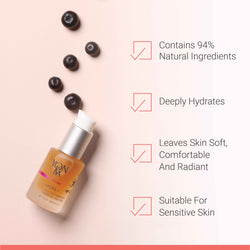
If your skin remains tight or uncomfortable despite using honey, it may be time to incorporate targeted boosters into your routine. Our Booster Nutri + is a prime example. This nutrient-dense oil is designed to be mixed into your daily moisturizer to provide an extra surge of vitamins and antioxidants. It works in harmony with the skin’s natural lipids to reinforce the barrier, something honey alone cannot fully achieve.
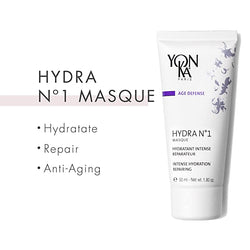
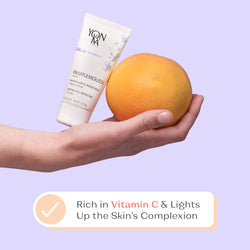
For those who feel their skin is dull and tired, the Hydrating No. 1 Masque can be a game-changer. Featuring deeply hydrating ingredients, it works to brighten the appearance of the skin and support a softer, more comfortable feel. When used in a routine that also includes the hydrating benefits of honey, the result is a complexion that looks vibrant, plump, and thoroughly revitalized.
Safety and Precautions with Honey
Although honey is a natural substance, it is not without its precautions. As with any new skincare ingredient, a thoughtful approach is necessary to ensure your skin responds positively.
The Importance of a Patch Test
Before applying honey—especially raw honey—to your entire face, perform a patch test. Apply a small amount to the inner forearm and wait 24 hours. While honey is generally soothing, it can contain traces of pollen or bee-related proteins that may trigger a reaction in sensitive individuals.
Allergy Warnings
If you have a known allergy to bees, bee stings, or pollen, you should avoid using honey topically. In some cases, people with allergies to celery or certain weeds may also experience cross-reactivity. If you experience any persistent redness, itching, or swelling, discontinue use immediately and consult your physician or a dermatologist.
Avoid Using Honey Overnight
While it may be tempting to leave honey on the skin overnight for "maximum" hydration, we advise against it. Honey is extremely sticky and can attract dust, lint, and household allergens to your face while you sleep. This can lead to clogged pores or irritation. A 20-minute treatment is more than sufficient to reap the benefits.
Note: A slight tingling sensation can be normal when using active botanical ingredients like honey or products containing essential oils. However, if you experience persistent redness or irritation, reduce the frequency of use or discontinue the product.
The Role of Professional Expertise
At Yon-Ka, our heritage is rooted in the professional spa environment. We believe that the most effective skincare journeys begin with an expert diagnosis. While at-home rituals with ingredients like honey are beneficial, they are best supplemented by professional treatments.
A licensed aesthetician can provide a deeper level of care through specialized techniques and professional-grade products. For dry skin, a treatment like our "Grand Classique" can deeply cleanse, oxygenate, and hydrate the skin in a way that home care cannot replicate. These treatments often use the power of the Quintessence to balance the skin and the mind simultaneously.
To find a professional who can analyze your skin's specific needs, you can use our Spa Locator to find a Yon-Ka partner near you. Experiencing a professional treatment allows you to see how your skin responds to high-performance botanical formulas, providing a roadmap for your at-home routine.
Cultivating a Ritual of Self-Care
Skincare should never feel like a chore; it is an opportunity to pause and reconnect with yourself. The act of applying a honey mask or misting your face with Lotion Yon-Ka is a ritual of self-care that benefits both your skin and your spirit.
Dry skin, in particular, responds well to a consistent, layered approach. By focusing on gentle cleansing, aromatic toning, and deep hydration, you create an environment where your skin can thrive. Honey is a beautiful bridge between the simplicity of nature and the sophistication of modern skincare, offering a sensorial reminder of the healing power found in the plant world.
Whether you are reaching for a jar of raw Manuka honey or a nourishing mask from our face masks collection, the goal remains the same: to nourish the skin, protect its delicate balance, and reveal its natural radiance.
Conclusion
Honey is a remarkable gift from nature, offering profound benefits for those with dry, parched skin. From its ability to draw in moisture as a humectant to its gentle enzymatic exfoliation, it addresses the primary concerns of dryness with grace and efficacy. By incorporating honey into a well-rounded ritual—one that includes gentle cleansing, essential oil-infused toning, and lipid-rich moisturization—you can support a complexion that looks and feels healthy and vibrant.
- Hydrate deeply by using honey as a weekly mask on damp skin.
- Exfoliate gently with the natural enzymes found in raw honey to reveal a brighter glow.
- Protect the barrier by pairing honey with lipid-restoring products like Serum Omega or Booster Nutri +.
- Seek professional guidance to tailor your routine to your unique skin concerns.
At Yon-Ka Paris, we remain committed to the belief that true beauty emerges from a harmonious blend of nature, science, and the art of the ritual. For over 70 years, we have utilized the world's finest botanical ingredients to create skincare that is as effective as it is luxurious. If you are unsure which products are right for your dry skin, we invite you to take our Skin Diagnosis quiz or use our Product Matcher to find your perfect fit. Embrace the power of plants and let your natural radiance shine through.
"Skincare is not just about the surface; it is a holistic ritual that honors the skin's intelligence and the restorative power of the natural world."
FAQ
Is honey safe for all skin types including oily skin?
Yes, honey is generally safe for all skin types. Because it is non-comedogenic (meaning it won't clog pores) and has antimicrobial properties, it can be beneficial for oily and blemish-prone skin just as much as it is for dry skin.
How often should I use a honey mask on my face?
For most individuals, using a honey mask one to two times per week is ideal. This frequency allows you to enjoy the hydrating and exfoliating benefits without over-stimulating the skin or disrupting its natural balance.
Can I mix honey with my daily moisturizer?
While you can mix a small amount of honey into a mask, we do not recommend mixing it directly into your moisturizer for daily use. This can alter the preservative system of your cream; instead, apply honey as a separate treatment step or use a targeted product like Booster Nutri + for extra nourishment.
Will honey help fade the appearance of acne scars?
Honey can support the skin's natural healing process and, through gentle enzymatic exfoliation, may help to improve the appearance of skin texture and tone over time. While it won't "eliminate" scars, it can contribute to a more even and radiant-looking complexion with consistent use.