Table of Contents
- Introduction
- Understanding the Difference Between Dry and Dehydrated Skin
- The Science of Gel Formulations
- Why Dry Skin Often Needs More Than a Gel
- The Phyto-Aromatic Approach to Hydration
- How to Incorporate Gel Textures into a Dry Skin Ritual
- Specific Product Recommendations for Dry and Dehydrated Skin
- Seasonal Adjustments: When to Reach for a Gel
- The Role of Professional Expertise
- Common Myths About Gel Moisturizers and Dry Skin
- Ingredients to Seek (and Avoid) for Dry Skin
- Conclusion: Crafting Your Perfect Texture
- FAQ
Introduction
The quest for a perfectly balanced complexion often feels like a journey through endless textures, from heavy balms to airy mists. When your skin feels tight or looks lackluster, your first instinct is likely to reach for the thickest cream available. However, the rise of lightweight, high-performance gel formulas has many wondering: is gel moisturizer good for dry skin, or is it reserved only for those with oily complexions? At Yon-Ka Paris, we believe that effective hydration is a nuanced art form that blends the best of nature with pharmaceutical precision. In this guide, we will explore the science of skin hydration, the fundamental differences between gels and creams, and how you can utilize the cooling, water-rich benefits of a gel within a professional-grade ritual. Ultimately, you will discover that while texture is a personal preference, the secret to soft, supple skin lies in a strategic combination of humectants and lipids.
Understanding the Difference Between Dry and Dehydrated Skin
Before deciding if a gel is right for you, it is essential to distinguish between "dry" and "dehydrated" skin. While these terms are often used interchangeably in casual conversation, they represent two distinct physiological states that require different therapeutic approaches.
Dry skin is a skin type characterized by a lack of oil, or sebum. Your skin naturally produces lipids to lubricate the surface and keep the barrier intact. When those oils are insufficient, the skin can feel rough, flaky, and lose its natural elasticity. This is often a genetic trait, though it can be exacerbated by hormonal changes or aging.
Dehydrated skin, on the other hand, is a condition that can affect any skin type—including oily and combination skin. It refers to a lack of water in the stratum corneum (the outermost layer of the skin). Even if your skin produces plenty of oil, it can still be dehydrated due to environmental factors, air conditioning, or a disrupted skin barrier.
Gel moisturizers are primarily designed to address dehydration by delivering a concentrated "drink" of water to the skin. For those with a truly dry skin type, a gel alone may not provide the oil-based nourishment needed to fully support the moisture barrier.
The Science of Gel Formulations
Gel moisturizers are traditionally water-based and formulated with high concentrations of humectants. In the world of skincare chemistry, humectants are molecules that act like microscopic magnets, attracting water from the atmosphere and the deeper layers of the dermis to pull it into the surface cells.
Common humectants include:
- Hyaluronic Acid: A powerhouse molecule capable of holding up to 1,000 times its weight in water.
- Glycerin: A classic, high-performance humectant that helps smooth the appearance of the skin.
- Aloe Vera: Known for its soothing properties and immediate cooling sensation.
- Sodium PCA: A natural component of the skin’s moisturizing factor that helps maintain a healthy look.
Because gels typically contain fewer heavy oils or waxes, they have a smaller molecular structure that allows them to absorb rapidly without leaving a greasy residue. This makes them incredibly refreshing, especially in warmer climates or for individuals who dislike the "weight" of a traditional cream.
Why Dry Skin Often Needs More Than a Gel
While a gel moisturizer provides an immediate burst of hydration, dry skin often struggles to keep that hydration inside. This is where the concept of Transepidermal Water Loss (TEWL) becomes critical.
If you have dry skin, your lipid barrier is likely thin or compromised. When you apply a water-based gel, the humectants pull water into the skin, but because there isn't a strong "seal" of oils on top, that water can quickly evaporate back into the air. This is why some people with dry skin report that their face feels tight or "thirsty" again just twenty minutes after applying a lightweight gel.
To truly care for dry skin, a moisturizer must perform three functions:
- Hydrate: Pull water in (the job of the gel/humectant).
- Emolliate: Smooth and soften the skin cells (the job of plant oils and squalane).
- Occlude: Create a breathable barrier to prevent water from escaping (the job of butters and waxes).
Quick Answer: A gel moisturizer can be excellent for dry skin if it is layered with oil-rich products or if it is a "gel-cream" hybrid. While the gel provides the necessary water, dry skin still requires emollients and occlusives to lock that moisture in and prevent evaporation.
The Phyto-Aromatic Approach to Hydration
At Yon-Ka, our heritage is rooted in the professional spa environment, where we prioritize the health of the skin barrier through the fusion of aromatherapy and phytotherapy. Our signature is the Quintessence, a unique complex of five essential oils—lavender, geranium, rosemary, cypress, and thyme—that serves as the foundation of our formulations. To learn more about our ingredient philosophy, visit our ingredients page.
When addressing the question of whether a gel is suitable for dry skin, we look at the ritual as a whole. We believe that skincare shouldn't be a single-step "hack," but a layered experience that addresses both the water and oil needs of the skin. By using a water-rich serum or gel-textured mask in tandem with a nourishing cream, you provide the skin with a complete spectrum of nutrients.
How to Incorporate Gel Textures into a Dry Skin Ritual
If you love the cooling, refreshing feel of a gel but have dry skin, you don't have to give it up. The secret lies in the professional method of layering. This allows you to reap the benefits of high-performance humectants while ensuring your skin stays comfortable all day.
The Foundation: Cleansing and Toning
Every successful routine begins with respecting the skin's pH. For dry skin, we recommend starting with a gentle milk cleanser like Lait Nettoyant. This non-foaming formula removes impurities while maintaining the lipid balance.
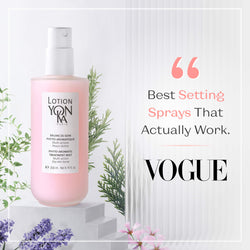
Following your cleanse, the application of a phyto-aromatic mist is non-negotiable. Our Lotion Yon-Ka PS (formulated specifically for dry skin) is much more than a toner. It is an alcohol-free healing water that drenches the skin in our signature Quintessence. This step "primes" the skin, making it more receptive to the humectants found in gel-based products.
The Treatment Layer: The Power of Serums
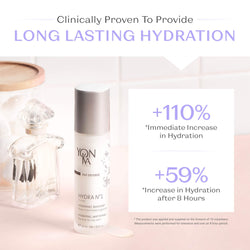
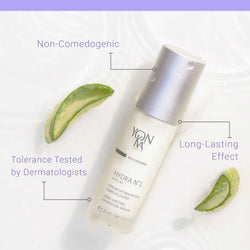
For those asking if a gel is good for dry skin, a gel-textured serum is often the most effective answer. A product like Hydra n°1 Serum uses a high concentration of hyaluronic acid to provide intense, long-lasting hydration. Because it is a serum, it is designed to be layered under a more occlusive moisturizer, giving you that "plump" gel feeling without leaving your skin unprotected.
The Moisture Layer: Choosing Your Texture
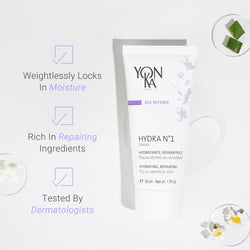
If you prefer a lighter texture during the day or in the summer, you might opt for a fluid or a light cream. However, for dry skin, we often suggest Hydra n°1 Crème. While it has the comforting feel of a cream, it is engineered with micro-molecular ingredients that provide the deep hydration associated with gels, combined with the lipid-restoring power of shea butter and hazelnut oil.
Key Takeaway: For dry skin, think of gel-textured products as your "hydration boosters" (the water) and your creams as your "protection layers" (the oil). Using them together creates the ultimate defense against dryness and dullness.
Specific Product Recommendations for Dry and Dehydrated Skin
Navigating the world of botanical skincare can be complex, so we have curated a selection of products that bridge the gap between gel-like hydration and cream-like nourishment.
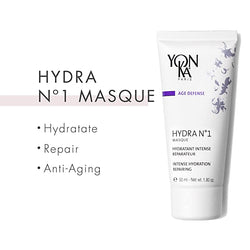
- Hydra n°1 Masque: This is a versatile hero for dry skin. It has a gel-cream texture that can be used as a traditional mask or applied in a thin layer as a reparative overnight treatment. It helps to smooth the look of dehydration lines and provides a visible "plumping" effect.
- Serum Omega: If your skin feels particularly brittle or thin, adding a lipid-rich serum is essential. While not a gel, this "oil-in-serum" provides the essential fatty acids that dry skin lacks, making any moisturizer you put on top work more effectively.
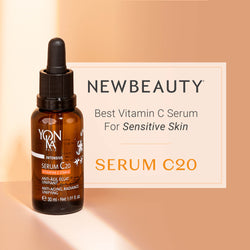
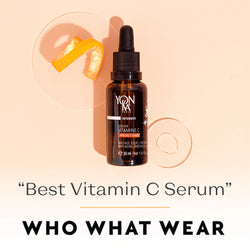
- Serum C20: For dry skin that also appears dull, this stable Vitamin C serum provides antioxidant protection while enhancing the skin's natural radiance. You can explore more options in our dark spots collection.
- Phyto-Contour: The delicate skin around the eyes often shows signs of dryness first. This refined eye cream has a thin texture that absorbs quickly while providing the firming benefits dry skin needs. You can also browse our eye and lip contour range.
Seasonal Adjustments: When to Reach for a Gel
Your skin’s needs are not static; they change with the seasons, your environment, and even your stress levels. A gel moisturizer that feels perfect in the humid weeks of July may leave your skin feeling parched in the biting winds of January.
In the Summer: During hot, humid months, even dry skin can feel a bit more balanced as the environment provides more ambient moisture. This is the ideal time to experiment with lighter textures or "gel-creams." The cooling sensation of a water-based formula can also help soothe the appearance of skin that has been exposed to the sun.
In the Winter: As the humidity drops and indoor heating rises, TEWL increases significantly. During this time, a gel alone will likely not be enough for dry skin. This is the season to "top" your gel serums with richer balms or creams to ensure that your precious hydration doesn't vanish into the dry winter air.
The Role of Professional Expertise
While at-home care is the cornerstone of skin health, professional treatments can provide a level of hydration that is difficult to achieve alone. Yon-Ka Paris is trusted by over 7,000 skincare professionals worldwide because our formulas are designed to be used in high-performance spa treatments. Learn more about the brand’s approach on Our Story and our treatment philosophy.
A professional aesthetician can analyze your skin to determine if your dryness is a permanent type or a temporary condition. They can then perform treatments like our "Le Grand Classique" or deep hydration facials that utilize professional-only concentrations of botanical extracts. If you are unsure which ritual is right for you, we invite you to use the Skin Diagnosis quiz or find a Yon-Ka spa near you for a personalized recommendation.
Common Myths About Gel Moisturizers and Dry Skin
There are several misconceptions that can lead to improper product selection. Let's clarify a few of the most common myths.
Myth: Gel moisturizers are only for teenagers or people with acne. Fact: Modern gel and gel-cream formulas are highly sophisticated and can be packed with anti-aging peptides, vitamins, and deep-acting humectants that benefit mature, dry skin just as much as oily skin.
Myth: If a gel "stings" upon application, it means it's working. Fact: A slight, brief tingling can be normal with active essential oils, but persistent stinging or redness may indicate a compromised barrier or a sensitivity to an ingredient. We always recommend a patch test on the inner forearm for 24 hours when introducing a new active product to your routine.
Myth: Hyaluronic acid gels are all you need for hydration. Fact: Hyaluronic acid is a humectant, not a complete moisturizer. Without a lipid layer to seal it in, hyaluronic acid can actually pull moisture out of the deeper layers of dry skin if the air around you is very dry.
Ingredients to Seek (and Avoid) for Dry Skin
When reading a label to determine if a gel moisturizer is good for dry skin, look for a "hybrid" approach.
Seek These Ingredients:
- Squalane: A biomimetic lipid that mimics the skin’s natural oils. It is often found in gel-creams because it is lightweight yet deeply nourishing.
- Ceramides: These are the "glue" that holds your skin cells together. They are vital for dry skin to prevent water loss.
- Plant-Based Glycerin: A reliable humectant that provides a smooth, silky finish.
- Xylitol: A natural sugar derivative that helps optimize the skin’s water reserves.
Use Caution With:
- High Alcohol Content: Many mass-market gel moisturizers use denatured alcohol to achieve a "flash dry" finish. This can be devastating for dry skin, leading to further dehydration and irritation.
- Heavy Synthetic Fragrances: These can be triggers for those with dry, sensitive skin. At Yon-Ka, we rely on the natural aromatic properties of our essential oils for both scent and efficacy.
Conclusion: Crafting Your Perfect Texture
The answer to "is gel moisturizer good for dry skin" is a resounding yes—provided it is used as part of a thoughtful, layered ritual. By understanding that dry skin needs both the "thirst-quenching" water of a gel and the "comforting" lipids of a cream, you can customize your routine to match the rhythm of your life.
Skincare is more than just a chore; it is a moment of daily wellness. Whether you choose the airy lightness of a gel serum or the rich embrace of a botanical cream, the goal is always the same: a healthy, radiant complexion that reflects your inner vitality.
Yon-Ka Paris remains dedicated to this vision, combining 70 years of French phyto-aromatic expertise with a deep respect for the skin's natural biology. We invite you to explore our moisturizers and discover how the power of nature, refined by science, can transform the look and feel of your skin.
FAQ
Can I use a gel moisturizer if my skin is flaking?
If your skin is flaking, it is a sign that your moisture barrier is significantly compromised and lacks lipids. While a gel can provide temporary relief by hydrating the dead skin cells, you likely need a richer cream or a face oil like Nutri + Booster to help support the barrier and stop the flaking.
Is a gel-cream better than a standard gel for dry skin?
Generally, yes. A gel-cream is a hybrid formula that contains both water-based humectants and a small amount of oils or emollients. This makes it more suitable for dry skin than a traditional oil-free gel, as it provides a bit more protection against water loss.
Should I apply gel moisturizer to wet or dry skin?
For the best results, always apply humectant-rich gels or serums to slightly damp skin. This gives the humectants (like hyaluronic acid) immediate access to water to pull into the skin. Using a mist like Lotion Yon-Ka PS before your gel is the perfect way to achieve this.
Can I mix my gel moisturizer with a face oil?
Yes, this is an excellent technique for dry skin. Mixing a few drops of a nourishing oil into a gel moisturizer creates a custom emulsion that provides the lightweight feel of a gel with the added barrier protection of an oil.