Table of Contents
- Introduction
- Understanding the Biology of Dry Skin
- Is Face Scrub Good for Dry Skin?
- Physical vs. Chemical vs. Grainless Exfoliation
- Essential Ingredients for Dry Skin Exfoliation
- The Yon-Ka Ritual for Dry Skin
- Common Mistakes When Exfoliating Dry Skin
- The Role of Professional Treatments
- When to See a Professional
- Conclusion
- FAQ
Introduction
The feeling of dry skin is often more than just a surface-level concern; it is a sensation of tightness, dullness, and occasionally, the frustration of visible flakes that refuse to budge. When you look in the mirror and see a rough texture, your first instinct might be to reach for a gritty scrub to "buff" it all away. But before you do, it is important to ask: is face scrub good for dry skin? While removing dead cells is essential for a glowing complexion, the delicate nature of dry skin requires a more nuanced approach than traditional abrasives.
At Yon-Ka Paris, we believe that exfoliation should be a restorative ritual, not a harsh intervention. This article will explore the biological needs of dry skin, the difference between physical and chemical exfoliation, and how to choose the right products for your routine. Our goal is to help you achieve the smooth, hydrated appearance you desire while respecting your skin’s vital moisture barrier.
Quick Answer: Yes, exfoliation is beneficial for dry skin because it removes the buildup of dead cells that block moisture absorption. However, traditional "gritty" face scrubs can be too abrasive; instead, dry skin often responds best to gentle "grainless" gommages or mild fruit enzymes that resurface without causing micro-tears.
Understanding the Biology of Dry Skin
To understand why exfoliation is a double-edged sword for dry skin, we must first look at what is happening beneath the surface. True dry skin is a specific skin type characterized by a lack of natural oils, or lipids. Unlike dehydrated skin, which lacks water and can affect any skin type, dry skin consistently struggles to produce the sebum necessary to lubricate the surface and seal in moisture.
When the skin lacks these essential lipids, the natural process of desquamation—where dead skin cells (corneocytes) fall off to make room for new ones—slows down. Instead of shedding invisibly, these dead cells cling to the surface, creating a "leaky" barrier. This leads to the rough, sandpaper-like texture and the "flakiness" that many people try to scrub away.
Without regular, gentle removal of this cellular debris, your moisturizers and serums cannot penetrate effectively. They simply sit on top of a layer of dead skin, providing little to no benefit to the living cells beneath. This is why exfoliation is actually a critical step for dry skin, provided it is done with the right tools.
Is Face Scrub Good for Dry Skin?
The short answer is yes, but with a major caveat regarding the type of scrub you choose. When people ask if a face scrub is good for dry skin, they are often thinking of physical exfoliants containing large granules like sugar, salt, or crushed shells.
For someone with a dry skin type, these traditional physical scrubs can be problematic. Dry skin often has a compromised moisture barrier, meaning it is more susceptible to irritation and microscopic tears. Using a harsh, jagged scrub can lead to:
- Increased Redness: The friction from large particles can over-stimulate blood flow in a way that causes persistent flushing.
- Transepidermal Water Loss (TEWL): If you scrub too hard, you remove the few protective lipids your skin actually has, allowing internal moisture to evaporate more quickly.
- Sensitivity: Over-exfoliating a dry complexion can make it reactive to other products in your routine, such as active serums or even basic cleansers.
However, this doesn't mean you should skip the scrubbing step entirely. It simply means you should evolve your definition of a "scrub."
Physical vs. Chemical vs. Grainless Exfoliation
In the world of professional skincare, we categorize exfoliants into three main groups. Understanding these will help you navigate the "is face scrub good for dry skin" dilemma with confidence.
Physical Exfoliants (Scrubs)
Physical exfoliants use manual friction to lift dead skin. While we generally advise against "gritty" scrubs for very dry or sensitive skin, some physical exfoliants use perfectly spherical beads (such as jojoba beads or silica) that roll over the skin rather than scratching it. If you enjoy the sensation of a physical scrub, look for these smooth, round particles and a creamy, oil-based carrier.
Chemical Exfoliants (Acids and Enzymes)
Chemical exfoliation doesn't involve "scrubbing" at all. Instead, it uses ingredients like Alpha Hydroxy Acids (AHAs) or fruit enzymes to dissolve the "glue" that holds dead skin cells together.
- Lactic Acid: This is the gold standard for dry skin. It is a larger molecule than glycolic acid, meaning it penetrates more slowly and gently. Most importantly, lactic acid is a humectant, meaning it helps the skin hold onto water while it exfoliates.
- Enzymes: Derived from plants like pineapple (bromelain) or papaya (papain), enzymes "digest" the protein in dead skin cells. They are incredibly gentle and an excellent choice for those who find acids too tingly.
The French Secret: Grainless Gommage
A unique category—and one we specialize in—is the grainless gommage. The word "gommage" means "to erase" in French. These products are typically applied as a thin cream or gel, allowed to set slightly, and then rolled off with the fingertips. This action gently lifts dead skin without any abrasive particles or harsh chemicals. It is widely considered the safest and most effective "scrub" for dry, delicate, or mature skin types. If you want a closer look at this category, explore our exfoliation collection.
Key Takeaway: For dry skin, prioritize "grainless" gommage or lactic acid-based exfoliants over traditional gritty scrubs to avoid damaging the skin's protective barrier.
Essential Ingredients for Dry Skin Exfoliation
When browsing for an exfoliant, look for a formula that balances resurfacing with nourishment. Dry skin needs "buffers" to ensure the exfoliation process doesn't leave the face feeling parched.
1. Soothing Botanicals: Ingredients like algae extract, aloe vera, or white nettle help to calm the skin during the exfoliation process. These are foundational in our professional-grade formulas to ensure the skin feels comfortable, not tight.
2. Hydrating Humectants: Look for glycerin or hyaluronic acid in your exfoliator. These ingredients pull moisture into the skin, offsetting any potential dryness from the removal of surface cells.
3. Phyto-Aromatic Essential Oils: At the heart of our philosophy is the Quintessence—our exclusive complex of lavender, geranium, rosemary, cypress, and thyme. These essential oils provide more than just a beautiful scent; they offer stabilizing and revitalizing benefits that support the skin's natural recovery process. To learn more about this approach, visit our ingredients page.
4. Natural Oils: If you are using a physical scrub, ensure the base is rich in plant oils like jojoba or avocado. These provide the "slip" needed to prevent friction and replenish lipids while you cleanse.
The Yon-Ka Ritual for Dry Skin
We believe that skincare is a layered ritual. When addressing dry skin, your exfoliation step should be nestled within a routine that prepares, treats, and protects.
Step 1: Gentle Cleansing
Never exfoliate "dirty" skin or skin with makeup still on it. Start with a moisture-respecting cleanser like Lait Nettoyant. This cleansing milk gently removes impurities while maintaining the skin's natural pH and lipid balance.
Step 2: Prepare with the Mist
Before exfoliating, prepare the skin with Lotion Yon-Ka PS. Our signature phyto-aromatic mist is alcohol-free and formulated specifically for dry skin. It drenches the skin in hydration, making the exfoliation step more effective and less irritating.
Step 3: The Gentle Scrub Alternative
For dry skin, we highly recommend Gommage Yon-Ka. This 4-in-1 botanical "scrub" contains no grains. It uses carob and lime essential oil to gently lift away dead skin. You apply it in a thin layer, let it sit for a moment, and then use your fingertips to "roll" it away. It leaves the skin feeling incredibly soft, polished, and hydrated.
Step 4: Intensive Hydration
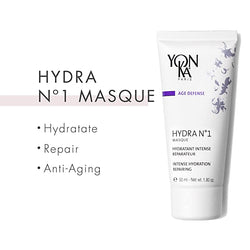
After exfoliating, your skin is most receptive to active ingredients. This is the perfect time to apply a treatment like Hydra n°1 Masque. Because the dead skin "barrier" has been removed, the vitamins and hyaluronic acid in the mask can sink deeper into the epidermis, providing long-lasting relief from dryness.
Step 5: Moisturize and Protect
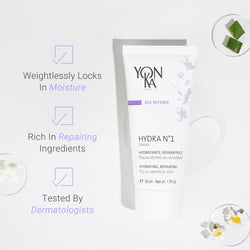
Finish your ritual with a rich cream like Hydra n°1 Crème. This ensures that the new, fresh cells you’ve revealed are immediately protected and nourished.
Note: When introducing a new product with essential oils or active botanicals, we always recommend a brief patch test. Apply a small amount to your inner forearm and wait 24 hours to ensure your skin is happy with the formula.
Common Mistakes When Exfoliating Dry Skin
Even with the best products, technique matters. Avoid these common pitfalls to keep your dry skin glowing and healthy.
Over-Exfoliating
The biggest mistake people make is thinking that more is better. For dry skin, exfoliating 1–2 times per week is usually plenty. If you do it every day, you will strip away the "good" oils that your skin is already struggling to produce, leading to a cycle of chronic dryness and irritation.
Using Body Scrubs on the Face
Body scrubs are often formulated with much larger, more abrasive particles like sea salt or coffee grounds. The skin on your face is significantly thinner and more delicate than the skin on your legs or elbows. Never use a product designed for the body on your face. If you want a face-safe alternative, browse our face masks collection.
Forgetting the "Post-Scrub" Moisture
Exfoliation opens up the skin. If you don't follow up with a high-quality moisturizer, you are leaving your skin vulnerable to the environment. Always "seal" the skin after any resurfacing treatment.
Applying Too Much Pressure
If you are using a physical scrub with beads, let the product do the work. You do not need to press hard into the skin. Use light, circular motions with your ring fingers, which naturally apply the least amount of pressure.
Myth: "If it doesn't tingle or feel scratchy, it isn't working." Fact: Effective exfoliation for dry skin should feel soothing and sensorial. A lack of pain or irritation is a sign that the product is respecting your skin barrier, not a sign of inactivity.
The Role of Professional Treatments
While a home ritual is the foundation of skin health, professional intervention can take your results to the next level. If you find that your dry skin is particularly stubborn or you have persistent flaky patches, a professional spa treatment can provide a deeper, more controlled exfoliation.
Our certified estheticians are trained to analyze your skin’s specific lipid levels and choose the exact concentration of botanicals and enzymes your skin needs. Many of our home-use products, such as the Excellence Code Masque or the Glyconight 10% Masque, were born from these professional treatment room protocols. You can find a local partner to experience these rituals by using our Spa Locator on the website.
When to See a Professional
While most dryness can be managed with a consistent phyto-aromatic ritual, some skin concerns require a medical perspective. If you experience persistent redness that doesn't go away, painful cracking, bleeding, or patches that feel hot to the touch, we recommend consulting a physician or a dermatologist. Conditions like eczema or psoriasis may mimic simple dryness but require specialized medical care. Skincare products are designed to support the appearance and health of the skin, but they are not a replacement for medical diagnosis or treatment.
Conclusion
So, is face scrub good for dry skin? When you choose a gentle, grainless, or enzyme-based formula, the answer is a resounding yes. By removing the veil of dead cells that often clouds a dry complexion, you allow your skin to breathe, absorb moisture, and regain its natural luminosity.
The secret to managing dry skin is not found in a single "miracle" scrub, but in a consistent, botanical-led ritual that respects your skin’s delicate balance. Whether you choose the gentle "erasing" action of a gommage or the hydrating power of lactic acid, remember to listen to your skin and treat it with the kindness it deserves.
Bottom line: Exfoliation for dry skin is about revealing radiance, not causing irritation. By incorporating professional-grade, phyto-aromatic products into your weekly routine, you can transform the look and feel of your skin.
If you are unsure which products are right for your specific needs, we invite you to use our Skin Diagnosis quiz or the Product Matcher on our website. For over 70 years, Yon-Ka Paris has been dedicated to the art of phyto-aromatic skincare, blending French heritage with scientific rigor to create rituals that are as effective as they are indulgent. Learn more through our brand story and our formulas.
FAQ
How often should I exfoliate dry skin?
For most dry skin types, exfoliating one to two times per week is sufficient. This frequency allows you to remove dead cell buildup without stripping away the essential lipids that protect your moisture barrier. If your skin feels sensitive or tight, reduce the frequency to once every ten days.
Can exfoliation make dry skin worse?
Yes, if you use a scrub that is too abrasive or if you exfoliate too frequently, you can damage the skin's protective barrier. This lead to increased water loss, redness, and sensitivity. To avoid this, always choose gentle, non-gritty formulas and follow up with a rich moisturizer.
Is chemical or physical exfoliation better for dry skin?
Chemical exfoliants (like lactic acid) or grainless gommages are generally better for dry skin than traditional physical scrubs. Lactic acid is particularly beneficial because it helps hydrate the skin while it exfoliates, whereas physical scrubs with large granules can cause micro-tears in a dry, fragile barrier.
Should I exfoliate in the morning or at night?
While you can exfoliate at either time, many people prefer the evening for their exfoliation ritual. Exfoliating at night allows you to follow up with a nourishing mask or rich night cream, like Élastine Nuit, while your skin is in its natural repair mode. Additionally, some exfoliating ingredients can increase sun sensitivity, making nighttime use safer. Always apply sun protection the following morning.