Table of Contents
- Introduction
- The Science of Sebum vs. Botanical Oil
- Why Oily Skin Needs Lipid Support
- Defining Non-Comedogenic Oils
- The Phyto-Aromatic Advantage
- How to Incorporate Face Oil into Your Oily Skin Ritual
- Morning vs. Night: When to Use Face Oil
- Common Myths About Oils and Oily Skin
- Specific Product Recommendations for Oily Types
- Advanced Tips for Best Results
- Key Takeaways for Oily Skin
- Conclusion
- FAQ
Introduction
The idea of applying oil to an already shiny or breakout-prone complexion can feel counterintuitive, if not entirely intimidating. If you find yourself blotting away excess sebum by midday, the last thing you likely want to do is add more "grease" to the mix. However, the world of phyto-aromatic skincare reveals a more nuanced truth: the right botanical oils can actually be a transformative ally for oily and combination skin types. At Yon-Ka Paris, we have spent seven decades mastering the balance between nature and science, and you can see that philosophy in our ingredients, proving that oil doesn't always equal congestion. In this article, we will explore why face oils are not only "good" for oily skin but often essential for achieving a balanced, healthy-looking glow. We will demystify the science behind oil-on-oil application and show you how to choose formulas that support your skin rather than smother it.
Quick Answer: Yes, face oil is beneficial for oily skin because it helps regulate sebum production and prevents dehydration-induced oiliness. By providing the skin with high-quality botanical lipids, you signal your sebaceous glands to slow down, leading to a more balanced, less shiny appearance.
The Science of Sebum vs. Botanical Oil
To understand why adding oil to oily skin works, we first have to distinguish between the oil your body produces and the oil found in a skincare bottle. Sebum is the natural oil produced by your sebaceous glands. Its primary job is to protect and waterproof your skin and hair. When your skin functions perfectly, sebum is a vital part of your acid mantle—the thin, protective film on the skin's surface that acts as a barrier against bacteria and environmental stressors.
However, oily skin often suffers from an imbalance in the quality of its sebum. Research suggests that those with oily or acne-prone skin often have lower levels of linoleic acid (an essential fatty acid) in their surface lipids. When linoleic acid levels are low, sebum becomes thick and sticky, which can lead to clogged pores. Botanical oils, particularly those high in linoleic acid, can help "thin out" this natural sebum, making it less likely to cause congestion. Yon-Ka’s approach to this kind of skin support is rooted in our formulas, where plant-based science and performance are built into every ritual.
Furthermore, many people with oily skin over-cleanse with harsh, stripping products. When the skin is stripped of its natural moisture, it enters a state of "rebound oiliness." It perceives a drought and overcompensates by pumping out even more sebum to protect the surface. By applying a lightweight, high-quality face oil, you effectively tell your skin that it is sufficiently hydrated and protected, which can encourage the sebaceous glands to normalize their production.
Why Oily Skin Needs Lipid Support
Oily skin is not synonymous with hydrated skin. It is very common for a complexion to be "oily yet dehydrated." While oil (lipids) and water (hydration) are different, they work together to maintain the skin barrier. If your skin lacks the proper lipid structure, water evaporates from the surface more quickly—a process known as Transepidermal Water Loss (TEWL).
When you use a product like Serum Omega, you are providing the skin with essential fatty acids that reinforce the skin's "mortar." Think of your skin cells as bricks and lipids as the mortar holding them together. When the mortar is strong, moisture stays in, and irritants stay out. For oily skin, this means the surface feels smoother and looks more refined, rather than appearing both shiny and flaky at the same time.
The "Like Dissolves Like" Principle
In chemistry, there is a fundamental rule: like dissolves like. This is why oil-based cleansers or face oils are so effective at breaking down excess sebum, waterproof makeup, and sunscreens. When you massage a botanical oil into your skin, it binds with the oils already present on your surface. This allows for a deeper, more effective cleanse or treatment that doesn't disrupt the delicate pH of the skin.
Defining Non-Comedogenic Oils
The most significant concern for anyone with oily skin is whether a product will cause "comedones"—the technical term for clogged pores that lead to blackheads and whiteheads. A product or ingredient labeled "non-comedogenic" is specifically formulated or known to not clog pores.
When choosing a face oil for oily skin, the comedogenic rating is a helpful guide, though not an absolute rule. At Yon-Ka, we prioritize ingredients that offer high efficacy without the weight. We focus on botanical extracts and essential oils that have a "dry oil" feel, meaning they absorb quickly without leaving a heavy, occlusive film.
Key Oils for Oily Complexions
- Jojoba Oil: Technically a liquid wax ester, jojoba is structurally very similar to human sebum. This allows it to "trick" the skin into thinking it has produced enough oil.
- Grapeseed Oil: Known for being incredibly lightweight and high in linoleic acid, it is a favorite for oily skin types because it absorbs almost instantly.
- Squalane: Derived from plants (like olives), squalane is a stable version of squalene, a natural component of human sebum. It provides intense hydration without a greasy finish.
- Nigella Oil (Black Cumin): Often found in products designed for blemish-prone skin, it helps purify the appearance of the skin while providing antioxidant benefits.
The Phyto-Aromatic Advantage
What sets our approach apart is the fusion of plant oils with aromatherapy and phytotherapy. We don't just use base oils; we infuse them with active botanical concentrates. Our signature "Quintessence" is a perfect example of this. This exclusive complex of five essential oils—Lavender, Geranium, Rosemary, Cypress, and Thyme—is 100% natural and active. If you want to learn more about the philosophy behind these ingredients, explore our ingredients in more detail.
For an oily complexion, these essential oils provide more than just a beautiful scent. Rosemary and Thyme have natural purifying properties that help clear the look of the skin. Lavender and Geranium support a balanced, calm appearance, which is essential if your oily skin is also sensitive or prone to redness. This "aromachology" approach ensures that while the base oils nourish the skin, the essential oils work on a deeper level to revitalize and balance the complexion.
Note: When introducing a new oil-based product into your ritual, we always recommend a patch test. Apply a small amount to your inner forearm and wait 24 hours to ensure your skin responds beautifully.
How to Incorporate Face Oil into Your Oily Skin Ritual
The secret to success with face oils on oily skin lies in the application. It is not about replacing your moisturizer, but rather enhancing your existing steps or using the oil as a targeted treatment.
Step 1: Gentle Cleansing
The foundation of any oily skin routine is removing excess debris without stripping the skin. Lait Nettoyant is a gentle cleansing milk that respects the skin's barrier. Many people with oily skin find that a milk cleanser actually leaves their skin less reactive and less oily over time than harsh foaming gels.
Step 2: The Phyto-Aromatic Mist
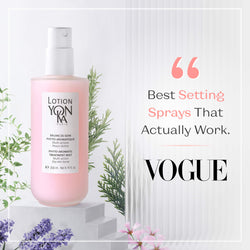
After cleansing, prep your skin with Lotion Yon-Ka PNG. This alcohol-free mist is specifically designed for normal to oily skin. It doesn't just tone; it acts as a "delivery vehicle" for the products that follow. Applying oil to damp skin (damp with a botanical mist, not just tap water) helps the oil emulsify and absorb much more deeply and evenly.
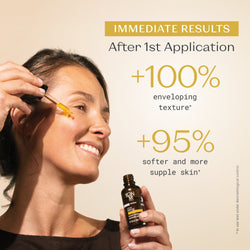
Step 3: Targeted Treatment (The Oil Step)
This is where you introduce your oil. For oily skin, you have two primary options for application:
- The Booster Method: Mix 1–2 drops of a nourishing oil like Nutri + Booster into your moisturizer. This thins the oil out and provides a customized dose of nutrients.
- The Pressing Method: Apply 2–3 drops of oil to your palms, rub them together to warm the product, and gently press it into your cheeks, forehead, and chin. Avoid "rubbing," which can sometimes stimulate excess sebum production.
Step 4: Moisturize and Protect
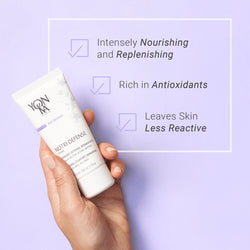
Follow with a lightweight moisturizer. Vital Defense is an excellent choice as it provides antioxidant protection against pollution—a major trigger for oxidative stress and oiliness—without feeling heavy. During the day, always finish with sun protection to prevent UV damage from darkening the appearance of post-blemish marks.
Morning vs. Night: When to Use Face Oil
Timing can change how your skin perceives an oil.
| Feature | Morning Application | Evening Application |
|---|---|---|
| Primary Goal | Protection & Glow | Repair & Deep Nourishment |
| Method | Mix 1 drop into moisturizer | Press 2-3 drops over serum |
| Benefit | Creates a smooth base for makeup | Supports nighttime regeneration |
| Recommended For | Dehydrated-oily skin | All oily skin types |
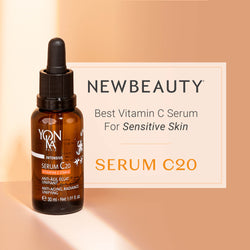
In the morning, a single drop of Serum C20 can provide a brightening effect and antioxidant defense. Because it contains a stable form of Vitamin C and botanical oils, it helps the skin look radiant rather than shiny. In the evening, your skin is in "repair mode." This is the best time to use a more intensive oil or booster, as your skin can absorb the nutrients more readily without the interference of makeup or environmental pollutants.
Common Myths About Oils and Oily Skin
Myth: "Applying oil will cause more breakouts." Fact: Breakouts are typically caused by a combination of excess sebum, dead skin cell buildup, and bacteria. High-quality, non-comedogenic botanical oils can actually help dissolve the "plugs" in your pores and balance sebum quality, which may reduce the frequency of breakouts.
Myth: "If my skin is shiny, I should skip moisturizer and oil." Fact: Skipping hydration and lipids often leads to "surface dehydration." This makes the skin feel tight but look oily, and can actually lead to more congestion as dead skin cells become trapped on the surface.
Myth: "Oils make your pores look larger." Fact: Pores often look larger when they are stretched by hardened sebum or when the skin loses its elasticity. Ingredients like Rosemary and Cypress found in the Yon-Ka Quintessence help the skin appear more toned and firm, which can actually make pores look more refined.
Specific Product Recommendations for Oily Types
Choosing the right formula is crucial. You want "dry" oils or high-performance serums that provide lipid support without a heavy residue.
- Serum C20: This is an ideal entry point for oily skin. It features a 20% concentration of stable Vitamin C in a base of fine, skin-compatible oils. It targets dullness and the appearance of dark spots—common concerns for oily skin—while absorbing quickly.
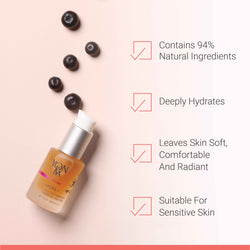
- Nutri + Booster: This is a versatile, oil-based booster formulated with cereal germ oils and our signature Quintessence. It is designed to be mixed into your favorite cream, making it easy to control the "dose" of oil your skin receives.
- Serum Omega: If your oily skin feels sensitive, tight, or "stressed," this oil-in-serum is a lifesaver. It uses Sacha Inchi oil and Pomegranate oil to restore the lipid barrier, helping the skin look plump and calm.
- Gommage Yon-Ka: While not a traditional oil, this product is essential for the oily skin ritual. It uses a "blur" effect to minimize the look of pores and shine, providing a matte yet hydrated finish that complements any oil-based treatment used previously.
Advanced Tips for Best Results
Introduce one product at a time. When you are changing how your skin handles lipids, it is best to see how it reacts to one new formula before adding another. Give your skin at least two weeks to adjust.
Don't over-apply. With high-quality professional skincare like ours, a little goes a long way. Two drops are often plenty for the entire face and neck. If your skin feels "slick" ten minutes after application, you are likely using too much.
Exfoliation is still key. Because oils can help soften the "glue" holding dead skin cells together, regular exfoliation will help clear those cells away. Gommage Yon-Ka is a grain-free, hydrating exfoliator that is perfect for oily skin. It gently lifts away debris without the abrasive scrubbing that can irritate and trigger more oil production.
Professional Guidance. If you are unsure about your skin type or how to balance your oil levels, visiting a professional is invaluable. Skincare professionals worldwide trust Yon-Ka for a reason—the formulas were born in the treatment room. You can use our Spa Locator to find a certified professional who can provide a deep-cleansing facial and a personalized ritual recommendation.
Key Takeaways for Oily Skin
Key Takeaway: Using botanical oils on oily skin is a strategy of "balance, not addition." By choosing non-comedogenic, linoleic-rich oils, you support the skin barrier and prevent the overproduction of sebum caused by dehydration.
- Balance is the Goal: Face oils help regulate the skin's natural oil production by providing high-quality lipids that signal the skin to stop overcompensating.
- Quality Matters: Stick to professional-grade, non-comedogenic botanical oils rather than heavy mineral oils or synthetic fillers.
- Application is Art: Always apply oil to damp skin (ideally after a mist like Lotion Yon-Ka) and use the pressing technique to ensure absorption.
- The Ritual Approach: Integrate oils as a "Booster" or a "Treatment" step within a consistent routine of cleansing, toning, and moisturizing. If you are still unsure where to begin, take our Skin Diagnosis quiz for a more personalized starting point.
Conclusion
The journey to a balanced complexion often requires unlearning the idea that "oil is the enemy." By embracing the phyto-aromatic wisdom of Yon-Ka Paris, you can harness the power of plant oils to refine, purify, and protect your oily skin. Our 70-year heritage is built on the belief that skincare is a ritual to be savored, a daily moment where the most potent elements of nature meet professional pharmaceutical rigor. Whether you choose to boost your cream with a few drops of nutrients or treat your skin to the brightening power of Vitamin C, the right oil can be the missing piece in your quest for a clear, healthy-looking glow.
If you are ready to find the perfect oil or booster for your specific needs, we invite you to take our Skin Diagnosis quiz. This tool is designed to help you navigate our collections—from Age Defense to Specific treatments—ensuring you find the exact match for your unique skin profile. Experience the difference that French botanical expertise can make and discover how a little bit of the right oil can lead to your most balanced skin yet.
FAQ
Will face oil cause me to break out if I have oily skin?
Generally, no, provided you use high-quality, non-comedogenic botanical oils. Many breakouts in oily skin are caused by a lack of linoleic acid, which makes sebum thick and pore-clogging; applying a linoleic-rich oil can help balance this and actually keep pores clearer.
Should I use face oil in the morning or at night?
While you can use it both times, night is often preferred for oily skin types as it allows the oil to support the skin's natural regeneration process without competing with makeup. If using it in the morning, mix a single drop into your moisturizer or choose a "dry" oil that absorbs quickly to avoid excess shine.
How do I know if a face oil is "non-comedogenic"?
Non-comedogenic refers to ingredients that are unlikely to clog pores. While no product can guarantee zero clogs for every individual, look for oils like Jojoba, Squalane, and Grapeseed, and avoid heavy occlusives like cocoa butter or wheat germ oil if you are prone to congestion.
Can I use face oil if I have acne?
Yes, but you should choose your oil carefully and consult a dermatologist if you have severe or cystic acne. Purifying essential oils like those found in our Quintessence (Rosemary, Thyme) can be very beneficial for the appearance of blemish-prone skin when carried in a lightweight, non-clogging botanical oil.