Table of Contents
- Introduction
- Defining Dry Skin: Is It Actually Harmful?
- The Critical Difference Between Dry and Dehydrated Skin
- What Causes Dry Skin on the Face?
- The Consequences of Neglecting Dry Facial Skin
- The Yon-Ka Phyto-Aromatic Approach to Comfort
- Building Your Ritual for Dry Skin
- Sensible Practice with Essential Oils
- Lifestyle Adjustments to Support Your Skin
- When to Consult a Professional
- Conclusion
- FAQ
Introduction
That familiar, uncomfortable tugging sensation across your cheeks or the sight of fine, flaky patches in the mirror can be more than just a seasonal nuisance. When your skin feels tight, rough, or looks dull, it is often a sign that your complexion is struggling to maintain its equilibrium. At Yon-Ka Paris, we view these symptoms not as a permanent flaw, but as a vital communication from your body’s largest organ. Understanding why this happens is the first step toward restoring the supple, radiant glow you deserve.
This article explores whether having dry skin on your face is truly "bad," the underlying causes of this common concern, and the potential consequences of leaving it unaddressed. We will also guide you through a professional-led approach to care, utilizing the power of phyto-aromatic rituals to move your skin from a state of distress back to a state of comfort. Ultimately, while dry skin is a manageable condition, it requires consistent, barrier-respecting care to ensure long-term health and vitality.
Quick Answer: While dry skin is not inherently "bad," it is a sign that your skin's protective barrier is compromised. If left untreated, chronic dryness can lead to premature aging, increased sensitivity, and a higher risk of irritation or infection.
Defining Dry Skin: Is It Actually Harmful?
Physiologically, dry skin—known scientifically as xerosis—occurs when the outer layer of the skin, the epidermis, lacks the necessary lipids and water to remain flexible and intact. Your skin serves as a primary line of defense against environmental aggressors, and when it becomes excessively dry, its ability to perform this protective function is significantly diminished.
In the short term, dry skin is mostly a cosmetic and sensory issue. It may look ashy, feel rough to the touch, or cause a mild itch. However, "bad" becomes a relevant term when dryness is chronic and ignored. A persistently dry complexion often indicates a "leaky" skin barrier. This allows essential moisture to evaporate more quickly while simultaneously letting irritants, pollutants, and bacteria penetrate the skin more easily.
While a few dry patches are usually harmless, they are a signal that your skin needs support. Think of your skin cells like bricks and your natural oils (lipids) like the mortar. When the mortar is missing, the structure becomes unstable. Addressing dryness early is essential for maintaining a healthy appearance and preventing the condition from escalating into more painful or visible concerns.
The Critical Difference Between Dry and Dehydrated Skin
One of the most common mistakes people make when addressing a parched complexion is confusing "dry" skin with "dehydrated" skin. While they may feel similar, they require different solutions, and using the wrong approach can sometimes exacerbate the problem.
Dry Skin: A Genetic Skin Type
Dry skin is a genetic skin type, much like having oily or combination skin. It means your skin naturally produces less sebum (oil) than normal. Because the skin lacks these essential lipids, it cannot effectively "glue" surface cells together. This leads to a naturally rough texture, a lack of luster, and a persistent need for rich, emollient products.
Dehydrated Skin: A Temporary Condition
Dehydration is a temporary skin condition that can affect any skin type—even those with very oily skin. It refers to a lack of water within the skin cells rather than a lack of oil. You might notice your skin feels tight and looks "crepey," yet you still experience an oily T-zone. This is a classic sign of dehydration, often caused by lifestyle factors, weather, or using products that are too harsh for your barrier.
Key Takeaway: Dry skin lacks oil and needs lipid-rich nourishment, while dehydrated skin lacks water and needs moisture-binding humectants. Identifying which one you are experiencing is the key to choosing the right ritual.
What Causes Dry Skin on the Face?
Your face is more vulnerable to dryness than the rest of your body because it is constantly exposed to the elements. Several factors, both internal and external, can disrupt the delicate balance of your complexion.
- Environmental Triggers: Exposure to low humidity, cold winds, and extreme temperatures can rapidly deplete the skin’s moisture reserves. Indoors, central heating and air conditioning act like a vacuum, pulling moisture out of the air and your skin.
- The Aging Process: As we age, our skin’s natural oil production naturally slows down. From our 40s onward, the sebaceous glands become less active, and the skin’s ability to retain moisture diminishes, making previously "normal" skin feel increasingly dry.
- Harsh Cleansing Habits: Many people inadvertently strip their skin by using foaming cleansers with harsh sulfates or soaps that are too alkaline. This disrupts the acid mantle, the thin protective film on the skin's surface. A gentle cleanser like Lait Nettoyant is a softer way to start.
- Lifestyle Factors: Long, hot showers may feel relaxing, but hot water can dissolve the protective lipids on the skin's surface. Additionally, a diet lacking in healthy fats or insufficient water intake can manifest as a dull, dry complexion.
The Consequences of Neglecting Dry Facial Skin
If you ignore the early signs of dryness, the condition can progress beyond simple discomfort. Chronic dryness can have long-term effects on how your skin looks and behaves.
Premature Appearance of Aging
Dry skin lacks the "plumpness" that comes from proper hydration and lipid levels. This causes fine lines and wrinkles to appear much deeper and more prominent than they actually are. Over time, the lack of elasticity can lead to a loss of firmness.
Increased Sensitization and Redness
A compromised barrier is a reactive barrier. When the skin is dry, it is more likely to sting when you apply products or turn red when exposed to wind and cold. This can lead to a cycle of sensitivity that makes it difficult to use active anti-aging ingredients.
Dullness and Texture Issues
Dead skin cells do not shed as efficiently when the skin is dry. They tend to pile up on the surface, scattering light rather than reflecting it. This results in a dull, grayish, or ashy appearance and a texture that feels bumpy or "sandpapery" to the touch.
Potential for Fissures and Infection
In extreme cases, the skin can develop fissures. These are microscopic cracks that can become inflamed or even bleed. Because the barrier is broken, these cracks provide an entry point for bacteria, which may lead to localized infections that require medical attention from a physician or dermatologist.
The Yon-Ka Phyto-Aromatic Approach to Comfort
At Yon-Ka, we do not believe in "quick fixes" or heavy, synthetic coatings that simply sit on top of the skin. Our heritage is rooted in the fusion of aromatherapy, phytotherapy, and aromachology. We use the power of plants to support the skin’s natural healing and protective processes. You can learn more about that philosophy on our ingredients page.
The foundation of our formulas is the Quintessence—an exclusive complex of five essential oils: lavender, geranium, rosemary, cypress, and thyme. This 100% natural and active blend works in synergy to balance the skin while providing a sensorial experience that calms the mind. For those struggling with dryness, the Quintessence helps to revitalize and soothe, providing the ideal base for deeper nourishment.
Our approach focuses on barrier-respecting care. We prioritize ingredients that the skin recognizes and can easily absorb, such as plant-based oils, rich butters, and high-performance humectants like hyaluronic acid.
Building Your Ritual for Dry Skin
To transform dry, uncomfortable skin into a supple, healthy-looking complexion, we recommend a consistent, layered ritual. Each step is designed to build moisture and lock it in.
Step 1: Gentle, Barrier-Respecting Cleansing
The biggest mistake for dry skin is using a cleanser that leaves the face feeling "squeaky clean." Instead, opt for a creamy, lipid-rich texture. Lait Nettoyant is a beautifully gentle cleansing milk that removes makeup and impurities while respecting the skin’s hydrolipidic film. It leaves the skin feeling soft and comforted, never stripped.
Step 2: The Essential Phyto-Aromatic Mist
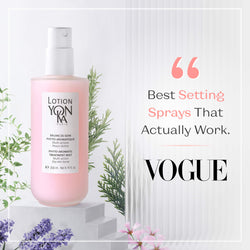
After cleansing, it is vital to rebalance the skin's pH and provide an immediate burst of hydration. Lotion Yon-Ka PS is more than just a toner. This alcohol-free mist is infused with our signature Quintessence and acts as a liquid serum to prepare the skin, making your subsequent products significantly more effective.
Step 3: Targeted Treatment
When skin is severely dry or dehydrated, a moisturizer alone may not be enough. You need a concentrated booster or serum to address the root cause. If you want a deeper dive into how to pair these steps, see our guide to pairing skincare products.
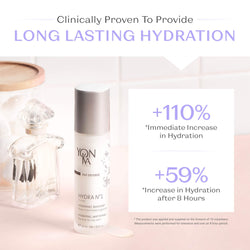
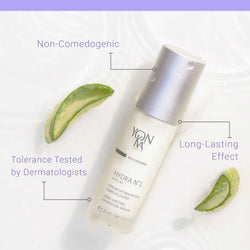
- For Dehydration: Hydra N°1 Serum uses long-lasting hydration technology to drench the skin in water.
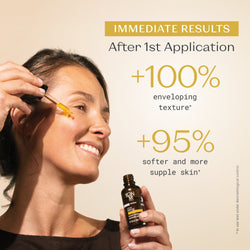
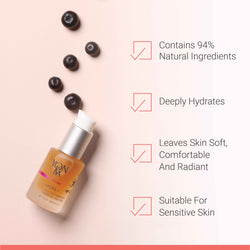
- For Intense Nourishment: Serum Omega is an oil-in-serum designed to restore essential fatty acids, helping to repair the mortar between your skin cells.
Step 4: The Protective Seal
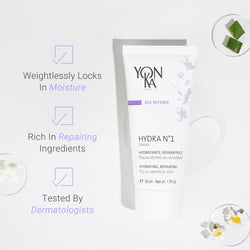
Your moisturizer acts as a protective shield. For long-lasting comfort, Hydra N°1 Creme is an excellent choice. It combines repairing shea butter with hydrating plant extracts to provide a cocooning effect. If your skin feels particularly depleted, you can mix a few drops of Nutri + Booster into your cream to increase its nourishing power.
Step 5: Protect and Prevent
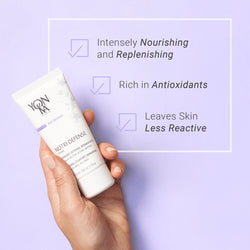
Environmental protection is non-negotiable for dry skin. Vital Defense Mist is an antioxidant-rich day mist that helps shield the skin from pollution and environmental stressors that can exacerbate dryness and premature aging. For more on this step, explore the Vital Defense spotlight.
Bottom line: A consistent ritual that focuses on gentle cleansing, aromatic hydration, and lipid-rich protection is the most effective way to manage dry skin and prevent it from becoming "bad."
Sensible Practice with Essential Oils
Because our products are rich in active botanical extracts and essential oils, we always recommend a mindful approach when introducing new items to your ritual. This ensures your skin responds positively to the potent plant actives.
- Recommend a Patch Test: When introducing a new product, apply a small amount to your inner forearm and wait 24 hours to ensure your skin is comfortable with the formula.
- Introduce Gradually: To avoid overwhelming a dry or sensitive barrier, introduce one new product at a time rather than changing your entire routine overnight.
- Recognize Normal Sensations: A slight, brief tingling sensation can be normal with active essential oils, which is often a sign of the botanicals at work. However, if you experience persistent redness, itching, or irritation, reduce the frequency of use or discontinue the product.
Lifestyle Adjustments to Support Your Skin
Skincare is most effective when supported by healthy lifestyle habits. To help your skin retain moisture from the inside out, consider these simple adjustments:
- Lower the Water Temperature: Wash your face and body with lukewarm water rather than hot water to prevent stripping away your skin's natural protective oils.
- Use a Humidifier: Especially during the winter months or if you live in a dry climate, a humidifier can add essential moisture back into the air, preventing your skin from becoming "parched" while you sleep.
- Stay Hydrated from Within: While drinking water isn't a direct cure for dry skin, it supports overall cellular health. Focus on a diet rich in Omega-3 fatty acids—found in walnuts, flaxseeds, and fatty fish—to support your lipid barrier.
- Pat, Don't Rub: After washing your face, gently pat your skin dry with a soft towel rather than rubbing, which can irritate a dry or sensitive surface. Apply your mist and moisturizer while the skin is still slightly damp to lock in maximum moisture.
When to Consult a Professional
While most cases of dry skin respond beautifully to a consistent botanical ritual, there are times when professional intervention is necessary. Skincare products are designed to enhance the appearance and comfort of the skin, but they are not medical treatments.
You should consult a physician or a dermatologist if:
- Your skin is painful, inflamed, or intensely itchy.
- You notice deep cracks (fissures) that bleed or appear infected.
- Your dry skin is accompanied by a persistent rash or thick, scaly patches that do not improve with moisturizing.
- The dryness is so severe that it interferes with your sleep or daily comfort.
For those looking to take their skin health to the next level, a professional facial treatment can provide deep, restorative hydration that is difficult to achieve at home. Over 7,000 skincare professionals worldwide trust Yon-Ka for our professional-grade formulas. You can use Hydralessence Treatment to explore a spa-led hydration ritual, or find a certified partner near you for a personalized skin analysis and treatment.
Conclusion
Dry skin on the face is a common concern that serves as a signal from your body to provide a little extra care and nourishment. While it isn't "bad" in the sense of being a permanent or harmful condition, ignoring the signs of a compromised barrier can lead to discomfort, dullness, and a faster appearance of aging. By embracing a ritual-based approach rooted in phyto-aromatic expertise, you can restore the balance of lipids and hydration your skin needs to thrive.
- Identify the difference: Determine if your skin is truly dry (needs oil) or dehydrated (needs water).
- Be gentle: Avoid harsh surfactants and hot water that strip the skin's natural defenses.
- Layer your care: Use a combination of mists, serums, and protective creams to lock in moisture.
- Stay consistent: Real results in skincare come from the daily commitment to your ritual.
Skincare is not just a routine; it is a ritual worth savoring. It is an opportunity to reconnect with yourself through the power of nature and 70 years of French phyto-aromatic expertise.
If you are unsure which products are right for your specific needs, we invite you to consider our skin-focused morning protection routine. At Yon-Ka Paris, we are dedicated to helping you achieve a complexion that feels as good as it looks—supple, comfortable, and radiantly healthy.
FAQ
Is it normal for my face to feel tight after washing?
While common, feeling "tight" after washing is a sign that your cleanser is too harsh or that the water temperature is too high. This sensation indicates that your natural protective oils have been stripped away. Switching to a gentle cleansing milk like Lait Nettoyant can help maintain your skin's comfort.
Can oily skin also be dry?
Technically, oily skin cannot be the "dry" skin type, but it can be very dehydrated. This means that while your skin produces plenty of oil, it lacks sufficient water. This often results in skin that looks shiny but feels tight or develops fine, "crepey" lines. In that case, Hydra N°1 Serum can be a helpful hydration step.
How long does it take to fix dry skin on the face?
With a consistent, lipid-rich ritual, you will often feel immediate relief from tightness. However, it typically takes about 28 to 30 days—the length of a full skin-cell turnover cycle—to see a significant improvement in the appearance of texture and radiance.
Can I use face oils if I have dry skin?
Yes, high-quality plant oils are excellent for dry skin as they mimic the natural lipids your skin is lacking. Products like Serum Omega provide essential fatty acids that help strengthen the skin barrier and prevent moisture from escaping, making your moisturizer more effective.