Table of Contents
- Introduction
- Understanding Dry Skin and Its Unique Needs
- The Science of Coffee in Skincare
- Is a Coffee Face Mask Good for Dry Skin?
- The Risks of "Kitchen Chemistry" with Coffee
- Professional Alternatives for Dry Skin
- Building a Ritual for Dry, Dull Complexions
- Essential Oil Safety and Sensorial Care
- The Role of Professional Spa Expertise
- Conclusion
- FAQ
Introduction
The rich, earthy aroma of freshly ground coffee is a morning ritual for millions, offering a sensory wake-up call that sharpens the mind. It is no surprise that this invigorating ingredient has made its way from the kitchen mug to the skincare vanity, promising to "wake up" the complexion just as it does the senses. At Yon-Ka Paris, we understand the allure of using botanical elements like coffee to revitalize the skin's appearance, yet dry skin requires a particularly nuanced approach to avoid irritation.
This article explores whether a coffee face mask is truly beneficial for those with a dry skin type or if the "kitchen chemistry" approach poses more risk than reward. We will examine the science of caffeine, the physical properties of coffee grounds, and the professional phyto-aromatic alternatives that provide a glow without compromising your barrier. Our goal is to help you understand how to harness the power of plant science for a supple, radiant complexion.
Understanding Dry Skin and Its Unique Needs
Before evaluating any treatment, it is essential to distinguish between a dry skin type and a dehydrated skin condition. In our professional philosophy, dry skin (alipic skin) is characterized by a lack of oil. This means your sebaceous glands do not produce enough sebum to maintain a healthy lipid barrier. Without this protective shield, moisture evaporates rapidly, a process known as Transepidermal Water Loss (TEWL).
Dry skin often feels tight, looks flaky, and may appear dull or "ashy." Because the barrier is already compromised, dry skin is more vulnerable to external irritants, extreme temperatures, and physical friction. When choosing a mask or exfoliant, the primary objective is to replenish those missing lipids while avoiding anything that might cause microscopic damage to an already fragile surface. If a treatment is too abrasive or alkaline, it can strip away the few natural oils remaining, leading to redness and increased sensitivity.
For more background on how Yon-Ka approaches dryness, see our dry skin guide.
The Science of Coffee in Skincare
Coffee is far more than just a source of caffeine; it is a complex botanical containing bioactive compounds that can influence the appearance of the skin. When we analyze coffee through the lens of phytotherapy—the study of plant-derived treatments—three main components emerge as relevant for topical use:
- Antioxidant Polyphenols: Coffee is exceptionally rich in phenolic compounds, such as chlorogenic acid. These antioxidants help neutralize free radicals caused by UV exposure and pollution, which may help reduce the visible signs of premature aging.
- Caffeine as a Vasoconstrictor: Caffeine is a small molecule capable of penetrating the skin barrier. It acts as a vasoconstrictor, meaning it can temporarily shrink the look of blood vessels and reduce the appearance of puffiness. This is why caffeine is a staple in eye contour treatments, such as our Phyto-Contour, which is designed to address the look of dark circles and morning fatigue.
- Mechanical Exfoliation: Most DIY coffee masks utilize the physical grounds. These granules act as a mechanical exfoliant, physically lifting away dead skin cells to reveal a brighter-looking surface.
To learn more about Yon-Ka’s ingredient philosophy, visit Our Ingredients.
Is a Coffee Face Mask Good for Dry Skin?
The answer is nuanced: while the ingredients in coffee offer benefits, the application is where dry skin types often run into trouble. If you apply a standard DIY coffee scrub—typically a mix of grounds and a light oil or water—the physical texture may be too aggressive for a dry complexion.
For dry skin to truly benefit from coffee, the caffeine and antioxidants must be delivered in a formulation that prioritizes hydration and barrier repair. On its own, caffeine can have a slight "dehydrating" effect on the surface because of its stimulating nature. To make coffee "good" for dry skin, it must be paired with high-quality humectants (ingredients that bind water) and emollients (ingredients that replenish oil).
Quick Answer: While coffee provides excellent antioxidants and can temporarily reduce the look of puffiness, raw coffee grounds are often too abrasive for dry skin. For the best results, look for professionally formulated products that use coffee extracts within a creamy, lipid-rich base rather than jagged DIY scrubs.
If you want a broader ritual designed for dry skin, explore the dry and dehydrated skin collection.
The Risks of "Kitchen Chemistry" with Coffee
While the DIY movement is popular, it often lacks the pharmaceutical rigor found in professional skincare. When you create a coffee mask in your kitchen, you face several challenges that can inadvertently harm dry skin.
Physical Micro-Tears
Under a microscope, coffee grounds have jagged, irregular edges. When massaged into the face, these sharp particles can cause "micro-tears"—tiny breaks in the skin barrier. While oily skin may withstand this occasionally, dry skin lacks the lipid cushion to protect against such friction. This can lead to chronic inflammation and a further weakened barrier.
pH Imbalance
Healthy skin thrives at a slightly acidic pH (around 4.7 to 5.7). Coffee is naturally acidic, but its pH can vary wildly depending on the roast and brewing method. Disrupting the skin’s pH can alter the delicate microbiome, potentially leading to increased dryness or unexpected breakouts.
Bacterial Contamination
Used coffee grounds are organic matter that can quickly harbor mold or bacteria, especially if kept in a humid bathroom environment. Applying contaminated DIY mixtures to a compromised skin barrier is a recipe for irritation or infection. At our production facility near Paris, we maintain ISO 22716 standards to ensure every formula is sterile and stable—a level of safety a kitchen bowl cannot provide.
For more on how Yon-Ka develops its formulas, see Our Formulas.
Professional Alternatives for Dry Skin
If you are drawn to coffee masks because you want a brighter, smoother complexion, there are safer and more effective ways to achieve those results using phyto-aromatic excellence. We believe in providing the skin with what it needs without the risk of physical trauma.
The Power of Grain-Free Exfoliation
If your goal is to remove flaky patches associated with dry skin, we recommend moving away from grainy scrubs entirely. Our Gommage Yon-Ka is a professional favorite that acts as a botanical "peel." It uses carob and lime extracts to gently lift away dead skin cells without a single abrasive granule. Because it is a cream-based formula, it hydrates while it exfoliates, leaving dry skin feeling soft and supple rather than raw.
Intense Hydration and Comfort
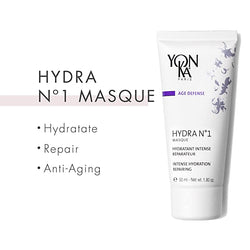
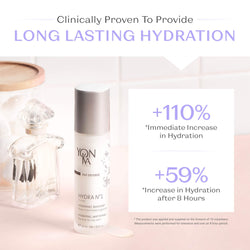
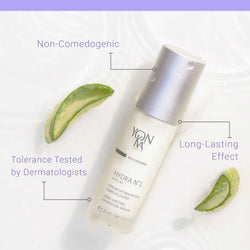
When dry skin looks dull, it is often screaming for moisture rather than stimulation. Instead of a stimulating coffee mask, consider a deep-infusion treatment like Hydra N°1 Masque. This mask is designed specifically for dry and dehydrated skin, using high and low molecular weight hyaluronic acid to provide long-lasting comfort. It repairs the look of the skin barrier, which is the most critical step for anyone dealing with persistent dryness.
Advanced Antioxidant Support
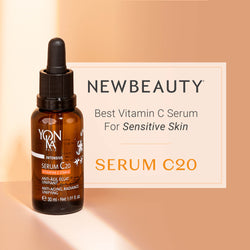
If you crave the antioxidant protection that coffee offers, a stabilized serum is a more potent delivery system. Our Serum C20 features a 20% concentration of stable Vitamin C. Much like the polyphenols in coffee, Vitamin C helps brighten the appearance of skin and defend against environmental stressors, but in a formula that is specifically balanced for efficacy and safety.
Building a Ritual for Dry, Dull Complexions
A consistent, layered routine is the most effective way to address the appearance of dry skin. Rather than looking for a single "miracle" mask, we suggest a ritual that respects the skin’s physiology.
- Cleanse Gently: Avoid foaming cleansers that strip the skin. Use a creamy milk like Lait Nettoyant, which removes impurities while maintaining the lipid balance.
- Mist to Prepare: Our signature Lotion Yon-Ka PS is a phyto-aromatic mist that features our exclusive Quintessence—a blend of lavender, geranium, rosemary, cypress, and thyme. This mist hydrates the skin and enhances the absorption of the products that follow.
- Layer Lipids: Dry skin requires oil. Adding a few drops of Serum Omega to your daily moisturizer provides essential fatty acids that rebuild the appearance of the barrier.
- Target the Eyes: If you love the "waking up" effect of caffeine, keep it localized. Use Phyto-Contour in the morning to address puffiness and dark circles. The rosemary and caffeine in the formula provide that invigorating sensation without the need for a full-face scrub.
Key Takeaway: For dry skin, the "glow" should come from deep hydration and barrier support, not from aggressive physical exfoliation. Professional formulas provide the benefits of botanical extracts like caffeine and antioxidants without the risk of micro-tears.
Essential Oil Safety and Sensorial Care
As a brand rooted in aromatherapy and phytotherapy, we use pure essential oils for both their physical efficacy and their aromachological benefits—the way scents influence our mood and well-being. However, because these are active botanical ingredients, we always recommend a sensible approach.
When introducing any new product—whether it contains coffee extracts or our signature Quintessence—it is wise to perform a patch test on your inner forearm for 24 hours. Introduce one new formula at a time to allow your skin to adjust. A slight, temporary tingling can be a normal sign of botanical activity, but if you experience persistent redness or discomfort, we recommend reducing the frequency of use or consulting with a skincare professional.
The Role of Professional Spa Expertise
Our formulations were born in the treatment room, and we believe that the best results often come from a combination of home care and professional expertise. If your dry skin feels unmanageable or if you are unsure which botanical ingredients are right for you, a visit to a Yon-Ka partner spa can be transformative.
A professional esthetician can analyze your skin’s lipid levels and provide a customized treatment, such as a deep hydration facial, that goes far beyond what a DIY mask can achieve. You can find a professional near you using our Spa Locator to experience the full potential of phyto-aromatic care.
For a more personalized at-home starting point, you can also take our Skin Diagnosis quiz.
Conclusion
While the idea of a coffee face mask is enticing for its antioxidant potential and its sensory appeal, raw coffee grounds are generally not the best choice for a dry skin type. The risk of micro-tears and barrier disruption outweighs the temporary "buzz" of caffeine. Instead, we encourage you to embrace a ritual that prioritizes barrier-respecting exfoliation and deep, lipid-rich hydration.
At Yon-Ka Paris, we remain committed to the belief that skincare is a ritual worth savoring, built on the power of plants and 70 years of professional French expertise. By choosing formulas that harmonize with your skin’s natural rhythm, you can achieve a radiant, healthy-looking glow that lasts. To find the perfect match for your specific concerns, we invite you to explore our brand story and our face care collection.
"True beauty is found in the balance between science and nature, where every ritual becomes a moment of well-being."
FAQ
Can coffee grounds damage dry skin?
Yes, coffee grounds have jagged, irregular shapes that can cause microscopic tears in the skin barrier. Because dry skin is already thin and lacks a protective lipid layer, these micro-tears can lead to irritation, redness, and a further increase in moisture loss.
Does caffeine in a mask actually help dry skin?
Caffeine is a potent antioxidant and vasoconstrictor, which can help reduce the appearance of puffiness and protect against environmental damage. However, it does not provide moisture; for caffeine to be beneficial for dry skin, it must be formulated within a cream or oil-based product that replenishes the skin's lipids.
What is a better alternative to a coffee scrub for flaky dry skin?
A grain-free exfoliant, such as Gommage Yon-Ka, is a much safer alternative for dry skin. It uses botanical enzymes and extracts to lift away dead skin cells without the need for harsh scrubbing, ensuring the skin barrier remains intact while achieving a smooth, bright appearance.
How often should I use a face mask if I have dry skin?
For dry skin, we typically recommend using a hydrating or repairing mask once or twice a week. Products like Hydra N°1 Masque can even be applied in a thin layer and left on overnight for an intensive moisture boost that helps the skin appear plump and revitalized by morning.