Table of Contents
- Introduction
- What is Coconut Oil?
- The Science of the Skin Barrier and Dryness
- The Benefits of Coconut Oil for Face Dry Skin
- The Comedogenic Catch: Why Caution is Necessary
- How to Correctly Use Coconut Oil in Your Ritual
- Phyto-Aromatic Alternatives for Dry Skin
- Building a Consistent Ritual for Dryness
- When to Consult a Professional
- Conclusion
- FAQ
Introduction
Few things are as frustrating as the sensation of tight, itchy, or flaking skin. When your complexion feels "too small" for your face, the instinct is to reach for the richest, most natural remedy available. For many, a jar of coconut oil from the kitchen seems like the perfect solution—it is accessible, plant-based, and carries a comforting tropical aroma. However, while this botanical lipid is a powerhouse for the body, its relationship with facial skin is significantly more complex. At Yon-Ka Paris, we believe that true skin health comes from understanding the biology behind the ingredients. This article explores the benefits and risks of using coconut oil on the face, the science of the skin barrier, and how to build a professional-grade ritual for lasting hydration. Understanding the difference between a kitchen staple and professional-grade phyto-aromatic care is the first step toward a radiant glow.
Quick Answer: Coconut oil is a potent occlusive that helps dry skin by sealing in moisture and repairing the lipid barrier. However, because it is highly comedogenic (pore-clogging), it may cause breakouts on the face and is often better suited as a makeup remover or targeted treatment rather than an all-over daily moisturizer.
What is Coconut Oil?
To understand if coconut oil is appropriate for your face, we must first look at its chemical composition. Extracted from the meat of mature coconuts, this oil is a unique botanical substance that remains solid at room temperature but melts instantly upon contact with skin.
In plain English, coconut oil is a complex mixture of fatty acids. Approximately 65% of its makeup consists of medium-chain fatty acids (MCFAs). These are specialized types of saturated fats that play a critical role in skin health. Unlike some thinner plant oils, coconut oil is "heavy," meaning it has a larger molecular structure that allows it to sit on the surface of the skin as much as it penetrates it.
The primary component is lauric acid, which accounts for nearly 50% of the oil. It also contains significant amounts of myristic acid, palmitic acid, and a small but vital amount of linoleic acid. Each of these lipids interacts with your skin's surface in a different way, contributing to the oil’s reputation as both a healer and a potential irritant.
The Science of the Skin Barrier and Dryness
Before applying any oil to your face, it is essential to distinguish between dry skin and dehydrated skin. This is a distinction we often emphasize in the treatment room.
- Dry Skin: A skin type that lacks oil (lipids). This is often genetic or caused by aging. The skin produces less sebum, leading to a compromised barrier.
- Dehydrated Skin: A skin condition where the skin lacks water. This can happen to any skin type, including oily skin, due to environmental factors, diet, or harsh products.
Coconut oil is an emollient and an occlusive. An emollient fills in the tiny cracks between skin cells, making the surface feel smooth and soft. An occlusive creates a physical film over the skin to prevent Transepidermal Water Loss (TEWL)—the process where water evaporates from the skin into the air.
If you have dry skin, your lipid barrier is like a brick wall with missing mortar. Coconut oil acts as temporary mortar, sealing the gaps and preventing moisture from escaping. This is why it feels so immediately relieving to those with chronic dryness.
The Benefits of Coconut Oil for Face Dry Skin
When used correctly, coconut oil offers several cosmetic benefits that can improve the appearance of a dry, lackluster complexion.
Intense Moisture Retention
As a high-performance occlusive, coconut oil is exceptional at trapping moisture. For those living in cold, dry climates or spending long hours in air-conditioned environments, a thin layer of coconut oil can act as a shield. It mimics the skin's natural sebum, providing a "comfort blanket" for the epidermis.
Antimicrobial and Anti-inflammatory Properties
The high concentration of lauric acid gives coconut oil natural antimicrobial properties. This is particularly useful for dry skin that has become cracked or sensitized. These micro-cracks are often entry points for bacteria. By providing a protective, antimicrobial layer, coconut oil can help support the skin’s natural defense mechanisms while soothing redness associated with irritation.
Rich Antioxidant Profile
Coconut oil contains antioxidants like Vitamin E and polyphenols. These molecules help neutralize free radicals—unstable atoms caused by pollution and UV exposure that contribute to the appearance of premature aging. For dry skin, which often shows fine lines more prominently, the antioxidant boost can help the skin look more resilient and "plumped."
Effective Makeup Removal
One of our favorite ways to use botanical oils is as the first step of a double-cleansing ritual. Because "oil dissolves oil," coconut oil is incredibly effective at breaking down stubborn, waterproof mascara and heavy sunscreens. Using it as a pre-cleanse allows you to remove impurities without the harsh rubbing that can further irritate dry patches. A gentle milk cleanser like Lait Nettoyant can help finish the cleanse without stripping the skin.
The Comedogenic Catch: Why Caution is Necessary
If coconut oil is so beneficial, why isn't it in every facial moisturizer? The answer lies in its comedogenic rating.
Skincare ingredients are rated on a scale of 0 to 5 based on how likely they are to clog pores. A 0 will not clog pores at all, while a 5 is almost certain to cause congestion. Coconut oil typically carries a rating of 4.
Clogged Pores and Acne
For anyone with combination, oily, or even "normal" skin that occasionally breaks out, applying pure coconut oil to the face can be problematic. The thick consistency and high saturated fat content can trap dead skin cells and sebum inside the pore. This creates a "plug" that leads to blackheads, whiteheads, and inflammatory acne.
The Risk of Milia
Milia are tiny, hard white bumps that often appear around the eyes or on the cheeks. They occur when keratin becomes trapped under the skin’s surface. Because the skin around the eyes is very thin, heavy oils like coconut oil can contribute to the formation of these stubborn bumps by creating a barrier that is too thick for the skin to "breathe" through.
Folliculitis
In some cases, the occlusive nature of coconut oil can lead to folliculitis—an inflammation of the hair follicles. This often looks like a sudden rash of small red bumps. It happens when the oil creates a warm, trapped environment that allows yeast or bacteria to flourish.
Key Takeaway: While coconut oil is excellent for dry skin on the body (like elbows and heels), it should be used selectively on the face. If you are prone to breakouts in the T-zone, avoid applying it there, focusing only on the driest areas like the cheeks.
How to Correctly Use Coconut Oil in Your Ritual
If you have determined that your skin is dry enough to tolerate coconut oil, the method of application is critical. Following a structured approach ensures you get the benefits without the congestion.
Step 1: Start with Clean, Damp Skin
Never apply a heavy oil to bone-dry skin. The purpose of an occlusive is to trap moisture. If there is no moisture on the skin to begin with, the oil can actually make the skin feel drier over time by blocking environmental humidity from reaching the surface. After cleansing with a gentle milk like Lait Nettoyant, mist the skin with Lotion Yon-Ka PS. While the skin is still damp from the mist, apply your oil.
Step 2: Use a Minimal Amount
A little goes a very long way. Scoop an amount no larger than a pea and melt it between your palms. Instead of rubbing it vigorously into the skin, gently press your palms onto your cheeks and neck. This "press and roll" technique ensures an even, thin distribution that is less likely to overwhelm the pores.
Step 3: Evening Application Only
Because coconut oil is heavy and takes a long time to absorb, it is not ideal for daytime use under makeup or sunscreen. Reserve it for your evening ritual. This allows the oil to act as a "sleeping mask," supporting the skin's natural repair cycle that occurs while you sleep.
Step 4: The Double Cleanse
If you are using coconut oil to remove makeup, always follow it with a water-based cleanser. This "double cleanse" ensures that the dirty oil and dissolved makeup are completely rinsed away, leaving no residue behind to clog pores.
Note: Before applying coconut oil to your entire face, perform a patch test on the inner forearm or just under the jawline for 24 hours. While coconut oil is natural, it can still cause reactions in those with sensitive skin or nut allergies. A slight tingling can be normal, but persistent redness means you should discontinue use.
Phyto-Aromatic Alternatives for Dry Skin
At Yon-Ka, we appreciate the power of plant oils, but we also recognize that the skin on the face requires a more sophisticated delivery system than raw kitchen oil can provide. Raw oils have large molecular structures that often struggle to penetrate deeply.
Our laboratory near Paris specializes in phyto-aromatic science—the fusion of plant extracts and essential oils. You can learn more about this approach on our ingredients page. By refining botanical oils and combining them with our signature Quintessence (an exclusive complex of lavender, geranium, rosemary, cypress, and thyme), we create formulas that nourish the skin while remaining "breathable."
Serum Omega: The Balanced Lipid Solution
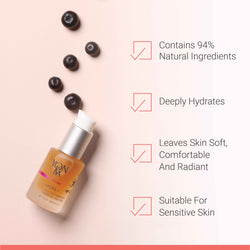
For those who love the "oil" sensation but want professional-grade results, Serum Omega is a superior alternative to raw coconut oil. While coconut oil is heavy in saturated fats, Serum Omega provides a balanced profile of Omega 3, 6, and 9 fatty acids from sacha inchi and pomegranate. This oil-in-serum is designed to repair a damaged barrier and provide deep nourishment without the high comedogenic risk of raw coconut.
Nutri + Booster: Customizable Nourishment
If your favorite moisturizer isn't quite enough during the winter months, you can "supercharge" it with a few drops of Booster Nutri +. This oil-based booster is rich in wheat germ oil and vitamins E and F. It is designed to be mixed directly into your cream, allowing you to customize the level of richness based on how your skin feels that day.
The Role of Essential Oils
Our approach also leverages the power of aromachology. The essential oils in our formulas don't just provide a scent; they serve a functional purpose. For a deeper look at the science behind these botanical complexes, explore our phyto-aromatic formulations. For example, the rosemary in our Quintessence helps to revitalize the skin's appearance, while lavender soothes. This creates a sensorial experience that supports both the skin and the spirit—a hallmark of our heritage.
Building a Consistent Ritual for Dryness
Addressing dry skin is not about a single "miracle" ingredient like coconut oil; it is about a consistent, layered ritual.
- Cleanse: Use a barrier-respecting cleanser like Lait Nettoyant. This milk cleanser uses plant extracts to remove impurities without stripping the skin's natural oils.
- Mist: Use Lotion Yon-Ka PS. This alcohol-free mist is the "heart" of our ritual, hydrating the skin and preparing it to absorb the active ingredients in your next steps.
- Treat: Apply a targeted serum. For intense dryness, Serum Omega provides the essential lipids your skin is craving.
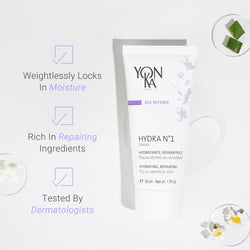
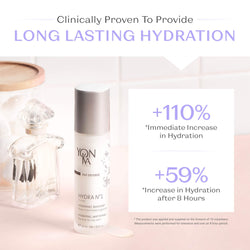
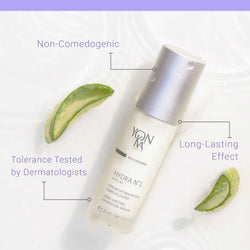
- Moisturize: Seal everything in with a rich cream. Hydra N°1 Creme is an excellent choice for dry skin, as it uses large and small molecular weight hyaluronic acid to hydrate at multiple levels.
- Protect: During the day, always finish with sun protection. Dry skin is particularly vulnerable to UV damage, which can further degrade the skin barrier.
For a complete hydrating approach, browse our face moisturizers and compare textures that fit your skin’s needs. If you want a more targeted routine, our Intensive collection is a natural next step for richer, more concentrated care.
| Feature | Raw Coconut Oil | Yon-Ka Phyto-Aromatic Oils |
|---|---|---|
| Comedogenic Rating | High (4/5) | Low/Non-comedogenic |
| Penetration | Mostly surface-level | Deeply penetrative |
| Ingredient Profile | Single fatty acid source | Balanced Omegas, Vitamins, & Essential Oils |
| Scent | Tropical/Coconut | Phyto-aromatic (Lavender, Rosemary, etc.) |
| Primary Use | Occlusive/Makeup removal | Lipid repair & Age defense |
When to Consult a Professional
While botanical oils can significantly improve the look and feel of dry skin, persistent issues may require professional attention. If you experience sudden, extreme dryness, persistent redness, or suspected conditions like eczema or rosacea, we recommend consulting a dermatologist or a physician.
To experience the power of a professional treatment, you can find a Yon-Ka partner spa using the Yon-Ka Spa Locator. A licensed esthetician can analyze your skin and provide a deep-conditioning treatment tailored to your specific lipid needs. If you are unsure which home-care products are right for you, our Skin Diagnosis quiz or Product Matcher tool on our website can provide a personalized recommendation in minutes.
Conclusion
So, is coconut oil good for face dry skin? The answer is a qualified yes. It is a powerful, natural tool for sealing in moisture and softening the skin's surface. However, its heavy nature and high potential for clogging pores mean it is not a "one size fits all" solution. For many, the best results come from using coconut oil as a treatment for the body or as a pre-cleansing step for the face, rather than a primary moisturizer.
"Skincare is not just a routine; it is a ritual worth savoring. By bridging the gap between nature's raw power and scientific refinement, we help you reveal skin that is not just hydrated, but truly revitalized."
At Yon-Ka Paris, we remain committed to the belief that the most effective skincare is rooted in the synergy of plants and professional expertise. Whether you choose to incorporate simple botanical oils or our advanced phyto-aromatic formulas, the goal is always the same: a healthy, resilient, and radiant complexion.
- Next Step: Explore our Intensive collection and our face moisturizers to find the perfect lipid-restoring ritual for your dry skin.
- Recommendation: If you are new to oils, start with Serum Omega mixed into your evening cream.
- Free Shipping: Enjoy free US shipping on all orders over $45.
FAQ
Does coconut oil cause acne on dry skin?
Yes, it can. Even if your skin lacks oil, your pores can still become clogged by heavy, comedogenic substances. Coconut oil has a rating of 4 out of 5 on the comedogenic scale, meaning it can trap sebum and dead skin cells, leading to breakouts even on a dry complexion.
How often should I apply coconut oil to my face?
If your skin tolerates it well, you can use it nightly as the final step in your routine. However, many find that using it 2–3 times a week as a deep-nourishing treatment is sufficient. If you use it for makeup removal, you can use it daily, provided you follow up with a traditional cleanser. For extra support on dry skin, pair your routine with Lotion Yon-Ka PS.
Is refined or virgin coconut oil better for the face?
Virgin (unrefined), cold-pressed coconut oil is generally preferred for skincare. This processing method does not use high heat, which helps preserve the natural antioxidants, polyphenols, and phytonutrients found in the coconut meat. Refined oils often lose these beneficial secondary metabolites during processing.
Can I use coconut oil as a daily moisturizer?
While you can, it is usually better to use a formulated moisturizer that contains a balance of humectants (to draw water in) and emollients (to smooth). Coconut oil is primarily an occlusive, so it works best when layered over a hydrating serum or mist rather than being used as the sole source of hydration. For a richer alternative, Hydra N°1 Creme offers a more complete moisturizing step.