Table of Contents
- Introduction
- Understanding the Composition of Coconut Oil
- The Benefits: How Coconut Oil Supports Dry Skin
- The Comedogenic Concern: Why the Face is Different
- The Difference Between Hydration and Moisture
- How to Safely Incorporate Coconut Oil Into a Facial Routine
- Professional Botanical Alternatives for Dry Skin
- Building Your Phyto-Aromatic Ritual for Dryness
- Safety and Best Practices
- Realistic Expectations for Dry Skin
- Conclusion
- FAQ
Introduction
The search for a glowing, supple complexion often leads us back to nature’s simplest offerings. You may have noticed coconut oil transitioning from your kitchen pantry to your vanity, praised for its tropical aroma and rich, buttery texture. It promises a sensorial escape and immediate relief for parched areas, making it a tempting "one-and-done" solution for facial dryness. However, when it comes to the delicate ecosystem of your face, the answer to whether this botanical fat is beneficial is more nuanced than it appears. At Yon-Ka Paris, we believe that effective skincare requires a harmonious balance between raw botanical power and pharmaceutical-grade precision. This article will explore the biological impact of coconut oil on the skin, its potential benefits and drawbacks, and how to build a sophisticated phyto-aromatic ritual that addresses dryness without compromising pore health.
Understanding the Composition of Coconut Oil
To understand if coconut oil belongs on your face, we must first look at what it is made of. Extracted from the kernel or "meat" of mature coconuts, this oil is a powerhouse of saturated fats. It is unique among plant oils because it is composed primarily of medium-chain fatty acids (MCFAs), which behave differently on the skin than the long-chain fats found in many other botanical oils.
The star of the show is lauric acid, which makes up nearly 50% of coconut oil's profile. Lauric acid is highly regarded in skincare science for its antimicrobial and antifungal properties. In addition to lauric acid, coconut oil contains myristic, palmitic, and capric acids. These are all "emollients," which means they help soften the skin and fill in the tiny gaps between skin cells, creating a smoother appearance.
Coconut oil also contains a small amount of linoleic acid, an omega-6 fatty acid. Linoleic acid is vital for maintaining a healthy skin barrier. However, compared to other botanical oils like sunflower or hemp seed, coconut oil is relatively low in linoleic acid and very high in lauric acid. This specific ratio is what gives coconut oil its heavy, occlusive nature—and what makes it a controversial choice for facial application.
The Benefits: How Coconut Oil Supports Dry Skin
For those struggling with extreme dryness, coconut oil offers several immediate cosmetic benefits. Because it is an "occlusive" agent, it creates a physical barrier on the surface of the skin. This barrier is incredibly effective at preventing transepidermal water loss (TEWL), which is the process where moisture evaporates from your skin into the air.
Quick Answer: Coconut oil can be good for dry skin because it acts as an occlusive sealant that traps moisture. However, because it is highly comedogenic, it is often better suited for the body or as a temporary treatment rather than a daily facial moisturizer.
Here are the primary ways coconut oil may support the appearance of dry skin:
- Deep Softening: As an emollient, it can instantly smooth out rough patches and flaky skin, particularly on the cheeks or around the jawline.
- Barrier Support: The fatty acids in the oil mimic some of the lipids naturally found in our skin, helping to temporarily "patch" a compromised moisture barrier.
- Antimicrobial Protection: The presence of lauric acid can help protect the skin from certain environmental pathogens, which is why it is sometimes used to soothe minor scrapes or razor burn.
- Soothing Inflammation: Some studies suggest that virgin coconut oil has anti-inflammatory properties that can help reduce the look of redness associated with extreme dryness.
The Comedogenic Concern: Why the Face is Different
While the benefits listed above make coconut oil sound like a miracle, there is a significant catch: its comedogenic rating. In skincare, a comedogenic rating measures how likely an ingredient is to clog pores. Coconut oil typically scores a 4 out of 5 on this scale, making it one of the most pore-clogging oils available.
The skin on your face is significantly different from the skin on your legs or elbows. Facial skin has a higher density of sebaceous (oil) glands and smaller pores. When a heavy, occlusive oil like coconut is applied, it can mix with dead skin cells and natural sebum, creating a "plug" inside the pore. This can lead to:
- Acne Breakouts: Even if you don't typically struggle with blemishes, the occlusive nature of coconut oil can trigger "cosmetic acne."
- Milia: These are tiny, hard white bumps that occur when keratin becomes trapped under the skin surface. They are common in areas where heavy oils are used on thin skin, such as under the eyes.
- Blackheads and Whiteheads: The oil can oxidize within the pore, leading to congestion that disrupts the skin’s texture.
Because of these risks, we often recommend that those with oily, combination, or even "normal" skin avoid pure coconut oil on the face. If you have "bone-dry" or alipidic skin (skin that produces almost no oil of its own), you may tolerate it better, but there are often more sophisticated botanical alternatives that offer the same nourishment without the risk of congestion.
The Difference Between Hydration and Moisture
One of the most common misconceptions in skincare is that oil equals hydration. To achieve a healthy, glowing complexion, the skin needs two things: water (hydration) and oil (moisture).
Coconut oil provides moisture, but it does not provide hydration. Because it is a pure fat, it contains no water. If you apply coconut oil to bone-dry skin that is already dehydrated, you are essentially sealing the dryness in. You might notice that your skin feels greasy on the surface but still feels "tight" or thirsty underneath.
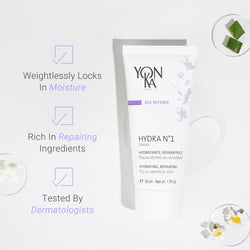
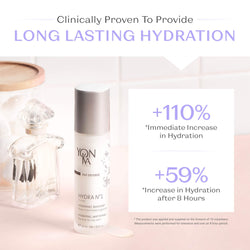
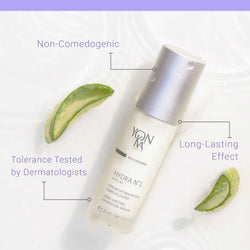
This is why we advocate for a layered approach. A truly effective ritual for dry skin should begin with a humectant—an ingredient like hyaluronic acid or aloe vera—to draw water into the skin. Only after the skin is hydrated should you apply a lipid-rich product to seal that water in. This is where professional formulations, like our Hydra N°1 Crème, excel. They combine hydrating elements with reparative lipids in a way that pure kitchen oils simply cannot.
How to Safely Incorporate Coconut Oil Into a Facial Routine
If you love the feel of coconut oil and want to use it on your face, there are ways to do so that minimize the risk of breakouts. Rather than using it as a leave-on moisturizer, consider these functional applications:
As a Pre-Cleanse Makeup Remover
Oil dissolves oil. Coconut oil is excellent at breaking down stubborn, waterproof mascara and long-wear foundation.
- Massage: Apply a small amount of oil to dry skin and massage gently to break down makeup.
- Emulsify: Use a warm, damp cloth to wipe away the oil and makeup.
- The Double Cleanse: This is the most critical step. Follow up with a gentle, water-soluble cleanser like Lait Nettoyant. This ensure that every trace of the heavy coconut oil is removed from your pores, giving you the benefits of the oil without the lingering risk of congestion.
As a Targeted Treatment for Dry Patches
Instead of applying the oil to your entire face, use it as a "spot treatment" for areas that are prone to extreme flaking, such as the sides of the nose in winter or the outer edges of the face. Avoid the "T-zone" (forehead, nose, and chin), where oil glands are most active.
Use Products Formulated with Coconut Derivatives
Many high-end skincare products use ingredients derived from coconut—such as caprylic/capric triglycerides—rather than raw coconut oil. These derivatives provide the silky texture and emollient benefits of coconut but have been processed to be much lighter and non-comedogenic. This allows you to enjoy the botanical benefits within a balanced, professionally crafted formula.
Professional Botanical Alternatives for Dry Skin
If you are looking for the deep nourishment associated with coconut oil but want a more refined experience, the world of phyto-aromatic skincare offers incredible alternatives. At Yon-Ka, we prioritize oils that offer a smaller molecular structure or a higher ratio of linoleic acid, ensuring they penetrate the skin effectively without sitting heavily on the surface. You can explore more about this approach on our ingredients page.
- Jojoba Oil: Technically a liquid wax, jojoba is remarkably similar to human sebum. It helps balance the skin’s natural oil production and is non-comedogenic.
- Hazelnut and Cashew Nut Oils: These are rich in essential fatty acids and antioxidants, providing a "cushion" for dry skin while supporting elasticity.
- Shea Butter: A classic for a reason, shea butter is intensely reparative and contains vitamins A and E to soothe the appearance of redness.
- The Quintessence: Our signature complex of lavender, geranium, rosemary, cypress, and thyme essential oils works synergistically with these carrier oils. This blend not only provides a serene aromatic experience but also helps to revitalize and balance the skin’s appearance.
For those with chronically dry skin, we recommend looking toward the Dry & Dehydrated Skin collection or the Anti-Aging collections. Products like Serum Omega are specifically designed to restore lipids to the skin using a blend of sacha inchi and pomegranate oils, providing a much more sophisticated nutrient profile than a single kitchen oil could offer.
Building Your Phyto-Aromatic Ritual for Dryness
The Yon-Ka approach to dry skin is rooted in a consistent, layered ritual. This method ensures that the skin is cleansed, hydrated, and protected without ever feeling "suffocated" by heavy products.
Step 1: Cleanse with Care
Dry skin requires a barrier-respecting cleanser. Avoid foaming gels that can strip away natural lipids. Instead, use a cleansing milk like Lait Nettoyant. This creamy formula removes impurities while leaving the skin’s moisture film intact.
Step 2: Prepare with a Phyto-Aromatic Mist
After cleansing, mist your skin with Lotion Yon-Ka PS. This is not a traditional "astringent" toner; it is a healing, alcohol-free mist infused with our Quintessence essential oils. It rehydrates the skin and acts as a "carrier," helping the active ingredients in your next steps to penetrate more deeply.
Step 3: Treat with Targeted Lipids
If your skin is feeling particularly tight or parched, this is the time to add a booster or oil-in-serum. Nutri+ Booster is an excellent choice. It is a nourishing oil concentrate that you can mix directly into your moisturizer to give it an extra "hit" of vitamins and antioxidants.
Step 4: Moisturize and Seal
Apply a rich cream like Hydra N°1 Crème. This provides long-lasting hydration thanks to high and low molecular weight hyaluronic acid, while shea butter and hazelnut oil provide the emollient "seal" that dry skin craves.
Step 5: Protect (Daytime Only)
Never forget that UV rays and pollution can further damage a dry skin barrier. Finish your morning ritual with a protective layer to keep environmental stressors at bay.
Safety and Best Practices
When introducing any new botanical ingredient—whether it is pure coconut oil or a sophisticated phyto-aromatic blend—it is important to listen to your skin.
Note: We always recommend performing a patch test when introducing a new product. Apply a small amount to your inner forearm and wait 24 hours to ensure no redness or irritation occurs.
If you are using products rich in essential oils, introduce them one at a time. A slight, fleeting tingling sensation can be normal as the botanicals stimulate the skin, but persistent redness or itching is a sign to reduce frequency. If you have a known allergy to tree nuts, consult with your physician before using coconut-based products, as coconuts are often categorized within the tree nut family.
Realistic Expectations for Dry Skin
Skincare is a journey of consistency, not a series of overnight miracles. While coconut oil might provide a temporary "plumping" effect by sitting on the surface of the skin, true skin health comes from supporting the barrier over time.
By following a dedicated ritual, you can expect to see a gradual improvement in the look of your skin’s texture and a reduction in the feeling of tightness. Your skin will appear more radiant and resilient, better able to withstand the drying effects of cold weather, indoor heating, and aging.
Key Takeaway: Coconut oil is an excellent emollient for the body, but its high comedogenic rating makes it risky for the face. For facial dryness, a layered ritual using professional botanical formulations provides superior hydration and nourishment without the risk of clogged pores.
Conclusion
While coconut oil has earned its place in the wellness world, its use on the face requires a discerning eye. For those with extremely dry, non-acne-prone skin, it can serve as a helpful occlusive in a pinch. However, for a truly radiant and clear complexion, the sophisticated fusion of plant science and professional expertise is irreplaceable. At Yon-Ka Paris, we remain committed to the belief that skincare is a sacred ritual, one that should nourish both the skin and the spirit through the power of phyto-aromatics.
If you are unsure which botanical oils are best suited for your unique skin type, we invite you to take our Skin Diagnosis quiz or use the Product Matcher tool on our website. You can also visit a partner spa using our Spa Locator to experience a professional treatment tailored to your skin’s specific needs.
"True beauty is found when the skin is in perfect harmony with nature, supported by the wisdom of botanical science."
FAQ
Does coconut oil cause acne on the face?
Yes, coconut oil is highly comedogenic, meaning it is very likely to clog pores and cause breakouts, especially for those with oily or combination skin. If you are prone to acne, it is generally recommended to avoid applying pure coconut oil to your face and instead look for non-comedogenic botanical oils like jojoba or argan. For more targeted support, browse the Blemish-Prone collection.
Can I use coconut oil as a facial moisturizer every day?
While you can use it daily if you have extremely dry, alipidic skin, it is not ideal as a standalone moisturizer for most people. Because it lacks humectants, it doesn't actually add water to the skin; it only seals in what is already there. For better results, use a dedicated facial cream from the Face Moisturizers collection.
Is virgin coconut oil better for the skin than refined coconut oil?
Virgin, cold-pressed coconut oil is generally preferred for skincare because it is processed without high heat or chemicals, preserving more of its natural antioxidants and phytonutrients. Refined coconut oil often lacks these beneficial components and may contain additives used during the deodorizing process.
How do I remove coconut oil from my face if it feels too heavy?
The best way to remove heavy oils is through a double-cleansing method. First, use a warm, damp washcloth to gently wipe away the excess oil, then follow up with a professional water-soluble cleanser like Lait Nettoyant to ensure your pores are clear of any residue.