Table of Contents
- Introduction
- Understanding the Composition of Coconut Oil
- Is Coconut Oil a True Moisturizer?
- The Benefits of Coconut Oil for Dry Skin
- The Drawbacks: Why Caution Is Necessary
- How to Incorporate Coconut Oil into Your Ritual
- Choosing the Right Quality
- Sophisticated Alternatives for Facial Dryness
- The Importance of a Complete Ritual
- Conclusion
- FAQ
Introduction
The search for a natural solution to dry, tight, or flaky skin often leads straight to the kitchen pantry. Coconut oil has gained a reputation as a versatile "miracle" ingredient, celebrated for its accessibility and simple, plant-based origins. When your skin feels parched and uncomfortable, the idea of a rich, tropical oil providing instant relief is incredibly appealing. However, while this botanical lipid offers undeniable benefits, its effectiveness depends entirely on how and where you apply it.
At Yon-Ka Paris, we believe that true skin health comes from understanding the synergy between botanical active ingredients and the skin's complex biology. Coconut oil is a powerful tool, but it is not a universal fix for every skin type or concern. In this guide, we will explore the science behind coconut oil, its specific benefits for dry skin, and the critical precautions you should take to avoid common pitfalls like clogged pores or breakouts. We will also help you determine if coconut oil is truly the right choice for your unique ritual or if a more sophisticated phyto-aromatic approach is needed.
Quick Answer: Coconut oil is an excellent occlusive moisturizer for the body, as it helps seal in hydration and strengthen the skin barrier. However, due to its high comedogenic rating, it is generally not recommended for the face, especially for those prone to breakouts or congestion.
Understanding the Composition of Coconut Oil
To understand whether coconut oil is a good moisturizer for dry skin, we must first look at what is inside the jar. Coconut oil is extracted from the meat of mature coconuts and is unique because it is composed almost entirely of saturated fats. These fatty acids are the building blocks of the oil's moisturizing and protective properties.
The primary component is lauric acid, which makes up nearly 50% of the oil. Lauric acid is highly valued in skincare for its antimicrobial and antifungal properties, meaning it can help manage the presence of unwanted microorganisms on the skin's surface. In addition to lauric acid, coconut oil contains myristic acid, palmitic acid, and a small amount of linoleic acid.
Linoleic acid is an essential fatty acid that plays a vital role in maintaining the skin's moisture barrier. While coconut oil is lower in linoleic acid than some other botanical oils, its high concentration of other saturated fats makes it incredibly stable and excellent at creating a physical shield on the skin. When you apply it, these lipids fill the gaps between skin cells, creating a smoother texture and a more resilient surface.
Is Coconut Oil a True Moisturizer?
There is often confusion in skincare about what a "moisturizer" actually does. To determine if coconut oil is right for you, it helps to distinguish between three types of moisturizing ingredients: humectants, emollients, and occlusives.
Humectants are ingredients like hyaluronic acid or glycerin that draw water into the skin from the environment or deeper layers of the dermis. Emollients are lipids that soften and smooth the skin's surface. Occlusives are heavy oils or waxes that create a physical barrier to prevent water from evaporating—a process known as Trans-Epidermal Water Loss (TEWL).
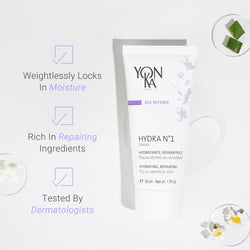
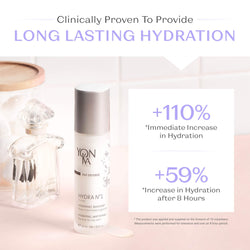
Coconut oil acts primarily as an emollient and an occlusive. It is exceptional at sealing in existing moisture, but it does not actually "hydrate" the skin because it contains no water and does not draw water in. This is why many people find that applying coconut oil to bone-dry skin feels greasy but doesn't actually resolve the underlying dryness. To get the most benefit, coconut oil should always be applied to damp skin or layered over a water-based product like Hydra n°1 Crème to lock that hydration in place.
The Benefits of Coconut Oil for Dry Skin
When used correctly, coconut oil can significantly improve the appearance and feel of dry, depleted skin. Its rich lipid profile offers several key advantages for those struggling with environmental dryness or a compromised barrier.
Strengthening the Skin Barrier
The outermost layer of your skin, the stratum corneum, acts as a protective shield. When this barrier is weakened by harsh soaps, cold weather, or aging, moisture escapes and irritants can enter. Coconut oil provides essential fatty lipids that help "patch" the cracks in this barrier. This may help the skin feel more supple and less prone to the itching and sensitivity often associated with extreme dryness.
Anti-Inflammatory and Soothing Properties
Dry skin is often accompanied by redness and inflammation. Coconut oil has been shown to possess anti-inflammatory properties that can help soothe the appearance of irritated skin. This makes it a popular choice for those with mild dryness-related discomfort. By reducing oxidative stress on the skin's surface, it supports a calmer, more even-looking complexion.
Natural Antimicrobial Support
Because of its high lauric acid content, coconut oil can help protect the skin from certain bacteria and fungi. While it is not a replacement for medical treatments, this natural property can be beneficial for maintaining a healthy balance on the skin's surface, particularly on the body where the skin is thicker and less prone to clogging than the face.
Improving Skin Elasticity
Consistent use of lipid-rich oils can help improve the appearance of skin elasticity. By keeping the skin's surface well-lubricated and preventing the "shriveling" effect of dehydration, coconut oil helps the skin look plumper and more youthful. It supports the appearance of healthy collagen levels by protecting the skin from the drying environmental factors that lead to premature aging.
The Drawbacks: Why Caution Is Necessary
Despite its benefits, coconut oil is not a "one size fits all" solution. Its unique structure presents challenges that can actually worsen some skin concerns if used improperly.
The Comedogenic Factor The most significant drawback of coconut oil is its high comedogenic rating. In skincare, "comedogenic" refers to an ingredient's tendency to clog pores. Coconut oil is rated as a 4 out of 5 on the comedogenic scale, meaning it is highly likely to cause blockages in the hair follicles. For the face, chest, and back—areas with a high density of oil glands—this can quickly lead to blackheads, whiteheads, and inflammatory acne.
Risk of Folliculitis Because coconut oil is such an effective occlusive, it can sometimes be too heavy. It creates a seal that can trap sweat, bacteria, and dead skin cells against the skin. This can lead to a condition called folliculitis, which is an inflammation or infection of the hair follicles. This is especially common when coconut oil is used in areas of friction, such as the thighs or underarms, or in hot, humid environments.
Nut Allergies and Sensitivity While rare, some individuals may have a sensitivity or allergy to coconut. Because coconuts are technically classified as tree nuts, those with severe nut allergies should exercise caution. We always recommend a simple patch test when introducing any new botanical ingredient into your routine. Apply a small amount to your inner forearm and wait 24 hours to ensure no redness or irritation occurs.
Key Takeaway: Coconut oil is a "sealant" rather than a "hydrator." Use it on damp skin to trap moisture, but keep it away from acne-prone areas like the face to prevent clogged pores.
How to Incorporate Coconut Oil into Your Ritual
If you have very dry skin on your body and want to experiment with coconut oil, the method of application is vital for success. At Yon-Ka, we believe in a ritual-based approach that respects the skin's natural rhythm.
Step 1: Cleanse Gently
Start by cleansing the skin with a gentle, non-stripping wash. Avoid harsh sulfates that deplete the skin’s natural oils, as this makes the job of your moisturizer much harder. For a more skin-respecting first step, consider our Hydra treatment recommendations.
Step 2: Leave Skin Damp
Do not towel dry your skin completely. The best time to apply coconut oil is immediately after a shower when your skin is still slightly moist. This provides the water that the coconut oil will then "seal" into the epidermis.
Step 3: Warm and Apply
Scoop a small amount of oil and rub it between your palms to melt it into a liquid. Massage a thin, even layer over your legs, arms, and elbows using circular motions. Avoid the "V-zone" of the chest and the entirety of your back to prevent breakouts.
Step 4: Layer for Extra Comfort
For areas of extreme dryness, such as heels or knees, you may want to layer. Apply a hydrating body lotion first, then "cap" it with a small amount of coconut oil to prevent the lotion's water content from evaporating. If you prefer a ready-made body ritual, explore our body care collection for more targeted options.
Choosing the Right Quality
Not all coconut oils are created equal. If you are using it for skincare, the processing method matters deeply.
- Virgin or Extra-Virgin Coconut Oil: This is the gold standard for topical use. It is extracted from fresh coconut meat without the use of high heat or chemicals. This preserves the maximum amount of phytonutrients, antioxidants, and the natural aroma.
- Cold-Pressed/Expeller-Pressed: These terms indicate that the oil was extracted using mechanical pressure rather than heat. This ensures the delicate fatty acids remain stable and effective.
- Refined Coconut Oil: This version is often bleached and deodorized. While it still contains fatty acids, many of the beneficial antioxidants are lost during processing. It is generally less effective for skincare.
- Fractionated Coconut Oil: This is coconut oil that has had certain long-chain fatty acids removed, leaving it in a liquid state even at room temperature. It is less likely to clog pores and lacks the traditional coconut scent, making it a popular "carrier oil" for essential oils.
Sophisticated Alternatives for Facial Dryness
While coconut oil is a budget-friendly option for the body, the skin on your face requires a more refined approach. The facial skin is thinner, more delicate, and has more active sebaceous glands. For this reason, we often recommend botanical oils that offer the same moisturizing benefits as coconut oil but with a much lower risk of clogging pores.
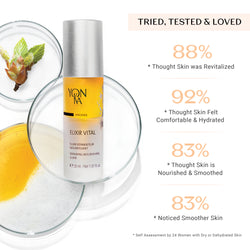
At Yon-Ka, our formulas leverage the power of multiple plant sciences—aromatherapy, phytotherapy, and marine biology—to create targeted solutions. If you are looking for the deep nourishment of an oil without the heaviness of coconut, consider these alternatives:
- Serum Omega: This is our ultimate "lipid-restoring" oil-in-serum. It uses a blend of sacha inchi and pomegranate oils, which are rich in Omega 3, 6, and 9. These oils mimic the skin's natural lipids to repair the barrier without being comedogenic.
- Nutri+ Booster: A nourishing oil booster designed to be mixed into your daily moisturizer. It features wheat germ oil and our signature Quintessence to revitalize and nourish dry, lackluster skin.
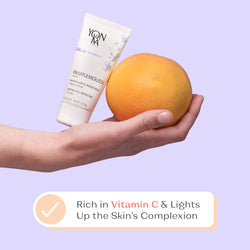
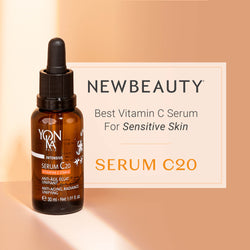
- Serum Vitamine C 20%: For those who want the antioxidant benefits often associated with natural oils, this 20% Vitamin C serum provides brightening and anti-aging support in a stable, skin-friendly lipid base.
Every Yon-Ka formulation is built upon our signature Quintessence—a proprietary complex of five essential oils: lavender, geranium, rosemary, cypress, and thyme. This 100% natural and active blend provides a therapeutic experience that simple kitchen oils cannot replicate, balancing the skin while providing a profound sense of well-being through aromachology. To learn more about the philosophy behind these formulas, visit Our Formulas and Our Ingredients.
The Importance of a Complete Ritual
Dry skin rarely needs just one ingredient. It needs a consistent, layered program that addresses both water loss and lipid depletion. In the professional world of Yon-Ka Paris, we treat dry skin through a sequence of steps that ensure maximum absorption and efficacy.
- Cleanse: Use a creamy, barrier-respecting milk like Lait Nettoyant.
- Mist: Prepare the skin with Lotion Yon-Ka PS, which provides a refreshing burst of phyto-aromatic hydration.
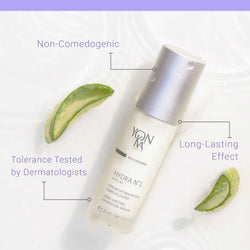
- Treat: Apply a specialized serum like Hydra n°1 Serum to deliver water deep into the skin layers.
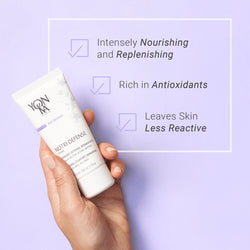
- Moisturize: Use a rich cream like Hydra n°1 Crème or Nutri Defense Crème to provide long-lasting comfort.
- Protect: Never forget sun protection, as UV damage is a leading cause of a weakened skin barrier.
If you are unsure where to begin or which botanical oils are best suited for your specific skin type, we invite you to use our Spa Locator or visit our face moisturizers collection to build a ritual that delivers visible, lasting results.
Conclusion
So, is coconut oil a good moisturizer for dry skin? The answer is a qualified yes. It is a fantastic, natural occlusive that can transform dry skin on the body, making it feel soft, smooth, and protected. However, its high potential for clogging pores makes it a risky choice for facial care, where more refined botanical oils and professionally formulated serums often yield better results.
By understanding the difference between hydration and occlusion, you can use coconut oil as a strategic tool in your body care ritual while relying on expert-led phyto-aromatic formulas for your more delicate concerns. Skincare is a ritual worth savoring—a daily moment to connect with the power of nature and 70 years of French expertise. Whether you choose a simple pantry staple or a sophisticated Yon-Ka treatment, the key to healthy skin is consistency, quality, and a deep respect for your skin's unique needs.
"The beauty of the skin is a reflection of the harmony between our internal biology and the botanical world."
- Key Next Step: Evaluate your current routine—are you providing enough water (humectants) before applying oils?
- Explore: Browse our Dry & Dehydrated collection to find targeted solutions for facial dryness.
- Visit: Use our Spa Locator to find a professional Yon-Ka treatment near you for an expert-led hydration boost.
FAQ
Can I use coconut oil on my face every day?
It is generally not recommended to use coconut oil on your face daily, as it is highly comedogenic and can easily clog pores, leading to breakouts or congestion. While those with extremely dry, non-acne-prone skin might tolerate it occasionally, most people find better results using non-comedogenic facial oils like jojoba, argan, or a specialized blend like Serum Omega.
Should I apply coconut oil to wet or dry skin?
For the best results, always apply coconut oil to damp skin immediately after bathing. Coconut oil is an occlusive, meaning it works by trapping existing moisture on the skin; if you apply it to bone-dry skin, it may sit on the surface and feel greasy without actually relieving the underlying dryness.
Will coconut oil help with my eczema or dermatitis?
Coconut oil has anti-inflammatory and antimicrobial properties that can help soothe the appearance of dry, itchy skin associated with eczema or dermatitis. However, because these are medical conditions, you should always consult with a physician or dermatologist before using it as a treatment to ensure it won't irritate your specific condition.
What is the difference between virgin and refined coconut oil for skin?
Virgin coconut oil is extracted without high heat or chemicals, preserving the natural antioxidants and fatty acids that benefit the skin. Refined coconut oil undergoes more processing, which removes the scent and some nutrients, making it less effective for skincare rituals that aim to nourish and protect the skin barrier.