Table of Contents
- Introduction
- Understanding Castor Oil and Sebum Production
- The Science of Ricinoleic Acid for the Complexion
- Is Castor Oil Comedogenic?
- Benefits of Castor Oil for Oily Skin Types
- The Potential Risks and Drawbacks
- Integrating Oils into a Phyto-Aromatic Ritual
- How to Use Castor Oil for Oily Skin: The Right Way
- Better Alternatives for Oily Skin Management
- The Importance of pH Balancing
- Myth vs. Fact: Oils and Oily Skin
- When to See a Professional
- Summary of the Oily Skin Ritual
- Conclusion
- FAQ
Introduction
Finding the right balance for an oily complexion often feels like a delicate dance between deep cleansing and maintaining essential moisture. If you have ever struggled with midday shine or persistent congestion, you may have encountered the suggestion to use castor oil as a natural remedy. At Yon-Ka Paris, we believe that understanding the chemistry of botanical oils is the first step toward a radiant, balanced glow. While it might seem counterintuitive to apply a thick oil to a face already prone to excess sebum, the "like dissolves like" principle has gained significant traction in the modern skincare world. This article explores the nuances of using castor oil for oily skin, its potential benefits, the risks of its heavy texture, and how to integrate phyto-aromatic rituals for a clearer, more refined appearance.
Quick Answer: Castor oil can be beneficial for oily skin when used correctly in a diluted oil cleansing blend, as its ricinoleic acid offers antimicrobial properties. However, because it is highly viscous and potentially drying, it should never be used undiluted on the face; instead, it should be balanced with lighter carrier oils and followed by a complete skincare ritual.
Understanding Castor Oil and Sebum Production
Castor oil is a vegetable oil pressed from the seeds of the Ricinus communis plant. For centuries, it has been prized in traditional wellness rituals for its unique fatty acid profile. Unlike many other plant oils, castor oil is composed of nearly 90% ricinoleic acid, a monounsaturated fatty acid that is rarely found in such high concentrations elsewhere in nature.
Oily skin occurs when the sebaceous glands produce an abundance of sebum. Sebum is a natural wax ester intended to protect and hydrate the skin barrier. However, when overproduced, it can lead to a greasy appearance and provide a breeding ground for blemish-causing bacteria. The question of whether castor oil is "good" for this skin type depends largely on how it interacts with these natural oils.
The molecular structure of castor oil allows it to act as a powerful solvent. In chemistry, the rule "like dissolves like" suggests that an oil can effectively break down and lift away hardened sebum, stale makeup, and environmental pollutants better than some water-based cleansers. This is why castor oil has become a staple in the Oil Cleansing Method (OCM).
The Science of Ricinoleic Acid for the Complexion
Ricinoleic acid is the primary active component that makes castor oil a subject of interest for those with oily or blemish-prone skin. This specific fatty acid is known for its antimicrobial and anti-inflammatory properties. When applied to the skin, it may help to reduce the appearance of redness and soothe the irritation often associated with active breakouts.
For individuals with oily skin, castor oil serves as a purifying agent. It is often categorized as a "drawing" oil because it has a slight dehydrating effect on the skin's surface. While this sounds negative, in the context of oil cleansing, it helps to pull impurities out of the pores.
However, this drawing property is a double-edged sword. If used in excess or without proper dilution, castor oil can actually leave the skin feeling tight or stripped. When the skin feels too dry, it may respond by producing even more oil to compensate, leading to a cycle of rebound oiliness. This is why we always advocate for a balanced approach to botanical ingredients.
Is Castor Oil Comedogenic?
One of the most frequent concerns regarding face oils is their comedogenic rating—a scale from 0 to 5 that measures how likely an ingredient is to clog pores. Castor oil typically sits at a 1 on this scale, which is considered very low.
A low comedogenic rating does not mean a product is "pore-safe" for everyone. Every person's sebum composition is unique. Because castor oil is incredibly thick and viscous, its physical texture can be problematic for those with very narrow pores or a history of cystic congestion.
If the oil is not thoroughly removed during the cleansing process, that heavy consistency can trap bacteria and dead skin cells beneath the surface. This highlights the importance of the "second cleanse" in a professional-grade ritual, ensuring that no heavy residue remains to interfere with the skin's natural respiration.
Benefits of Castor Oil for Oily Skin Types
When incorporated thoughtfully into a skincare routine, castor oil offers several cosmetic benefits that can improve the look and feel of oily skin.
- Deep Pore Cleansing: It helps dissolve the "plugs" of oxidized oil (blackheads) that can form in the T-zone.
- Antibacterial Support: The ricinoleic acid may help manage the presence of surface bacteria, supporting a clearer appearance.
- Moisture Retention: Despite its drawing properties, it acts as a humectant, helping to draw moisture into the skin while the oily barrier prevents water loss.
- Skin Smoothing: Its rich fatty acid content can help soften the appearance of rough skin texture and fine lines.
Key Takeaway: Castor oil is a functional ingredient for oily skin primarily because of its ability to dissolve excess sebum and provide antimicrobial benefits, but its high viscosity requires careful handling and thorough removal.
The Potential Risks and Drawbacks
While the benefits are notable, castor oil is not a "magic bullet" for oily skin, and there are several reasons to exercise caution.
The most significant drawback is its consistency. Castor oil is famously sticky and thick. Applying it directly to the face can feel unpleasant and may lead to pulling or tugging on the delicate skin of the eye area. Furthermore, because it is so concentrated, it can cause localized irritation or allergic contact dermatitis in sensitive individuals.
Castor oil can also be surprisingly drying. Because it is a "dry" oil in terms of how it behaves on the skin's surface, overusing it can disrupt the acid mantle—the protective film of lipids and sweat that keeps the skin healthy. A compromised acid mantle often leads to increased sensitivity, redness, and further oil production.
Note: We always recommend performing a patch test when introducing a highly concentrated botanical like castor oil. Apply a small amount to your inner forearm and wait 24 hours to ensure no redness or irritation occurs before applying it to your face.
Integrating Oils into a Phyto-Aromatic Ritual
At Yon-Ka, our philosophy is rooted in the synergy of plants. We rarely suggest using a single raw oil in isolation. Instead, we believe in the power of expertly formulated blends where multiple plant actives work together to achieve a specific result.
If you are looking for the purifying benefits of a botanical oil but want a more refined experience than raw castor oil, consider the ingredients in our professional-grade formulas. For example, our Lait Nettoyant is a gentle, silky cleansing milk that uses botanical extracts to remove makeup and impurities while respecting the skin's natural balance. It provides that "like dissolves like" efficiency without the heaviness of a thick vegetable oil.
The Power of the Quintessence
For oily skin specifically, the essential oils found in our signature Quintessence—Lavender, Geranium, Rosemary, Cypress, and Thyme—provide many of the same benefits as castor oil but with a more sophisticated delivery.
- Lavender: Known for its soothing and purifying properties.
- Rosemary: Helps to revitalize the appearance of the skin and has natural astringent qualities.
- Thyme: Offers powerful cleansing and antibacterial support.
By using products infused with these essential oils, such as Lotion Yon-Ka PNG, you can help regulate the appearance of shine and tighten the look of pores without the risk of clogging them with a heavy carrier oil.
How to Use Castor Oil for Oily Skin: The Right Way
If you choose to experiment with raw castor oil, it must be used as part of a blend. This is typically done through the Oil Cleansing Method (OCM).
Step 1: Create Your Blend
Do not use 100% castor oil. For oily skin, a common ratio is 30% castor oil mixed with 70% of a lighter carrier oil, such as jojoba oil or grapeseed oil. Jojoba is particularly excellent for oily skin because its molecular structure closely mimics human sebum, helping to "trick" the skin into producing less oil.
Step 2: Application
Apply the oil blend to a dry face with clean hands. Massage the oil into your skin for one to two minutes using gentle, circular motions. Focus on areas with congestion, like the nose and chin. This is a moment of ritual—allow the warmth of your hands to help the oil penetrate and dissolve impurities.
Step 3: Steam and Remove
Soak a soft washcloth in warm (not hot) water and wring it out. Place the cloth over your face for about 30 seconds. The steam helps to further loosen the debris. Gently wipe away the oil. You may need to rinse the cloth and repeat this two or three times to ensure all residue is gone.
Step 4: The Second Cleanse
For the oily skin type, we highly recommend following an oil cleanse with a gentle water-based or milk cleanser. This "double cleansing" technique ensures that the heavy castor oil is completely removed, preventing any potential pore blockage. Use a product like Lait Nettoyant to leave the skin feeling fresh and soft.
Better Alternatives for Oily Skin Management
While castor oil has its place, modern skincare science has provided us with lighter, more effective ways to manage oily skin. If the goal is a clear, matte, yet hydrated complexion, a multi-step ritual is often more effective than a single-ingredient approach.
Gentle Exfoliation
Rather than relying solely on the "drawing" power of oils, regular gentle exfoliation is key for oily skin. Our Gommage Yon-Ka is a grain-free, botanical peeling gel that clarifies and hydrates the skin simultaneously. It helps remove the dead skin cells that can trap oil in the pores, leading to a much smoother surface texture.
Targeted Treatment and Hydration
Oily skin still needs moisture. In fact, many people have "dehydrated oily" skin, where the surface is lacking water even though it produces plenty of oil. Using a lightweight, antioxidant-rich day cream like Nude Perfect Fluide can help protect the skin from environmental stressors while providing breathable hydration.
For those looking to target specific blemishes or refine pores, incorporating a booster can be transformative. Our products are designed to be layered, allowing you to customize your routine based on how your skin feels each day.
The Importance of pH Balancing
One often overlooked aspect of using oils like castor oil is the disruption of the skin's pH. Soap-based cleansers and even some heavy oils can shift the skin toward a more alkaline state, which can encourage bacterial growth.
This is why the "Mist / Tone" step is non-negotiable in the Yon-Ka ritual. Lotion Yon-Ka PNG is more than just a toner; it is a phyto-aromatic mist that rebalances the skin, enhances the absorption of subsequent treatments, and provides an immediate sense of well-being. For oily skin, the PNG version (for normal to oily skin) is specifically formulated to help control the appearance of excess sebum.
Myth vs. Fact: Oils and Oily Skin
Myth: Putting oil on oily skin will cause a massive breakout. Fact: The right oils can actually help balance your skin. High-quality botanical oils like jojoba or those found in professionally formulated cleansers can help dissolve excess sebum and maintain the skin barrier.
Myth: Castor oil can "cure" acne. Fact: While its antibacterial properties may support clearer-looking skin, acne is a complex condition that can be influenced by hormones, diet, and genetics. Skincare can help manage the appearance of breakouts, but chronic acne should be discussed with a dermatologist.
When to See a Professional
While at-home rituals are the foundation of healthy skin, there are times when professional intervention is necessary. If you find that your oily skin is accompanied by painful, deep-seated cysts, persistent redness, or sudden changes in texture, it is wise to consult a dermatologist or a licensed aesthetician.
At Yon-Ka Paris, our heritage is built on the expertise of skincare professionals. Over 7,000 spas worldwide trust our products for their professional treatments. If you are unsure about which botanical oils are right for your skin, you can find a local Yon-Ka professional using our Spa Locator. A customized facial treatment can provide a deep "reset" for oily skin that is difficult to achieve at home.
Summary of the Oily Skin Ritual
To recap, if you are considering castor oil, remember that it works best as a supporting player in a broader skincare program. A balanced ritual for oily skin should look like this:
- Cleanse: Use an oil blend (with castor oil) followed by a gentle milk cleanser like Lait Nettoyant.
- Tone: Mist with Lotion Yon-Ka PNG to rebalance and prepare the skin.
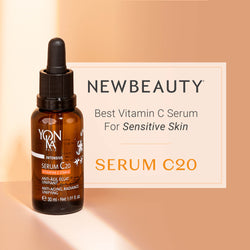
- Treat: Apply a targeted serum, such as Serum Vitamine C 20%, to brighten the appearance of the skin and provide antioxidant protection.
- Hydrate: Finish with a lightweight moisturizer or a mattifying fluid like Nude Perfect Fluide to blur imperfections and control shine throughout the day.
Conclusion
So, is castor oil good for oily skin face? The answer is a cautious yes, provided it is treated with the respect a potent botanical ingredient deserves. When used as part of a diluted oil cleansing blend and followed by a thorough second cleanse, it can be a valuable tool for dissolving impurities and supporting a clearer complexion. However, for most individuals, the heavy and potentially irritating nature of raw castor oil makes professionally formulated phyto-aromatic products a safer and more sensorial choice.
Skincare is more than just a means to an end; it is a ritual of self-care that should be enjoyed. By choosing ingredients that are backed by pharmaceutical rigor and botanical wisdom, you are honoring your skin's natural intelligence. If you are ready to discover the perfect routine for your unique skin type, we invite you to take our Skin Diagnosis quiz or explore our Product Matcher to find your ideal botanical match.
At Yon-Ka Paris, we remain committed to the belief that the most effective skincare is rooted in nature and refined by science. For over 70 years, we have helped individuals around the world achieve their most radiant skin through the power of essential oils and plant extracts. Your journey to a balanced, glowing complexion starts with a single, mindful step.
"Skincare is a ritual worth savoring—an invitation to connect with yourself through the healing power of the plant world."
FAQ
Can I use castor oil on my face every day?
It is generally not recommended to use castor oil daily on an oily face, especially if you are using it for oil cleansing. Because it can be drying and quite heavy, most people find that using an oil cleansing blend 2–3 times a week is sufficient to keep pores clear without stripping the skin's natural defenses.
Will castor oil help with my oily skin and large pores?
Castor oil may help the appearance of large pores by effectively removing the debris and oxidized oil that causes them to stretch and look more prominent. However, for a more consistent improvement in skin texture, incorporating an exfoliator like Gommage Yon-Ka and a balancing mist like Lotion Yon-Ka PNG is often more effective.
Should I apply castor oil before or after my moisturizer?
Castor oil should be used as a cleanser, not a leave-on treatment for oily skin. Because it is so thick and has a low comedogenic rating but high viscosity, leaving it on the skin overnight could potentially lead to clogged pores; it is best used in the "Cleanse" step of your ritual and then thoroughly rinsed away.
What is the best oil to mix with castor oil for an oily face?
Jojoba oil is widely considered the best partner for castor oil when treating an oily complexion. Jojoba is technically a liquid wax that mirrors the skin's natural sebum, making the mixture more spreadable and helping to balance the skin's oil production while the castor oil works to draw out impurities.