Table of Contents
- Introduction
- The Botanical Origins of Argan Oil
- Understanding Dry vs. Dehydrated Skin
- Why Argan Oil is a Powerhouse for Dry Skin
- The Role of Argan Oil in a Phyto-Aromatic Ritual
- How to Incorporate Argan Oil into Your Routine
- Comparing Argan Oil to Other Botanical Oils
- Common Myths About Using Oils on the Face
- Safety and Best Practices for Essential Oils and Botanicals
- Why a Professional Blend Often Outperforms Pure Oil
- The Professional Spa Difference
- Taking Care of Your Skin Barrier Long-Term
- Conclusion
- FAQ
Introduction
If you have ever experienced the tight, flaky, or dull sensation of chronically dry skin, you know the search for relief can feel like an endless quest. When the skin lacks its necessary lipids, the complexion loses its natural radiance and becomes more susceptible to environmental stressors. This is why many are turning to botanical solutions, specifically "liquid gold"—otherwise known as argan oil. At Yon-Ka Paris, we have spent seven decades harnessing the power of plant oils to restore and revitalize the skin. In this post, we will explore why argan oil is highly regarded for facial care, how its unique fatty acid profile supports a dry complexion, and how you can integrate high-performance botanical oils into your daily ritual. Discover how argan oil can help transform the appearance of dry skin into a supple, luminous glow.
The Botanical Origins of Argan Oil
Argan oil is extracted from the kernels of the argan tree (Argania spinosa), which is native to the semi-desert regions of Morocco. For centuries, this resilient tree has survived harsh conditions, producing fruit with a nutrient-dense nut that houses the precious oil. Historically, Moroccan women have used this oil not just for culinary purposes, but as a staple in their beauty rituals to protect their skin and hair from the relentless desert sun and wind.
What makes argan oil unique is its concentration of bioactive compounds. Unlike many synthetic moisturizers that sit on the surface, argan oil is a complex botanical blend of essential fatty acids, antioxidants, and vitamins. In the world of phyto-aromatic skincare, we value these ingredients for their ability to mimic the skin’s natural oils, allowing for deeper harmony between the product and your biology.
Quick Answer: Yes, argan oil is excellent for dry skin on the face. It is rich in Vitamin E and essential fatty acids like oleic and linoleic acid, which help restore the skin’s protective barrier and lock in moisture without feeling excessively heavy.
Understanding Dry vs. Dehydrated Skin
Before diving into the specific benefits of argan oil, it is essential to distinguish between a dry skin type and a dehydrated skin condition. This distinction determines whether your skin needs oil, water, or both.
- Dry Skin (Lacks Oil): This is a skin type characterized by a lack of sebum (natural oil) production. Dry skin often feels tight all over, looks dull, and may exhibit flaking or premature fine lines. It requires lipids—like those found in argan oil—to rebuild the moisture barrier.
- Dehydrated Skin (Lacks Water): This is a temporary condition caused by environmental factors, diet, or harsh products. Dehydrated skin lacks water content and can affect any skin type, including oily skin. It requires humectants like hyaluronic acid to pull moisture back into the cells.
Argan oil is specifically beneficial for dry skin because it replenishes the missing lipids that prevent water from evaporating. When your barrier is "leaky" due to a lack of oil, no amount of water will stay in the skin. Argan oil acts as the "sealant" that keeps your hydration where it belongs.
Why Argan Oil is a Powerhouse for Dry Skin
The efficacy of argan oil for the face lies in its chemical composition. When we analyze why this oil is so effective for a dry complexion, we look at four key components:
1. Essential Fatty Acids (Omega-6 and Omega-9)
Argan oil is primarily composed of oleic acid (Omega-9) and linoleic acid (Omega-6). Oleic acid is a fantastic emollient that makes the skin feel soft and supple, while linoleic acid is crucial for maintaining the integrity of the skin barrier. For those with dry skin, these fatty acids fill in the gaps between skin cells, smoothing the appearance of the skin’s surface and preventing moisture loss.
2. Vitamin E (Tocopherol)
Argan oil contains high levels of Vitamin E, a potent antioxidant. Vitamin E helps to neutralize free radicals—unstable molecules caused by pollution and UV rays that can damage skin cells and accelerate the look of aging. For dry skin, Vitamin E also provides a soothing effect, helping to calm the visible redness or irritation that often accompanies a compromised moisture barrier.
3. Squalene
Naturally found in our skin’s sebum, squalene levels begin to decline as we age. Argan oil contains botanical squalene, which helps to further moisturize and soften the skin. Because it is so similar to our natural oils, it is absorbed efficiently without leaving a greasy residue.
4. Polyphenols and Sterols
These plant-based compounds offer anti-inflammatory and protective benefits. They support the skin's natural repair processes, making argan oil an excellent choice for those whose dry skin feels sensitive or reactive.
The Role of Argan Oil in a Phyto-Aromatic Ritual
At Yon-Ka, we believe that skincare should be a sensorial experience that treats both the skin and the spirit. Argan oil fits perfectly into this philosophy. While some may use argan oil as a standalone product, we often find that botanical oils perform best when used as part of a layered ritual.
Oils are "lipophilic," meaning they are attracted to other oils. When applied to the skin, they can penetrate the surface layers and deliver nutrients effectively. However, for the most comprehensive results, an oil should be paired with a hydrating mist or serum. This mirrors our professional spa heritage, where we layer textures to achieve a "lit-from-within" glow.
Key Takeaway: Argan oil is more than just a moisturizer; it is a lipid-replenishing treatment that strengthens the skin's barrier, provides antioxidant protection, and improves the overall texture of a dry complexion.
How to Incorporate Argan Oil into Your Routine
To get the most out of argan oil or any lipid-rich botanical oil, it is important to apply it at the right time in your skincare program. Because oils are occlusive (meaning they seal things in), they should generally be one of the last steps in your routine.
Step 1: Gentle Cleansing
Start with a barrier-respecting cleanser like Lait Nettoyant. This cleansing milk gently removes impurities while maintaining the skin's natural pH and moisture levels. For dry skin, avoiding harsh, foaming cleansers is critical.
Step 2: Prepare with a Phyto-Aromatic Mist
Spray Lotion Yon-Ka PS (the version specifically formulated for dry and sensitive skin) over your face and neck. Our signature mist contains the Quintessence—an exclusive complex of lavender, geranium, rosemary, cypress, and thyme. This step hydrates the skin and creates a "damp" surface, which helps oils and serums absorb more effectively.
Step 3: Targeted Treatment
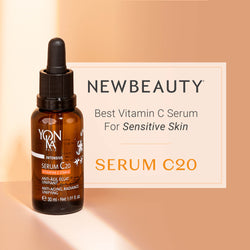
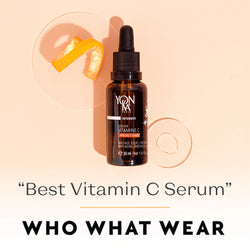
If you are addressing specific concerns like deep wrinkles or extreme dullness, apply a serum like Serum Vitamine C 20% for brightening or Hydra N°1 Serum for an intense water boost.
Step 4: The Oil Step (Moisturize & Seal)
This is where argan oil or a lipid-restoring booster comes in. You have two options:
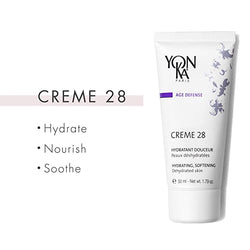
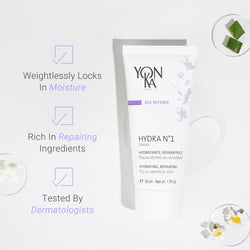
- The Blend: Mix 2–3 drops of your oil into your daily moisturizer, such as Hydra N°1 Crème. This creates a richer texture that provides both water and oil to the skin.
- The Seal: Apply your moisturizer first, then warm a few drops of oil in your palms and gently press it over your face as a final protective veil.
Step 5: Protect
During the day, always finish with sun protection to prevent further damage to your skin barrier.
Comparing Argan Oil to Other Botanical Oils
While argan oil is a "gold standard" for dry skin, other plant oils also offer unique benefits. At Yon-Ka, we often prefer using sophisticated oil blends because they provide a broader spectrum of nutrients.
| Oil Type | Primary Benefit | Best For |
|---|---|---|
| Argan Oil | Barrier repair & Vitamin E | Dry, mature skin |
| Sacha Inchi Oil | Exceptional Omega-3 content | Severely dry, irritated skin |
| Pomegranate Oil | High in antioxidants | Dull, pollution-stressed skin |
| Cereal Germ Oils | Deeply nourishing (Vitamins A & E) | Fragile, thinning skin |
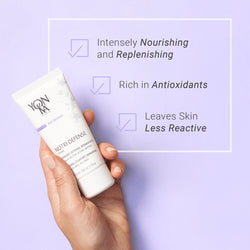
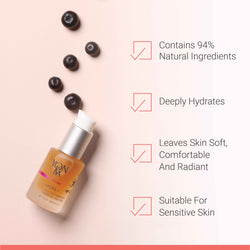
In our Serum Omega, we combine sacha inchi oil with pomegranate and sea buckthorn to create a lipid-restoring "super-serum" that addresses the specific needs of very dry skin. Similarly, our Nutri + Booster uses cereal germ oils to provide a concentrated dose of nutrition to the skin.
Common Myths About Using Oils on the Face
Even though the "face oil" trend has gained massive popularity in the US, some misconceptions still persist.
Myth: Using oil on your face will cause breakouts. Fact: Argan oil has a comedogenic rating of zero, meaning it is highly unlikely to clog pores. In fact, for some oily skin types, applying a high-quality botanical oil can help "signal" to the skin that it has enough moisture, potentially reducing excess sebum production.
Myth: Oils can replace your moisturizer entirely. Fact: Most oils do not contain water. Since the skin needs both lipids (oils) and hydration (water), using an oil alone may leave the skin feeling "greasy but thirsty." For best results, always use an oil in conjunction with a hydrating product like Hydra N°1 Crème.
Myth: You only need face oil in the winter. Fact: While dry skin certainly feels the effects of cold weather and indoor heating more acutely, the skin barrier needs lipid support year-round. Consistent use helps maintain a resilient complexion regardless of the season.
Safety and Best Practices for Essential Oils and Botanicals
When introducing a new botanical oil like argan oil into your routine, it is always wise to follow professional advice. While argan oil is generally very well-tolerated, many high-performance skincare products (including most from Yon-Ka) contain a blend of botanical oils and essential oils for added efficacy.
Note: We recommend performing a patch test when introducing a new product. Apply a small amount to your inner forearm and wait 24 hours to ensure no irritation occurs.
If you are using products with essential oils, introduce them one at a time to see how your skin responds. A slight, momentary tingling can be a normal sign of the active botanicals at work, but if you experience persistent redness or discomfort, reduce the frequency of use or consult a skincare professional. For those with severe skin conditions like cystic acne or suspected rosacea, we recommend consulting a dermatologist before beginning a new oil-based regimen.
Why a Professional Blend Often Outperforms Pure Oil
While pure argan oil is a wonderful ingredient, the skin is complex and often requires more than a single molecule to thrive. In our laboratory near Paris, we specialize in the "synergy" of ingredients—the idea that the whole is greater than the sum of its parts. You can learn more about that approach in Our Ingredients.
A product like Serum Omega doesn't just provide one type of fatty acid; it provides a balanced ratio of Omega-3, 6, and 9. It also includes botanical extracts that soothe the skin and enhance the sensorial experience through aromachology. By blending different oils, we can achieve a texture that is more elegant and easier for the skin to "recognize" and utilize.
If your skin is feeling particularly lifeless or dry, you might also consider Dry & Dehydrated Skin. This collection brings together targeted options for skin that needs both comfort and moisture support.
The Professional Spa Difference
Our heritage is deeply rooted in the professional spa environment. Over 7,000 skincare professionals worldwide trust us because our formulas are designed to deliver visible, beautiful results in the treatment room. When you use a lipid-rich oil at home, you are performing a mini-version of a professional facial.
To truly elevate your results, we recommend visiting a Yon-Ka partner spa. A professional aesthetician can analyze your skin and determine if your dryness is a permanent skin type or a temporary seasonal condition. They can also perform deep-nourishing treatments, such as the Grand Classique, which uses our signature rituals to deeply hydrate and restore the appearance of the skin. You can find a professional near you using our Spa Locator.
Taking Care of Your Skin Barrier Long-Term
Addressing dry skin with argan oil is not just about a quick fix; it is about long-term barrier health. A healthy barrier is your skin's first line of defense against the visible signs of aging. When the barrier is strong, fine lines appear smoothed, the complexion looks bright, and the skin feels comfortable throughout the day.
Consistency is the most important factor in any skincare program. By committing to a daily ritual that includes lipid-rich botanicals, you are giving your skin the tools it needs to remain resilient. Whether you choose to add a few drops of oil to your morning cream or indulge in a nightly facial massage with a nourishing serum, your skin will thank you with a radiant, healthy-looking glow.
Conclusion
In summary, argan oil is a highly effective, natural solution for those struggling with dry skin on the face. Its rich profile of fatty acids and antioxidants makes it a superior emollient that supports the skin's protective barrier and restores a supple appearance. At Yon-Ka Paris, we believe that the most beautiful skin is achieved through the harmony of nature and science. By integrating these botanical treasures into a consistent, layered ritual, you can transform the look and feel of your complexion. If you are unsure which nourishing products are right for your specific needs, we invite you to take our Skin Diagnosis quiz or use the Product Matcher on our website. Embracing the power of phyto-aromatic care is a ritual worth savoring, and it is the key to unlocking your skin's most radiant potential.
FAQ
Can I use argan oil on my face every day?
Yes, daily use is highly recommended for those with dry or mature skin types to maintain a healthy moisture barrier. You can apply it every morning to protect against environmental stressors or every evening to support the skin's natural nighttime repair process.
Will argan oil make my skin look greasy?
When used correctly, argan oil absorbs relatively quickly and should not leave a heavy, greasy film. If your skin feels oily after application, try reducing the amount to just 2–3 drops, or mix the oil directly into your moisturizer to enhance absorption.
Is argan oil safe for sensitive skin?
Argan oil is generally very gentle and well-tolerated by sensitive skin because it lacks harsh chemicals and is rich in soothing Vitamin E. However, as with any botanical product, it is a sensible practice to perform a patch test on your inner forearm before applying it to your entire face.
Does argan oil help with the appearance of wrinkles?
Argan oil is excellent for improving the look of fine lines and wrinkles that are caused by dryness. By replenishing the skin’s lipids and providing antioxidant protection, it helps the skin appear plumper, smoother, and more resilient over time.