Table of Contents
- Introduction
- What is Aloe Vera?
- Is Aloe Vera Good for Dry Skin on Face?
- The Key Components of Aloe Vera for Skin
- Why Raw Aloe Might Not Be Enough
- How to Incorporate Aloe into Your Yon-Ka Ritual
- The Professional Touch: Phyto-Aromatics and Expertise
- Addressing Dry Skin Throughout the Seasons
- Safety and Cautions
- Beyond the Bottle: Holistic Hydration
- Summary of Actionable Steps
- Conclusion
- FAQ
Introduction
The feeling of dry, tight skin is more than just a minor inconvenience; it is a sensory signal that your skin’s delicate barrier is reaching out for help. When your complexion feels parched or displays fine lines of dehydration, the instinct is often to reach for a natural remedy with a long history of trust. Aloe vera has stood at the center of botanical skincare for centuries, whispered about by generations as a "miracle" for everything from sun-scorched shoulders to winter-weathered cheeks. At Yon-Ka Paris, we have spent over 70 years refining the art of phyto-aromatic excellence, and we understand that while aloe vera is a powerhouse ingredient, its success on dry facial skin depends entirely on how it is formulated and applied. To see how this philosophy shapes our approach, explore our ingredients page.
This article will explore the biological benefits of aloe vera, the difference between simple hydration and true moisturization, and how to properly integrate this desert succulent into a professional-grade ritual. We will examine the science behind its soothing properties and why combining it with professional expertise yields the most radiant, supple results. Ultimately, you will discover that aloe vera is indeed an exceptional ally for dry skin, provided it is supported by a balanced, holistic approach to skincare.
What is Aloe Vera?
Aloe vera, specifically the species Aloe barbadensis Miller, is a resilient succulent that has thrived in arid climates for millennia. To survive the heat, the plant evolved a sophisticated internal water storage system. When you look at a cross-section of an aloe leaf, you find three distinct parts: the thick green rind, the bitter yellow latex layer, and the clear, translucent inner gel. This inner gel is the "heart" of the plant and the source of its legendary skincare benefits.
In its raw state, the inner gel is composed of approximately 99.5% water. However, the remaining 0.5% is a concentrated biological cocktail of over 75 active constituents. This includes a complex array of vitamins, minerals, enzymes, amino acids, and polysaccharides. In the world of phyto-aromatic skincare, we view aloe vera not merely as a source of moisture, but as a living delivery system that provides essential nutrients to the skin’s surface. Because we prioritize ingredients of natural origin, aloe vera aligns perfectly with our philosophy of using botanical science to support the skin’s natural vitality.
Is Aloe Vera Good for Dry Skin on Face?
The short answer is yes, but with an important distinction. To understand if aloe vera is right for your face, we must first distinguish between dry skin and dehydrated skin. These terms are often used interchangeably, but they represent two different biological needs.
- Dry skin is a skin type that lacks oil (lipids). It often feels rough, flaky, or tight because it does not produce enough sebum to maintain a soft, lubricated surface.
- Dehydrated skin is a skin condition that lacks water. Even oily skin can be dehydrated, appearing dull and showing fine lines when pinched.
Aloe vera is a master humectant. A humectant is a substance that attracts water and binds it to the skin. Because aloe is mostly water and rich in mucopolysaccharides, it is phenomenal for addressing dehydration. For those with a dry skin type, aloe vera provides the "drink" the skin needs, but it must be followed by oil-based ingredients to "lock" that moisture in. Without a sealing layer, the water in aloe vera can evaporate into the air, potentially taking the skin’s existing moisture with it—a process known as transepidermal water loss (TEWL).
The Key Components of Aloe Vera for Skin
To appreciate why this plant is so effective for the appearance of dry skin, we have to look at its molecular structure. Skincare is, at its core, a matter of chemistry.
Polysaccharides (Acemannan)
The most significant compounds in aloe are polysaccharides, particularly acemannan. These are long-chain sugar molecules that give the gel its slippery texture. When applied to the face, they create a light, breathable film that helps to soothe the appearance of irritation and support the skin’s natural repair processes. This film acts like a temporary second skin, protecting dry patches from environmental stressors.
Vitamins and Antioxidants
Aloe vera is naturally rich in Vitamins A, C, and E. These are known as antioxidants, which are substances that help neutralize free radicals—unstable molecules caused by pollution and UV rays that can lead to signs of premature aging. Dry skin is often more vulnerable to these stressors because its protective barrier is compromised. By providing antioxidant support, aloe helps maintain a more resilient, youthful appearance.
Enzymes
The plant contains enzymes such as bradykinase. When applied topically, these enzymes can help reduce the appearance of redness and excessive inflammation. This makes aloe especially beneficial for those whose dry skin also feels sensitive or reactive.
Amino Acids and Minerals
Aloe contains 20 of the 22 human-required amino acids, including seven of the eight essential ones. These serve as the building blocks for skin proteins. Additionally, minerals like zinc act as natural astringents to refine the appearance of pores, while magnesium and potassium support the overall health of the skin cells.
Key Takeaway: Aloe vera works as a biological "soother" and "hydrator." It provides water-based moisture and essential nutrients, but it works most effectively for dry skin when paired with lipid-rich creams or oils.
Why Raw Aloe Might Not Be Enough
It is a common trend to use raw aloe vera directly from a plant. While this feels incredibly "natural," it may not always be the best approach for the delicate skin on your face.
Stability and Purity Raw aloe gel contains a compound called aloin, found in the latex layer of the leaf. Aloin can be an irritant for many people, leading to redness or stinging when applied to the face. Professional formulations, like those we develop, undergo careful extraction processes to ensure the aloin is removed and that the aloe is stabilized. Without stabilization, the active enzymes and vitamins in raw gel begin to degrade almost immediately upon exposure to air and light.
The "Evaporation Trap" As mentioned, aloe is primarily water. If you apply raw gel to a dry face and do not follow it with a moisturizer, the gel can actually leave your skin feeling tighter than before. This is because as the water evaporates, it can pull moisture out from the deeper layers of the stratum corneum (the outermost layer of skin). In our laboratory, we solve this by blending hydrating botanicals with nourishing plant oils and our signature Quintessence—a blend of lavender, geranium, rosemary, cypress, and thyme—to ensure the skin stays both hydrated and moisturized.
How to Incorporate Aloe into Your Yon-Ka Ritual
The secret to transforming dry skin lies in the ritual. We believe in a layered, consistent approach rather than relying on a single "miracle" product. Here is how you can naturally weave the benefits of aloe and other hydrating botanicals into your daily routine.
Step 1: Respectful Cleansing
For dry skin, the goal of cleansing is to remove impurities without stripping the vital lipid barrier. A gentle, creamy cleanser is essential. Our Lait Nettoyant is a milk-based cleanser that respects the skin’s natural pH. It leaves the face feeling soft and refreshed, preparing the surface to better absorb the hydrating steps that follow.
Step 2: The Phyto-Aromatic Mist
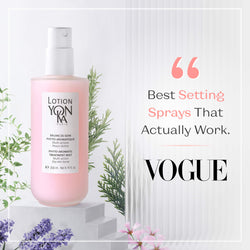
After cleansing, your skin is like a dry sponge. If you apply a heavy cream directly to dry skin, it won't absorb deeply. You need a "bridge." This is where a toner or mist becomes vital. Lotion Yon-Ka PS is more than just a toner; it is a phyto-aromatic mist that drenches the skin in the power of the Quintessence. While it provides immediate hydration, its aromatic scent also offers a moment of wellness (aromachology) that helps lower the perception of stress, which can often exacerbate skin dryness.
Step 3: Targeted Treatment
If your skin is significantly dry or dehydrated, this is the moment to apply a targeted serum or booster. Look for products that combine humectants (like aloe or hyaluronic acid) with lipid-restoring ingredients. For example, our Serum Omega is a lipid-restoring oil-in-serum designed specifically for skin that feels fragile and dry. It provides the essential fatty acids your skin might be missing.
Step 4: Moisturize and Seal
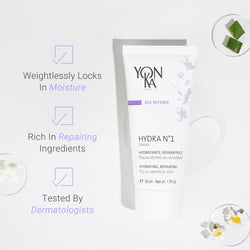
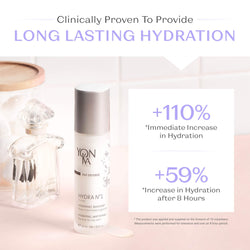
This is the most critical step for dry skin. You must apply a cream that acts as an occlusive layer. Hydra N°1 Creme is an intense moisturizer specifically formulated for dry and sensitive skin. It provides long-lasting hydration and uses plant-derived ingredients to reinforce the skin barrier. For those whose skin feels "parched," this cream provides the comfort and suppleness that aloe alone cannot provide.
Step 5: The Weekly "Hydration Bath"
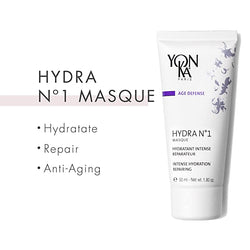
Once or twice a week, your skin deserves a deeper treatment. Using a mask like Hydra N°1 Masque allows for a prolonged exposure to hydrating actives. You can even apply a thin layer of this mask and leave it on overnight. This is especially helpful during the winter months or after long-haul flights when the skin's moisture levels are at their lowest.
The Professional Touch: Phyto-Aromatics and Expertise
The difference between basic skincare and the Yon-Ka experience is our heritage in the professional spa environment. Over 7,000 professionals worldwide trust our formulas because they were born in the treatment room. Aloe vera is a wonderful ingredient, but when it is supported by our Quintessence, its effects are amplified. If you want to experience this approach in person, explore our spa treatments.
The Quintessence—our exclusive complex of five essential oils—does more than just provide a beautiful scent. Lavender soothes, geranium heals the appearance of the skin, rosemary revitalizes, cypress tones, and thyme provides a gentle antiseptic effect. When these work in synergy with hydrating botanicals, you aren't just putting a "band-aid" on dry skin; you are revitalizing the skin's natural ability to hold onto moisture.
Note: When introducing any botanical product, especially those with active essential oils, we always recommend a patch test. Apply a small amount to your inner forearm and wait 24 hours. While our formulas are designed for high tolerance, every individual's skin is unique.
Addressing Dry Skin Throughout the Seasons
Dryness is rarely a static condition. Your skin's needs change with the environment, and your use of aloe-based or hydrating products should adapt accordingly.
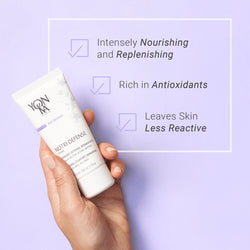
Winter Care In the winter, low humidity and indoor heating strip moisture from the air and your face. This is the time to prioritize rich textures. If your skin feels particularly raw, adding a few drops of Nutri+ Booster to your cream can provide an extra layer of nourishment and antioxidant protection.
Summer Care Summer brings humidity, but it also brings UV damage and air conditioning, both of which can lead to dehydration. Aloe vera is particularly refreshing during this time. A lighter fluid, like Nude Perfect Fluide, can offer the hydration you need without feeling heavy in the heat.
The Post-Sun Ritual If you have spent a day in the sun, your skin has undergone a "micro-stress" event. This is the classic moment for aloe vera. Applying a cooling mask or a mist after sun exposure can help reduce the appearance of redness and replenish the water lost to heat.
Safety and Cautions
While aloe vera is generally considered very safe for topical use, it is always wise to be mindful.
- Sensitivity: If you experience persistent redness, itching, or a burning sensation that does not subside after a few minutes, discontinue use and consult your physician.
- Medical Conditions: If you have chronic conditions like severe rosacea, eczema, or psoriasis, it is best to consult a dermatologist before introducing new active botanicals to your routine.
- One at a Time: When building a new ritual, introduce one new product at a time. This allows you to accurately monitor how your skin responds to each specific formulation.
Beyond the Bottle: Holistic Hydration
Beautiful skin is the result of both external care and internal habits. While a ritual involving Hydra N°1 products will significantly improve the appearance and feel of dry skin, consider these holistic tips:
- Hydrate from within: Drink plenty of water throughout the day. While "drinking water for skin" is a slow process, a hydrated body provides a better foundation for your skincare to work.
- Use a Humidifier: If you live in a dry climate or use central heating, a humidifier can keep the air moist, preventing the environment from "stealing" water from your face.
- Gentle Temperature: Avoid washing your face with very hot water, which can strip away natural oils. Lukewarm water is much more respectful to the lipid barrier.
Summary of Actionable Steps
If you are ready to address dry skin on your face, here is the most effective way to proceed:
- Assess: Determine if your skin is dry (lacks oil) or dehydrated (lacks water). Most people with dry skin are actually both.
- Cleanse Gently: Use a milk cleanser like Lait Nettoyant to keep the barrier intact.
- Mist Daily: Use Lotion Yon-Ka PS to provide a humectant base and a phyto-aromatic boost.
- Seal the Moisture: Never use a hydrator (like aloe) alone. Always follow with a lipid-rich cream like Hydra N°1 Creme.
- Professional Diagnosis: If you are unsure which products are right for your specific concerns, take our Skin Diagnosis quiz on our website or visit a local spa for a professional consultation.
Conclusion
Aloe vera is a remarkable gift from the plant world, offering deep hydration and a cooling embrace to skin that feels parched and stressed. However, as we have explored, the key to its success on the face is not just the ingredient itself, but the company it keeps. For dry skin to truly thrive, it requires a balance of water-attracting humectants and barrier-protecting lipids, all delivered within a respectful, phyto-aromatic framework.
At Yon-Ka Paris, we believe that skincare is a ritual worth savoring—an opportunity to connect with the power of nature and the wisdom of 70 years of French pharmaceutical rigor. By choosing professional formulations that prioritize purity and botanical synergy, you can move beyond the "quick fix" of raw gel and move toward a long-term state of skin health. We invite you to explore our collections and discover the difference that a dedicated, plant-powered ritual can make for your complexion.
"True beauty is not a destination, but a consistent ritual of care, fueled by the resilience of plants and the precision of science."
To take the next step in your skincare journey, consider browsing our How to Properly Pair Your Skincare Products or deepening your understanding of our heritage through our ingredients page.
FAQ
Can I use aloe vera on my face every day?
Yes, aloe vera is gentle enough for daily use and is often a foundational ingredient in many of our daily moisturizers and mists. However, if you are using raw aloe, be cautious of potential irritation from the aloin found in the plant's latex. For the best results and the most comfortable experience, look for stabilized, professionally formulated products designed for daily wear. If you want help narrowing the best match, use our Skin Diagnosis quiz.
Does aloe vera dry out the skin?
Aloe vera itself is a hydrator, but because it is almost entirely water, it can lead to dryness if used incorrectly. If you apply a watery gel to your face and do not "seal" it with a moisturizer or facial oil, the water can evaporate, pulling more moisture from your skin with it. Always follow your hydrating steps with a cream to lock in the benefits.
Is raw aloe better than store-bought products?
Not necessarily, especially for the face. Raw aloe can contain impurities and irritants like aloin, and its active compounds degrade quickly once the leaf is cut. Professional skincare products are formulated to be stable, pH-balanced, and concentrated, often combining aloe with other beneficial ingredients like the Yon-Ka Quintessence for a more effective and sensorial experience.
Should I use aloe before or after my moisturizer?
If you are using a concentrated aloe gel or a hydrating serum, it should be applied before your moisturizer. Think of your routine in terms of texture: apply the thinnest, most watery products first (like mists and serums) and the thickest, most oil-based products last (like creams and oils) to ensure everything absorbs properly and the moisture is sealed in.