Table of Contents
- Introduction
- Understanding the Nature of Oily Skin
- The Myth of the "Squeaky Clean" Feel
- Step 1: Choosing Your Botanical Cleanser
- Step 2: The Art of Water Temperature
- Step 3: Proper Application Technique
- Step 4: The Rinse and Pat
- Step 5: The Importance of Post-Cleansing Prep
- The Role of the Quintessence in Balancing Oil
- Common Face Washing Mistakes to Avoid
- Enhancing Your Routine with Weekly Treatments
- Professional Guidance and the Spa Experience
- Conclusion
- FAQ
Introduction
Finding the perfect balance for oily skin often feels like a delicate dance. You want that fresh, clean sensation, but over-cleansing can lead to a cycle of dehydration and even more oil production. At Yon-Ka Paris, we believe that effective cleansing is the most critical step in any skincare ritual, especially for those managing excess shine and visible pores. It is not just about removing debris; it is about respecting the skin's natural barrier while gently encouraging a more balanced appearance. This guide will walk you through the professional techniques and botanical essentials needed to transform your daily wash into a revitalizing treatment. By understanding the "how" and "why" behind your routine, you can achieve a clear, healthy-looking complexion that feels as good as it looks.
Quick Answer: To wash oily skin effectively, use a gentle, sulfate-free foaming gel or milk twice daily with lukewarm water. Massage the cleanser in circular motions for 60 seconds to break down excess sebum, rinse thoroughly, and immediately follow with a botanical toner to balance the skin's appearance without stripping essential moisture.
Understanding the Nature of Oily Skin
Oily skin, known scientifically as seborrhea, occurs when the sebaceous glands produce an abundance of sebum. While sebum is essential for protecting the skin and keeping it supple, an oversupply can lead to a persistent shine, enlarged pores, and a higher likelihood of congestion. Many factors influence this, from genetics and hormonal shifts to environmental stressors and even the weather.
When you have oily skin, your primary goal during the cleansing process is to manage this excess oil without triggering a "rebound effect." This effect happens when the skin is stripped of its natural lipids, causing the brain to signal the oil glands to work even harder to replace what was lost. The result is a frustrating cycle of dryness followed by an even greasier complexion.
Effective face washing for oily skin is about harmony. It requires products that can attract and lift oil-based impurities while leaving the moisture levels intact. This is why a phyto-aromatic approach, which utilizes the power of plants and essential oils, is particularly effective. Botanical ingredients can help the appearance of a refined texture while providing a sensorial experience that calms the spirit as much as the skin. For a broader look at the formulas built for this skin type, explore the oily and combination skin collection.
The Myth of the "Squeaky Clean" Feel
For decades, the standard advice for oily skin was to use harsh, astringent soaps that left the skin feeling tight or "squeaky clean." We now know that this sensation is actually a sign of distress. That tightness indicates that the acid mantle—your skin's protective film—has been compromised.
When the acid mantle is disrupted, your skin becomes more vulnerable to environmental irritants and dehydration. For those with oily skin, a damaged barrier often results in "dehydrated oily skin," where the surface feels tight and flaky, yet oil still sits on top.
True cleanliness should feel soft, hydrated, and refreshed. You should never feel like you need to rush to apply moisturizer just to stop the "pulling" sensation on your face. By shifting your mindset from "stripping" to "balancing," you allow your skin to find its own natural equilibrium. If you want to compare textures, browse the face cleansers and makeup removers collection.
Step 1: Choosing Your Botanical Cleanser
The foundation of your ritual is the cleanser itself. For oily skin types, we generally recommend two different textures depending on your preference and the time of day.
The Refreshing Gel
A foaming gel is often the preferred choice for oily skin because of its ability to deeply break down surface oils. However, not all gels are created equal. You should look for formulas that are free of harsh sulfates (like SLS), which can be too aggressive. Gel Nettoyant is an excellent example of a soap-free, paraben-free cleanser that uses gentle surfactants to lift impurities. It often features citrus and lavender notes that provide a refreshing aromachological boost to start your morning or end your day.
The Gentle Milk
It may seem counterintuitive to use a milk cleanser on oily skin, but it is a professional secret for maintaining a healthy barrier. A milk cleanser like Lait Nettoyant is highly effective at dissolving makeup and pollution without any friction. Many individuals with oily skin find that using a milk cleanser in the evening followed by a gel cleanser (a method often called double cleansing) ensures every trace of the day is removed while keeping the skin incredibly soft.
Key Takeaway: Avoid harsh, stripping soaps. Instead, opt for pH-balanced, sulfate-free gels or milks that cleanse while respecting the skin's protective moisture barrier.
Step 2: The Art of Water Temperature
The temperature of the water you use is just as important as the product. It is a common misconception that hot water "opens" the pores to allow for a deeper clean. In reality, pores are not like doors; they do not have muscles to open and close.
Hot water can actually be quite damaging. It dilates the capillaries (small blood vessels), leading to redness, and it strips the skin of its essential oils far too quickly. This heat can also stimulate the sebaceous glands, potentially increasing oil production.
Lukewarm water is the professional standard. It is warm enough to help dissolve the oils and fats in your makeup and sebum, but cool enough to prevent irritation and dehydration. To finish your rinse, you can use slightly cooler water, which can have a refreshing, "waking up" effect on the skin's appearance, helping it look more toned and vibrant. If you are building a routine from scratch, our face-care collection is a helpful place to begin.
Step 3: Proper Application Technique
How you apply your cleanser determines how much benefit you receive from the botanical ingredients. Rushing through this step is one of the most common mistakes in skincare.
- Start with clean hands. Always wash your hands before touching your face to avoid transferring bacteria.
- Dampen your skin. Use lukewarm water to moisten your face and neck.
- Apply with intention. Take a small amount of your chosen Yon-Ka cleanser and spread it between your fingertips.
- The 60-Second Rule. Massage the cleanser into your skin using gentle, upward circular motions. Focus on the "T-zone" (forehead, nose, and chin), where oil glands are most active. Spend a full minute on this process. This allows the active ingredients to work and ensures you are thoroughly breaking down the day's accumulation of oil and debris.
- Don't forget the hairline and jaw. These are areas where oil and hair products often linger, leading to congestion.
- Be gentle. You do not need to scrub. The chemistry of the cleanser does the work; your fingers are simply the delivery system.
Note: If you are introducing a new botanical product into your routine, we always recommend a patch test. Apply a small amount to your inner forearm and wait 24 hours to ensure the essential oils and plant extracts agree with your skin.
Step 4: The Rinse and Pat
Once you have massaged the skin for a full minute, it is time to rinse. Be thorough—residual cleanser left on the skin can lead to irritation or dullness. Splash your face repeatedly with lukewarm water until the skin feels completely clean and free of product.
When it comes to drying, the "pat" is superior to the "rub." Rubbing your face with a towel creates unnecessary friction, which can aggravate oily skin and potentially spread bacteria if the towel isn't fresh.
Use a clean, soft microfiber or cotton towel. Gently press it against your skin to soak up the moisture. It is also a good practice to leave the skin slightly damp before moving to the next step of your ritual. Damp skin is more permeable, meaning it will better absorb the active ingredients in your toner and serums.
Step 5: The Importance of Post-Cleansing Prep
In the Yon-Ka ritual, the step immediately following your wash is the most iconic. For oily skin, a traditional alcohol-based toner can be far too drying. Instead, we use a phyto-aromatic mist.
Lotion Yon-Ka PNG is specifically formulated for normal to oily skin. This isn't just a toner; it is a "healing water" infused with our signature Quintessence. This blend of Lavender, Geranium, Rosemary, Cypress, and Thyme essential oils works to sanitize, tone, and balance the appearance of the skin.
Spraying this mist onto your skin after washing does three things:
- It helps neutralize the effects of hard water (which can leave mineral deposits on the skin).
- It provides an immediate boost of hydration.
- It prepares the skin to receive the benefits of your subsequent treatments, like Serum C20 for brightening or Nude Perfect Fluide for a blurring, mattifying effect.
To see the full product details, visit Lotion Yon-Ka PNG.
The Role of the Quintessence in Balancing Oil
At the heart of our formulations is the Quintessence, an exclusive complex that has been the cornerstone of our brand since 1954. For those wondering how to wash your face if you have oily skin, understanding these five essential oils is key to why our method works so well.
- Rosemary: Known for its purifying properties, it helps clarify the appearance of the skin.
- Lavender: Offers soothing and anti-inflammatory benefits, calming the skin after cleansing.
- Geranium: Helps to balance the look of sebum production, making it vital for oily skin types.
- Cypress: Acts as a natural astringent to help pores appear more refined.
- Thyme: Provides powerful cleansing properties that help keep the skin looking clear.
This 100% natural and active complex ensures that even a simple act like washing your face becomes a therapeutic moment that addresses the specific needs of oily skin. To learn more about the philosophy behind these formulas, read Our Ingredients.
Common Face Washing Mistakes to Avoid
Even with the best products, certain habits can hold you back from achieving your skin goals.
- Over-washing: Washing more than twice a day (morning and night) can lead to the "rebound" oiliness we discussed earlier. If you feel oily mid-day, try a light mist of Lotion Yon-Ka instead of a full wash.
- Using Body Soap: The pH of the skin on your face is different from the rest of your body. Body soaps are usually too alkaline, which destroys the acid mantle.
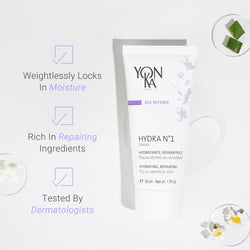
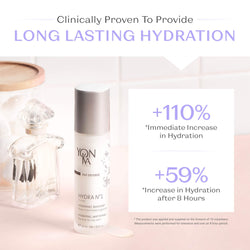
- Skipping Moisturizer: Many people with oily skin think they don't need moisturizer. This is a mistake. Oily skin still needs hydration (water), even if it has plenty of oil. Without a moisturizer like Hydra n°1 Crème, your skin may overproduce oil to compensate for lack of water.
- Using Dirty Tools: If you use a washcloth or a facial brush, ensure it is cleaned and dried thoroughly after every single use to prevent mold and bacteria growth.
For a lightweight option that fits oily skin, browse the face moisturizers collection.
Enhancing Your Routine with Weekly Treatments
Washing your face daily is the baseline, but oily skin often requires a bit more "deep cleaning" once or twice a week.
Gentle Exfoliation
Unlike harsh scrubs that use pits or plastic beads, we recommend a grain-free approach. Gommage Yon-Ka is a botanical "peel" that you apply as a thin layer and then "roll" off with your fingertips. This method is incredibly gentle on the skin's surface but highly effective at removing the dead skin cells that can trap oil and lead to breakouts.
Purifying Masks
A mask designed for oily skin can help draw out impurities that a daily cleanser might miss. Look for masks containing clays like kaolin or bentonite, which act like a vacuum for excess sebum. Using a mask once a week after your evening cleanse is a great way to maintain a clear, matte appearance. If that is the step your skin needs most, explore the face masks collection.
Professional Guidance and the Spa Experience
While at-home care is essential, the professional touch can take your results to the next level. Our heritage is rooted in the treatment room, and our products were originally designed for use by expert estheticians.
If you find that your oily skin is particularly stubborn or if you are dealing with persistent congestion, visiting a professional for a deep-cleansing facial can be transformative. Our professionals use specialized techniques and high-concentration formulas to balance the skin and provide a "reset." You can find a Yon-Ka spa near you and experience the full power of phyto-aromatic therapy.
Conclusion
Mastering how to wash your face if you have oily skin is the first step toward a lifetime of radiant, balanced skin. It is a journey that moves away from aggressive "stripping" and toward a thoughtful, ritualistic approach that honors your skin's biology. By choosing gentle, botanical formulas like those found at Yon-Ka Paris, and practicing mindful techniques like the 60-second massage and lukewarm rinsing, you provide your skin with the environment it needs to thrive.
Remember that skincare is a marathon, not a sprint. Consistency is your greatest ally. Over time, as you support your skin with the right ingredients and rituals, you will likely notice a reduction in the look of excess shine and a more refined, comfortable complexion.
Bottom line: A successful cleansing ritual for oily skin relies on lukewarm water, a 60-second gentle massage with a pH-balanced cleanser, and the immediate application of a botanical mist to restore balance.
If you are still unsure which cleanser or ritual is right for your unique skin profile, we invite you to take our Skin Type Quiz or use our Product Matcher. These tools are designed to provide you with a personalized roadmap to your best skin ever. Our mission remains as it was 70 years ago: to provide high-performance, French-made skincare that respects both the skin and the senses.
FAQ
How many times a day should I wash my face if I have oily skin?
Generally, you should wash your face twice a day—once in the morning and once before bed. Washing more frequently can strip the skin of its natural oils, leading to dehydration and a potential increase in oil production as the skin tries to compensate. If you exercise, a third wash after your workout is acceptable to remove sweat and salt.
Can I use a washcloth to help exfoliate while washing?
While you can use a washcloth, it is important to be extremely gentle and use a fresh, clean cloth every time. For oily skin, we often recommend using your clean fingertips to massage the cleanser, as this prevents over-exfoliation and irritation. If you need deeper exfoliation, it is better to use a dedicated product like Gommage Yon-Ka once or twice a week.
Should I skip moisturizer if my face feels very oily after washing?
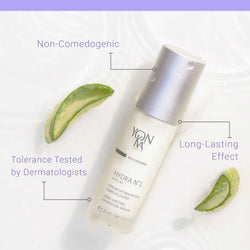
No, you should never skip moisturizer. Oily skin still requires hydration (water content), and skipping this step can cause the skin to produce even more oil to protect itself. Choose a lightweight, non-comedogenic formula like Nude Perfect Fluide or Hydra n°1 Fluide, which provides hydration without a heavy or greasy feel.
Why does my skin feel tight after I wash it, even though it's oily?
A tight sensation after washing usually means your cleanser is too harsh or the water you are using is too hot. This "tightness" is a sign that your skin's protective moisture barrier has been stripped away. To fix this, switch to a sulfate-free cleanser like Gel Nettoyant and ensure you are using lukewarm, not hot, water.