Table of Contents
- Introduction
- The Science of Sebum and the Cleansing Cycle
- Choosing the Right Cleanser for Oily Skin
- Step-by-Step: How to Wash Face Oily Skin
- The Essential Role of the Phyto-Aromatic Mist
- Common Mistakes to Avoid When Washing Oily Skin
- Enhancing Your Ritual with Weekly Deep Cleansing
- Ingredients to Look For in Oily Skincare
- The Morning vs. Evening Cleanse
- The Professional Touch: Beyond at-home Care
- Maintaining Balance Throughout the Day
- Conclusion
- FAQ
Introduction
Finding the right balance for oily skin often feels like a constant battle against midday shine and persistent congestion. Many people mistakenly believe that the key to managing excess oil is to strip the skin entirely, but this often leads to a cycle of dehydration and even more oil production. At Yon-Ka Paris, we believe that cleansing should be a refined ritual that respects the skin’s natural barrier while effectively removing impurities. In this article, we will explore the proper techniques, the best botanical ingredients for oil control, and a step-by-step method for achieving a clear, matte appearance. Understanding how to wash face oily skin is the essential first step in a phyto-aromatic journey toward a healthy, harmonious complexion.
The Science of Sebum and the Cleansing Cycle
To understand how to wash face oily skin, we must first understand what is happening beneath the surface. Sebum is a natural oil produced by the sebaceous glands to lubricate and protect the skin. While it is necessary for maintaining a healthy skin barrier, an overproduction can lead to a greasy texture, enlarged pores, and a higher likelihood of breakouts.
Many people respond to oily skin by using harsh, detergent-based cleansers or hot water, hoping to "degrease" their face. However, the skin is an intelligent organ. When it is aggressively stripped of its natural oils, it senses a state of emergency. To compensate for the perceived dryness, the sebaceous glands may actually increase oil production. This is known as reactive seborrhea.
The goal of a Yon-Ka cleansing ritual is not to eliminate oil entirely but to regulate it. By using gentle, plant-based formulas, we can remove excess sebum and environmental pollutants without triggering the skin's defensive oil response. This approach maintains the integrity of the acid mantle—the thin, protective film on the skin’s surface—ensuring that the face feels refreshed rather than tight or "squeaky" clean.
Choosing the Right Cleanser for Oily Skin
The formula you choose is just as important as the technique you use. For oily skin types, we typically recommend textures that can deeply purify without leaving a heavy residue. If you want a complete starting point, browse our best products for oily skin.
Gel Cleansers are often the gold standard for oily and combination skin. Our Gel Nettoyant is a prime example of this. It utilizes gentle cleansing agents derived from plants to lift away impurities while providing a cooling, refreshing sensation. Formulated with our signature Quintessence—an aromatic blend of lavender, geranium, rosemary, cypress, and thyme—it helps to purify the appearance of the skin while providing a soothing aromatic experience.
Cleansing Waters or Micellar Waters can be excellent for a quick morning cleanse or for removing surface debris before a deeper wash. These are lightweight and do not require heavy rinsing, making them a convenient option for those who want to avoid the potential irritation of hard tap water.
Cleansing Milks may seem counterintuitive for oily skin, but they can be beneficial for those who experience "surface oiliness" alongside "inner dehydration." A product like Lait Nettoyant is pH-balanced and exceptionally gentle, making it a perfect choice if your oily skin also feels sensitive or tight.
Quick Answer: To wash oily skin effectively, use a pH-balanced gel or milk cleanser with lukewarm water twice daily. Avoid harsh sulfates that strip the skin, as these can trigger a "rebound" effect where the skin produces even more oil to compensate for dryness.
Step-by-Step: How to Wash Face Oily Skin
Mastering the art of the cleanse requires more than just a quick splash of water. Following a deliberate process ensures that you are reaching into the pores and preparing the skin for the rest of your ritual.
Step 1: Prep with Clean Hands
Before you touch your face, wash your hands thoroughly. You do not want to transfer bacteria, dirt, or oils from your hands onto your facial skin, which is already prone to congestion.
Step 2: Use Lukewarm Water
Temperature is critical. Hot water can strip the skin and cause capillaries to dilate, leading to redness. Cold water is less effective at breaking down oily residue. Lukewarm water is the perfect middle ground, helping to soften the sebum without causing stress to the skin barrier.
Step 3: Apply and Massage
Apply a nickel-sized amount of Gel Nettoyant or your chosen cleanser to damp skin. Use your fingertips to massage the product in gentle, upward circular motions. Focus on the "T-zone" (forehead, nose, and chin), where oil glands are most active. Spend at least 60 seconds on this step to allow the botanical actives to work.
Step 4: The Rinse
Rinse thoroughly with lukewarm water. Ensure that no cleanser residue is left behind, especially along the hairline and jawline, as leftover product can lead to irritation or clogged pores.
Step 5: Pat Dry
Never rub your face with a towel. Friction can irritate oily skin and potentially spread bacteria. Instead, use a clean, soft towel and gently pat your skin until it is damp, but not bone-dry.
The Essential Role of the Phyto-Aromatic Mist
In the Yon-Ka ritual, cleansing is never truly complete without the application of a toning mist. For those with oily skin, this step is transformative. Our Lotion Yon-Ka PNG (designed for normal to oily skin) is a versatile phyto-aromatic mist that goes beyond the traditional "toner."
It contains the Quintessence at its core, providing immediate purification and a refreshing sensation. By misting the skin immediately after cleansing, you help to rebalance the skin’s pH and prepare it to better absorb the serums and moisturizers that follow. It also helps to refine the appearance of pores and control the look of shine throughout the day.
Key Takeaway: Cleansing is a two-part process for oily skin: first, a gentle wash to remove physical debris, followed by a botanical mist to restore balance and refine the skin's surface.
Common Mistakes to Avoid When Washing Oily Skin
Even with the best products, certain habits can undermine your progress. If you are struggling with persistent shine, check if you are making any of these common mistakes:
- Over-washing: Washing your face more than twice a day (morning and night) can lead to irritation and the rebound oiliness mentioned earlier. If you feel oily mid-day, use a blotting paper or a quick mist of Lotion Yon-Ka instead of a full wash.
- Using Harsh Scrubs: Oily skin is often associated with congestion, leading many to reach for abrasive physical exfoliants. These can create micro-tears in the skin and spread bacteria. A gentler approach, like our grain-free Gommage Yon-Ka, is much safer for maintaining a clear appearance.
- Neglecting the Jawline: Oil and makeup often collect along the jaw and neck. Ensure your cleansing ritual extends down to these areas to prevent localized breakouts.
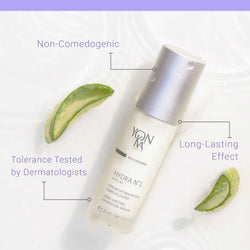
- Skipping Moisturizer: Many people with oily skin avoid moisturizer, fearing it will make them greasier. In reality, skipping this step can leave the skin dehydrated, which triggers more oil production. Look for lightweight, non-comedogenic formulas like Hydra n°1 Fluide or Nude Perfect Fluide.
Enhancing Your Ritual with Weekly Deep Cleansing
While daily washing is the foundation, oily skin benefits greatly from targeted weekly treatments. This is where you can address deeper congestion and refine skin texture more aggressively but still safely. For a broader view of face treatments and masks, explore our face masks collection.
The Power of Botanical Peels
Instead of harsh scrubs, consider a biological exfoliant. Gommage Yon-Ka is a 4-in-1 plant-based peel that uses carob and white nettle to brighten and smooth the appearance of the skin. It is grain-free, meaning it won't irritate active blemishes, and it helps to "lift" dead skin cells that can trap oil in the pores.
Clay Masks for Impurity Extraction
A clay mask is a staple for oily skin. Masque 103 features three types of clay (kaolin, bentonite, and magnesium) to absorb excess sebum and tighten the look of pores. When used once or twice a week after cleansing, it provides a "deep clean" that daily washing cannot achieve alone.
Note: When introducing a new product like a clay mask or an active serum, we recommend a patch test on your inner forearm for 24 hours. Introduce one new formula at a time to see how your skin responds. A slight tingling can be normal with high-quality essential oils, but persistent redness means you should reduce frequency.
Ingredients to Look For in Oily Skincare
When reading labels, look for ingredients that offer "sebo-regulating" benefits—meaning they help manage the appearance of oil without harming the skin. To learn more about the philosophy behind our formulas, visit Our Ingredients.
- Lavender Essential Oil: Known for its purifying and soothing properties, it is a cornerstone of our Quintessence.
- Rosemary: Helps to revitalize the appearance of the skin and provides a deep-cleansing effect.
- Thyme: Offers potent purifying benefits that are ideal for blemish-prone and oily complexions.
- Burdock Root: A traditional botanical used to help balance the look of oily skin.
- Salicylic Acid (BHA): An oil-soluble acid that can penetrate into the pores to help clear out debris. While we prioritize botanicals, some of our targeted treatments utilize these actives for maximum efficacy.
The Morning vs. Evening Cleanse
The way you wash your face should shift slightly depending on the time of day.
In the morning, your goal is to remove the oils and sweat that accumulated while you slept, as well as any residue from your night cream. A single, refreshing wash with Gel Nettoyant followed by Lotion Yon-Ka is usually sufficient. This creates a clean, matte canvas for makeup or sun protection.
In the evening, your cleanse must be more thorough. You are removing makeup, sunscreen, and the day's accumulation of environmental pollutants and smog. This is where a "double cleanse" can be highly effective. Start with a makeup remover or Lait Nettoyant to break down heavy products, followed by your gel cleanser to deep-clean the pores. This ensures that your evening treatments, such as Glyconight 10% Masque, can penetrate effectively while you sleep.
The Professional Touch: Beyond at-home Care
For those who find that at-home cleansing isn't quite enough to manage their oily skin, we recommend a professional extraction and deep-cleansing treatment. Our facial treatments reflect the same spa-rooted expertise behind our at-home rituals.
A professional esthetician can perform a "Le Grand Classique" treatment—a signature Yon-Ka deep-pore cleansing facial. This involves five phases of progressive purification that leave the skin incredibly clear and balanced. You can find a certified partner near you by using our Spa Locator. These professional sessions can jumpstart your results, making your at-home ritual even more effective.
Maintaining Balance Throughout the Day
Once you have mastered how to wash face oily skin, the challenge shifts to maintaining that balance throughout the day. Oily skin often reacts to stress, diet, and environmental humidity.
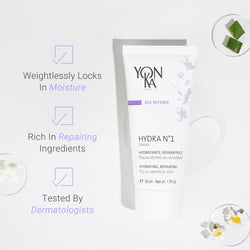
Keeping your skin hydrated is the best defense against midday oiliness. When the skin is well-hydrated with humectants like hyaluronic acid (found in our Hydra N°1 Fluid), it is less likely to overproduce oil. Additionally, using a product like Nude Perfect Fluide can provide a "blurring" effect, minimizing the appearance of pores and controlling shine while offering anti-pollution benefits.
Bottom line: Success with oily skin comes from a consistent ritual that prioritizes gentle purification, botanical balancing, and essential hydration rather than aggressive stripping.
Conclusion
Managing oily skin is not about winning a war against sebum; it is about establishing a harmonious relationship with your skin. By choosing the right phyto-aromatic cleansers and following a disciplined, gentle technique, you can achieve a complexion that looks clear, refined, and glowing without the burden of excess shine.
- Always prioritize lukewarm water to protect your skin barrier.
- Integrate a botanical mist like Lotion Yon-Ka to rebalance pH.
- Don't fear moisture—dehydrated skin is often oily skin in disguise.
- Consistency is your greatest ally in achieving long-term balance.
At Yon-Ka Paris, we remain dedicated to the belief that skincare is a ritual worth savoring. Rooted in 70 years of French phyto-aromatic expertise, our formulas are designed to bring the professional spa experience into your daily life. If you are unsure which products are right for your specific needs, we invite you to take our Skin Diagnosis quiz or use the Product Matcher on our website.
"Skincare is not just a routine; it is a moment of connection between the power of nature and the well-being of the self."
Take the first step toward a balanced complexion by exploring our Essentials collection, and discover the transformative power of a truly refined cleanse.
FAQ
How many times a day should I wash my face if I have oily skin?
You should typically wash your face twice a day—once in the morning and once in the evening. Washing more frequently can strip the skin of essential moisture, which often triggers the sebaceous glands to produce even more oil to compensate. If you feel excessively oily during the day, try using a botanical mist or blotting papers rather than a full wash.
Is hot water better for breaking down oil on the face?
No, you should avoid hot water as it can be too aggressive, stripping away the natural lipids that protect your skin barrier and causing irritation or redness. Lukewarm water is the most effective temperature because it helps soften sebum and rinse away product without causing a reactive increase in oil production.
Should I use a washcloth to scrub my oily skin clean?
It is generally better to use your clean fingertips to massage your cleanser into the skin. Washcloths can sometimes be too abrasive and may harbor bacteria if not laundered after every single use. If you feel you need extra exfoliation, we recommend a grain-free botanical peel like Gommage Yon-Ka once or twice a week instead of physical scrubbing.
Do I really need to moisturize after washing my oily skin?
Yes, moisturizing is a critical step for oily skin. When you wash your face, you remove some of the skin's natural moisture; if you don't replace it, your skin may become dehydrated and produce more oil to protect itself. Choose a lightweight, oil-free, or non-comedogenic moisturizer to keep your skin hydrated and balanced without adding extra shine.