Table of Contents
- Introduction
- Understanding the Causes of a Dry Skin Rash on the Face
- Identifying Symptoms and Sensations
- The Phyto-Aromatic Approach to Soothing Rituals
- Critical Ingredients to Look For (and Avoid)
- Essential Oil Safety and Sensitivity
- Lifestyle Adjustments to Support Healing
- When to See a Professional
- The Role of Internal Hydration
- Conclusion
- FAQ
Introduction
Waking up to a dry skin rash on the face can be a startling experience that affects more than just your reflection. Beyond the physical tightness and itching, a facial rash can impact your confidence and daily comfort. Whether it manifests as localized flaking, rough red patches, or a persistent stinging sensation, your skin is sending a signal that its delicate barrier has been compromised. At Yon-Ka Paris, we believe that treating these moments of sensitivity requires a gentle, phyto-aromatic touch that respects the skin’s natural rhythm rather than fighting against it. This guide will explore the common causes behind facial rashes, how to distinguish between different types of dryness, and the professional-grade botanical rituals you can use to restore a calm, radiant complexion. By understanding the triggers and implementing a structured care routine, you can support your skin’s journey back to balance.
Understanding the Causes of a Dry Skin Rash on the Face
Before you can effectively address a dry skin rash, it is essential to understand what might be triggering the reaction. The skin on the face is significantly thinner and more permeable than the skin on the rest of the body, making it highly susceptible to environmental and chemical stressors.
Contact Dermatitis: The Reactionary Rash
Contact dermatitis is perhaps the most common cause of a sudden dry skin rash on the face. This occurs when the skin reacts to a specific substance it has touched. There are two primary forms: irritant and allergic. Irritant contact dermatitis happens when a harsh ingredient, such as a strong detergent or an aggressive acid, physically damages the outer layer of the skin. Allergic contact dermatitis, however, is an immune response. Your body identifies a normally harmless ingredient—perhaps a synthetic fragrance or a specific preservative—as a threat, triggering inflammation that results in an itchy, dry, and often red rash.
Atopic Dermatitis and Eczema
For many, a dry skin rash is not a one-time event but a chronic concern known as atopic dermatitis, or eczema. This condition is often hereditary and involves a fundamental dysfunction in the skin barrier. When the barrier is leaky, moisture escapes easily, and irritants enter more freely. This creates a cycle of extreme dryness, itching, and inflammation. Eczema rashes on the face often appear on the eyelids, cheeks, or around the mouth, presenting as scaly, thickened patches that may weep if severely irritated.
Environmental Stressors and Winter Rash
Sometimes the offender is simply the world around us. Cold, biting winds and a dramatic drop in humidity during winter months can strip away the skin’s protective lipids. Inside, central heating further parches the air, leaving the face feeling like sandpaper. A winter rash is essentially a state of acute dehydration where the skin becomes so brittle that it develops microscopic cracks, leading to redness and a rough, pebbly texture.
Psoriasis and Seborrheic Dermatitis
While often confused with simple dry skin, psoriasis is an immune-mediated condition that causes skin cells to multiply too quickly. On the face, this can look like raised, red patches covered with silvery scales. Similarly, seborrheic dermatitis—often associated with the scalp—can appear on the oily areas of the face like the eyebrows and the sides of the nose. It often looks like oily, yellowish flakes on a background of red skin, and it requires a specific approach to balance the skin's microbiome.
Quick Answer: Treating a dry skin rash on the face involves identifying the trigger, simplifying your routine to avoid irritants, and using barrier-repairing ingredients like ceramides and botanical oils. If the rash is persistent, painful, or spreading, consulting a dermatologist is the best course of action.
Identifying Symptoms and Sensations
A dry skin rash can look different depending on your skin tone and the underlying cause. Recognizing the specific symptoms can help you choose the right soothing agents and know when it is time to seek professional medical advice.
- Texture Changes: The skin may feel rough, scaly, or even "leathery" to the touch. You might notice visible peeling or small, fine cracks.
- Color Shifts: On lighter skin tones, the rash often appears bright red or pink. On deeper skin tones, the inflammation may look dark brown, purple, or greyish.
- Sensory Triggers: One of the most telling signs of a rash versus simple dryness is the sensation. Itching is a hallmark of dermatitis, while a burning or stinging feeling often indicates a damaged barrier or a reaction to an irritant.
- Tightness: A feeling that the skin is "too small" for the face, especially after cleansing or when moving facial muscles, indicates significant moisture depletion.
Key Takeaway: Not all dryness is a rash. If the skin is merely flaky, it may just be dehydrated; if it is itchy, red, and warm to the touch, it is likely an inflammatory rash requiring a more targeted, soothing approach.
The Phyto-Aromatic Approach to Soothing Rituals
At Yon-Ka, our philosophy centers on the power of plants to heal and protect. When treating a dry skin rash, the goal is to reset the skin by removing potential irritants and replacing them with bio-available nutrients that mimic the skin’s natural composition.
Step 1: Gentle, Barrier-Respecting Cleansing
The most common mistake when dealing with a rash is over-cleansing or using foaming agents that strip the skin. When the barrier is compromised, you need a cleanser that deposits moisture while it lifts away impurities.
Our Lait Nettoyant is a creamy cleansing milk designed for even the most sensitive complexions. It uses the power of borneol—a plant-derived terpene known for its purifying and soothing properties—to cleanse without the need for harsh surfactants. By maintaining the skin’s slightly acidic pH, it ensures the rash is not further aggravated by the cleansing process.
Step 2: The Importance of the Healing Mist
Traditional toners often contain alcohols that can turn a mild dry rash into a painful one. Instead, we advocate for a phyto-aromatic mist that prepares the skin for hydration. Lotion Yon-Ka PS is an alcohol-free healing water infused with our signature Quintessence. This blend of lavender, geranium, rosemary, cypress, and thyme essential oils works to oxygenate and calm the skin, providing immediate sensorial relief to the heat of a rash.
Step 3: Deep Rehydration and Lipid Replenishment
A dry rash is a sign that both water and oil are missing from the skin. To treat the appearance of the rash, you must address both.
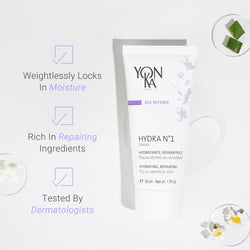
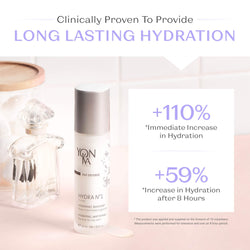
For intense hydration, Hydra n°1 Crème is an essential ally. It contains two forms of hyaluronic acid—a powerful humectant that can hold up to 1,000 times its weight in water—to plump the skin from within. It also includes skin-repairing shea butter and hazelnut oil to smooth the rough texture of the rash.
If the skin is feeling particularly brittle, adding a lipid-rich boost is necessary. Serum Omega is an ultra-nourishing oil-in-serum that provides the essential fatty acids (Omega 3, 6, and 9) that the skin cannot produce on its own. These lipids act like the mortar between the bricks of your skin cells, sealing the gaps where moisture escapes and irritants enter.
Step 4: Targeted Care for the Eyes and Lips
Rashes often migrate to the thinnest areas of the face, such as the eyelids. For these delicate zones, a product like Phyto-Contour can be helpful. While it is famed for its depuffing rosemary extracts, its stimulating properties help to move stagnant fluid that can accumulate under inflammatory rashes, encouraging the skin to return to its healthy state more quickly.
Critical Ingredients to Look For (and Avoid)
When your face is in a reactive state, the ingredient list of your products becomes your roadmap to recovery. Understanding which botanical actives support healing and which synthetic additions cause harm is vital.
Ingredients to Embrace
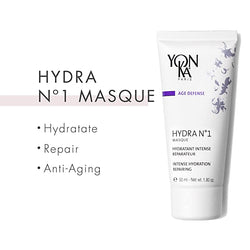
- Hyaluronic Acid: A natural component of the skin that attracts moisture. Look for it in products like Hydra n°1 Masque for a deep, overnight infusion of water.
- Ceramides and Phytosterols: These are the fats that keep the skin barrier intact. They help to glue the skin cells back together.
- Aloe Vera and Vegetable Glycerin: Classic humectants that provide a cooling, soothing effect on contact.
- Quintessence Essential Oils: Our exclusive blend provides more than just a beautiful scent. Lavender is renowned for its skin-repairing qualities, while geranium helps to balance and soothe.
Ingredients to Avoid During a Flare-Up
- Synthetic Fragrance and Dyes: These are among the most common triggers for allergic contact dermatitis.
- Sodium Lauryl Sulfate (SLS): A harsh foaming agent that can further erode a fragile skin barrier.
- High-Strength Acids (AHA/BHA): While great for exfoliation under normal circumstances, glycolic or salicylic acids can be too aggressive for a dry rash. Wait until the skin is fully healed before reintroducing active resurfacing products.
- Physical Scrubs: Avoid any cleansers with grains or beads, as the mechanical friction can create micro-tears in the already inflamed skin.
| Ingredient Type | Action on Dry Rash | Recommended Yon-Ka Source |
|---|---|---|
| Humectants | Draw water into the skin cells | Hydra n°1 Crème |
| Emollients | Smooth and soften the skin surface | Nutri+ Booster |
| Occlusives | Form a protective seal to prevent water loss | Serum Omega |
| Phyto-Actives | Calm inflammation and promote repair | Lotion Yon-Ka |
Essential Oil Safety and Sensitivity
At Yon-Ka, we prioritize the highest quality, pharmaceutical-grade essential oils. However, when your skin is actively inflamed with a rash, even the best ingredients should be introduced with care.
Note: When introducing a new product to a reactive face, always perform a patch test. Apply a small amount of the product to the inner forearm and wait 24 hours to ensure no adverse reaction occurs. We also recommend introducing only one new product at a time so you can accurately monitor your skin’s response.
A slight, brief tingling sensation can be normal when using active botanicals, as they stimulate microcirculation. However, if you experience persistent redness, increased heat, or an intensifying itch, rinse the area with cool water and discontinue use until you can consult with a skincare professional.
Lifestyle Adjustments to Support Healing
Skincare products are only one half of the equation. To truly treat a dry skin rash on the face, you must evaluate your daily habits and environment.
Watch Your Water Temperature
Hot water is a thief of natural oils. When washing your face, always use lukewarm water. It should feel barely warm to the touch. Avoid letting the high-pressure stream of a hot shower hit your face directly, as this can mechanically irritate a rash.
Control Your Environment
If the air in your home is dry, your skin will be too. Use a humidifier in your bedroom at night to keep the air moist. This creates a micro-climate that allows your skin to heal while you sleep, preventing the common morning-after tightness.
Simplify Your Routine
When a rash appears, less is often more. Strip your routine back to the essentials: a gentle cleanse, a soothing mist, and a rich moisturizer. Once the appearance of redness and flaking has subsided, you can slowly begin to reintroduce more active treatments like Vitamin C or resurfacing masks.
Mind Your Fabrics
Ensure your pillowcases are made of natural, breathable fibers like cotton or silk. Avoid harsh laundry detergents with heavy perfumes or dyes, as these can transfer from your bedding to your face and perpetuate the cycle of irritation.
For a deeper look at cleansing habits that can leave skin feeling tight, our Why Does Face Wash Dry My Skin? guide explains how to support the barrier without stripping it.
When to See a Professional
While most cases of a dry skin rash on the face can be managed with a dedicated botanical ritual and lifestyle changes, some conditions require medical intervention. It is important to know the difference between a cosmetic concern and a medical one.
You should consult a physician or a dermatologist if:
- The rash is spreading rapidly or covers a large portion of your face.
- You notice signs of infection, such as yellow crusting, pus, or extreme swelling.
- The rash is painful rather than just itchy or uncomfortable.
- The skin is cracking deeply and bleeding.
- The rash does not improve after two weeks of consistent, gentle care.
For those looking for a professional-grade experience to jumpstart their recovery, a visit to a Yon-Ka partner spa can be transformative. Our trained estheticians can perform deep-hydration treatments that utilize professional-only concentrations of soothing actives. You can find a local expert near you by using our Spa Locator.
The Role of Internal Hydration
Treating a rash from the outside is vital, but we must also consider the inside-out approach. The skin's moisture levels are heavily influenced by your systemic hydration. Aim to drink at least eight glasses of water a day and incorporate foods rich in healthy fats, such as avocados, walnuts, and flaxseeds. These provide the building blocks your body needs to manufacture its own skin-strengthening lipids.
Bottom line: A dry skin rash is a temporary state of imbalance. By combining the pharmaceutical rigor of Yon-Ka formulations with gentle lifestyle habits, you can restore your skin's resilience and return to a state of comfort.
Conclusion
Addressing a dry skin rash on the face is a journey that requires patience, consistency, and a deep respect for your skin's biological needs. By identifying your specific triggers—whether they be environmental, chemical, or hereditary—you can tailor your ritual to provide exactly what your skin is craving. Remember that the goal is not just a quick fix, but a long-term commitment to barrier health.
- Switch to a non-stripping cleanser like Lait Nettoyant.
- Seal in moisture with lipid-rich serums and hyaluronic acid-based creams.
- Protect your environment with humidifiers and gentle fabrics.
- Always listen to your skin and consult a professional for persistent issues.
"The beauty of the skin is a reflection of its inner health. When we treat the skin with the wisdom of nature, we don't just solve a problem; we cultivate a lasting glow."
If you are unsure where to start on your journey to recovery, we invite you to take our Skin Diagnosis quiz or use our Product Matcher tool on our website. These resources are designed to help you discover the perfect botanical partners for your unique skin concerns. Since 1954, Yon-Ka Paris has been dedicated to the art of phyto-aromatic skincare, believing that every woman deserves a ritual that is as effective as it is sensorial. Experience the heritage of French skincare and reclaim the comfort of your skin today.
For more on the ingredients behind the brand, explore Our Ingredients.
FAQ
How long does it take for a dry skin rash on the face to go away?
The healing time for a dry skin rash varies depending on the cause, but with a consistent, gentle routine, you should see the appearance of redness and flaking begin to improve within 3 to 7 days. If the rash was caused by contact dermatitis, it will typically clear up once the trigger is removed; however, chronic conditions like eczema may require ongoing management to prevent future flare-ups. If you want to build a routine around sensitive, reactive skin, our Sensitive Skin & Redness guidance is a helpful next step.
Can I use my regular exfoliator on a dry skin rash?
No, you should avoid all forms of exfoliation, including scrubs and chemical peels, while your skin is experiencing an active rash. Exfoliation removes the top layer of skin cells, which is exactly the protection your face needs while it is trying to heal. Once the rash has completely subsided and the skin feels resilient again, you can slowly reintroduce a gentle, grain-free option like Gommage Yon-Ka.
Is it okay to use makeup over a dry skin rash?
While it is best to let the skin breathe, if you must use makeup, choose products with a cream or oil base rather than powders, which can further dehydrate the area. Ensure your makeup is fragrance-free and non-comedogenic. We recommend using Nude Perfect Fluide as a base, as it provides a blurring effect while still offering skin-perfecting botanical benefits that support the barrier.
Should I use hot or cold water to soothe an itchy rash?
Lukewarm water is the safest choice for cleansing, but if a rash is particularly itchy or feels hot, a cool compress can provide temporary relief. Soak a soft cotton cloth in cool water and gently rest it on the affected area for 5 to 10 minutes. Always follow a cool compress with a rich moisturizer like Hydra n°1 Crème to lock in the moisture while the skin is still slightly damp.
What should I use once my skin feels calmer?
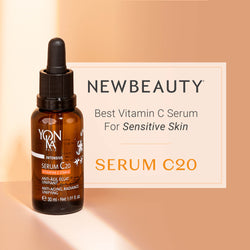
When your skin is ready for more active support, Serum Vitamine C 20% can help with brightness and the look of uneven tone without becoming part of your flare-up routine.