Table of Contents
- Introduction
- Understanding the Roots of Dryness
- The Power of Phyto-Aromatic Care
- Building a Natural Ritual for Dry Skin
- Natural Ingredients to Look For
- Lifestyle Habits That Support Skin Hydration
- The Role of Professional Treatments
- Common Myths About Treating Dry Skin
- Seasonal Adjustments for Your Ritual
- Conclusion
- FAQ
Introduction
Waking up to a face that feels tight, parched, or resembles the texture of fine sandpaper is more than a minor inconvenience; it is a sign that your skin is calling for deep, intentional nourishment. When the complexion loses its supple, radiant glow and begins to show signs of flakiness or irritation, the instinctive response is to find a solution that feels as gentle as it is effective. At Yon-Ka Paris, we believe the most profound transformations happen when we align our skincare with the restorative power of nature.
In this article, we will explore the biological roots of dryness, the difference between skin types and temporary conditions, and how to treat dry skin on your face naturally using botanical science. From the lifestyle shifts that preserve your moisture barrier to the specific plant-based ingredients that offer long-lasting comfort, we will provide a roadmap for restoring your skin’s natural vitality. Achieving a soft, dewy complexion is not about finding a temporary "fix," but about building a consistent, phyto-aromatic ritual that respects your skin’s delicate ecosystem.
Quick Answer: Treating dry skin naturally requires a dual approach of replenishing lost lipids (oils) and attracting water (hydration) back into the skin. This is best achieved by using gentle, pH-balanced cleansers, botanical mists, and nutrient-dense facial oils or creams rich in essential fatty acids and plant extracts.
Understanding the Roots of Dryness
Before selecting the right botanical treatments, it is essential to understand why skin becomes dry in the first place. Dryness, known clinically as xerosis, occurs when the outermost layer of the skin—the stratum corneum—fails to maintain sufficient moisture levels.
This layer is often compared to a brick wall, where the skin cells are the bricks and a complex blend of lipids (fats) acts as the mortar. When this "mortar" is compromised, water escapes through a process called transepidermal water loss (TEWL), and external irritants can more easily penetrate the skin, leading to the appearance of redness and flakiness.
Dry Skin vs. Dehydrated Skin
One of the most common misconceptions in skincare is that "dry" and "dehydrated" are the same thing. However, treating them effectively requires different natural approaches.
- Dry Skin (Skin Type): This is a biological skin type characterized by a lack of oil (sebum). People with this skin type often have small pores and a complexion that feels tight all over. It requires lipid-rich ingredients like plant oils and butters to replenish the missing oil.
- Dehydrated Skin (Skin Condition): This is a temporary state where the skin lacks water. It can happen to any skin type, including oily skin. Dehydrated skin often looks dull, shows fine lines more prominently, and may feel oily and dry at the same time. It requires humectants—ingredients that "grab" water—like hyaluronic acid and aloe vera.
Internal and External Triggers
Several factors can strip the face of its natural moisture. Environmental stressors such as low humidity during winter months or excessive air conditioning in the summer can literally pull moisture out of the skin. Internally, biological factors like aging play a role, as the skin naturally produces fewer lipids as we get older. Diet, hormonal shifts during menopause or pregnancy, and even genetics also dictate how well your skin retains its natural glow. Recognizing these triggers is the first step toward a more mindful, natural approach to healing.
The Power of Phyto-Aromatic Care
Treating dry skin naturally does not mean you have to rely solely on kitchen remedies. While ingredients like honey and avocado have benefits, professional-grade phyto-aromatic skincare takes these botanical concepts and refines them through pharmaceutical-standard science.
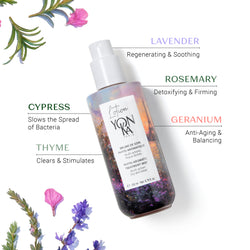
At the heart of our approach is the Quintessence, a signature complex of five essential oils: lavender, geranium, rosemary, cypress, and thyme. This 100% natural and active blend does more than provide a sensorial experience; it helps to balance, revitalize, and support the skin's ability to repair its own barrier. When combined with nourishing plant oils and sea-derived minerals, these ingredients provide a sophisticated way to address dryness without the use of harsh synthetics. To learn more about the philosophy behind these formulas, explore our ingredients page.
Key Takeaway: Effective natural treatment for dry skin must address both the lack of oil (dryness) and the lack of water (dehydration) by using professional botanical formulas that stabilize and deliver active plant extracts deeply into the skin.
Building a Natural Ritual for Dry Skin
Consistency is the cornerstone of any successful skincare journey. Rather than chasing "miracle" ingredients, the goal is to create a layered ritual that protects the skin barrier at every step.
Step 1: Gentle, Barrier-Respecting Cleansing
Many people with dry skin make the mistake of using foaming cleansers that strip away the very lipids the skin is struggling to produce. For a natural approach, look for a creamy, milk-based cleanser.
Lait Nettoyant is an ideal choice for this step. This cleansing milk gently lifts away impurities and makeup while respecting the skin’s hydro-lipid film. When you cleanse, use lukewarm water rather than hot, as high temperatures can melt away the natural oils your skin needs to stay supple.
Step 2: Prepare with a Phyto-Aromatic Mist
After cleansing, the skin is like a dry sponge; it needs to be dampened to properly absorb the nutrients in your serum or moisturizer. Instead of traditional alcohol-based toners, which can be incredibly drying, use a botanical mist.
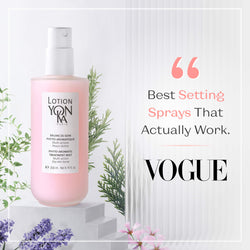
Lotion Yon-Ka PS (designed for dry or sensitive skin) is more than just a toner. It is a phyto-aromatic healing water that douses the skin in our signature Quintessence. This step hydrates the skin and optimizes the effectiveness of every product that follows.
Step 3: Targeted Hydration and Nutrition
When the skin is particularly parched, it needs a "booster" of nutrition. This is where plant oils and serums become essential.
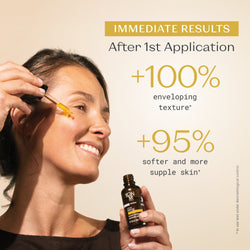
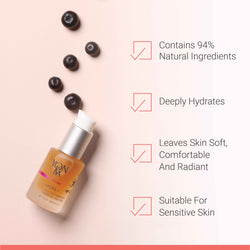
- Serum Omega: For skin that feels rough or looks flaky, an oil-based serum rich in omega fatty acids can help repair the skin barrier. These essential fats (omega 3, 6, and 9) provide the "mortar" your skin needs to stay resilient.
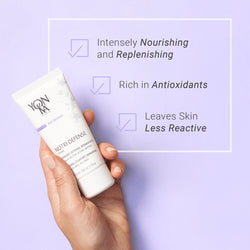
- Nutri+ Booster: This can be added to your moisturizer to provide an extra dose of antioxidants and nourishing oils, helping to revitalize skin that has been dulled by environmental stress.
Step 4: Lock in Moisture
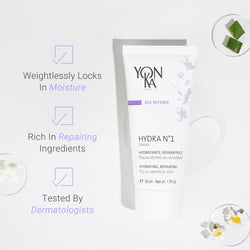
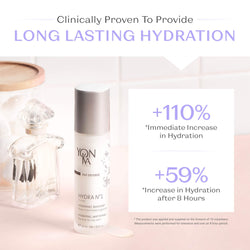
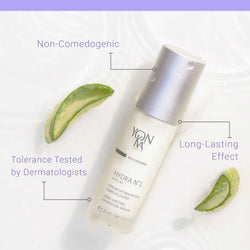
The final step in your natural routine is a high-quality moisturizer that acts as a protective shield. For intense dryness, Hydra N°1 Creme is specifically designed to provide long-lasting hydration. It uses the power of hyaluronic acid—a molecule that can hold up to 1,000 times its weight in water—to plump the appearance of the skin, combined with shea butter to seal that moisture in.
Natural Ingredients to Look For
When reading labels, look for these evidence-based botanical ingredients that are known for their ability to soothe and restore dry complexions:
Hyaluronic Acid (Botanical Origin)
Hyaluronic acid is a humectant naturally found in our skin, but its levels decrease as we age. In natural skincare, it is often derived from fermented wheat or other plant sources. It acts like a moisture magnet, pulling hydration into the skin cells to reduce the appearance of fine lines and "crepey" texture.
Plant-Based Ceramides
Ceramides are lipids that make up a large part of the skin barrier. Using products with plant-derived ceramides helps to fill in the "gaps" in the skin surface, preventing moisture from escaping and protecting against environmental pollutants.
Shea Butter and Vegetable Glycerin
Shea butter is a rich emollient that provides a physical barrier on the skin, making it excellent for preventing "winter itch" and windburn. Vegetable glycerin is another powerful humectant that ensures the skin stays soft and flexible.
Essential Oils for Skin Vitality
While some believe essential oils are only for fragrance, in professional phyto-aromatic care, they serve a functional purpose. For example, Lavender is known for its soothing properties, while Rosemary can help to tone and revitalize the look of tired skin.
Note: When introducing products containing high-quality essential oils, we always recommend a patch test on your inner forearm for 24 hours to ensure compatibility with your unique skin chemistry.
Lifestyle Habits That Support Skin Hydration
Treating dry skin naturally extends beyond the bathroom vanity. Your daily habits play a significant role in how much moisture your skin can retain.
Adjust Your Water Temperature
It is tempting to take a long, steaming hot shower, especially in cold weather. However, hot water is a primary culprit for dry facial skin because it strips away sebum (natural oils). Transitioning to lukewarm water for both showering and face washing can make a dramatic difference in your skin's comfort levels.
Use a Humidifier
The air in modern homes, especially when heated or air-conditioned, is often incredibly dry. By using a humidifier in your bedroom at night, you create an environment where your skin can actually absorb moisture from the air rather than losing it. Aim for a humidity level of around 40-60%.
Support Your Skin from Within
While topical products are vital, your skin is also an organ that reflects your internal health. Consuming a diet rich in healthy fats—such as those found in walnuts, flaxseeds, and avocados—provides the building blocks for a healthy skin barrier. Additionally, staying consistently hydrated by drinking water throughout the day ensures that your body has the resources to keep all its tissues, including the skin, functional.
Choose Skin-Friendly Fabrics
If you have very sensitive, dry skin, even the fabric of your pillowcase or scarf can cause irritation. Natural, breathable fibers like organic cotton or silk are much gentler on the face than synthetic materials or coarse wool, which can cause micro-friction and worsen flakiness.
The Role of Professional Treatments
Sometimes, the skin reaches a level of dryness that requires a professional "reset." This is where the heritage of Yon-Ka Paris as a professional spa brand truly shines. Professional estheticians have access to advanced techniques and highly concentrated formulas that can provide deeper hydration than home care alone.
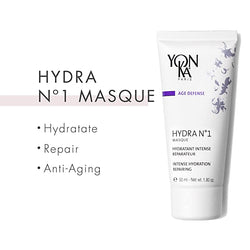
A professional facial, such as our Hydralessence Treatment, focuses on deep pore cleansing and restoration without aggression. For those specifically struggling with extreme dryness, a hydrating treatment using the Hydra n°1 range in a spa setting can intensely replenish the skin's moisture reservoirs. You can find a nearby expert who uses our methods by using our Spa Locator on our website.
Common Myths About Treating Dry Skin
There is a lot of misinformation regarding natural skincare for dry skin. Let's clarify a few common points:
Myth: "Drinking more water will automatically cure my dry skin." Fact: While hydration is essential for overall health, "dry" skin is a lack of oil, not just water. You can drink gallons of water, but if your skin barrier is compromised and lacks lipids, that moisture will simply evaporate. You must address the barrier topically.
Myth: "Oily skin doesn't need moisturizer." Fact: Oily skin can still be dehydrated (lacking water). If you skip moisturizer, your skin may actually produce more oil to compensate for the lack of water, leading to a cycle of breakouts and irritation.
Myth: "Natural oils like coconut oil are the best face moisturizers." Fact: While some natural oils are great, others like coconut oil can be "comedogenic," meaning they may clog pores for certain people. It is often better to use a professionally formulated oil blend like our Serum Omega, which is designed to absorb properly without causing congestion.
Seasonal Adjustments for Your Ritual
Your skin’s needs will change as the seasons shift. In the winter, you may need to transition from a light fluid to a richer cream like Hydra N°1 Creme. In the summer, you might find that a lighter layer, such as Nude Perfect Fluide, provides enough protection while still allowing the skin to breathe in the humidity.
Regardless of the season, never skip the final step of your daytime ritual: protection. Even on cloudy days, UV rays can damage the skin barrier and lead to premature aging and further dryness. Always apply a broad-spectrum sunscreen as your final layer before heading outdoors.
Conclusion
Treating dry skin on the face naturally is a journey of returning to balance. By choosing botanical ingredients that mimic the skin’s own natural composition and adopting a consistent ritual of cleansing, misting, and moisturizing, you can restore a sense of comfort and a healthy glow to your complexion. Skincare is not a chore; it is a daily opportunity to nourish yourself with the essence of nature.
At Yon-Ka Paris, we remain committed to the belief that your skin deserves the highest standard of phyto-aromatic care, rooted in 70 years of French expertise. Whether you are dealing with seasonal flakiness or a lifelong dry skin type, the solution lies in the synergy of plants and science. To explore more skin-supporting formulas, start with our face-care collection and see what fits your ritual best.
- Prioritize lipids: Use plant oils and rich creams to rebuild your barrier.
- Layer hydration: Use a botanical mist like Lotion Yon-Ka before your moisturizer.
- Be gentle: Avoid harsh scrubs and hot water.
- Consult the experts: If you are unsure which products are right for your specific needs, use our Product Matcher or try the Skin Diagnosis quiz.
"The beauty of the skin is a reflection of the harmony between the body, the mind, and nature."
Explore our Hydra n°1 collection to find the perfect natural hydration for your skin.
FAQ
Can I treat dry skin on my face with just water?
No, water alone can actually worsen dryness. When water evaporates from the skin's surface, it can take natural oils with it. It is essential to use a moisturizer or facial oil to "lock" moisture into the skin and prevent it from escaping.
How often should I exfoliate if my skin is dry and flaky?
You should be very gentle with exfoliation if your skin is dry. We recommend a grain-free exfoliator like Gommage Yon-Ka, which uses carob and lime essential oil to gently lift dead skin cells without the friction of a scrub. For more guidance on why it works so well for dry skin, see Which Face Scrub Is Best for Dry Skin? Use it only once or twice a week to avoid irritating the moisture barrier.
Is it normal for my skin to tingle when I use botanical products?
A slight, brief tingling sensation can be normal when using active essential oils, as they are working to stimulate and revitalize the skin. However, if you experience persistent redness, burning, or itching, you should reduce the frequency of use or consult a skincare professional.
Why does my skin feel dry again shortly after applying moisturizer?
This often happens if you are only applying a cream without a humectant layer underneath. Try using a hydrating mist like Lotion Yon-Ka PS first, followed by a serum or booster, and then your moisturizer. This "layering" technique ensures that moisture is both attracted to the skin and sealed inside.
What should I do if my skin needs more than at-home care?
If dryness keeps coming back, a professional facial can help reset the barrier. Consider a spa consultation through our Yon-Ka Paris Spa Locator to find a nearby treatment experience tailored to your skin.