Table of Contents
- Introduction
- Understanding the Roots of Facial Dryness
- The Foundation: Gentle Cleansing
- Prepping with a Phyto-Aromatic Mist
- High-Performance Hydration: Serums and Elixirs
- Locking in Moisture: The Protective Layer
- Weekly At-Home Treatments for Deep Recovery
- Natural Home Remedies: Fact vs. Myth
- The Phyto-Aromatic Difference
- Practical Lifestyle Shifts to Support Your Skin
- Safety and Sensible Practice
- Conclusion
- FAQ
Introduction
The sensation of dry skin is one most of us recognize instantly: a persistent tightness after cleansing, visible flakiness around the nose or chin, and a dullness that seems to resist even the best lighting. When your complexion loses its supple, velvet-like texture, it is often a signal that your skin barrier is struggling to retain its vital moisture and protective lipids. Addressing this at home requires a shift from aggressive "hacks" to a dedicated, restorative ritual.
At Yon-Ka Paris, we believe that treating dry skin is an art rooted in both pharmaceutical rigor and botanical indulgence. This guide will explore how to identify the triggers of dryness, the most effective plant-based ingredients for restoration, and how to build a consistent routine that brings comfort and glow back to your skin. By understanding the science of hydration, you can transform your home care into a professional-grade experience that delivers lasting results.
Quick Answer: Treating dry skin at home involves a multi-step approach centered on barrier repair. This includes using a gentle, non-foaming milk cleanser, applying a phyto-aromatic mist to damp skin, and layering lipid-rich serums with high-performance moisturizers containing hyaluronic acid or ceramides.
Understanding the Roots of Facial Dryness
Before reaching for a moisturizer, it is essential to understand why your skin feels parched. In clinical terms, dry skin is often referred to as xerosis. This condition occurs when the stratum corneum—the outermost layer of the skin—is unable to maintain sufficient water levels or a healthy balance of natural oils.
There is a vital distinction between dry skin and dehydrated skin that every skincare enthusiast should know. Dry skin is a skin type characterized by a lack of oil (lipids). Your skin naturally produces less sebum, which can lead to a rough texture and a lack of elasticity. Dehydrated skin, conversely, is a temporary condition where the skin lacks water. Even oily skin types can become dehydrated due to environmental factors or over-processing.
External Triggers
Environmental factors are frequently the primary culprits for sudden dryness. In the winter, low humidity levels and biting winds strip moisture from the surface. Indoors, central heating and air conditioning act like a vacuum, pulling water out of the epidermis.
- Hot Water: While a steaming shower feels relaxing, hot water can dissolve the protective oils that keep your skin barrier intact.
- Harsh Cleansers: Soaps and foaming washes containing sulfates can disrupt the skin's natural pH, leading to immediate "squeaky clean" tightness that eventually results in irritation.
- Over-Exfoliation: Using physical scrubs or high-percentage acids too frequently can create micro-tears and compromise the barrier's integrity.
Internal and Biological Factors
As we age, our skin's natural production of sebum and hyaluronic acid begins to slow down. After the age of 40, many individuals find that their previously balanced skin begins to feel perpetually dry. Genetics also play a role; some people are simply born with a thinner lipid barrier.
Bottom line: Identifying whether your skin is lacking oil (dry) or water (dehydrated) is the first step in choosing the right corrective products.
The Foundation: Gentle Cleansing
The biggest mistake many people make when treating dry skin at home is using a cleanser that is too aggressive. If your face feels "tight" after washing, your cleanser has likely stripped away the very lipids you are trying to preserve.
Embrace Milk and Cream Cleansers. For dry skin, we recommend moving away from foaming gels and toward a lipid-replenishing formula like Lait Nettoyant. This gentle cleansing milk does more than just remove makeup and impurities; it respects the skin’s acid mantle and maintains a healthy pH balance.
The Proper Technique. When washing your face at home, use lukewarm water—never hot. Apply your cleanser with clean fingertips using gentle, circular motions. Instead of rubbing your face dry with a rough towel, gently pat the skin until it is slightly damp. This "damp skin" state is the ideal window for the next steps in your ritual.
Prepping with a Phyto-Aromatic Mist
In the professional world of Yon-Ka, the transition between cleansing and treating is bridged by a signature mist. This is not just a "toner" to remove residue, but a foundational step in hydration.
Applying a mist like Lotion Yon-Ka PS (specifically formulated for dry skin) serves two purposes. First, it immediately drenches the skin in moisture. Second, it acts as a "carrier," helping the active ingredients in your serums and creams penetrate more deeply.
This mist features our iconic Quintessence—a proprietary blend of lavender, geranium, rosemary, cypress, and thyme essential oils. This 100% natural complex does more than provide a sensorial spa experience; it helps to revitalize the appearance of the skin and provides a calming effect that is essential for dry, irritated complexions.
High-Performance Hydration: Serums and Elixirs
When treating dry skin, a moisturizer alone is sometimes not enough. Serums are concentrated formulas designed to deliver specific active ingredients into the deeper layers of the skin's surface.
Hyaluronic Acid for Water Retention
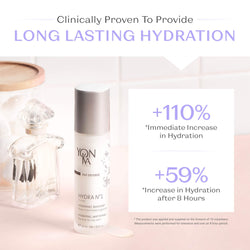
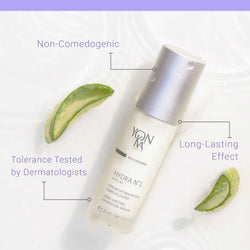
Hyaluronic acid is a humectant, meaning it can hold up to 1,000 times its weight in water. For those experiencing dehydration alongside dryness, a product like Hydra N°1 Serum is indispensable. It uses different molecular weights of hyaluronic acid to provide both surface smoothing and deeper hydration.
Lipid-Restoring Oils
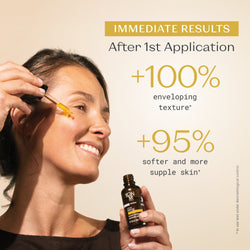
If your skin is truly dry (lacking oil), you need to supplement those missing lipids. Serum Omega is a sophisticated oil-in-serum designed to nourish and repair the appearance of the skin barrier. Formulated with precious botanical oils rich in omega 3, 6, and 9, it helps to restore suppleness and comfort to even the most parched skin.
Note: When introducing a new serum or oil, we recommend a patch test on your inner forearm for 24 hours to ensure compatibility with your skin.
Locking in Moisture: The Protective Layer
The final step in your daily routine is the application of a high-quality moisturizer. Think of this layer as a protective seal that prevents "transepidermal water loss" (TEWL)—the process where moisture evaporates from the skin into the air.
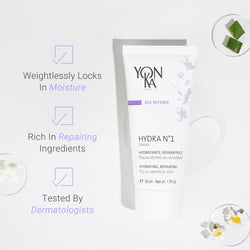
For intense at-home treatment, Hydra N°1 Crème is a powerhouse. It combines long-lasting hydrating agents with repairing ingredients like shea butter and grape seed oil.
The Best Ingredients for Dry Skin
When reading labels, look for these gold-standard ingredients:
- Squalane: A plant-derived lipid that mimics the skin's natural sebum.
- Ceramides: Essential fatty acids that act as the "mortar" between your skin cells to keep the barrier strong.
- Glycerin: A classic, reliable humectant that draws moisture into the skin.
- Aloe Vera: Known for its soothing properties and ability to reduce the look of redness associated with dryness.
| Feature | Dry Skin (Oil Deficient) | Dehydrated Skin (Water Deficient) |
|---|---|---|
| Feel | Rough, itchy, or tight | Tight but can still be oily |
| Look | Flaky, dull, or red | Fine lines, "crepey" texture |
| Pores | Very small, almost invisible | Can be any size |
| Best Ingredient | Botanical oils, ceramides, squalane | Hyaluronic acid, glycerin, aloe |
Weekly At-Home Treatments for Deep Recovery
While a daily routine is vital, a weekly "intensive" treatment can significantly accelerate the recovery of dry skin.
Gentle Exfoliation
It may seem counterintuitive to exfoliate dry skin, but removing dead skin cells is necessary to allow your moisturizers to work effectively. However, avoid harsh physical scrubs. Instead, use a grain-free exfoliator like Gommage Yon-Ka. This professional-grade botanical peel gently removes dulling debris without irritation, leaving the skin smooth and receptive to hydration.
Sleeping Masks
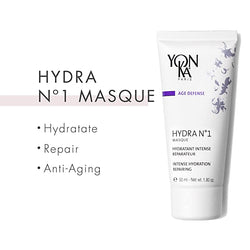
For a "next-level" hydration boost, incorporate a sleeping mask. Hydra N°1 Masque can be applied in a thick layer and left on overnight. This allows the skin to repair itself during its natural nighttime regeneration cycle. You will wake up with skin that looks noticeably more plumped and refreshed.
Natural Home Remedies: Fact vs. Myth
Many search for DIY solutions like olive oil or honey to treat dry skin at home. While some kitchen staples have merit, they should be used with caution and an understanding of skin chemistry.
Myth: "Applying pure olive oil is the best way to moisturize dry skin." Fact: While olive oil contains antioxidants, it is very high in oleic acid, which can actually disrupt the skin barrier in some individuals. It is better to use formulated skincare that balances different fatty acids for optimal barrier health.
Colloidal Oatmeal. One of the few home remedies backed by significant dermatological research is oatmeal. It has unique anti-inflammatory properties that can soothe the "itch-scratch" cycle often associated with extreme dryness.
Honey. Raw honey (especially Manuka) is a natural humectant and has antimicrobial properties. It can be a helpful spot treatment for small patches of irritation, though it lacks the sophisticated delivery systems of professional formulations.
The Phyto-Aromatic Difference
At the heart of our philosophy is the fusion of aromatherapy and phytotherapy. We do not just use plants for their fragrance; we use them for their biological activity. Our signature Quintessence (lavender, geranium, rosemary, cypress, and thyme) serves as the backbone for most of our formulas, providing a holistic approach to skin health.
When you use a Yon-Ka product, you are engaging in a ritual that has been perfected in French laboratories and professional spas for seven decades. This expertise ensures that even the most sensitive, dry skin is treated with the respect and precision it deserves. To learn more about the philosophy behind our blends, explore our ingredients and our formulas.
Practical Lifestyle Shifts to Support Your Skin
Skincare is a 360-degree endeavor. What you do outside of your bathroom also impacts the moisture levels of your face.
- Use a Humidifier. This is especially important during the winter months or if you live in a desert climate. Adding moisture to the air prevents your skin from becoming a source of hydration for the environment.
- Stay Hydrated from Within. While drinking water doesn't directly "moisturize" the skin in the way a cream does, chronic dehydration can make the skin look sallow and less resilient.
- Dietary Lipids. Incorporate healthy fats like avocados, walnuts, and fatty fish into your diet. These provide the building blocks for your skin's natural lipid barrier.
- Protect from the Sun. UV damage degrades the skin barrier over time. Even in winter, a daily SPF is essential to prevent the "weathering" effect that leads to chronic dryness.
Key Takeaway: Treating dry skin is about a consistent, layered ritual that focuses on three pillars: gentle cleansing, deep humectant hydration, and lipid-rich barrier protection.
Safety and Sensible Practice
When dealing with a compromised skin barrier, sensitivity is common. We always suggest introducing one new product at a time so you can monitor your skin's reaction. A slight tingling sensation can be normal when using active botanical ingredients or essential oils, as they are stimulating the skin. However, if you experience persistent redness, burning, or swelling, reduce the frequency of use or discontinue the product.
If your dry skin is accompanied by intense itching, crusting, or bleeding, or if it does not respond to a consistent home care routine, we recommend consulting a physician or a dermatologist. Conditions like eczema, psoriasis, or seborrheic dermatitis often require medical guidance alongside a supportive skincare ritual.
Conclusion
Restoring dry skin to a state of comfort and radiance is a journey that requires patience and the right botanical allies. By moving away from harsh soaps and embracing a layered, lipid-rich ritual, you can effectively treat dryness at home. Remember that your skin is a living organ that responds to consistency and care.
At Yon-Ka Paris, we remain committed to the belief that skincare is a ritual worth savoring. Rooted in our 70-year French heritage, our formulas are designed to provide both visible results and a deep sense of wellbeing. If you are unsure which products are best for your specific needs, we invite you to take our Skin Diagnosis quiz or use our Product Matcher to find your perfect fit. You can also visit our Spa Locator to find a professional treatment near you for an even deeper hydration experience.
"The path to glowing skin begins with a single, mindful ritual. Honor your barrier, and your skin will reflect that health back to the world."
To begin your journey toward hydrated, comfortable skin, explore our Dry and Dehydrated Skin collection today.
FAQ
Is it better to use an oil or a cream for dry skin?
Ideally, you should use both. Oils like Serum Omega provide the essential lipids and fatty acids that dry skin lacks, while creams like Hydra N°1 Crème provide hydration and create a protective barrier to lock that moisture in. Layering the oil under the cream is the most effective way to address both oil and water loss.
Can I treat dry skin on my face with just water?
No, water alone can actually make dry skin worse. When water evaporates from the skin's surface, it can take the skin's natural moisture with it. This is why it is critical to apply a moisturizer or a protective oil while the skin is still damp to "seal" the water into the epidermis.
Why is my skin still dry even though I moisturize every day?
There are several reasons this might happen: you may be using a moisturizer that isn't rich enough in lipids, you may be over-cleansing with harsh products, or you may have a buildup of dead skin cells preventing your moisturizer from absorbing. Try incorporating a gentle, grain-free exfoliant like Gommage Yon-Ka once a week to improve product penetration.
Should I skip washing my face in the morning if it’s dry?
You do not necessarily need to skip it, but you should be very gentle. Many people with very dry skin find that rinsing with lukewarm water and a phyto-aromatic mist like Lotion Yon-Ka PS is sufficient in the morning. However, you should always cleanse thoroughly at night to remove pollutants and debris accumulated throughout the day.