Table of Contents
- Introduction
- Understanding the Root Causes of Scaly Skin
- Dry vs. Dehydrated: Knowing the Difference
- The Role of the Phyto-Aromatic Quintessence
- Essential Ingredients for Repairing Scaly Skin
- Building a Ritual for Scaly Face Skin
- The Importance of Grain-Free Exfoliation
- Nighttime Recovery: The Power of Masks
- Lifestyle Adjustments to Support Your Skin
- When to Seek Professional Expertise
- Advanced Solutions for Mature or Stubborn Dryness
- Sun Protection and the Scaly Skin Connection
- The Yon-Ka Paris Commitment to Phyto-Expertise
- FAQ
Introduction
Waking up to a complexion that feels tight, rough, or visibly flaking can be more than just a cosmetic inconvenience; it often feels like your skin is in a state of constant distress. When the face develops scaly patches, it is a clear signal that the delicate moisture barrier has been compromised, leaving the skin vulnerable to environmental aggressors and dehydration. At Yon-Ka Paris, we believe that restoring harmony to your skin requires a fusion of scientific precision and the healing power of nature. This guide will explore why scaling occurs, how to differentiate between simple dryness and more complex issues, and the specific botanical rituals that can restore a smooth, supple glow. By understanding the underlying needs of your skin, you can transition from temporary "hacks" to a sustainable, high-trust routine.
Understanding the Root Causes of Scaly Skin
The scientific term for the visible peeling or flaking of the skin is desquamation. In a healthy state, your skin naturally sheds dead cells in an invisible, orderly fashion. However, when the skin’s moisture levels or lipid (natural fat) content drop significantly, these cells clump together and flake off prematurely, resulting in a scaly appearance.
Several factors can trigger this disruption. External environmental stressors are the most common culprits. During colder months, low humidity levels both outdoors and indoors (due to central heating) strip moisture from the epidermis, the outermost layer of the skin. Similarly, prolonged sun exposure or contact with harsh chemicals in swimming pools can dissolve the protective oils that keep the skin barrier intact.
Internal biological factors also play a significant role. As we age, the sebaceous glands produce less sebum—the skin's natural oil—which is essential for sealing in hydration. Hormonal shifts during menopause or pregnancy can further alter the skin’s ability to retain water. While most cases of scaly skin are due to simple dryness, persistent scaling accompanied by intense itching or inflammation may indicate conditions like eczema or psoriasis. In these instances, we always recommend consulting a dermatologist to rule out medical concerns.
Dry vs. Dehydrated: Knowing the Difference
Before choosing a treatment, it is vital to understand whether your skin is dry or dehydrated, as they require different solutions. While these terms are often used interchangeably, they represent two distinct skin concerns.
- Dry Skin (Lipid Deficiency): This is a skin type characterized by a lack of oil. If your skin consistently feels rough and looks flaky year-round, you likely have a dry skin type. Your skin lacks the lipids necessary to create a strong "seal" on the surface.
- Dehydrated Skin (Water Deficiency): This is a skin condition caused by a lack of water. Even oily skin can become dehydrated. It often feels tight, looks dull, and may show fine "crinkle" lines when you smile, but it may still produce oil.
Quick Answer: To treat dry scaly skin on the face, focus on a two-pronged approach: replenish water with humectants like hyaluronic acid and seal that moisture in with lipid-rich emollients and plant oils. Avoid hot water and harsh surfactants, which further degrade the skin's protective barrier.
The Role of the Phyto-Aromatic Quintessence
At the heart of our formulation philosophy is the Quintessence, an exclusive complex of five essential oils: lavender, geranium, rosemary, cypress, and thyme. This 100% natural and active blend does more than provide a sensorial spa experience; it serves a functional purpose in treating scaly skin.
For example, lavender and geranium are known for their soothing and balancing properties, which are essential when the skin is irritated and flaky. Rosemary and thyme provide revitalizing benefits that support the appearance of a healthy, vibrant complexion. When these botanical oils are integrated into a routine, they help support the skin’s natural reparative processes.
Note: Because our formulas contain active essential oils, we recommend a simple patch test on the inner forearm for 24 hours when introducing a new product. If you experience persistent redness, reduce the frequency of use.
Essential Ingredients for Repairing Scaly Skin
When scanning the landscape of skincare ingredients, look for those that mimic the skin’s natural composition. The goal is to provide "bio-identical" support that the skin recognizes and can easily utilize.
To learn more about the plant-based foundation behind these formulas, explore our ingredients.
Humectants: The Water Magnets
Hyaluronic acid is perhaps the most famous humectant, capable of holding up to 1,000 times its weight in water. By drawing moisture from the air into the skin, it helps plump the appearance of the epidermis. Glycerin and aloe vera are also excellent humectants that provide immediate relief to tight-feeling skin.
Emollients and Occlusives: The Barrier Builders
While humectants bring water in, emollients fill the gaps between skin cells to smooth out a scaly texture. Ingredients like shea butter, jojoba oil, and squalane (a saturated oil that mimics human sebum) are vital for softening the skin. Ceramides, which are lipids naturally found in the skin barrier, are also crucial for "gluing" the skin cells back into a protective shield.
Building a Ritual for Scaly Face Skin
Treating scaly skin is not about a single miracle product; it is about a consistent, layered ritual that respects the skin’s integrity. We recommend a "barrier-first" approach that avoids aggressive stripping.
Step 1: Gentle, Non-Foaming Cleansing
The biggest mistake many people with scaly skin make is using foaming cleansers that contain SLS (sodium lauryl sulfate). These surfactants can strip away the very lipids your skin is desperately trying to retain.
Instead, opt for a creamy, milk-based cleanser like Lait Nettoyant. This gentle formula removes impurities and makeup while maintaining the skin’s pH balance and moisture levels. Always use lukewarm water—never hot—as high temperatures can further dissolve the skin's natural oils.
Step 2: The Hydrating Mist
After cleansing, do not leave the skin to air dry, as this can lead to "evaporative water loss." Instead, immediately apply a phyto-aromatic mist. Lotion Yon-Ka PS is an essential step. It is alcohol-free and enriched with the Quintessence to prepare the skin for subsequent treatments. This mist helps dampen the skin, which significantly improves the absorption of serums and moisturizers.
Step 3: Targeted Treatment with Serums
A serum is where you deliver the highest concentration of active ingredients. For scaly skin, we recommend alternating between a water-based hydrator and a lipid-replenishing oil.
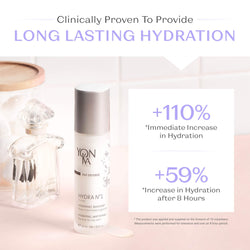
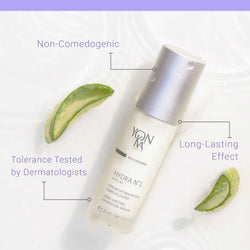
Hydra n°1 Serum is a long-lasting, deep-hydrating serum that uses double-weight hyaluronic acid to reach different layers of the skin's surface. If your skin is extremely dry and peeling, adding a few drops of Serum Omega can be transformative. This "oil-in-serum" is rich in essential fatty acids (Omega 3, 6, and 9) that reinforce the lipid barrier and instantly soothe the feeling of "sandpaper" skin.
Step 4: Sealing it in with Moisture
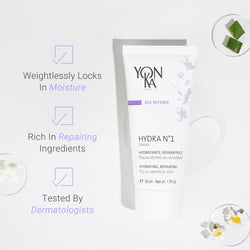
Your moisturizer acts as the final protective "blanket." For those struggling with scales, Hydra n°1 Crème provides an intense moisture boost with shea butter and hazelnut oil. If you have mature skin that is both scaly and showing signs of aging, Excellence Code Crème offers a more robust, multi-corrective approach.
| Product Type | Recommended Yon-Ka Product | Key Benefit for Scaly Skin |
|---|---|---|
| Cleanser | Lait Nettoyant | Gentle milk that protects the lipid barrier. |
| Mist | Lotion Yon-Ka PS | Alcohol-free hydration and preparation. |
| Serum | Hydra n°1 Serum | Intense water replenishment with hyaluronic acid. |
| Oil Booster | Serum Omega | Lipid repair for extremely dry, flaking skin. |
| Moisturizer | Hydra n°1 Crème | Seals in moisture and smooths rough texture. |
For a broader look at hydrating options, you can also browse our face moisturizers.
The Importance of Grain-Free Exfoliation
It is tempting to try and "scrub away" the scales with a gritty physical exfoliant. However, this is often counterproductive. Scaly skin is usually fragile, and harsh scrubs can create micro-tears, leading to more inflammation and even deeper dryness.
The better approach is a gentle, grain-free peel. Gommage Yon-Ka is a botanical, non-abrasive exfoliator that uses carob and lime essential oil to gently lift away dead skin cells without irritation. It acts like a "soft polish," allowing you to remove the visible scales while simultaneously hydrating the skin. Using this once or twice a week ensures that your moisturizers can actually penetrate the skin rather than sitting on top of a layer of dead cells.
Nighttime Recovery: The Power of Masks
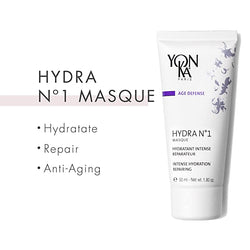
Nighttime is when the skin enters its peak repair mode. You can capitalize on this by using a "sleeping mask" instead of your regular night cream once or twice a week. Hydra n°1 Masque is specifically designed for this purpose.
Apply a generous layer before bed and allow it to sink in. While you sleep, the high concentration of jojoba oil and vitamins A, C, and E work to repair the appearance of damaged tissue. You will wake up with skin that feels noticeably more supple and less prone to flaking during the day.
Lifestyle Adjustments to Support Your Skin
Skincare products are the foundation, but lifestyle habits provide the framework for healthy skin. To prevent the return of scaly patches, consider these environmental adjustments:
- Use a Humidifier: In the winter, indoor heating can drop humidity levels to below 20%. A humidifier in your bedroom helps maintain a more skin-friendly environment (aim for about 50-60% humidity).
- Shorten Your Showers: Limit bathing to 5–10 minutes and use lukewarm water. This prevents the "leaching" of natural moisturizing factors from your skin.
- Damp Application: Always apply your serums and creams to slightly damp skin. This traps the moisture from the water or mist onto the surface of your skin.
- Stay Hydrated from Within: While drinking water doesn't directly "moisturize" the skin in the way a cream does, systemic dehydration can certainly make skin conditions worse. Complement your routine with healthy fats like avocados, walnuts, and flaxseeds, which provide the building blocks for skin lipids.
When to Seek Professional Expertise
If home rituals aren't providing the relief you need, a professional treatment can provide a much-needed "reset." Our professional spa treatments, such as the Hydralessence treatment or the Excellence Code treatment, involve deep-reaching hydration techniques and professional-grade concentrations of plant actives.
Expert estheticians can analyze your skin to determine if your scaling is caused by simple dryness or if there are underlying sensitivities that need a different approach. You can use our Spa Locator to find a certified Yon-Ka professional near you. If you are unsure which products to start with, our online Skin Diagnosis quiz or Product Matcher can provide a personalized roadmap based on your specific concerns.
Advanced Solutions for Mature or Stubborn Dryness
For those in their 40s and beyond, scaly skin is often linked to a significant drop in oil production and a slowing of the skin's natural renewal process. In these cases, a standard moisturizer might not be enough.
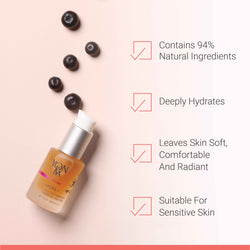
We recommend incorporating targeted boosters into your routine. Nutri+ Booster is a nutrient-dense oil that can be mixed directly into your cream. It features vitamin-rich wheat germ oil to provide deep nourishment to depleted skin. For the appearance of fine lines that often accompany dry, scaly texture, the Age Exception range offers high-performance formulas that address both texture and firmness.
Sun Protection and the Scaly Skin Connection
It is a common myth that sunscreen is only for the beach. UV radiation is a major contributor to barrier degradation. Even on cloudy days, UV rays penetrate the skin, causing oxidative stress that weakens the skin's ability to hold onto moisture.
When treating scaly skin, choose a sunscreen that has a moisturizing base. This ensures you are protecting your skin from further damage while providing a layer of comfort. Look for broad-spectrum protection to shield against both UVA (aging) and UVB (burning) rays.
The Yon-Ka Paris Commitment to Phyto-Expertise
At Yon-Ka Paris, our mission is to bridge the gap between high-performance results and the sensorial ritual of self-care. Founded in 1954, we have spent seven decades perfecting the art of phyto-aromatic skincare. We believe that treating a concern like scaly skin is an opportunity to reconnect with your skin's needs through the power of land and sea plants.
Every formula we create is a testament to our French heritage and our commitment to clean, effective, and professional-grade skincare. Whether you are dealing with seasonal flaking or chronic dryness, our goal is to help you achieve a complexion that feels as healthy as it looks.
Bottom line: Treating dry scaly skin requires moving away from harsh scrubs and toward a layered ritual of gentle cleansing, phyto-aromatic mists, lipid-rich serums, and protective moisturizers.
FAQ
Can I use a scrub to get rid of the flakes on my face?
We advise against using traditional "gritty" scrubs on scaly skin, as they can cause micro-tears and increase inflammation. Instead, use a grain-free, botanical exfoliator like Gommage Yon-Ka once or twice a week to gently lift away dead skin while hydrating the underlying tissue.
Why is my skin still scaly even though I moisturize every day?
You may be applying moisturizer to a layer of dead skin cells that prevents absorption, or your moisturizer may lack the necessary lipids (oils) to seal in the water. Try adding a lipid-rich serum like Serum Omega and ensuring you exfoliate gently with a non-abrasive peel to allow products to penetrate effectively.
Is scaly skin on the face a sign of a medical condition?
While most facial scaling is caused by dryness or environmental factors, persistent scaling accompanied by redness, intense itching, or thick silver scales may indicate eczema or psoriasis. If your skin does not improve with consistent moisturizing or if it becomes painful, you should consult a dermatologist for a professional diagnosis.
Should I use hot or cold water to wash my face?
Neither; you should always use lukewarm water. Hot water strips away the natural oils (lipids) that protect your skin barrier, leading to more scaling, while cold water is less effective at removing daily impurities and can be a shock to sensitive, dry skin.