Table of Contents
- Introduction
- Understanding the Causes of Dry Red Skin
- The Role of the Skin Barrier
- Essential Ingredients for Soothing and Hydrating
- A Targeted Ritual for Dry Red Skin
- Weekly Self-Care: The Power of Masking
- Lifestyle Adjustments for Lasting Results
- The Professional Advantage
- Myth vs. Fact: Dry and Red Skin
- Summary of the Soothing Routine
- Conclusion
- FAQ
Introduction
That tight, pulling sensation that accompanies a sudden flush of redness is more than just a cosmetic concern; it is your skin’s way of asking for help. When your complexion feels rough to the touch and looks perpetually irritated, it often indicates a compromised moisture barrier struggling to defend against the elements. At Yon-Ka Paris, we believe that addressing these concerns requires a blend of professional-grade botanical science and a dedicated, sensorial ritual. This article will explore the underlying causes of facial dryness and sensitivity, the essential ingredients that support a calm appearance, and how a consistent phyto-aromatic routine can transform the look and feel of your skin. By understanding how to treat dry red skin on face through gentle care and targeted hydration, you can restore the radiant, comfortable glow you deserve.
Understanding the Causes of Dry Red Skin
Before you can effectively address the appearance of redness and flakiness, it is vital to understand why your skin is reacting this way. Dryness (xerosis) occurs when the skin lacks sufficient lipids to trap moisture, while redness is often a sign of inflammation or sensitivity triggered by that very lack of protection.
Environmental Stressors
The world around us is often the primary culprit. Low humidity during the winter months, combined with indoor heating, strips the air of moisture, which in turn draws water out of your skin. Conversely, excessive sun exposure during the summer can damage the skin’s surface, leading to a parched and flushed look. Windburn is another common factor, where the physical friction of cold air disrupts the delicate outer layer of the face.
Over-Cleansing and Harsh Ingredients
Many people inadvertently cause their own dryness by using products that are too aggressive. Foaming cleansers containing sulfates (like SLS) can strip away the natural oils that keep your skin supple. Similarly, over-using chemical exfoliants or physical scrubs can create micro-tears and irritation, leading to a persistent red cast. If your skin feels "squeaky clean" after washing, it is actually a sign that you have removed too much protection. A gentle first cleanse with Lait Nettoyant is a better fit for skin that feels stripped.
Biological and Lifestyle Factors
As we age, our skin naturally produces less sebum, the oil that acts as a built-in moisturizer. This makes the skin thinner and more prone to showing signs of irritation. Diet also plays a role; a lack of essential fatty acids or dehydration from caffeine and alcohol can manifest as a dull, tight complexion. In some cases, persistent dry red patches may be linked to underlying conditions like eczema or rosacea. While skincare can help manage the appearance of these concerns, we always recommend consulting a dermatologist for a formal diagnosis.
The Role of the Skin Barrier
To understand how to treat dry red skin on face, you must first understand the "stratum corneum"—the skin’s outermost layer. Think of this barrier as a brick wall. The skin cells are the bricks, and the lipids (fats) are the mortar holding them together.
When the mortar is strong, moisture stays inside, and irritants like pollution or bacteria stay out. When the mortar is cracked due to dryness, moisture evaporates (a process called Transepidermal Water Loss, or TEWL), and external triggers can easily penetrate the skin, causing the look of redness and discomfort.
Our approach at Yon-Ka focuses on reinforcing this "mortar" using plant-based lipids and humectants. By repairing the appearance of the barrier, we help the skin regain its natural ability to self-regulate and stay calm. Learn more about our brand story and the phyto-aromatic philosophy behind the line.
Essential Ingredients for Soothing and Hydrating
When selecting products to address dryness and redness, the ingredient list is your most powerful tool. You want to look for components that mimic the skin’s natural structure or provide immediate physiological relief.
Hyaluronic Acid: The Moisture Magnet
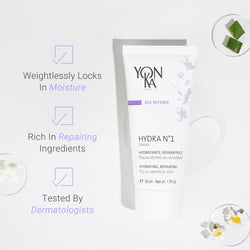
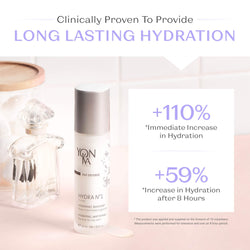
Hyaluronic acid is a humectant, meaning it can hold up to 1,000 times its weight in water. In our formulas, such as Hydra n°1 Crème, we use various molecular weights of hyaluronic acid. High molecular weight stays on the surface to smooth and plump the look of the skin, while lower molecular weights penetrate deeper to provide long-lasting hydration.
Phytosterols and Essential Fatty Acids
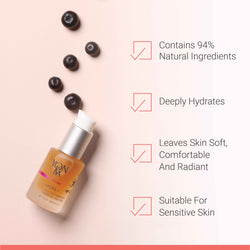
Ingredients like shea butter, grape seed oil, and hazelnut oil are rich in essential fatty acids. These are the "mortar" components we mentioned earlier. They help to replenish the skin's lipid supply, making the surface feel soft and flexible again. For a deeper look at how oil-based care supports fragile skin, see Serum Omega, our nourishing oil-in-serum designed for comfort.
The Power of the Quintessence
At the heart of our brand is the Quintessence, an exclusive complex of five essential oils: lavender, geranium, rosemary, cypress, and thyme. This 100% natural complex does more than just provide a beautiful aroma. It is carefully balanced to revitalize the appearance of the skin. Lavender and geranium are particularly noted for their ability to soothe the look of redness, while rosemary and thyme support the skin’s natural vitality.
Note: When introducing products with high concentrations of essential oils, we always recommend a patch test. Apply a small amount to your inner forearm and wait 24 hours to ensure your skin welcomes the botanical actives.
A Targeted Ritual for Dry Red Skin
A "hack" or a one-time treatment will rarely solve chronic dryness. Instead, we advocate for a layered, consistent ritual that respects the skin’s delicate nature.
Step 1: Gentle Cleansing
The goal of cleansing dry red skin is to remove impurities without disturbing the lipid barrier. Avoid hot water, which can further dilate blood vessels and increase redness. Instead, use lukewarm water and a milky, non-foaming cleanser like Lait Nettoyant. This botanical cleansing milk cleanses while leaving a light protective veil on the skin.
Step 2: Phyto-Aromatic Mist
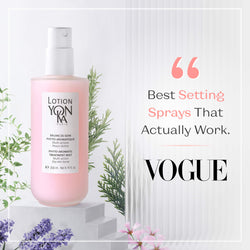
Traditional toners often contain alcohol, which is the last thing dry skin needs. Our signature Lotion Yon-Ka PS (for dry skin) is an alcohol-free mist infused with the Quintessence. It rehydrates the skin immediately after cleansing and prepares it to better absorb the serums and moisturizers that follow. This step is essential for "opening" the skin to receive the benefits of the ritual.
Step 3: Targeted Treatment
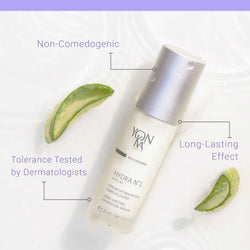
When skin is red and dry, it needs a concentrated boost of nutrients. A serum should be applied while the skin is still slightly damp from your mist. For intense dehydration, Hydra N°1 Serum provides a non-oily, fast-absorbing dose of hyaluronic acid. If the skin is feeling particularly thin or fragile, adding a few drops of a lipid-rich booster like Serum Omega to your cream can provide the extra "cushion" your skin is craving.
Step 4: Moisture and Protection
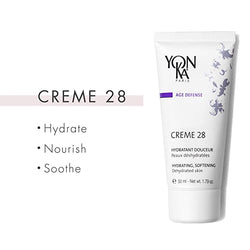
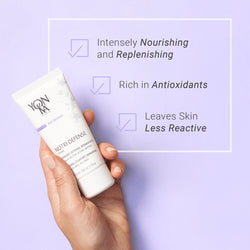
Seal everything in with a high-quality moisturizer. For skin prone to redness, Sensitive Crème is formulated specifically to help the complexion appear more even and less reactive. It uses prebiotics and probiotics to support the skin's natural microbiome. During the day, never skip sun protection. UV rays are a major trigger for redness, so ensure your final step includes a broad-spectrum shield.
Weekly Self-Care: The Power of Masking
Sometimes, your daily routine needs an extra boost, especially during seasonal changes or after travel. A weekly mask is the professional's secret to maintaining a supple complexion.
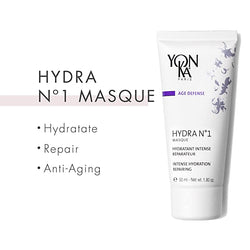
Hydra n°1 Masque is a cult favorite for a reason. It is an intense repair treatment that can be applied in a thick layer for 10–20 minutes, or even left on overnight as a "sleeping mask" for extremely parched skin. By allowing the skin to soak in these active botanicals over an extended period, you can significantly reduce the appearance of flakiness and tightness.
Quick Answer: To treat dry red skin on the face, focus on repairing the skin barrier with gentle, sulfate-free cleansers and lipid-rich moisturizers. Avoid hot water and harsh exfoliants, and incorporate soothing botanical ingredients like hyaluronic acid and lavender to calm the look of irritation.
Lifestyle Adjustments for Lasting Results
What you do outside of the bathroom mirror is just as important as the products you apply. To keep the look of redness at bay, consider these environmental and lifestyle shifts:
- Use a Humidifier: Especially in the bedroom at night. Maintaining an indoor humidity level of around 50% prevents the air from "stealing" moisture from your face while you sleep.
- Watch the Water Temperature: We all love a hot shower, but your face does not. Keep the water lukewarm and try to keep your face out of the direct spray of a high-pressure showerhead.
- Dietary Hydration: While drinking water isn't a direct "cure" for dry skin, staying hydrated supports your body’s overall ability to function. Incorporate healthy fats like avocado, walnuts, and flaxseeds to support your skin’s lipid production from the inside out.
- Fabric Choices: If your skin is highly sensitive, be mindful of what touches your face. Choose silk or high-thread-count cotton pillowcases, and use fragrance-free laundry detergents to avoid contact irritation.
The Professional Advantage
While home care is the foundation of healthy skin, there is no substitute for the expertise of a professional. Yon-Ka was born in the treatment room, and our products are trusted by over 7,000 skincare professionals worldwide. A professional facial can provide deep exfoliation that is safe for sensitive skin, along with intensive hydration that penetrates more effectively than home applications. Explore the benefits of Hydra Yon-Ka for a treatment-led approach to hydration.
If you find that your dry red skin is not responding to your current routine, use our Spa Locator to find a certified professional who can perform a detailed skin analysis. They can tailor a treatment plan specifically for your skin’s unique needs and recommend a personalized product selection.
Myth vs. Fact: Dry and Red Skin
Myth: "Oils are bad for red, sensitive skin because they clog pores." Fact: Pure, high-quality botanical oils (like those found in Serum Omega) are essential for repairing a dry skin barrier. They provide the necessary lipids that help the skin look calm and healthy without causing congestion when formulated correctly.
Myth: "Exfoliation will make my dry skin worse." Fact: While harsh scrubs are a no-go, gentle exfoliation is necessary to remove dead skin cells that prevent your moisturizer from absorbing. A grain-free exfoliator like Gommage Yon-Ka uses carob and lime essential oil to clarify the appearance of the skin without any abrasive friction. For a deeper dive, read the Product Spotlight on Gommage Yon-Ka.
Summary of the Soothing Routine
Managing dry, red skin is about moving away from "quick fixes" and toward a respectful, botanical-based ritual.
| Step | Goal | Recommended Product |
|---|---|---|
| Cleanse | Remove impurities without stripping | Lait Nettoyant |
| Tone | Rehydrate and prep | Lotion Yon-Ka PS |
| Treat | Deep hydration or lipid repair | Hydra n°1 Serum or Serum Omega |
| Moisturize | Calm and protect the barrier | Sensitive Crème or Hydra n°1 Crème |
| Weekly Boost | Intensive repair | Hydra n°1 Masque |
Conclusion
Finding the right way to treat dry red skin on face is a journey of patience and botanical discovery. By prioritizing your skin's barrier and choosing formulas that honor the synergy of nature and science, you can move from a state of discomfort to one of lasting radiance. Our 70 years of phyto-aromatic expertise have taught us that when you treat your skin with the respect it deserves, it responds with a healthy, vibrant glow.
Whether you are just starting your skincare journey or looking to refine your existing routine, we invite you to explore our targeted collections. If you are unsure which products are right for your specific needs, our Skin Diagnosis quiz is an excellent place to start. For those who prefer a personalized touch, our Product Matcher can help you build the perfect ritual for your unique complexion.
At Yon-Ka Paris, our mission remains the same as it was in 1954: to provide professional-grade, French-made skincare that turns your daily routine into a moment of pure wellness. Your skin is your greatest protector; let us help you protect it in return. If you want to browse more options, start with our face care collection.
FAQ
Why is my face dry and red even though I use moisturizer?
It is possible your moisturizer lacks the specific ingredients needed to repair your barrier, such as essential fatty acids or humectants. Additionally, if you are using a harsh cleanser or very hot water, you may be stripping away the moisture as fast as you can apply it.
Can I use Vitamin C if I have dry, red skin?
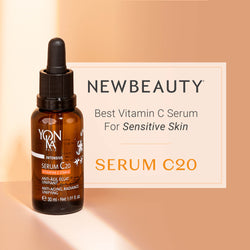
Yes, but you must choose a stable, non-irritating form. Our Serum C20 uses a stable Vitamin C derivative that is designed to be gentle while providing brightening benefits, but we recommend introducing it slowly once your skin barrier feels more resilient.
How long does it take for dry red skin to improve?
While products like Lotion Yon-Ka provide immediate relief, significant improvements in the skin's barrier and the appearance of redness typically take 2 to 4 weeks of consistent use. This allows for the natural cycle of skin cell renewal to take place.
Is dry skin the same as dehydrated skin?
Not quite. Dry skin is a skin type that lacks oil (lipids), while dehydrated skin is a temporary condition where the skin lacks water. Both can lead to a red, irritated appearance, and both benefit from the layered hydration of the Yon-Ka ritual.