Table of Contents
- Introduction
- Understanding the Root Causes of Dry Facial Patches
- Identifying the Difference Between Dry and Dehydrated Skin
- The Yon-Ka Phyto-Aromatic Approach
- The Importance of Gentle, Grainless Exfoliation
- Essential Ingredients for Hydration and Repair
- Building a Ritual for Dry Patches
- Target Treatments for Stubborn Dryness
- Lifestyle Adjustments for Healthier Skin
- The Professional Advantage
- Conclusion
- FAQ
Introduction
Waking up to find rough, flaky, or tight patches on your face can be a frustrating interruption to your morning. Whether it is the result of a harsh winter wind, a change in your environment, or simply the natural evolution of your skin, these dry spots often feel like an unwelcome barrier to the radiant, smooth complexion you deserve. Understanding how to treat dry patches of skin on face requires a move away from quick fixes and toward a restorative, botanical-led ritual. At Yon-Ka Paris, we believe that skin health is rooted in balance and the therapeutic power of nature. This article explores the common causes of facial dryness, the essential ingredients that support a healthy barrier, and a step-by-step approach to regaining a supple, glowing appearance. By aligning professional French skincare expertise with consistent home care, you can transform the look and feel of your skin.
Understanding the Root Causes of Dry Facial Patches
To effectively address dry patches, we must first understand why they appear. The skin’s outermost layer, the stratum corneum, acts as a protective shield. When this barrier is compromised, moisture escapes (a process known as transepidermal water loss) and external irritants can more easily penetrate the skin. This leads to the rough, scaly texture we recognize as dry patches.
Environmental Triggers
The environment is often the primary culprit. Low humidity levels during winter, combined with indoor heating, strip the air—and your skin—of essential moisture. Conversely, excessive sun exposure during summer can damage the skin barrier, leading to localized peeling and dryness. Even windburn can disrupt the delicate lipid balance on the cheeks and forehead.
Age and Biological Changes
As we age, our skin naturally produces less sebum, the oil that keeps our complexion lubricated and protected. Additionally, the rate of cellular turnover slows down. When dead skin cells are not shed efficiently, they can accumulate in clusters, creating a visible "patchy" appearance that feels sandpaper-like to the touch.
Harsh Cleansing Habits
Many people inadvertently cause dry patches by using products that are too aggressive. High-pH soaps, foaming cleansers with harsh sulfates, and alcohol-based toners can "strip" the skin of its natural oils. Over-washing or using water that is too hot further dissolves the protective lipids, leaving the face vulnerable to dehydration and irritation. A gentle first step is a creamy cleanser like Lait Nettoyant, especially when your skin feels tight or easily irritated.
Genetic and Health Factors
For some, dryness is a genetic predisposition. If your skin naturally produces fewer lipids, you may be more prone to chronic dry spots. In other cases, persistent or painful patches may be related to conditions like eczema, psoriasis, or rosacea. If you experience bleeding, intense itching, or if the patches do not respond to over-the-counter care, we recommend consulting a dermatologist or physician to rule out a medical condition.
Quick Answer: Treating dry patches involves a two-pronged approach: gently removing dead skin buildup through grainless exfoliation and deeply replenishing moisture with humectants like hyaluronic acid and emollients like plant oils. Consistency in a barrier-respecting ritual is key to restoring a smooth appearance.
Identifying the Difference Between Dry and Dehydrated Skin
It is a common misconception that "dry" and "dehydrated" mean the same thing. However, treating them correctly requires knowing which one you are facing.
Dry skin is a skin type characterized by a lack of oil (lipids). It often feels rough all over and may be prone to premature aging or sensitivity. Dehydrated skin is a temporary condition characterized by a lack of water. Even oily skin types can become dehydrated, leading to "crepey" fine lines and localized dry patches that seem to sit on top of an otherwise shiny complexion.
| Feature | Dry Skin (Oil-Deficient) | Dehydrated Skin (Water-Deficient) |
|---|---|---|
| Feel | Consistently tight, rough | Tight but can still be oily |
| Look | Flaky, dull, small pores | Dull, "crepey" lines, visible patches |
| Cause | Genetics, aging, low sebum | Weather, diet, caffeine, harsh products |
| Solution | Lipid-rich oils and creams | Hyaluronic acid and water-binding mists |
The Yon-Ka Phyto-Aromatic Approach
Our philosophy is centered on the fusion of four plant sciences: aromatherapy, phytotherapy, aromachology, and marine biology. At the heart of nearly all our formulas is the Quintessence. This exclusive complex of five essential oils—lavender, geranium, rosemary, cypress, and thyme—works synergistically to balance and revitalize the skin.
When treating dry patches, the Quintessence provides a multi-sensorial experience that calms the mind while the active botanicals support the skin's natural repair processes. Lavender soothes the appearance of redness, while rosemary and thyme offer purifying benefits. If you want to learn more about this approach, explore our brand story and our ingredients. This holistic approach ensures that treating a specific concern like dryness also contributes to overall skin wellness.
The Importance of Gentle, Grainless Exfoliation
When you see flakes, the instinct is often to scrub them away. However, mechanical scrubs with jagged beads or pits can create micro-tears in an already fragile skin barrier, worsening the dry patches.
Gommage Yon-Ka is our professional-grade, grain-free exfoliator designed for even the most sensitive skin. It uses botanical enzymes and carob to gently lift dead skin cells without friction.
How to Use Gommage Yon-Ka for Dry Patches
- Step 1: Apply a thick layer to the face and neck after cleansing.
- Step 2: Let it sit for 1 to 2 minutes.
- Step 3: Use your fingertips to gently "roll" the product off. This mechanical action, combined with the botanical enzymes, clears away the "sandpaper" texture without irritation.
- Step 4: Follow immediately with a hydrating mist.
Key Takeaway: Never use aggressive physical scrubs on dry patches. Choose a grainless, enzyme-based exfoliator to smooth the skin surface while maintaining the integrity of the moisture barrier.
Essential Ingredients for Hydration and Repair
When selecting products to treat dry patches, look for these key ingredients that either draw moisture into the skin or seal it in.
Hyaluronic Acid
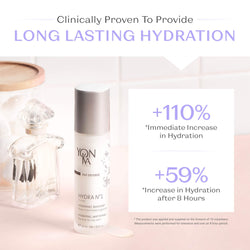
This powerful humectant can hold up to 1,000 times its weight in water. It acts like a sponge, pulling moisture from the air into the deeper layers of the epidermis. Our Hydra n°1 range heavily features hyaluronic acid in varying molecular weights to provide both immediate surface smoothing and long-term hydration.
Vegetable Oils and Butters
Ingredients like shea butter, hazelnut oil, and grape seed oil provide the essential fatty acids (lipids) that dry skin lacks. These emollients smooth the gaps between skin cells, creating a soft, flexible surface.
Vitamin C and Antioxidants
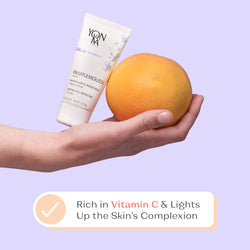
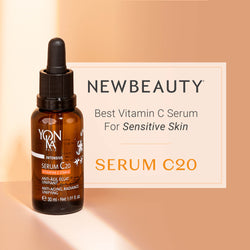
Dry patches can often look dull or discolored. Stable Vitamin C, such as that found in Serum Vitamine C 20%, can help brighten the appearance of the skin and support natural collagen, which keeps the skin looking plump and resilient.
Essential Oil Cautions
Because our formulas contain active essential oils, we always recommend a simple patch test for those with highly reactive skin. Apply a small amount of a new product to your inner forearm and wait 24 hours. A slight, brief tingling sensation can be a normal sign of the essential oils "working," but persistent redness or heat means you should reduce frequency or discontinue use.
Building a Ritual for Dry Patches
Treating dry patches is not about a single miracle product; it is about a consistent, layered ritual that respects the skin's physiology.
The Morning Ritual: Protect and Hydrate
The goal of the morning is to shield the skin from environmental stressors while providing a smooth base for makeup or sunscreen.
- Cleanse: Use a gentle, milky cleanser like Lait Nettoyant. This formula removes impurities without stripping away precious oils.
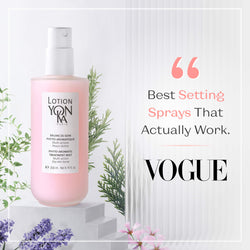
- Mist: Saturate the skin with Lotion Yon-Ka PS. This alcohol-free mist is infused with the Quintessence and is specifically formulated for dry skin. It hydrates and prepares the skin to absorb your serum.
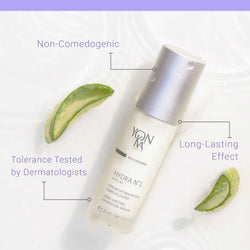
- Treat: Apply a targeted serum. For intense dehydration, Hydra n°1 Serum is a non-greasy choice that deeply replenishes water.
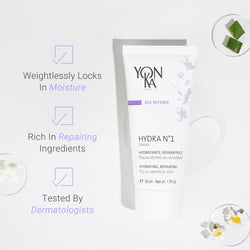
- Moisturize: Follow with Hydra n°1 Crème. This cream provides long-lasting comfort and a protective veil against the elements.
- Protect: Always finish with a broad-spectrum sunscreen to prevent UV-induced barrier damage.
The Evening Ritual: Nourish and Repair
Nighttime is when the skin focuses on recovery. This is the best time to use richer, lipid-restoring formulas.
- Double Cleanse: Ensure all makeup and pollutants are removed with Lait Nettoyant.
- Mist: Use Lotion Yon-Ka PS to rebalance the skin.
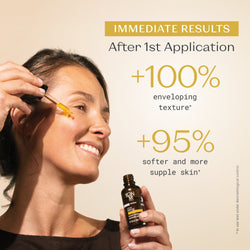
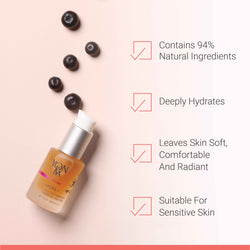
- Intensive Boost: For extra-dry patches, add a few drops of Nutri+ Booster to your nighttime cream. This oil-based booster is rich in wheat germ oil and vitamins E and F.
- Moisturize: Apply Serum Omega or a rich cream like Time Resist Nuit to support the skin's natural repair cycle while you sleep.
Target Treatments for Stubborn Dryness
If specific areas like the cheeks or around the nose remain flaky, a mask can provide an intensive "infusion" of moisture.
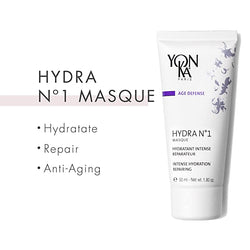
Hydra n°1 Masque is a savior for dry, damaged skin. It is designed to be used once or twice a week, but for severely dry patches, it can be applied in a thin layer and left on overnight. This allows the active botanicals to work deeply over several hours, ensuring you wake up with a significantly softer, more hydrated complexion.
For those concerned with the first signs of aging alongside dryness, Élastine Nuit helps to smooth the appearance of fine lines while providing the nourishment necessary to prevent future dry patches.
Lifestyle Adjustments for Healthier Skin
Skincare is only one part of the equation. To truly treat dry patches of skin on face, you must also look at your lifestyle and surroundings.
Optimize Your Environment
- Use a Humidifier: Especially in the winter, a humidifier adds moisture back into the air, preventing your skin from drying out while you sleep.
- Lower the Temperature: Long, hot showers might feel good, but they are devastating for dry skin. Use lukewarm water for both your body and face.
- Wear Protective Clothing: When it is windy or freezing outside, use a scarf to protect your face from direct contact with harsh air.
Dietary and Internal Hydration
- Hydrate from Within: While drinking water doesn't directly "moisturize" the surface of your skin, chronic dehydration can lead to a duller, less resilient complexion.
- Healthy Fats: Incorporate foods rich in Omega-3 fatty acids, such as salmon, walnuts, and flaxseeds. These help maintain the structural integrity of your cell membranes.
- Supplements: Consult your physician about taking vitamin E or evening primrose oil supplements, which are often recommended for supporting skin barrier health.
The Professional Advantage
While home care is essential, professional treatments can offer a deeper level of restoration. Yon-Ka was born in the treatment room, and our professional estheticians are trained to analyze your skin and provide customized "Grand Classique" or "Hydralessence" facials. These treatments utilize professional-only concentrations of botanicals and specific massage techniques to intensely rehydrate and revitalize the skin. You can find a local partner by using our Spa Locator on our website.
For a personalized recommendation at home, take our Skin Diagnosis quiz or use the Product Matcher to help you identify exactly which formulas from our Age Defense or Age Correction ranges will best suit your unique needs.
Conclusion
Treating dry patches of skin on face is a journey of patience and botanical care. By understanding the causes—from environmental stressors to the natural aging process—and responding with a ritual focused on gentle exfoliation and deep hydration, you can restore your skin's natural vitality. Remember that your skin is a living organ that responds best to consistent, nurturing habits rather than aggressive interventions.
At Yon-Ka Paris, our 70-year legacy is built on the belief that skincare is a ritual worth savoring. By harnessing the power of the Quintessence and the finest land and sea botanicals, we provide the tools to help your skin feel as good as it looks.
"True beauty is found in the balance of nature and science, where every drop of essential oil serves a purpose in the sanctuary of your skin."
To begin your journey toward a more hydrated, radiant complexion, we invite you to explore our Hydra n°1 collection or take our Skin Diagnosis quiz to find your perfect match.
FAQ
What is the fastest way to get rid of dry patches on my face?
The fastest way to improve the appearance of dry patches is to gently exfoliate with a grain-free product like Gommage Yon-Ka to remove surface flakes, followed by an intensive hydrating mask like Hydra n°1 Masque. Using a hyaluronic acid serum and sealing it with a rich moisturizer will immediately smooth the skin's texture.
Why does my face have dry patches even though I moisturize?
Dry patches can persist if you aren't exfoliating, as the moisturizer may just be sitting on top of dead skin cells. Additionally, you may be using a moisturizer that lacks the necessary lipids to repair your skin barrier, or your environment (like a very dry office or bedroom) may be causing constant moisture loss.
Can I use Vitamin C on dry skin patches?
Yes, you can use Vitamin C, but it is best to use a stabilized, non-acidic form that is blended with hydrating ingredients. Our Serum Vitamine C 20% is designed to brighten the appearance of the skin while remaining comfortable, but you should always follow it with a nourishing moisturizer to protect the skin barrier.
Is it okay to use face oils on dry patches?
Absolutely. Face oils are excellent for dry patches because they provide the lipids that the skin barrier needs to stay sealed. For the best results, apply a face oil like Serum Omega or our Nutri+ Booster over a water-based serum or mist to "lock in" the hydration and prevent it from evaporating.