Table of Contents
- Introduction
- Understanding the Causes of Facial Dryness and Itching
- The Importance of a Barrier-Respecting Ritual
- Step 1: Gentle Cleansing Without Depletion
- Step 2: The Power of Phyto-Aromatic Mists
- Step 3: Targeted Treatment with Humectants and Lipids
- Step 4: Moisturizing and Protecting the Barrier
- Lifestyle Adjustments for Lasting Relief
- When to Consult a Professional
- Conclusion
- FAQ
Introduction
Waking up to a face that feels tight, looks flaky, and possesses an unrelenting itch can be more than just a cosmetic nuisance; it is a signal from your skin that its protective barrier is under duress. This common concern, often referred to in professional circles as xerosis, occurs when the skin’s outermost layer loses its ability to retain moisture and essential lipids. At Yon-Ka Paris, we believe that addressing these symptoms requires a shift from "quick fixes" to a consistent, phyto-aromatic ritual that respects the skin’s delicate ecology and reflects our ingredients.
In this article, we will explore the underlying causes of facial dryness and itching, identify the botanical ingredients that offer the most profound relief, and outline a professional-grade routine to restore your complexion’s comfort and radiance. By understanding the science of hydration and the power of plant-based therapy, you can transform a reactive struggle into a proactive journey toward skin health.
Understanding the Causes of Facial Dryness and Itching
The sensation of dry, itchy skin is almost always linked to a compromised skin barrier. Your skin’s barrier, or the stratum corneum, acts as a shield that keeps moisture in and environmental irritants out. When this shield is weakened, "micro-cracks" develop, allowing water to evaporate—a process known as Transepidermal Water Loss (TEWL)—while simultaneously letting in pollutants and allergens that trigger the itch-scratch cycle.
Several factors can contribute to this depletion. Environmental stressors are the most frequent culprits. During winter, low humidity levels and biting winds strip the skin of its natural oils. Indoors, central heating further parches the air, creating a relentless cycle of dehydration. Conversely, excessive sun exposure during summer can damage the skin’s structure, leading to a rough, leathery texture that struggles to hold onto water.
Lifestyle habits and biological changes also play significant roles. As we age, our sebaceous glands become less active, producing fewer of the natural oils (sebum) that keep skin supple. Hormonal shifts during pregnancy or menopause can further disrupt this balance. Additionally, the very rituals meant to clean our skin—such as long, hot showers or the use of harsh, alkaline soaps—can inadvertently dissolve the vital lipids that make up our protective barrier.
Quick Answer: To treat dry itchy skin on the face, you must replenish both water and oil through a consistent routine of gentle cleansing, humectant-rich serums (like hyaluronic acid), and lipid-restoring moisturizers. Avoiding hot water and using a humidifier can further support the skin's barrier recovery.
The Importance of a Barrier-Respecting Ritual
Effective skincare is not about a single miracle product; it is about the synergy of a layered ritual. When dealing with an itchy, dry face, the goal is to soothe inflammation while reinforcing the moisture barrier. At Yon-Ka, our approach is rooted in "phytotherapy"—the use of plant extracts—and "aromatherapy," which uses essential oils to provide both physical and sensorial benefits, as explained in our brand story.
Our signature Quintessence is at the heart of this philosophy. This unique complex of five essential oils—lavender, geranium, rosemary, cypress, and thyme—works in harmony to balance, revitalize, and soothe the skin. For those experiencing itching, the calming properties of lavender and the purifying nature of thyme are particularly beneficial.
Note: When introducing products containing essential oils, we recommend performing a patch test on your inner forearm for 24 hours. Introduce one new formula at a time to ensure your skin responds favorably. A slight, brief tingling sensation can be normal, but persistent redness indicates you should reduce frequency or consult a professional.
Step 1: Gentle Cleansing Without Depletion
The first mistake many make when treating an itchy face is using a cleanser that is too aggressive. Traditional foaming cleansers often contain surfactants like SLS (Sodium Lauryl Sulfate) that strip away the skin’s acid mantle. This leaves the skin feeling "squeaky clean" but physically vulnerable and significantly drier.
Instead, look for a "cleansing milk" or a soap-free formula that removes impurities while depositing moisture. Lait Nettoyant is our premier recommendation for dry and sensitive types. This creamy milk gently lifts away makeup and pollution without disrupting the skin’s pH. It transforms the necessary task of cleansing into a soothing experience, leaving the skin feeling velvety rather than tight.
Application Tip: Use lukewarm water only. Hot water is a vasodilator that can increase redness and strip essential lipids. Pat your skin dry with a soft, clean towel—never rub, as the mechanical friction can exacerbate itching and inflammation.
Step 2: The Power of Phyto-Aromatic Mists
In a professional Yon-Ka ritual, the toner is not an optional step; it is a vital hydration delivery system. Most commercial toners are alcohol-based and intended to "shrink" pores, which is the last thing dry, itchy skin needs. A true phyto-aromatic mist, however, prepares the skin to absorb the concentrated ingredients in your serums and creams.
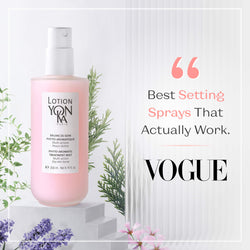
Lotion Yon-Ka PS is specifically formulated for dry skin and infused with our signature Quintessence. It provides an immediate burst of hydration and a cooling sensation that can help take the "edge" off of a persistent itch. By misting the face before applying a moisturizer, you trap that additional moisture against the skin, significantly increasing the efficacy of your routine.
Step 3: Targeted Treatment with Humectants and Lipids
To truly resolve dryness, you must address both a lack of water (dehydration) and a lack of oil (dryness). This is where targeted serums and boosters become essential.
The Role of Hyaluronic Acid
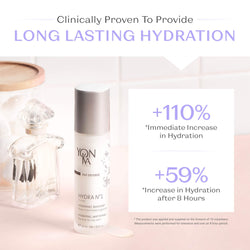
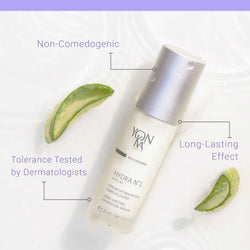
Hyaluronic acid is a humectant, meaning it acts like a sponge that can hold up to 1,000 times its weight in water. It pulls moisture from the air into the deeper layers of the epidermis. Hydra N°1 Serum uses hyaluronic acid alongside aloe vera and vegetable glycerin to provide long-lasting hydration. This helps "plump" the appearance of the skin, smoothing out the fine lines that often accompany extreme dryness.
The Power of Lipids and Boosters
If your skin is itchy and flaky, humectants alone may not be enough. You also need emollients and occlusives to seal that water in. Serum Omega is a lipid-restoring oil-in-serum designed specifically for skin that feels fragile or "hollowed out" by dryness. Rich in Omegas 3, 6, and 9, it helps rebuild the intercellular cement that holds skin cells together.
For an extra layer of comfort, you can customize your moisturizer with a "booster." Our routine guide can help you decide whether your skin needs more hydration, nourishment, or repair before you layer on richer care.
Step 4: Moisturizing and Protecting the Barrier
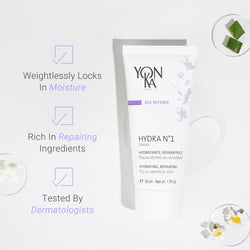
A moisturizer acts as the final "seal" in your skincare ritual. For daily wear, a cream should provide a barrier against the elements while remaining breathable. Hydra N°1 Crème is an intensive repair cream that works beautifully for dry, itchy faces. It combines hyaluronic acid with shea butter and hazelnut oil to offer a dual-action approach: it hydrates while reinforcing the lipid layer.
Nighttime is the most critical window for recovery. During sleep, the skin’s temperature rises slightly, and its permeability increases. This is the perfect time to use a richer formula like a deeply replenishing night cream or to add an overnight mask when your skin feels especially parched.
| Condition | Recommended Product Type | Key Benefit |
|---|---|---|
| Tight & Dehydrated | Humectant Serum (Hydra n°1 Serum) | Deeply binds water to the skin. |
| Itchy & Flaky | Lipid-Rich Oil (Serum Omega) | Rebuilds the protective barrier. |
| Rough Texture | Gentle Exfoliator (Gommage Yon-Ka) | Removes dead cells without irritation. |
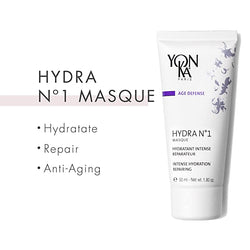
| Extreme Irritation | Soothing Mask (Hydra N°1 Masque) | Provides immediate "SOS" relief. |
Lifestyle Adjustments for Lasting Relief
Skincare products work best when supported by a skin-healthy lifestyle. Treating dry, itchy skin on the face requires a holistic approach that extends beyond the bathroom mirror.
- Manage the Air Quality: Use a cool-mist humidifier in your bedroom. This adds moisture back into the air, preventing the "overnight parch" that often leads to morning itching.
- Watch the Water Temperature: While a hot shower feels relaxing, it is a primary cause of facial dryness. Keep water at a lukewarm temperature and limit your face’s exposure to the stream.
- Hydrate from Within: While drinking water doesn't directly moisturize the skin surface, systemic dehydration can make skin conditions worse. Complement your water intake with healthy fats—think walnuts, flaxseeds, and avocados—to support your skin’s lipid production.
- Soft Fabrics: Ensure your pillowcases are made of natural, breathable fibers like silk or high-thread-count cotton. Synthetic fabrics can create friction that irritates sensitive, dry skin.
- Fragrance-Free Laundry: Use a gentle, fragrance-free detergent for your linens. Residual scents on your pillowcase can often be a hidden trigger for facial itching.
When to Consult a Professional
While most cases of dry, itchy skin can be managed with a proper ritual, some conditions require medical intervention. If your skin is persistently red, inflamed, or shows signs of weeping or crusting, you may be experiencing a condition like atopic dermatitis (eczema), psoriasis, or rosacea.
We recommend consulting a dermatologist if:
- The itching interferes with your ability to sleep or go about your daily life.
- The skin appears infected (pus, extreme heat, or spreading redness).
- Your skin does not improve after two weeks of a consistent, gentle moisturizing ritual.
- You notice sudden changes in skin pigmentation or texture that do not resolve.
For those looking for a "next-level" boost in hydration, a professional spa treatment can offer deeper results than home care alone. Our licensed estheticians use specialized techniques and high-concentration professional formulas to reset the skin’s moisture levels. You can find a certified partner near you using our Spa Locator.
Conclusion
Treating dry, itchy skin on the face is a journey that requires patience, the right botanical ingredients, and a commitment to a daily ritual. By moving away from harsh chemicals and embracing the restorative power of phyto-aromatic care, you can help your skin regain its natural balance and resilience.
Key Takeaway: The secret to ending the cycle of dry, itchy skin lies in the balance of humectants to hydrate and lipids to protect. A gentle, layered approach—cleaning without stripping and moisturizing with intent—is the most effective path to a comfortable, glowing complexion.
If you are unsure which products are best for your unique skin concerns, we invite you to take our Skin Quiz or use our Product Matcher. At Yon-Ka Paris, our 70-year legacy in professional skincare is dedicated to the belief that every person deserves a skincare ritual that is as effective as it is sensorial. For more routine ideas, explore our article on how to fix dry skin on face fast.
FAQ
What is the fastest way to get rid of dry itchy skin on my face?
The fastest relief comes from applying a rich, soothing mask like Hydra N°1 Masque to damp skin and leaving it on overnight. This provides an intensive dose of hydration and lipids that calms the sensation of itching almost immediately. Following this with a humidifier in your bedroom will help maintain that moisture through the morning.
Can I exfoliate if my face is dry and itchy?
You should avoid harsh scrubs with physical grains, which can cause micro-tears in an already weakened barrier. However, a gentle, grain-free exfoliator like Gommage Yon-Ka can be beneficial; it uses plant enzymes to remove flaky skin without the need for abrasive rubbing. Always follow exfoliation with a hydrating serum and a rich moisturizer.
Why does my face itch even after I moisturize?
If your face continues to itch, you may be applying a moisturizer that only contains humectants (like hyaluronic acid) without enough "occlusives" (like oils or waxes) to seal that moisture in. In dry environments, humectants can actually pull moisture out of your skin if there isn't a barrier to stop it. Try adding a lipid-rich serum like Serum Omega to lock the hydration in place.
Is dry itchy skin a sign of aging?
As we age, our skin naturally produces less sebum and its ability to hold onto moisture decreases, which can lead to a dryer, more easily irritated texture. While it is a common part of the aging process, a dedicated ritual involving barrier-repairing ingredients and antioxidant protection can help maintain a youthful, supple appearance.