Table of Contents
- Introduction
- Understanding the Roots of Dry Facial Skin
- The Power of Botanical Oils for Lipid Repair
- Natural Humectants: Drawing Moisture In
- Refining Your Cleansing Ritual
- The Role of Gentle Exfoliation
- Environmental and Lifestyle Adjustments
- The Yon-Ka Paris Phyto-Aromatic Approach
- When to Seek Professional Guidance
- Conclusion
- FAQ
Introduction
The sensation of dry facial skin is often more than just a cosmetic concern; it is a physical experience of tightness, dullness, and occasionally, irritation. When the skin’s natural moisture barrier is compromised, it loses the ability to retain water and essential lipids, leaving it feeling vulnerable to the elements. You might notice a rough texture, fine lines that appear more pronounced, or a lack of that healthy, vibrant glow. Treating these concerns doesn’t always require harsh chemicals or clinical interventions. At Yon-Ka Paris, we believe that the most effective way to restore comfort is to work in harmony with the skin’s biology using botanical science. This article explores how to treat dry face skin naturally by leveraging plant-based oils, humectants, and mindful lifestyle rituals to return your complexion to a state of soft, supple balance.
Quick Answer: Treating dry face skin naturally involves replenishing lost lipids with botanical oils like sunflower or jojoba, using natural humectants like honey or aloe vera to bind moisture, and adopting a gentle, barrier-respecting cleansing ritual. Consistently applying these treatments to damp skin helps lock in hydration and repair the protective moisture barrier.
Understanding the Roots of Dry Facial Skin
Before addressing how to treat dryness, it is essential to distinguish between "dry" skin and "dehydrated" skin. While they may feel similar, they require different natural approaches. Dry skin is a skin type that lacks oil (lipids), whereas dehydrated skin is a temporary condition where the skin lacks water.
The technical term for chronically dry skin is xerosis. This occurs when the stratum corneum—the outermost layer of the skin—fails to maintain adequate moisture levels. This can be caused by various factors, including genetics, aging, and environmental stressors like cold winter air or low humidity. As we age, our skin’s production of sebum (natural oil) naturally declines, which is why many individuals notice increased dryness after the age of 40.
Environmental exposure also plays a significant role. Cold winds can strip away the protective surface oils, while indoor heating systems create a parched atmosphere that draws moisture out of the cells through a process called transepidermal water loss (TEWL). By understanding that the skin is essentially thirsty for both oil and water, we can build a more effective natural treatment plan.
The Power of Botanical Oils for Lipid Repair
One of the most effective ways to treat dry face skin naturally is through the application of plant-derived oils. These oils are rich in essential fatty acids that mimic the skin’s natural sebum, allowing them to integrate seamlessly into the moisture barrier.
Sunflower Seed Oil
Sunflower seed oil is a powerhouse for dry skin because it is exceptionally high in linoleic acid. Research suggests that linoleic acid helps to protect and improve the skin barrier, enhancing hydration without causing irritation. Unlike some heavier oils, sunflower oil is non-comedogenic, meaning it is unlikely to clog pores. It can be used as a gentle massage oil before cleansing or applied in small amounts to particularly dry patches to soothe roughness.
Jojoba Oil
Jojoba oil is unique because its chemical structure is remarkably similar to human sebum. This makes it an ideal natural remedy for those with a damaged barrier. It contains vitamins A and D and offers natural anti-inflammatory properties. For those experiencing dry skin alongside sensitivity, jojoba provides a comforting layer of protection that helps the skin feel more elastic and resilient.
Avocado and Omega-Rich Oils
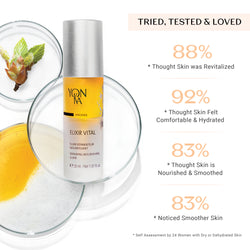
Avocado oil is a deeply nourishing option for severely dry or mature skin. It is rich in oleic acid and vitamin E, which help to soften the appearance of fine lines and provide a dense layer of moisture. At Yon-Ka, we often utilize these types of nutrient-dense lipids in products like Serum Omega, which is designed to provide the skin with the essential fatty acids it needs to repair itself.
Key Takeaway: Botanical oils like sunflower and jojoba are not just "grease"; they are biocompatible lipids that help seal the skin barrier and prevent water from escaping, which is the foundation of treating dryness.
Natural Humectants: Drawing Moisture In
While oils seal moisture in, humectants are ingredients that draw moisture from the environment—or from deeper layers of the skin—into the surface cells. Combining these two elements is the secret to a successful natural skincare ritual.
The Benefits of Honey
Honey is a celebrated natural humectant that has been used in skincare for centuries. It is an emollient, meaning it softens the skin, and a humectant, meaning it helps the skin retain moisture. Honey also contains vitamins and minerals that support skin health. To use it naturally at home, you can apply medical-grade honey as a spot treatment on dry patches or mix it into a DIY mask. It leaves the skin feeling incredibly soft and can help soothe minor irritations associated with dryness.
Aloe Vera and Hyaluronic Acid
Aloe vera is well-known for its cooling effect on sunburns, but its moisturizing properties are equally impressive. It contains mucopolysaccharides, which help bind moisture into the skin. Similarly, hyaluronic acid—a substance found naturally in our bodies—acts like a sponge, holding up to 1,000 times its weight in water.
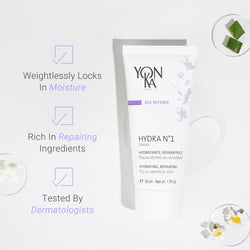
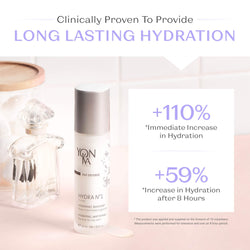
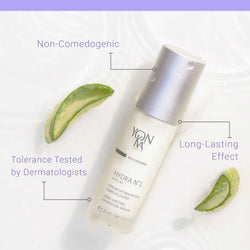
In our Hydra N°1 Crème range, we prioritize high-quality vegetable glycerin and hyaluronic acid to provide intense, multi-level hydration. Using an aloe-based gel or a serum rich in these natural humectants before your oil or cream ensures that the skin is fully "quenched" before being sealed.
Refining Your Cleansing Ritual
A common mistake when trying to treat dry face skin is using the wrong cleansing method. Many traditional soaps and foaming cleansers contain sulfates (like SLS) that strip away the skin's protective acid mantle. This leads to a "squeaky clean" feeling that is actually a sign of a compromised barrier.
To treat dry skin naturally, switch to a cream or milk-based cleanser. These formulations remove impurities while leaving the skin’s lipids intact. Our Lait Nettoyant is a classic example of this approach. It is a gentle cleansing milk that respects the skin's balance, ensuring that your face feels soft and hydrated even before you apply your moisturizer.
Steps for a Barrier-Respecting Cleanse:
- Step 1: Use lukewarm water. Hot water dissolves the skin’s natural oils far too quickly. Lukewarm water is much gentler on dry, sensitive complexions.
- Step 2: Apply cleanser with fingertips. Avoid using abrasive washcloths or scrub brushes, which can create micro-tears in dry skin.
- Step 3: Pat dry. Never rub your face with a towel. Gently blot the skin, leaving it slightly damp to enhance the absorption of your next products.
The Role of Gentle Exfoliation
It may seem counterintuitive to exfoliate dry skin, but it is a necessary step. Dry skin often leads to a buildup of dead skin cells on the surface, which can prevent your natural oils and moisturizers from penetrating effectively. However, the key is "gentle."
Avoid harsh physical scrubs with large grains or nut shells, as these can be too abrasive for dry facial skin. Instead, look for enzyme-based exfoliants or grainless peels. Gommage Yon-Ka is a unique, botanical, grain-free exfoliator that uses citrus extracts and carob to gently lift away dead skin. This allows the fresh, healthy skin underneath to breathe and better absorb the hydrating treatments you apply afterward.
Environmental and Lifestyle Adjustments
Skincare is not just about what you apply topically; it is also about the environment you create for your skin to thrive in.
Use a Humidifier
During the winter months, indoor heating strips the air of moisture. Using a humidifier in your bedroom at night can significantly reduce the amount of water your skin loses while you sleep. Aim for a humidity level of around 60% to help your skin maintain its natural suppleness.
Hydrate from Within
While drinking water won't "fix" dry skin on its own, chronic dehydration can certainly make a dry complexion look worse. Consuming plenty of fluids and eating a diet rich in healthy fats—such as those found in walnuts, flaxseeds, and fatty fish—supports the skin's lipid production from the inside out.
Protect Against the Elements
Wind and sun are two of the biggest natural contributors to dryness. Always wear a broad-spectrum sunscreen, even on cloudy days, as UV rays can damage the skin barrier over time. In cold or windy weather, consider using a richer protective cream like Vital Defense Mist, which acts as a shield against environmental pollutants and harsh conditions.
The Yon-Ka Paris Phyto-Aromatic Approach
At Yon-Ka Paris, our heritage is rooted in the belief that the plant world offers the most effective solutions for skin health. Our signature "Quintessence" is a blend of five essential oils—lavender, geranium, rosemary, cypress, and thyme—that serves as the foundation of our formulas. This aromatic complex doesn't just provide a sensorial experience; it helps to balance and revitalize the skin's appearance.
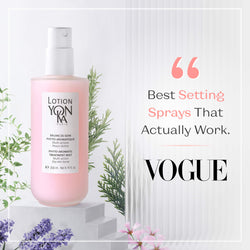
For those looking to treat dry face skin naturally, our ritual-based approach emphasizes layering moisture. We often suggest beginning with a mist of Lotion Yon-Ka PS. This phyto-aromatic mist prepares the skin, ensuring that subsequent treatments like Hydra N°1 Crème or Serum Omega are absorbed more efficiently. This method reflects our professional spa expertise, where every step is designed to maximize the efficacy of botanical actives.
Note: When introducing new botanical products or essential oils into your routine, it is a sensible practice to perform a patch test on your inner forearm for 24 hours. While a slight, fleeting tingle can be a normal sign of active botanicals at work, any persistent redness means you should consult a professional or reduce the frequency of use.
When to Seek Professional Guidance
While most cases of dry facial skin can be managed with natural remedies and a consistent ritual, some situations require a more specialized approach. If your skin is persistently red, weeping, or bleeding, or if the dryness is so itchy that it interferes with your sleep, it is time to consult a dermatologist or a physician. These could be signs of underlying conditions like eczema or psoriasis that may require medical intervention.
For deep, professional-level hydration, visiting a Yon-Ka partner spa can offer a transformative experience. Our trained aestheticians use professional-grade formulations and specialized techniques to infuse the skin with moisture far more deeply than can be achieved at home. You can find a nearby professional using our Spa Locator on our website.
Conclusion
Treating dry face skin naturally is a journey of restoration and respect for your skin’s biological needs. By replacing harsh cleansers with gentle milks, replenishing lipids with botanical oils, and drawing in water with natural humectants like aloe and honey, you can transform a parched complexion into one that feels comfortable and radiant. Remember that consistency is your greatest ally; a dedicated morning and evening ritual will yield far better results than any one-time treatment.
Yon-Ka Paris remains committed to the art of phyto-aromatic skincare, blending 70 years of French expertise with the purest botanical extracts. We believe that caring for your skin should be a ritual worth savoring—an opportunity to reconnect with yourself through the power of plants.
- Prioritize gentle, non-foaming cleansers.
- Layer humectants under oils to lock in moisture.
- Exfoliate gently and without grains to clear the way for hydration.
- Adjust your environment with a humidifier and sun protection.
"Skincare is not just a routine; it is a ritual of self-care that begins with the wisdom of nature."
If you are unsure which botanical solutions are right for your specific skin needs, we invite you to take our Skin Diagnosis quiz or use our Product Matcher to find your perfect ritual.
FAQ
What is the best natural oil for a dry face?
Sunflower seed oil and jojoba oil are among the best choices because they are high in essential fatty acids and closely mimic the skin's natural oils. Sunflower oil is particularly rich in linoleic acid, which helps repair the skin barrier, while jojoba is very shelf-stable and non-comedogenic, making it safe for most skin types. For a richer option within a complete moisture ritual, explore our face moisturizers.
Can I treat dry skin naturally if I have acne?
Yes, but you must choose your natural remedies carefully. Avoid heavy, comedogenic oils like coconut oil or olive oil, which can clog pores. Instead, look for lightweight, linoleic-rich oils like sunflower or hemp seed oil, and focus on hydration with oil-free humectants like aloe vera and hyaluronic acid. If breakouts are part of the picture, our best-selling essentials are a practical place to compare options.
How often should I exfoliate dry skin?
For dry facial skin, it is best to exfoliate once or twice a week using a very gentle, grain-free method. Over-exfoliating can further damage the moisture barrier, so always follow your exfoliation step with a deeply hydrating serum or cream to replenish the skin immediately. You can also review our face masks for weekly treatment support.
Why does my face feel dry even after I moisturize?
This often happens if you are applying moisturizer to completely dry skin or if your skin lacks the lipids needed to "seal" in the moisture. Try applying your products while your skin is still slightly damp from a mist or cleansing, and ensure you are using a product that contains both humectants to draw water in and emollients to lock it down. For more guidance, read our dry skin ritual guide.