Table of Contents
- Introduction
- Understanding Why Skin Becomes Dry and Flaky
- The Importance of a Gentle Approach
- Method 1: The Grain-Free Botanical Peel
- Method 2: Alpha Hydroxy Acids (AHAs)
- Method 3: The Warm Cloth Technique
- The Essential Role of the Quintessence
- Preparing the Skin: The Mist and Tone Step
- Restoring the Barrier with Targeted Treatment
- Lifestyle Adjustments to Prevent Dry Skin
- When to See a Professional
- Essential Oil Safety and Testing
- Building Your "Smooth Skin" Ritual
- Conclusion
- FAQ
Introduction
Waking up to find flaky, rough patches on your cheeks or forehead can be a frustrating start to the day. Whether it is the result of harsh winter winds, a change in humidity, or simply a natural slowdown in your skin’s renewal process, visible dead skin cells can make your complexion look dull and prevent your favorite makeup from sitting smoothly. At Yon-Ka Paris, we believe that addressing dry skin is an art form that balances effective removal with deep, botanical nourishment. This guide will explore the safest, most effective ways to remove dead skin cells while restoring the moisture your skin craves. By understanding the science of exfoliation and the importance of barrier health, you can transform a parched complexion into one that feels supple and revitalized.
Quick Answer: To safely take off dry skin on the face, use a gentle, grain-free exfoliator or a mild alpha hydroxy acid (AHA) to dissolve dead cells without scrubbing. Immediately follow with a hydrating mist and a rich moisturizer to repair the skin barrier and prevent future flaking.
Understanding Why Skin Becomes Dry and Flaky
Before you reach for an exfoliator, it is helpful to understand why those stubborn flakes appear in the first place. Your skin is a living organ that constantly regenerates itself, typically undergoing a full turnover cycle every 28 to 30 days. During this process, new cells are born in the deeper layers and migrate to the surface, where the old, dead cells should naturally shed.
When this cycle is interrupted, dead skin cells accumulate. This buildup is often what you see as "dry skin." Several factors can cause these cells to cling to the surface rather than shedding:
- Dehydration: A lack of water in the skin (dehydration) differs from a lack of oil (dryness), but both can lead to a rough texture.
- Environmental Stress: Cold air, low humidity, and indoor heating strip the skin of its essential moisture.
- Aging: As we age, our natural exfoliation process slows down, leading to a more frequent appearance of dullness.
- Harsh Products: Using soaps or cleansers with sulfates can strip the protective lipid barrier, causing the skin to crack and flake.
At Yon-Ka, we approach these concerns by looking at the skin's ecosystem. Our goal is not just to "scrub away" the problem, but to support the skin’s natural ability to renew itself through phyto-aromatic care. For a deeper look at this approach, explore How to Exfoliate Face at Home for Dry Skin.
The Importance of a Gentle Approach
The most common mistake people make when trying to take off dry skin is being too aggressive. It is tempting to use a gritty scrub to buff away flakes, but this often leads to micro-tears in the skin’s surface. These tiny injuries compromise your moisture barrier, leading to even more dryness, redness, and sensitivity.
Chemical and enzymatic exfoliation are often superior to physical scrubbing. These methods use natural acids or plant enzymes to dissolve the "glue" that holds dead skin cells together. This allows the debris to be rinsed away without the need for harsh friction. If you do prefer a physical method, it must be exceptionally gentle and free of jagged particles like crushed nut shells or pumice.
Key Takeaway: Removing dry skin is about dissolving the bonds between dead cells, not forcefully scraping them off. Gentle consistency always outperforms aggressive occasional treatments.
Method 1: The Grain-Free Botanical Peel
One of our favorite professional secrets for removing dry skin without irritation is the use of a grain-free "gommage." The term gommage comes from the French word meaning "to erase." This technique is a cornerstone of the French facial experience.
How Gommage Works A product like Gommage Yon-Ka uses plant-based cellulose and lime oil to gently lift away dead skin. You apply it in a thin layer, let it sit for a moment, and then move your fingertips in light, sweeping motions. The product beads up, taking the dead skin cells with it. This method is ideal for those with sensitive skin because it provides the satisfaction of a physical exfoliate without the risk of scratching the skin.
The Benefits of Gommage:
- Non-Abrasive: It respects the integrity of the skin barrier.
- Hydrating: Many gommage formulas contain soothing botanicals that leave the skin feeling soft, not stripped.
- Instant Brightening: By removing the veil of dead cells, it immediately reveals a more radiant appearance.
Method 2: Alpha Hydroxy Acids (AHAs)
If your dry skin feels particularly stubborn or "thick," AHAs are an excellent tool. These are water-soluble acids derived from fruits, sugar cane, or milk.
Common AHAs for Dry Skin:
- Lactic Acid: Known as one of the gentlest AHAs, it not only exfoliates but also helps the skin retain moisture.
- Glycolic Acid: A smaller molecule that penetrates deeper to address more significant texture issues and signs of aging.
- Citric Acid: Often used to brighten the appearance of the skin and balance pH levels.
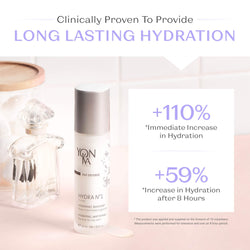
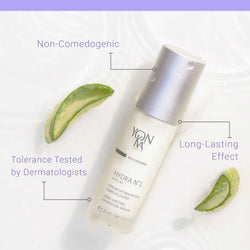
How to Use AHAs Safely When introducing acids, start slow. A product like Hydra N°1 Serum can be used as part of a hydration-focused routine after exfoliation, helping comfort dry, dehydrated skin.
Note: When using any acid-based exfoliator, your skin becomes more sensitive to the sun. Always apply a broad-spectrum SPF the following morning to protect your newly revealed skin cells.
Method 3: The Warm Cloth Technique
For a very mild, daily way to manage minor flaking, you can use a soft muslin cloth or a clean washcloth.
Step 1: Cleanse with a Gentle Milk Start with a cream-based cleanser like Lait Nettoyant. This formula is designed to respect the skin’s natural oils while removing impurities. Massage it into dry or slightly damp skin.
Step 2: Gentle Circular Motions Soak your cloth in warm (never hot) water and wring it out. Gently move the cloth in small, circular motions across the areas where you see dry patches. The combination of the emollient cleanser and the soft texture of the cloth will lift away loose flakes.
Step 3: Rinse and Soothe Rinse with lukewarm water and move immediately to the toning step.
The Essential Role of the Quintessence
In all our formulations, we rely on the Quintessence—our exclusive complex of five essential oils: lavender, geranium, rosemary, cypress, and thyme. This 100% natural and active complex does more than just provide a beautiful aroma. For those struggling with dry skin, these oils work in harmony to soothe inflammation and revitalize the appearance of the skin. Learn more about this heritage on Our Ingredients.
When you take off dry skin, you are essentially exposing "baby" skin cells that are not yet ready to face the world alone. The Quintessence helps to provide a sense of balance and protection during this transition, ensuring the skin feels calm rather than reactive.
Preparing the Skin: The Mist and Tone Step
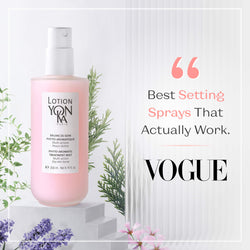
Once you have removed the dead skin cells, the "window" for absorption is wide open. This is the most critical time to rehydrate. We recommend saturating the skin with a phyto-aromatic mist like Lotion Yon-Ka PS.
Why a mist is vital for dry skin:
- pH Balancing: It helps restore the skin's natural acidic environment.
- Enhanced Absorption: Skincare products absorb significantly better into damp skin than dry skin.
- Instant Comfort: The mist immediately relieves any tightness felt after exfoliation.
Restoring the Barrier with Targeted Treatment
Removing the flakes is only half the battle; the second half is making sure they don't come back tomorrow. This requires "sealing" the skin with lipids and humectants.
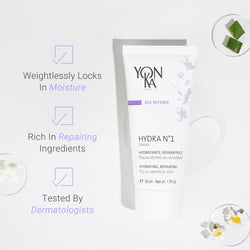
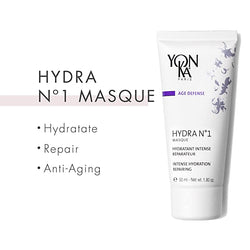
Intensive Hydration If your skin feels chronically parched, look toward the Hydra N°1 Crème collection. A combination of high and low molecular weight hyaluronic acid allows for deep hydration and surface smoothing. Hydra N°1 Masque is an excellent choice for a weekly moisture "bath."
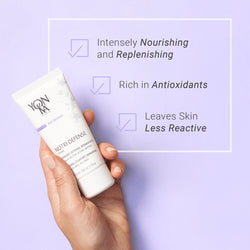
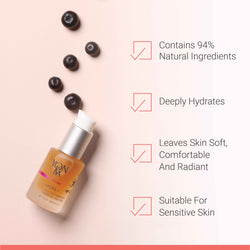
Nourishing Boosters Sometimes, a standard moisturizer isn't enough. In these cases, we suggest adding a few drops of Booster Nutri + to your cream. Rich in antioxidants and nourishing plant oils, it provides the "food" your skin needs to maintain a strong, healthy barrier.
Lifestyle Adjustments to Prevent Dry Skin
Skincare is a 24-hour ritual. Beyond the products you apply, your environment and habits play a significant role in how much dry skin accumulates on your face.
- Humidity Control: Use a humidifier in your bedroom, especially during the winter months. Aim for 30-50% humidity to keep your skin from losing water to the air.
- Mind the Temperature: While hot showers feel incredible, they are disastrous for dry skin. Use lukewarm water for your face and body to preserve your natural oils.
- Internal Hydration: While drinking water isn't a "cure" for dry skin, staying hydrated supports overall skin health and resilience.
- Silk Pillowcases: Friction from cotton pillowcases can sometimes aggravate dry patches. Silk or satin provides a smoother surface that doesn't "tug" at the skin or absorb your nighttime moisturizer.
When to See a Professional
If you find that your dry skin is persistent, painful, or accompanied by extreme redness and itching, it may be time to consult a dermatologist. Conditions like eczema, psoriasis, or seborrheic dermatitis can mimic simple dry skin but require medical diagnosis and treatment.
For those simply looking to elevate their results, a professional spa treatment can work wonders. A Yon-Ka trained esthetician can perform a deep exfoliation and professional-grade hydration treatment tailored exactly to your skin's needs. You can use our Spa Locator to find a partner facility near you.
Essential Oil Safety and Testing
Because our formulas are rich in active essential oils and botanical extracts, we always recommend a sensible approach to new products:
- Patch Test: Apply a small amount of any new product to your inner forearm and wait 24 hours to ensure no reaction.
- One at a Time: Introduce one new active product (like an AHA mask) per week so you can monitor how your skin responds.
- Listen to Your Skin: A mild tingling is often normal with active ingredients, but if you experience persistent stinging or redness, rinse the product off and wait a few days before trying again at a lower frequency.
Myth: "Oily skin doesn't need exfoliation for dryness." Fact: Even oily skin can experience "surface dehydration," where a layer of dead skin cells becomes trapped over oily pores. This can lead to breakouts and a dull appearance. All skin types benefit from gentle, regular exfoliation.
Building Your "Smooth Skin" Ritual
To effectively take off dry skin and keep it away, follow this layered approach:
- Cleanse: Use a gentle milk like Lait Nettoyant.
- Exfoliate: 1–3 times per week, use Gommage Yon-Ka or a gentle AHA treatment.
- Mist: Drench the skin in Lotion Yon-Ka PS.
- Treat: Apply a hydrating serum or booster.
- Moisturize: Seal everything in with a rich cream like Hydra N°1 Crème.
Conclusion
Taking off dry skin on the face is a delicate process that requires patience and the right botanical tools. By moving away from harsh scrubs and toward gentle, phyto-aromatic exfoliants and deep hydration, you respect your skin’s natural biology. Remember that consistency is the key to a lasting glow; a dedicated ritual will always yield better results than a one-time "fix."
At Yon-Ka Paris, our 70-year heritage is built on the belief that skincare is a moment of wellness, combining pharmaceutical rigor with the sensory power of nature. We invite you to explore our collections and discover the transformative power of our French-made formulas. If you are unsure which products are right for your specific concerns, our Skin Exfoliation guide and How Do You Get Dry Skin Off Your Face? are excellent places to start your journey toward smoother, healthier-looking skin.
"The secret to beautiful skin is not found in a single miracle product, but in a consistent ritual that respects the skin’s natural rhythm."
FAQ
How often should I exfoliate to remove dry skin?
For most people, exfoliating two to three times per week is sufficient to keep dry skin at bay without causing irritation. If you have very sensitive skin, you might start with once a week and gradually increase as your skin builds a tolerance. Over-exfoliating can actually lead to more dryness by damaging the skin's moisture barrier.
Can I use a face scrub if I have dry skin?
While some scrubs are marketed for dry skin, we generally recommend grain-free exfoliators or gentle chemical exfoliants like AHAs. Physical scrubs with large or irregular particles can cause micro-tears in the skin, leading to increased sensitivity and moisture loss. If you do use a scrub, ensure the particles are perfectly round and very fine, and always apply minimal pressure.
Why does my skin look more flaky after I exfoliate?
This can happen if the dead skin cells were loosened but not completely removed, or if the exfoliant you used was too harsh, causing the skin to become inflamed and dry out further. It is essential to follow every exfoliation step with immediate hydration and a rich moisturizer to "lay down" the newly exposed cells and prevent them from drying out and flaking again.
What is the best time of day to take off dry skin?
Evening is generally the best time for exfoliation. This allows your skin to recover overnight while you sleep and prevents immediate exposure to environmental pollutants and UV rays. Since exfoliation (especially with AHAs) can make your skin more sun-sensitive, doing it at night and wearing SPF the next morning is the safest approach for your complexion.